
The University of Texas at Austin, a beacon of education and a vibrant cultural landmark in the heart of Texas, officially opened its doors to students on September 15, 1883. While this date marks the commencement of classes and the true beginning of its academic journey, the roots of this esteemed institution stretch back further, intertwined with the aspirations and legislative efforts of the state itself. Understanding the founding of UT Austin is not just a delve into history; it’s an exploration of the visionaries who shaped Texas, the architectural evolution of a significant landmark, and the enduring appeal of Austin as a destination for education, tourism, and lifestyle.
For travelers and enthusiasts of history, culture, and vibrant urban experiences, the story of UT Austin offers a compelling narrative. Its campus is not merely a collection of academic buildings; it’s a living museum, an architectural marvel, and a hub of activities that draw visitors from around the globe. Whether you’re seeking a historical tour, a cultural immersion, or simply an understanding of what makes Austin the unique city it is, the university’s origins and subsequent growth provide an essential backdrop.
The Vision and Early Beginnings
The idea for a “university of the first class” was not a fleeting thought but a foundational principle enshrined in the very fabric of Texas law. The journey to the university’s founding was protracted, marked by political debates, economic challenges, and the determination of individuals who believed in the transformative power of higher education.
A Mandate from the Republic of Texas
The concept of a state university in Texas can be traced back to the Republic of Texas era. In 1839, even before Texas joined the United States, the Congress of the Republic of Texas, under the leadership of President Mirabeau B. Lamar, designated 50 leagues of land for the support of two universities or colleges. While the land was set aside, the turbulent times that followed, including the annexation of Texas into the United States and the Civil War, delayed the actual establishment.
Mirabeau B. Lamar is often revered as the “Father of Texas Education” for his foresight and commitment. His vision laid the philosophical groundwork for what would eventually become a reality decades later. This early dedication to education highlights a deeply embedded value within the state’s historical identity, a theme that resonates with today’s travelers seeking to understand the unique culture and heritage of Texas. Visiting historical sites in Austin like the Texas State Capitol offers insights into these formative years, allowing visitors to connect with the very legislative acts that birthed institutions like UT Austin.
Overcoming Obstacles to Establishment
The true legislative foundation for UT Austin was cemented in the Texas Constitution of 1876. Article VII, Section 10 of this constitution mandated the establishment of “a university of the first class,” to be supported by the lands previously set aside and further endowments. This constitutional directive was a powerful statement of intent, but turning it into a physical reality required further legislative action.
In 1881, the Texas Legislature passed a bill officially establishing “The University of Texas.” This crucial legislation outlined the university’s structure, declared its location to be in Austin, and provided for the creation of a Board of Regents to govern the institution. The selection of Austin as the site was a testament to its growing prominence as the state capital, a decision that would forever link the university’s destiny with the city’s development.
The first Board of Regents, led by its chairman, Ashbel Smith, a distinguished physician, diplomat, and statesman, faced the monumental task of transforming a constitutional mandate into a functional university. Smith’s leadership was critical in these formative years, guiding the initial construction and academic planning. Travelers interested in the lives of influential figures in Texas history will find Smith’s contributions particularly noteworthy, as he shaped not just the university but also the state’s healthcare and political landscape.
The Official Opening: A New Era for Education in Texas
After years of planning, legislative battles, and construction, the moment arrived when the vision articulated decades earlier finally materialized. This marked a pivotal point not just for education, but for the trajectory of Texas as a whole.
The Inaugural Day: October 1883
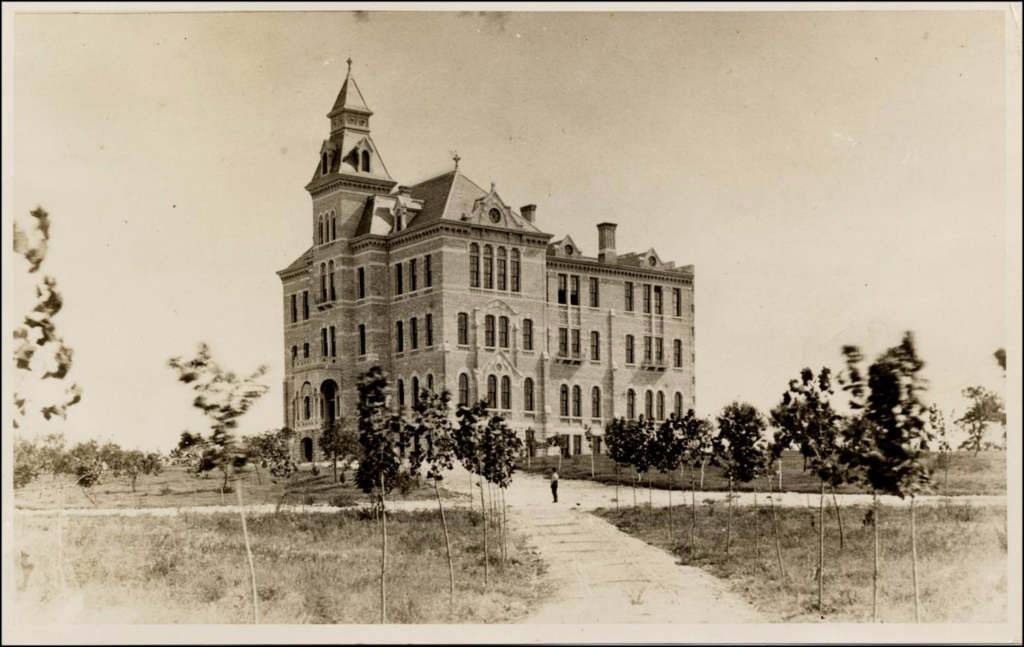
On September 15, 1883, the University of Texas at Austin officially opened its doors to students. This momentous day was marked by an inaugural ceremony held in the unfinished Old Main Building, a structure that stood proudly where the iconic UT Tower now dominates the skyline. The ceremony was a celebration of perseverance and a promise for the future.
Initially, the university comprised a Department of Literature, Science, and Arts and a Law Department. The faculty consisted of eight professors, and the first student body numbered 221. Among these early students were notable figures who would go on to shape Texas and beyond, including William Sydney Porter, better known by his pen name O. Henry, though he was not formally enrolled but took law classes. The first chairman of the faculty, Leslie Waggener, played a crucial role in establishing the academic standards and administrative framework during these nascent years.
For those interested in historical landmarks and the evolution of urban spaces, understanding that the current majestic UT Tower stands on the site of the original Old Main Building adds a layer of depth to a visit. The university’s commitment to public ceremonies and the marking of significant milestones, even in its earliest days, showcases a fundamental aspect of American higher education’s self-identity – a commitment to public service and community engagement.
Early Campus Life and Academic Growth
The initial years were a period of rapid growth and foundational development. The campus, though sparse compared to its modern expanse, began to foster a unique intellectual and social environment. Students and faculty lived and worked in close quarters, laying the groundwork for traditions that would endure for generations. The university’s motto, “Disciplina praesidium civitatis” (“Instruction is the safeguard of the state”), articulated its core mission: to educate future leaders and citizens who would contribute to the betterment of Texas.
As the university expanded, so did its academic offerings and its physical footprint. New buildings were constructed, departments were added, and research initiatives began to take shape. This period of dynamic growth established UT Austin not just as a regional institution but as one with aspirations for national and international recognition. The architectural styles of the early 20th century on campus, often blending Spanish Renaissance and Gothic Revival influences, contribute to the campus’s character as a landmark. For architecture enthusiasts, a self-guided tour focusing on these historical structures can be a rewarding experience.

UT Austin as a Modern Landmark and Travel Destination
Today, the University of Texas at Austin is much more than an educational institution; it is a premier landmark and a significant draw for tourism in Austin. Its expansive campus, stunning architecture, world-class museums, and vibrant atmosphere offer a rich tapestry of experiences for any traveler.
Exploring the Campus: Architectural Wonders and Cultural Hubs
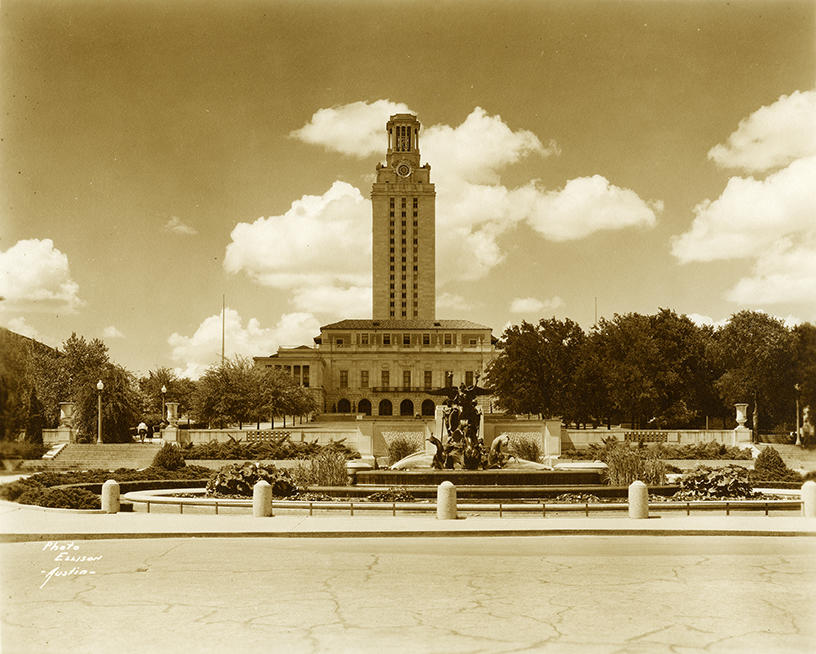
The UT Austin campus is a destination in itself, boasting numerous attractions that cater to diverse interests. At its heart stands the iconic UT Tower, a 307-foot tall structure that replaced the original Old Main Building in 1937. Designed by architect Paul Philippe Cret, the Tower is not only an architectural masterpiece but also offers panoramic views of the city of Austin from its observation deck. This experience is a must for anyone visiting, providing a unique perspective on the city’s layout and its natural beauty.
Beyond the Tower, the campus is home to several distinguished museums and cultural institutions. The Blanton Museum of Art houses one of the largest university art collections in the United States, featuring European, American, and Latin American art, as well as modern and contemporary works. Its diverse exhibitions make it a significant attraction for art lovers. Nearby, the Harry Ransom Center is an internationally recognized humanities research library and museum that acquires, preserves, and makes accessible for study iconic cultural artifacts from the past five centuries. Its collection includes the Gutenberg Bible, the world’s first complete photograph, and extensive archives of prominent writers and artists, offering unparalleled insights into literary and photographic history.
The Lyndon B. Johnson Presidential Library and Museum, also located on campus, provides a deep dive into the life and presidency of LBJ, showcasing exhibits on American political history, civil rights, and social change. These cultural hubs not only enrich the academic environment but also provide compelling reasons for tourists to spend a day or more exploring the campus. For those planning a family trip, many of these attractions offer educational programs and interactive exhibits suitable for all ages.
Austin Beyond the University: Tourism and Lifestyle
The vibrant energy of UT Austin spills over into the surrounding city, making Austin an incredibly dynamic travel destination. Known as the “Live Music Capital of the World,” Austin offers an eclectic mix of entertainment, culinary delights, and outdoor activities that appeal to various lifestyle preferences.
Tourism in Austin thrives on its unique culture, often characterized by its “Keep Austin Weird” motto. Visitors can explore the bustling South Congress Avenue, known for its quirky boutiques, street art, and diverse eateries. The city’s food scene is legendary, ranging from world-renowned Texas barbecue joints and authentic Tex-Mex to upscale dining and vibrant food trucks. For budget travelers, the food truck scene offers an affordable and delicious way to sample local flavors.
Outdoor enthusiasts will find plenty to do, with popular spots like Zilker Park, home to Barton Springs Pool – a natural spring-fed swimming hole. Kayaking or paddleboarding on Lady Bird Lake offers stunning views of the city skyline, while the numerous hiking and biking trails provide opportunities to connect with Texas’ natural beauty. The synergy between the intellectual rigor of UT Austin and the relaxed, creative vibe of Austin creates a destination that balances academic exploration with leisure and adventure, catering to a wide range of lifestyle choices from luxury travel to more laid-back family trips.
Planning Your Visit: Accommodation and Experiences in the Heart of Texas
For those planning to experience the history and vibrancy of UT Austin and the broader Austin area, choosing the right accommodation and planning your experiences are key to a memorable trip.
Hotels and Accommodation Near Campus
Austin offers a wide array of hotels and other accommodation options to suit every budget and preference. For visitors focusing on UT Austin, staying in the Downtown Austin or Central Austin areas provides convenient access to the campus and other city attractions.
Luxury travelers might consider hotels such as the Omni Austin Hotel Downtown or the JW Marriott Austin, offering upscale amenities, fine dining, and excellent service. These establishments provide a comfortable base from which to explore the university and the city’s nightlife. Boutique hotels like Hotel Ella, a historic mansion turned elegant hotel just minutes from campus, offer a unique and luxurious stay, often blending historical charm with modern comforts.
Mid-range options abound, with various chain hotels and independent establishments providing comfortable and well-appointed rooms without breaking the bank. For budget travelers or those seeking a more local experience, numerous vacation rentals, apartments, and even hostels are available, particularly in the neighborhoods surrounding the university. Booking in advance is always recommended, especially during peak seasons such as university commencement, major sporting events, or music festivals like SXSW and Austin City Limits. Comparison websites can help find the best deals and reviews, ensuring you choose the ideal spot for your travel style, whether it’s a short-term visit or a long-term stay.
Immersive Experiences and Local Culture
Beyond the traditional tourist attractions, Austin encourages immersive experiences that delve into its local culture. Consider attending a live music show on Sixth Street or Rainey Street, exploring the vibrant murals and street art, or even taking a cooking class to learn the secrets of Tex-Mex cuisine. The university’s calendar of events often includes public lectures, concerts, and theatrical performances, providing an excellent opportunity to engage with the academic and artistic community.
For sports enthusiasts, catching a Texas Longhorns game at Darrell K Royal-Texas Memorial Stadium is an unforgettable experience, embodying the spirit and passion of UT Austin. The energy of game day, with its traditions and fervent fan base, showcases a unique aspect of American university culture that is both entertaining and culturally significant. Local guides can also provide personalized tours, offering insider tips and a deeper understanding of Austin’s history and hidden gems. Whether your interest lies in history, art, music, food, or sports, Austin and its founding university offer a rich tapestry of experiences that promise an enriching journey.
The Enduring Legacy of the University of Texas
The founding of the University of Texas at Austin in 1883 was not just the inauguration of a new school; it was the birth of an institution that would profoundly shape the intellectual, cultural, and economic landscape of Texas and beyond. From its humble beginnings with a handful of faculty and students, it has grown into a world-renowned public research university, consistently ranked among the top institutions globally.
Its legacy is seen in the countless graduates who have gone on to achieve greatness in every field imaginable, in the groundbreaking research that has advanced human knowledge, and in the vibrant cultural contributions it makes to Austin and the state. For travelers, students, and lifelong learners alike, UT Austin stands as a testament to the enduring power of education and a captivating landmark ripe for exploration. Its story, from an ambitious vision in the early days of the Republic of Texas to its official opening in 1883, continues to inspire and inform, offering a profound sense of place and purpose to all who visit its historic campus. It is a vital part of the Texas identity, a cornerstone for tourism, and a beacon of lifestyle and learning in the heart of the Lone Star State.
LifeOutOfTheBox is a participant in the Amazon Services LLC Associates Program, an affiliate advertising program designed to provide a means for sites to earn advertising fees by advertising and linking to Amazon.com. Amazon, the Amazon logo, AmazonSupply, and the AmazonSupply logo are trademarks of Amazon.com, Inc. or its affiliates. As an Amazon Associate we earn affiliate commissions from qualifying purchases.