
Texas, the Lone Star State, is renowned for its vast landscapes, vibrant cities, and a spirit as big as its territory. However, it’s also famously known for its intense summer heat, prompting many travelers and residents alike to ponder: “When will it cool down in Texas?” Planning a trip to this diverse state requires an understanding of its unique climate, especially if you’re aiming for comfort over sweltering days. Whether you’re drawn to the bustling streets of Houston, the historic charm of San Antonio, the live music scene in Austin, or the cultural hubs of Dallas and Fort Worth, knowing the best times to visit for pleasant weather is key to an unforgettable experience. This guide will help you navigate the Texas climate, pinpoint the ideal seasons for travel, and offer strategies for staying cool, no matter when your adventures call.
Navigating the Texas Climate: A Seasonal Overview
Texas’s sheer size means its climate isn’t uniform. From the arid deserts of West Texas to the humid Gulf Coast and the temperate rolling hills of the Texas Hill Country, temperatures and weather patterns vary significantly across regions. Understanding these distinctions is crucial for anyone planning a visit.
The Summer Sizzle: Understanding Texas Heat
Summers in Texas are undeniably hot and long. Typically spanning from June through September, and sometimes even into October, temperatures regularly soar into the 90s Fahrenheit (30s Celsius), often exceeding 100°F (38°C) in many areas. Humidity can be particularly high along the coast and in East Texas, making the “feels like” temperature even more intense. This period is characterized by bright sunshine, infrequent rain (though tropical systems can bring significant downpours to coastal areas), and a pervasive warmth that dictates much of daily life. For those unaccustomed to such heat, outdoor activities during midday can be challenging, if not risky. This intense heat is why the question of when it will cool down is so prevalent. While the summer months offer opportunities for aquatic fun and indoor exploration, it’s not the season for extensive hiking or prolonged outdoor sightseeing for most travelers.
The Sweet Relief: When Cooler Temperatures Arrive
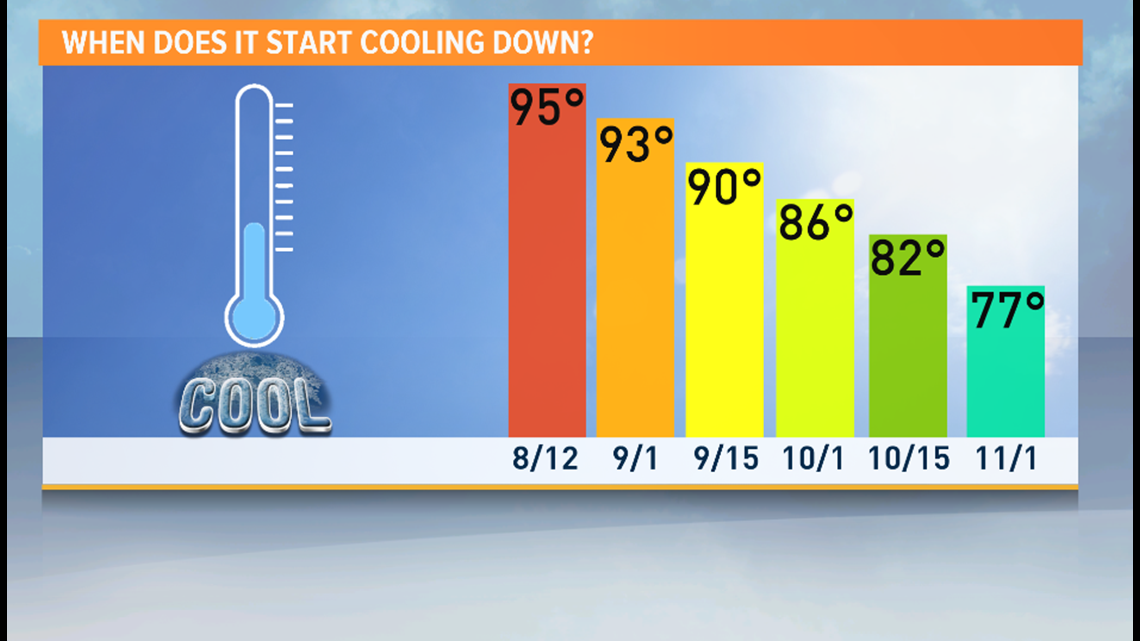
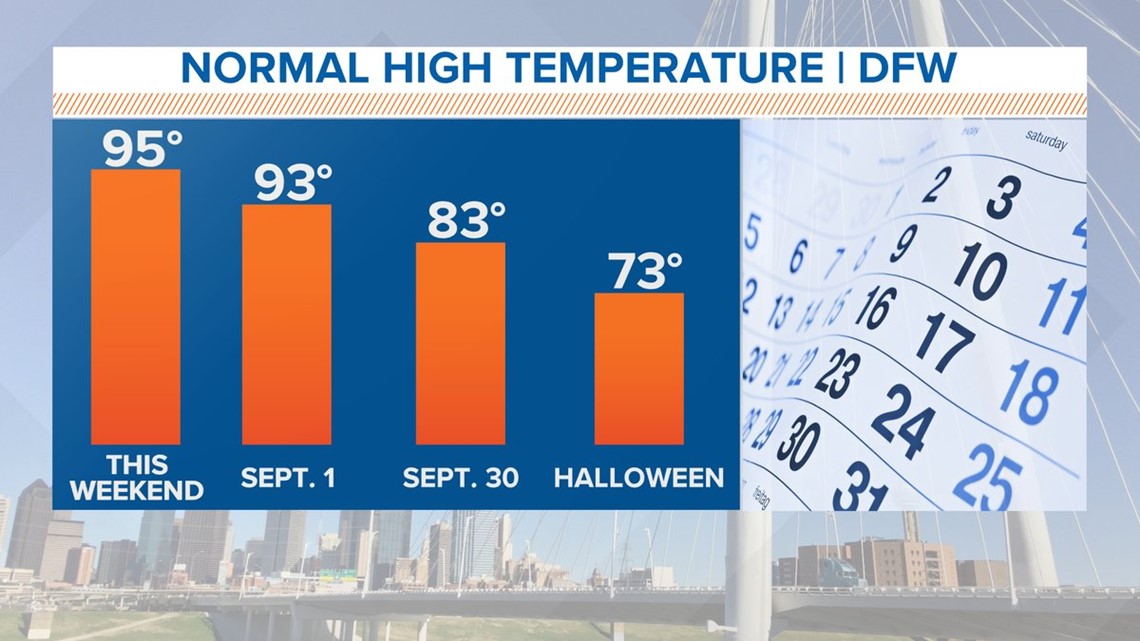
The much-anticipated cool-down in Texas generally begins in late September and October. While September might still see lingering summer heat, particularly in the southern parts of the state, by mid-October, a noticeable shift occurs. Average daily temperatures begin to drop into the comfortable 70s and 80s Fahrenheit (20s Celsius). November solidifies this trend, bringing crisp air, especially in the mornings and evenings, with daytime highs often in the 60s and low 70s (15-20°C).
Winter, from December through February, is typically mild across much of Texas, particularly in the southern and coastal regions. Freezing temperatures and ice are not uncommon in the northern parts of the state, but days are often sunny and cool, making it a popular time for outdoor activities that would be unbearable in summer.
Spring, from March through May, is another glorious season, often considered one of the best times to visit. Temperatures are pleasantly warm, rainfall is generally moderate, and the state bursts into bloom, especially with the iconic Texas wildflowers like bluebonnets.
Regional Variations: North, South, East, and West Texas Climates
- North Texas (Dallas, Fort Worth): Experiences more distinct seasons, with hot summers, mild to cool winters (with occasional ice/snow), and pleasant springs and falls.
- Central Texas (Austin, San Antonio, Texas Hill Country): Known for its intense summer heat, but also very popular for its beautiful springs and falls. Winters are generally mild.
- East Texas: Characterized by high humidity year-round, hot summers, and milder winters. Its lush pine forests offer a different kind of natural beauty.
- Gulf Coast (Houston, Galveston, Corpus Christi, South Padre Island): Extremely humid and hot summers, with the threat of hurricanes from June to November. Winters are very mild and pleasant.
- West Texas (El Paso, Big Bend National Park): Arid, desert climate. Summers are hot but with lower humidity, meaning cooler nights. Winters are cool and dry, with significant temperature swings between day and night.
Generally, the best time for statewide comfortable travel is from October through April, with peak pleasantness in October-November and March-April.
Planning Your Escape: Best Times to Visit for Comfort
While Texas offers attractions year-round, aligning your visit with the cooler months can significantly enhance your experience, especially if you plan to enjoy outdoor activities or extensive sightseeing.
Autumn’s Embrace: Crisp Air and Festive Fun
October and November are arguably the sweet spot for visiting Texas. The oppressive summer heat begins to recede, yielding to delightfully warm days and refreshingly cool evenings. This is the perfect time for exploring urban centers like Austin’s vibrant street art, strolling along San Antonio’s historic River Walk, or delving into the rich history of Dallas. The Texas Hill Country transforms with subtle autumn foliage, offering scenic drives and vineyard tours. Festivals abound, celebrating everything from food and wine to music and art, capitalizing on the agreeable weather. This period is ideal for visiting landmarks like the Alamo or enjoying outdoor patios without breaking a sweat.
Winter Wonders: Mild Days and Unique Experiences
December through February presents a different kind of Texan charm. While northern parts of the state might experience occasional cold snaps, snow is rare in most major cities. Southern Texas and the Gulf Coast remain pleasantly mild, often with daytime temperatures in the 60s Fahrenheit (15-20°C). This makes it an excellent time for birdwatching, exploring state parks, or enjoying the coastal beauty of South Padre Island without the summer crowds. Festive holiday lights and events add a special magic to cities, transforming spaces like the San Antonio River Walk into illuminated spectacles. For those seeking a truly unique winter getaway, a trip to Big Bend National Park or Guadalupe Mountains National Park in West Texas can be breathtaking, offering hiking opportunities with comfortable temperatures, though nights can be very cold.
Spring’s Splendor: Blooms, Festivals, and Pleasant Weather
March, April, and May herald the arrival of spring, a season cherished by Texans and tourists alike. The temperatures are wonderfully warm, but not yet scorching, making it perfect for outdoor activities. This is wildflower season, when the iconic bluebonnets, Indian paintbrushes, and other blooms carpet fields and roadsides across the state, creating stunning photographic opportunities. Major events like the South by Southwest (SXSW) festival in Austin draw international crowds, leveraging the beautiful weather. Exploring historic districts, enjoying alfresco dining, or cycling through scenic routes are all popular spring pursuits. Keep an eye on weather forecasts, as spring can also bring periods of heavy rain and, occasionally, severe thunderstorms, especially in North Texas.
Beating the Heat: Strategies for a Comfortable Texas Trip (Even in Summer)
Sometimes, travel plans are fixed, and a summer visit to Texas is unavoidable. Don’t despair! With a few smart strategies, you can still have a fantastic time, focusing on cool escapes and well-timed activities.
Aquatic Adventures: Where to Find Refreshment
When the temperatures soar, water is your best friend. Texas boasts an abundance of natural and man-made oases perfect for cooling down.
Pristine Lakes and Rivers
The Texas Hill Country is dotted with spring-fed rivers and crystal-clear lakes that offer a refreshing respite. Popular spots include Lake Travis and Barton Springs Pool in Austin, both famed for their cool waters. Floating down the Guadalupe River or Comal River in New Braunfels (near San Antonio) is a quintessential Texas summer experience, offering hours of leisurely tubing. Canyon Lake, often called the “Water Recreation Capital of Texas,” provides ample opportunities for boating, swimming, and jet-skiing.
Coastal Escapes and Island Retreats

Head to the Gulf Coast for ocean breezes and sandy beaches. Galveston offers historic charm, Pleasure Pier rides, and beach access. Further south, Corpus Christi provides calmer bay waters and access to the Padre Island National Seashore, a pristine stretch of undeveloped coastline. For a lively beach town atmosphere, South Padre Island is a perennial favorite, perfect for swimming, kiteboarding, and dolphin watching.
Thrilling Water Parks
For guaranteed family fun and an exhilarating way to beat the heat, Texas has some of the best water parks in the country. Schlitterbahn Waterpark in New Braunfels, consistently ranked among the world’s best, utilizes natural river water for many of its rides. Other major water parks are found near Dallas, Houston, and San Antonio, offering slides, wave pools, and lazy rivers for all ages.
Indoor Indulgences: Culture, Shopping, and Entertainment
When temperatures peak, retreat indoors to Texas’s impressive array of air-conditioned attractions.
World-Class Museums and Galleries
Texas cities boast an incredible cultural scene. Houston is home to the Museum District, featuring institutions like the Museum of Fine Arts, Houston and the Houston Museum of Natural Science, along with the iconic Space Center Houston. In Dallas, explore the Dallas Arts District, home to the Dallas Museum of Art and the thought-provoking Sixth Floor Museum at Dealey Plaza. Fort Worth’s Cultural District showcases masterpieces at the Kimbell Art Museum and the Amon Carter Museum of American Art.
Retail Therapy in Air-Conditioned Comfort
Texas has legendary shopping. From upscale boutiques in Dallas’s Highland Park Village and Houston’s The Galleria to quirky independent shops in Austin’s South Congress Avenue (stroll early or late!), you can spend hours browsing and finding treasures without breaking a sweat. Large indoor malls and outlet centers across the state provide endless options.
Family-Friendly Attractions and Unique Experiences
Many attractions cater to indoor enjoyment. Aquariums, such as the Dallas World Aquarium and the Texas State Aquarium in Corpus Christi, offer fascinating marine life encounters. Catch a movie at an upscale cinema, enjoy indoor sporting events, or explore unique venues like Gruene Hall (Texas’s oldest dance hall) in the mornings before the crowds and heat build.
Accommodation for Comfort: Staying Cool in Style
Your choice of accommodation can make a significant difference in your comfort level during a hot Texas visit.
Resorts with Exceptional Pools and Amenities
Many Texas resorts are designed with the heat in mind, offering elaborate pool complexes, lazy rivers, and splash pads that serve as destinations in themselves. Look for properties like the JW Marriott San Antonio Hill Country Resort & Spa or the Hyatt Regency Hill Country Resort and Spa in San Antonio, or The Woodlands Resort near Houston, which boast impressive water features and activities that can occupy an entire day. These resorts often provide a complete vacation experience, minimizing the need to venture out during peak heat.
Boutique Hotels and Urban Retreats
In cities, boutique hotels and luxury establishments typically offer exceptional air conditioning, often with rooftop pools or secluded courtyards. Opting for a hotel with good reviews for its amenities, especially its pool area, can provide a welcome respite after a day of urban exploration. Many also offer shaded outdoor spaces or comfortable lobbies for relaxation.
Vacation Rentals: Your Private Oasis
For longer stays or family trips, a vacation rental with a private pool or access to a community pool can be a fantastic option. This allows for flexible scheduling, with the freedom to cool off whenever you wish. Whether you’re looking for a charming bungalow in Fredericksburg or a modern apartment in Austin, checking for cooling amenities is a top priority.
Crafting Your Perfect Texas Itinerary: Tips for a Seamless Trip
Regardless of when you visit, a bit of planning goes a long way.
Booking Your Stay: Finding the Right Accommodation
Start by researching hotels, resorts, or vacation rentals well in advance, especially during peak seasons (spring, fall, and summer for water-based activities). Use comparison sites and read recent reviews to ensure your chosen accommodation meets your expectations for comfort and amenities. Look for places with strong air conditioning, good pool facilities, and convenient access to the attractions you plan to visit.
Embracing Local Culture and Cuisine
Texas is a foodie paradise. From authentic Tex-Mex and barbecue to international haute cuisine, there’s a taste for everyone. Many restaurants offer shaded outdoor patios or vibrant indoor dining rooms that provide a comfortable environment. Don’t be afraid to ask locals for their favorite cool-down spots or hidden gems.
Packing Essentials: Preparing for Texas Weather
- Sun Protection: Always bring sunscreen, sunglasses, and a wide-brimmed hat, no matter the season.
- Hydration: Carry a reusable water bottle and stay hydrated, especially if you’re out and about.
- Layering: Even in warmer months, evenings can be breezy, particularly in West Texas or coastal areas. In cooler seasons, layers are essential for managing fluctuating temperatures.
- Comfortable Footwear: You’ll likely be doing a lot of walking, so comfortable shoes are a must.
- Swimwear: A swimsuit is always a good idea, as opportunities for swimming or splashing abound.
In conclusion, while Texas summers are undeniably hot, the state truly shines in its cooler months. October to April generally offers the most comfortable weather for exploration and outdoor enjoyment. If a summer visit is on the cards, strategic planning around aquatic activities, air-conditioned attractions, and comfortable accommodations will ensure a memorable and enjoyable trip. By understanding the Texas climate and leveraging the many options available for staying cool, you can transform your question of “When will it cool down?” into a well-planned adventure, ready to experience all the wonders the Lone Star State has to offer.
LifeOutOfTheBox is a participant in the Amazon Services LLC Associates Program, an affiliate advertising program designed to provide a means for sites to earn advertising fees by advertising and linking to Amazon.com. Amazon, the Amazon logo, AmazonSupply, and the AmazonSupply logo are trademarks of Amazon.com, Inc. or its affiliates. As an Amazon Associate we earn affiliate commissions from qualifying purchases.