
Texas, the Lone Star State, is a land of boundless opportunity, vibrant culture, and diverse landscapes. From the bustling metropolises of Dallas and Houston to the artistic haven of Austin and the historic charm of San Antonio, it’s a magnet for entrepreneurs looking to tap into a robust economy and a thriving tourism sector. Whether your dream involves launching a luxury travel agency, managing a portfolio of exquisite vacation rentals, curating unique local experiences, or building a hospitality brand, establishing a solid legal foundation is paramount. For many, a Limited Liability Company (LLC) offers the perfect blend of protection, flexibility, and credibility.
An LLC provides significant advantages, especially for businesses operating within the dynamic fields of travel, hotels, tourism, and accommodation. It shields your personal assets from business debts and liabilities, giving you peace of mind as you navigate the intricacies of the market. Furthermore, its adaptable structure makes it ideal for everything from solo lifestyle ventures to multi-partner resort developments.
This comprehensive guide will walk you through the essential steps to forming an LLC in Texas. We’ll also explore why Texas is an ideal location for your next venture, highlighting how the LLC structure can support your ambitions in the lifestyle, travel, and hospitality industries.
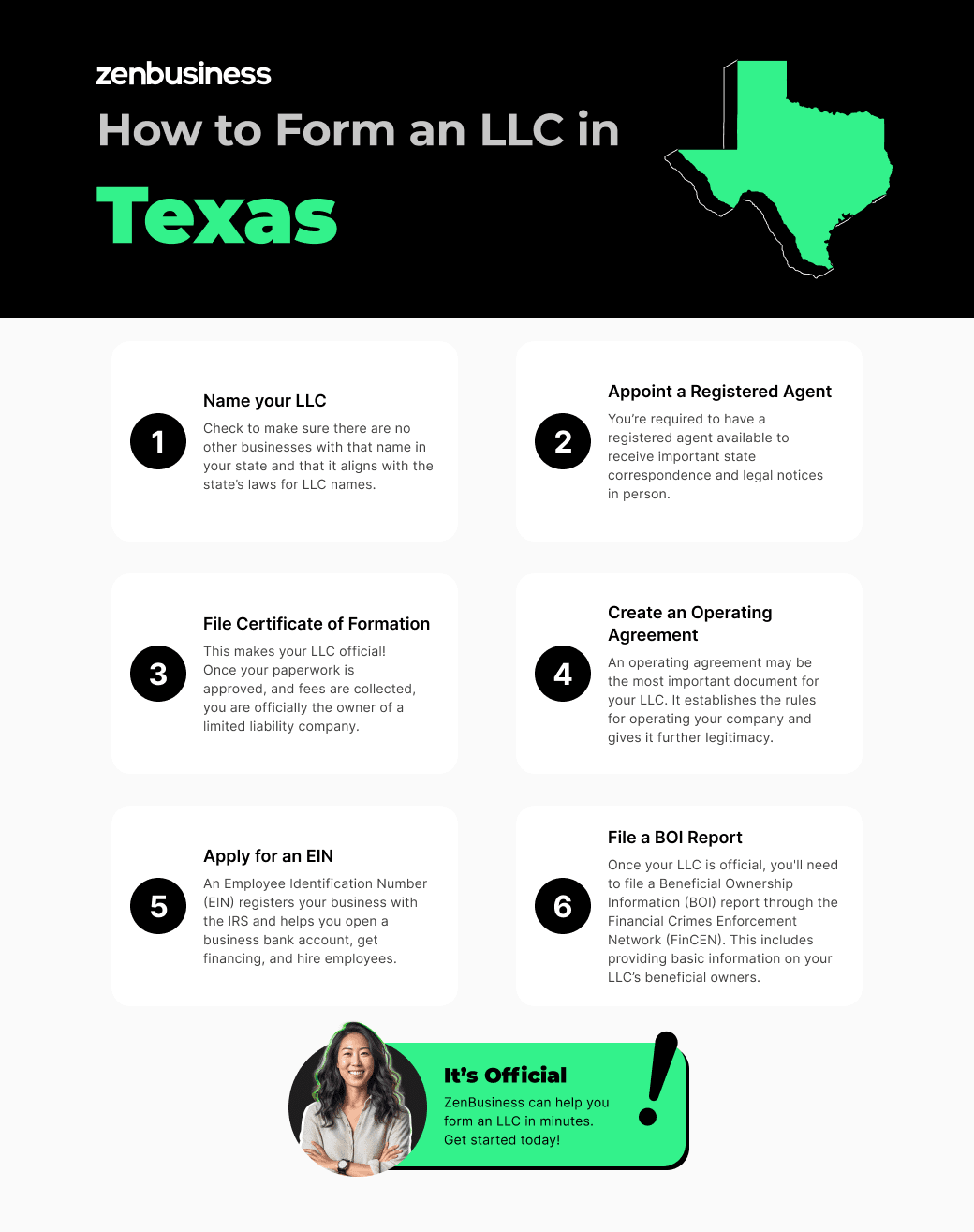
Navigating the Texas Business Landscape for Your Venture
Texas boasts a business-friendly environment, characterized by strong economic growth, a large consumer base, and a relatively favorable tax structure for small businesses. For those eyeing the lucrative sectors of travel, tourism, and accommodation, understanding the local landscape and choosing the right business entity is your first strategic move.
Why an LLC is the Smart Choice for Texas Entrepreneurs
The appeal of an LLC extends beyond its catchy name. It’s a strategic choice for entrepreneurs who value protection, flexibility, and a professional image.
- Personal Liability Protection: This is arguably the most significant advantage. An LLC creates a legal separation between you and your business. If your Texas-based vacation rental business faces a lawsuit from a guest, or your tour operations encounter unexpected liabilities, your personal assets – such as your home, car, and personal savings – are generally protected. This “corporate veil” is invaluable in an industry where unexpected incidents can arise.
- Flexibility in Management and Taxation: Unlike a corporation with its rigid board structures, an LLC offers immense flexibility. You can choose to be member-managed (where all owners participate in daily operations) or manager-managed (where a designated manager or group of managers handles the day-to-day). Tax-wise, an LLC defaults to “pass-through” taxation, meaning profits and losses are passed through to the owners’ personal income without being taxed at the business level first. However, you have the option to elect to be taxed as an S-Corporation or C-Corporation, which can offer tax advantages depending on your business’s profitability and structure. This adaptability is particularly useful for diverse travel-related income streams.
- Credibility and Professionalism: An LLC designation lends immediate credibility to your venture. When dealing with partners, investors, or even customers seeking a reliable service, the “LLC” suffix signals professionalism and a serious commitment to your business. This is crucial whether you’re securing bookings for a luxury hotel, negotiating with suppliers for your accommodation business, or marketing your tourism services.
- Simplicity Compared to Corporations: While providing similar liability protection to a corporation, an LLC typically has fewer ongoing compliance requirements. There’s generally less paperwork and fewer formal meetings required, making it an attractive option for solo entrepreneurs or small teams focused on building their travel and lifestyle brands.
Texas: A Booming State for Travel, Tourism, and Accommodation
Texas’ sheer size and diversity make it a powerhouse for the travel and hospitality industry. This isn’t just a state; it’s a continent within a country, offering everything from sprawling deserts and majestic mountains to pristine beaches and vibrant cultural hubs.
- Diverse Destinations:
- Austin draws visitors with its live music scene, burgeoning tech industry, and unique “Keep Austin Weird” ethos, driving demand for boutique hotels and short-term rentals.
- Dallas and Houston are major business and convention centers, attracting corporate travelers and families alike, with extensive options for hotels, suites, and luxury accommodation.
- San Antonio’s rich history, epitomized by The Alamo and the scenic Riverwalk, makes it a top tourist destination for those seeking cultural experiences.
- Beyond the cities, Texas offers stunning natural landmarks like Big Bend National Park and the Padre Island National Seashore, appealing to eco-tourism and adventure travel ventures. The charming Hill Country with its wineries and quaint towns like Fredericksburg is perfect for retreats and specialty lodging.
- Strong Economic Drivers: Texas’ robust economy, fueled by various industries, leads to constant inbound travel for business, conferences, and events. This stable demand creates fertile ground for accommodation providers, event planners, and specialized tourism services.
- Strategic Location: Its central location in the U.S. and proximity to Mexico make Texas a gateway for both domestic and international travel, presenting unique opportunities for cross-border tourism and logistics services.
Forming your LLC here positions your Hospitality Brand in a dynamic and growing market, ready to cater to a diverse range of travelers and lifestyle enthusiasts.
The Essential Steps to Forming Your Texas LLC
While the process of forming an LLC in Texas is relatively straightforward, each step is crucial for ensuring legal compliance and setting your business up for long-term success.
Step 1: Naming Your Texas LLC
Your business name is your identity, especially in the competitive travel and lifestyle sectors. It should be memorable, reflect your brand, and meet Texas’ legal requirements.
- Legal Requirements: Your LLC’s name must include “Limited Liability Company” or one of its abbreviations (e.g., “LLC,” “L.L.C.”).
- Uniqueness: The name must be distinguishable from other entities already registered with the Texas Secretary of State. This means it can’t be exactly the same or confusingly similar to an existing name.
- Tips for Travel/Lifestyle Businesses: Choose a name that evokes the essence of your brand. For a tour company, something like “Lone Star Adventures LLC” might be fitting. For a vacation rental management service in the scenic Hill Country, “Hill Country Retreats LLC” could work.
- Checking Availability: You can search the Texas Secretary of State’s online database to see if your desired name is available. It’s wise to have a few alternative names in mind.
- Reserving a Name: If you’re not ready to file immediately but want to secure your chosen name, you can reserve it for 120 days by filing an Application for Reservation of an Entity Name with the Secretary of State.
Step 2: Appointing a Registered Agent
Every Texas LLC must designate a registered agent. This person or entity is crucial for ensuring your business receives important legal and tax documents promptly.
- What a Registered Agent Does: The registered agent acts as your LLC’s official point of contact for service of process (e.g., lawsuits) and governmental correspondence.
- Requirements: A registered agent must have a physical street address in Texas (not a P.O. box) and must be available at that address during normal business hours.
- Who Can Be One: You can appoint an individual (yourself, another member, or an employee) or a commercial registered agent service. For entrepreneurs who frequently travel or manage properties across different locations, a professional registered agent service is often the best choice, as it ensures continuity and privacy.
Step 3: Filing Your Certificate of Formation
This is the cornerstone document that officially brings your Texas LLC into existence. It’s filed with the Texas Secretary of State.
- Information Required: The Certificate of Formation must include:
- The name of your LLC.
- The name and address of your registered agent.
- The name and address of each organizer (the person filing the document).
- A statement of purpose (optional, but many travel and lifestyle businesses find it useful to specify their industry).
- Duration of the LLC (usually “perpetual”).
- Filing Options: You can file online through the Texas Secretary of State’s SOSDirect website, which is typically the fastest method, or by mail.
- Fees and Processing Times: There is a filing fee (check the Secretary of State’s website for current rates). Processing times can vary but are generally quicker for online filings.
Step 4: Creating an Operating Agreement
While Texas law doesn’t legally require an LLC to have an Operating Agreement, it is highly advisable to create one. This internal document governs how your LLC will operate.
- What it Covers: A well-drafted Operating Agreement outlines:
- Ownership percentages of each member.
- The rights and responsibilities of members and/or managers.
- How profits and losses will be distributed.
- Procedures for decision-making (e.g., voting rights).
- Rules for adding new members or transferring ownership.
- Dissolution procedures for the LLC.
- Importance: This document is crucial for single-member LLCs to help maintain the corporate veil and define operational guidelines. For multi-member LLCs, it acts as a binding contract among owners, preventing future disputes and ensuring smooth operation, especially if members are located in different parts of Texas or even different states, managing various aspects of a travel business or investments in travel properties.
Step 5: Obtaining an Employer Identification Number (EIN)
An Employer Identification Number (EIN) is like a social security number for your business.
- When Needed: An EIN is required if your LLC has employees, is taxed as a corporation or partnership, or has more than one member. Even single-member LLCs without employees often obtain an EIN for opening a business bank account and for general tax reporting purposes.
- How to Get It: You can apply for an EIN online through the IRS website, which is free and typically takes only a few minutes.
- Crucial for Banking: You’ll need your EIN to open a dedicated business bank account, which is a vital step in maintaining the legal separation between your personal and business finances.
Post-Formation Compliance and Growth for Your Texas Travel Business
Forming your LLC is just the beginning. To ensure its longevity and foster growth in the competitive Texas travel and lifestyle market, ongoing compliance and strategic management are key.
Opening a Business Bank Account and Financial Management
Maintaining separate finances is not just good practice; it’s essential for upholding the liability protection that your LLC provides.
- Separation of Finances: Never commingle personal and business funds. All income and expenses related to your LLC (whether it’s managing hotel bookings or selling local craft tours) should flow through your business account.
- Requirements: Banks will typically require your EIN, a copy of your Certificate of Formation, and potentially your Operating Agreement to open an account.
- Considerations: Choose a bank that offers services tailored to small businesses or one that has experience with the unique financial needs of travel and hospitality ventures. Look for online banking features, low fees, and accessible customer service.
Understanding Texas Tax Obligations
Texas has a distinct tax landscape, primarily known for not having a state income tax on individuals or pass-through entities like most LLCs. However, other taxes apply.
- Texas Franchise Tax: While there’s no state corporate income tax, most Texas LLCs with annual revenue exceeding a certain threshold are subject to the Texas Franchise Tax. This tax is based on your business’s “margin.” Be sure to understand the calculation and filing requirements, even if your LLC falls below the “no tax due” threshold, as a “Public Information Report” is usually still required.
- Sales Tax: If your LLC sells taxable goods or services (e.g., merchandise from your travel blog, certain tour packages), you will need to collect and remit Texas sales tax. The rate varies by location due to local sales taxes.
- Hotel Occupancy Tax (HOT): This is highly relevant for accommodation businesses, including hotels, motels, and short-term rentals. If your LLC provides lodging for fewer than 30 consecutive days, you will likely need to collect and remit both state and local Hotel Occupancy Taxes. Rates vary significantly by city and county; for instance, popular tourist spots like Galveston, South Padre Island, and Fredericksburg will have specific local HOT regulations.
Licenses, Permits, and Industry-Specific Regulations
Beyond state registration, your Texas LLC will likely need various licenses and permits depending on its specific activities and location.
- General Business Licenses: Many cities and counties in Texas require general business licenses or permits. Check with your local city hall and county clerk’s office.
- Industry-Specific Permits:
- Accommodation Businesses: Running a hotel, bed & breakfast, or short-term rental typically requires local permits and adherence to zoning regulations. Some cities have strict rules regarding short-term rentals, so thorough research is essential.
- Food and Beverage: If your LLC operates a restaurant, bar, or even offers breakfast at a B&B, you’ll need health permits and potentially alcohol permits from the Texas Alcoholic Beverage Commission (TABC).
- Seller of Travel Licenses: While Texas doesn’t have a broad “seller of travel” registration requirement like some other states, specific scenarios or types of travel businesses may still require state or federal licensing (e.g., cruise lines, airlines, or certain timeshare operations). It’s always best to consult with a legal professional familiar with travel industry regulations.
- Local Ordinances: Always verify local requirements in the specific city or county where your travel or hospitality business will operate. What’s allowed in Austin might differ significantly from South Padre Island.
Ongoing Compliance and Best Practices for a Thriving Texas LLC
Success in the travel and lifestyle markets hinges on reputation and reliability, which are built upon consistent adherence to legal and operational best practices.
- Maintain Records: Keep meticulous records of all financial transactions, meeting minutes (especially for multi-member LLCs), and important business decisions.
- Meet Tax Deadlines: Stay on top of all state and federal tax filing deadlines, including the Texas Franchise Tax and federal income tax.
- Adhere to Your Operating Agreement: Follow the procedures outlined in your Operating Agreement, as it serves as your company’s internal rulebook.
- Review Insurance Needs: Secure adequate business insurance. This might include general liability insurance, property insurance for accommodation businesses, and professional liability (errors and omissions) insurance for travel advisors or tour operators.
- Seek Professional Advice: Consider engaging a qualified attorney and accountant experienced with Texas business law and the specific needs of the travel or hospitality industry. Their expertise can save you time, money, and potential headaches down the line.
- Brand Building and Marketing: With your legal foundation secure, focus on building your brand, engaging with your target audience, and leveraging Texas’ diverse appeal to grow your tourism or lifestyle venture.
Forming an LLC in Texas is a strategic move that provides a robust legal framework for your entrepreneurial endeavors in the travel, hospitality, and lifestyle sectors. By carefully following these steps, you not only ensure compliance with Texas state laws but also lay a solid foundation for growth, asset protection, and credibility. From managing unique accommodation experiences to guiding travelers through the state’s iconic landmarks and vibrant cities, establishing your LLC empowers you to pursue your passions with confidence, allowing you to focus on creating unforgettable journeys and enriching lifestyles.
LifeOutOfTheBox is a participant in the Amazon Services LLC Associates Program, an affiliate advertising program designed to provide a means for sites to earn advertising fees by advertising and linking to Amazon.com. Amazon, the Amazon logo, AmazonSupply, and the AmazonSupply logo are trademarks of Amazon.com, Inc. or its affiliates. As an Amazon Associate we earn affiliate commissions from qualifying purchases.