
For travelers exploring the diverse landscapes and vibrant cities of the United States, understanding local laws and customs is an integral part of planning a seamless trip. When it comes to entertainment, particularly gambling, rules can vary dramatically from state to state. Texas, the second-largest state in the nation, offers a unique blend of rich history, cultural attractions, and breathtaking natural beauty. However, for those hoping to combine their travel experiences with the thrill of casino gaming, the legal landscape in the Lone Star State presents a more complex picture than in some other popular destinations.
Often perceived as a land of wide-open spaces and even wider possibilities, Texas maintains a relatively conservative stance on gambling compared to many other states. While major gaming hubs like Las Vegas in Nevada or the bustling casinos of Atlantic City in New Jersey are synonymous with widespread gambling, Texas has largely resisted the expansion of commercial casinos and comprehensive gaming operations. This distinct approach shapes the tourism and lifestyle offerings within the state, encouraging visitors to explore other avenues of entertainment, from world-class museums and historical landmarks to dynamic culinary scenes and outdoor adventures. For those planning a luxurious escape, a budget-friendly family trip, or a business stay, understanding the nuances of gambling legality in Texas is crucial for setting appropriate expectations and discovering the myriad other experiences the state has to offer. This article delves into the current legal status of gambling in Texas, exploring what’s permitted, what’s prohibited, and how this regulatory environment influences the state’s vibrant travel and tourism sector.
The Lone Star State’s Stance on Gambling
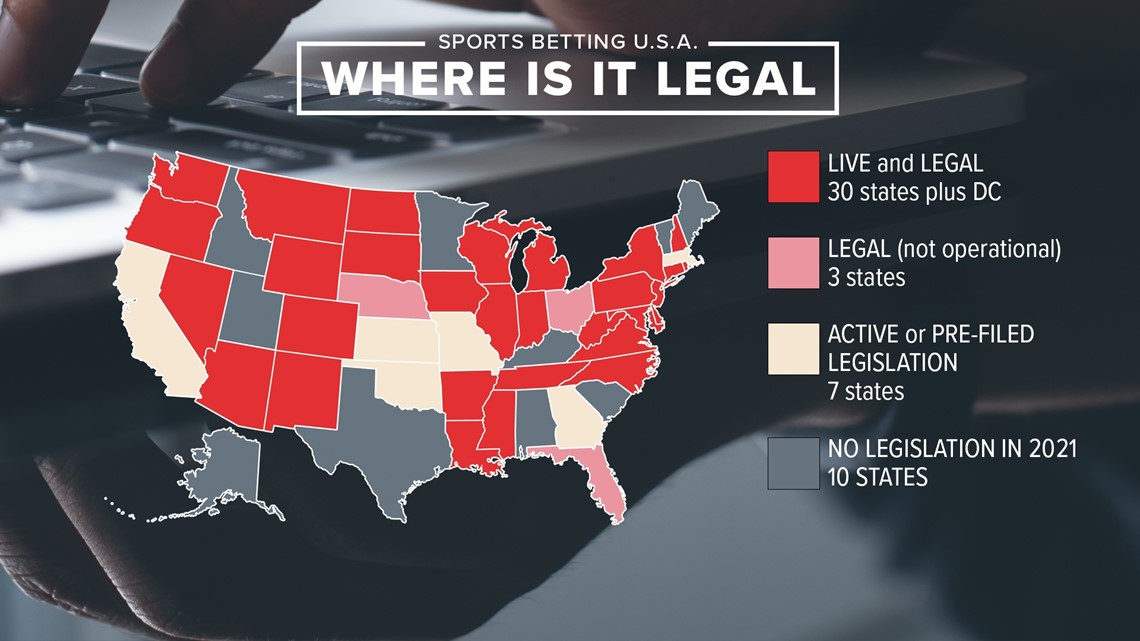
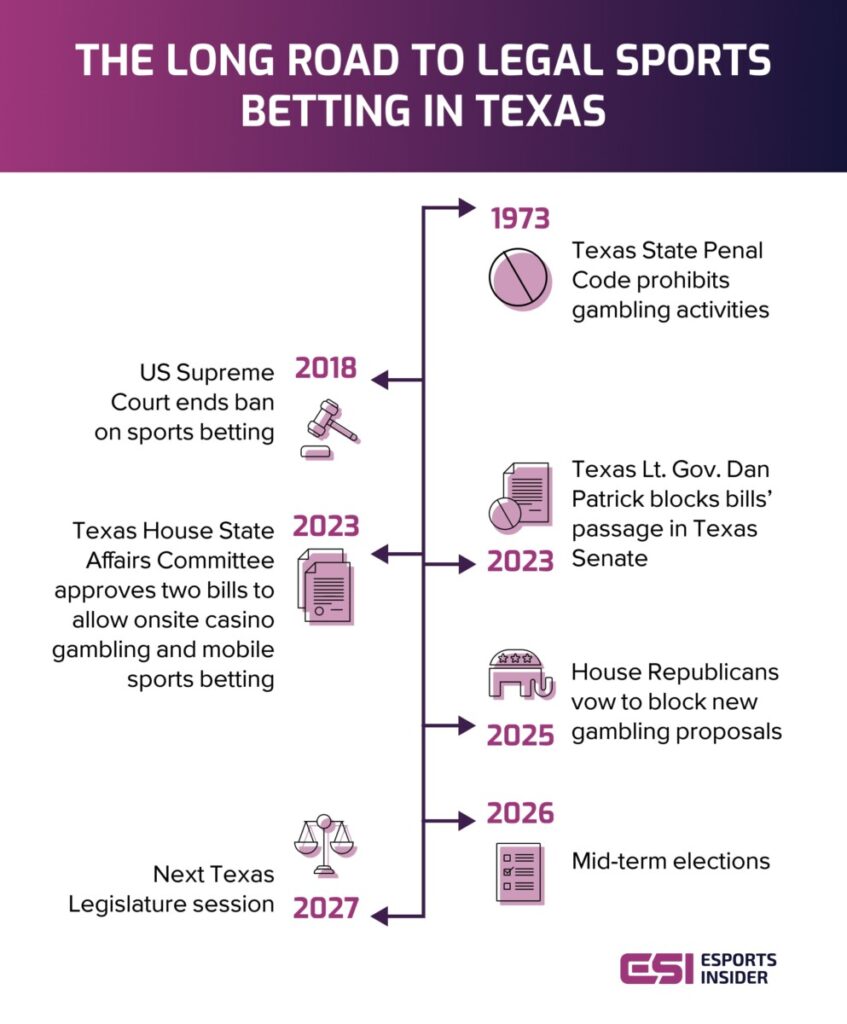
Texas stands out among its peers for its traditionally stringent laws concerning gambling. Unlike states with thriving commercial casino industries, the Lone Star State has largely maintained a conservative approach, making most forms of gambling illegal under its penal code. This long-standing prohibition is deeply rooted in the state’s cultural and political history, often influenced by strong conservative viewpoints. While efforts to expand gambling have been made over the years, they have generally faced significant hurdles, reflecting a cautious legislative environment.
The general illegality of most traditional casino games – think slot machines, blackjack, roulette, and poker rooms – means that visitors won’t find the sprawling integrated resorts common in other parts of the United States. This absence defines a different kind of travel experience in Texas, one where the focus is firmly shifted away from gaming tables and towards its rich cultural tapestry, historical sites, and natural wonders. For travelers accustomed to integrating casino entertainment into their holiday plans, a trip to Texas requires a recalibration of expectations, encouraging exploration of its unique local culture, diverse food scenes, and a plethora of activities that don’t involve wagering. However, the picture is not entirely black and white; there are specific, legally sanctioned exceptions that cater to certain types of gaming, offering limited opportunities for those seeking a flutter within the state’s borders.
Understanding Permitted Gambling Activities in Texas
Despite the general prohibition, several forms of gambling are legally permitted in Texas, each with specific regulations and purposes. These exceptions provide limited avenues for betting within the state’s legal framework, often tied to state revenue generation or charitable causes.
-
The Texas Lottery: This is by far the most widespread and accessible form of legal gambling in Texas. Established in 1991, the Texas Lottery offers various games, including scratch-offs, daily draws, and multi-state jackpot games like Powerball and Mega Millions. Proceeds from the Texas Lottery primarily benefit public education and veterans’ services, making it a state-sanctioned method of generating revenue for important public programs. For visitors, purchasing a lottery ticket is a common and legal way to participate in a game of chance.
-
Pari-Mutuel Wagering: Betting on horse and greyhound races is legal in Texas at licensed racetracks. This form of gambling, where all bets of a particular type are placed together in a pool, and payouts are calculated by sharing the pool among winning bets, is a long-standing tradition. Prominent tracks like Lone Star Park in Grand Prairie and Retama Park near San Antonio offer live racing and simulcast betting, providing a taste of the trackside excitement for enthusiasts. While not a casino experience, it offers a distinct form of entertainment for those interested in sports betting.
-
Charitable Bingo: Licensed non-profit organizations are allowed to conduct bingo games for charitable purposes in Texas. These games are regulated by the Texas Lottery Commission, ensuring that proceeds genuinely go towards community support and philanthropic endeavors. Visitors may find opportunities to participate in local bingo nights, offering a social and low-stakes gaming experience that contributes to local causes.
-
Native American Gaming: The only full-fledged casino operation on land within Texas is the Kickapoo Lucky Eagle Casino, located on the reservation of the Kickapoo Traditional Tribe of Texas near Eagle Pass, close to the Mexico border. Operating under federal Indian Gaming Regulatory Act (IGRA) regulations, this casino offers a range of slot machines, bingo, and poker tables. For travelers seeking a traditional casino environment, this is the primary destination within the state, providing a unique accommodation and entertainment option in a less-traveled part of Texas.
-
Social Gambling: Texas law makes a distinction for “social gambling” – games played in a private place, where no one profits from operating the game (e.g., house takes no cut), and participants compete on equal terms. This typically covers friendly poker nights or card games played among friends or family, as long as the host isn’t making a profit from the activity itself. This exception highlights the state’s intent to regulate commercial gambling operations rather than personal, private recreational activities.
-
Cruises to International Waters: A unique loophole allows for gambling on cruise ships that depart from Texas ports, such as Galveston. Once these vessels enter international waters (typically 12 miles offshore in the Gulf of Mexico), they are no longer subject to Texas state law, and onboard casinos can legally operate. This presents an appealing option for travelers who wish to combine a cruise vacation with casino entertainment, enjoying the amenities of resorts at sea.
Gambling’s Impact on Texas Travel and Tourism
The restricted gambling environment in Texas significantly shapes the state’s travel and tourism industry, steering its focus towards its inherent cultural, historical, and natural assets. Unlike destinations that heavily market their casinos and integrated resorts, Texas curates a different kind of visitor experience, emphasizing authentic Texan charm, diverse landscapes, and a rich array of activities that appeal to a broader demographic, including families, history buffs, and outdoor adventurers.
The absence of widespread commercial casinos means that major cities like Houston, Dallas, Austin, and San Antonio develop their tourism infrastructure around non-gaming attractions. This fosters a vibrant scene of museums, art galleries, live music venues, professional sports, and culinary excellence. Visitors planning accommodation will find an extensive range of hotels, from luxury suites and resorts in urban centers to charming boutique hotels and unique apartments, all designed to cater to diverse travel styles and preferences. The lifestyle associated with Texas tourism leans into experiences that are less about the roll of the dice and more about immersion in local culture, exploration of landmarks, and enjoyment of the state’s natural beauty. This contrast with gambling-centric states encourages a more wholesome approach to travel, where the entertainment budget might be allocated to exquisite dining, memorable tours, or unique shopping experiences rather than gaming floors.

Exploring Texas Beyond the Card Table
For travelers to Texas, the opportunities for unforgettable experiences extend far beyond any gaming tables. The state’s vastness and diversity ensure that there is something for every interest, making it a premier destination for a variety of travel preferences.
-
Cultural and Historical Landmarks: Texas is steeped in history, offering numerous iconic landmarks. In San Antonio, the revered Alamo stands as a testament to the state’s fight for independence, surrounded by the picturesque Riverwalk, offering charming hotels and vibrant tourism. Houston hosts the NASA Johnson Space Center, a must-visit for space enthusiasts, alongside world-class museums in its Museum District. Dallas boasts significant historical sites and impressive architecture, while Austin, the state capital, is known for its live music scene and unique local culture.
-
Outdoor Adventures: The natural beauty of Texas is breathtaking and varied. From the majestic mountains and desert landscapes of Big Bend National Park and Guadalupe Mountains National Park in West Texas to the pristine beaches of Galveston and South Padre Island, there are endless opportunities for hiking, biking, birdwatching, and water sports. These destinations provide ample options for accommodation, from rustic cabins to beachfront resorts, catering to different styles of exploration.
-
Culinary Delights: Texas is a food lover’s paradise, renowned globally for its distinct culinary traditions. Travelers can indulge in authentic Tex-Mex cuisine, savor mouth-watering BBQ from acclaimed pitmasters across the state, and explore burgeoning fine dining scenes in its major cities. Food tours and local eateries offer a profound insight into the state’s heritage and contemporary tastes.
-
Vibrant City Life: Each major city in Texas offers a unique urban experience. Austin is the “Live Music Capital of the World,” offering countless venues and festivals. Dallas and Houston are cultural powerhouses with diverse arts districts, shopping, and entertainment options. San Antonio’s Riverwalk offers a romantic ambiance with riverside dining and attractions. These cities provide a plethora of accommodation choices, from luxury hotels offering opulent amenities to more budget-friendly options for family trips.
-
Accommodation Options: The range of accommodation in Texas caters to every budget and preference. Visitors can choose from upscale hotels in downtown Dallas or Houston, charming bed and breakfasts in historic districts, family-friendly resorts with extensive amenities, or even unique glamping experiences in natural settings. Booking platforms and reviews help travelers find the perfect stay, whether it’s for a long-term visit or a quick weekend getaway.
The Future of Gambling in Texas
The discussion surrounding gambling legality in Texas is far from settled. Over recent legislative sessions, proposals to expand gambling, particularly to allow destination resort casinos in major metropolitan areas, have gained increasing attention. These debates are often driven by economic arguments, highlighting the potential for significant state revenue, job creation, and increased tourism that expanded gambling could bring. Proponents frequently point to the success of neighboring states like Louisiana and Oklahoma, which have embraced casino gaming and reaped considerable economic benefits from both their own residents and Texan visitors crossing state lines.
Conversely, strong opposition to expanded gambling persists, often citing concerns about potential social costs, such as increased crime rates, gambling addiction, and the erosion of community values. These moral and ethical arguments hold considerable sway in the politically conservative landscape of Texas. As a result, any legislative changes typically face an uphill battle, requiring broad bipartisan support that has historically been challenging to secure. However, the allure of substantial tax revenue, especially in an era where state budgets are frequently under pressure, ensures that the debate over the future of gambling in Texas will continue to be a prominent feature of its political discourse. For travelers and those interested in the evolving lifestyle trends, keeping an eye on these legislative developments is key, as any significant shift could drastically alter the tourism and entertainment landscape of the state.
Planning Your Texas Getaway: What to Expect
When planning a trip to Texas, travelers should approach their itinerary with the current gambling laws in mind. While the widespread casino experience might not be readily available, the state offers an unparalleled wealth of alternative entertainment and experiences that truly embody the spirit of the Lone Star State.
Navigating the legalities is straightforward for visitors: assume that commercial casino gambling is generally illegal, with the few specific exceptions mentioned above. If casino gaming is a priority, consider the Kickapoo Lucky Eagle Casino for a dedicated land-based experience or explore cruise options departing from Galveston for offshore gaming. Otherwise, embrace the rich tapestry of other adult entertainment options, from vibrant nightlife in Austin’s Sixth Street to upscale dining and theater in Dallas and Houston.
The unique Texan hospitality is a cornerstone of the visitor experience. Whether you’re staying in a luxurious resort, a charming boutique hotel, or a family-friendly accommodation, expect warm welcomes and excellent service. Focus on the diverse attractions, cultural immersion, and outdoor activities that make Texas a truly distinctive travel destination. From exploring historical landmarks to savoring regional cuisine, your Texas getaway promises a memorable adventure, full of authentic experiences that celebrate the state’s heritage and dynamic present, all without relying on the roll of the dice.
In conclusion, while the question “Is gambling legal in Texas?” yields a nuanced answer – yes, in limited, specific forms – it certainly doesn’t detract from the state’s immense appeal as a travel destination. Texas offers a vast and varied menu of attractions, from bustling metropolitan centers to serene natural parks, all supported by a robust tourism and accommodation infrastructure. For those seeking travel adventures rich in culture, history, and unique lifestyle experiences, Texas delivers, casino or not.
LifeOutOfTheBox is a participant in the Amazon Services LLC Associates Program, an affiliate advertising program designed to provide a means for sites to earn advertising fees by advertising and linking to Amazon.com. Amazon, the Amazon logo, AmazonSupply, and the AmazonSupply logo are trademarks of Amazon.com, Inc. or its affiliates. As an Amazon Associate we earn affiliate commissions from qualifying purchases.