
Understanding the intricacies of healthcare coverage is a critical aspect of personal and family well-being, particularly in a vast and diverse state like Texas. For many residents, Medicaid represents a vital lifeline, offering access to essential medical services that might otherwise be financially out of reach. While the eligibility criteria can seem complex, grasping the fundamental requirements is the first step toward securing this crucial support. This guide aims to demystify who qualifies for Medicaid in Texas, providing clear insights into the programs, application process, and what it means for the diverse lifestyles of Texans.
In a state celebrated for its unique blend of bustling metropolises like Houston, Dallas, and Austin, serene natural beauty, and iconic landmarks such as The Alamo or the San Antonio Riverwalk, residents’ lives are as varied as the landscapes. From families planning budget-friendly trips to state parks like Big Bend National Park to individuals seeking long-term accommodation for work or leisure, the peace of mind that comes with reliable healthcare coverage can significantly impact one’s ability to pursue their desired lifestyle. Whether you’re a long-time Texan or considering a move to the Lone Star State – perhaps drawn by its economic opportunities or cultural tourism – understanding your healthcare options is paramount, enabling you to explore travel, enjoy local attractions, and simply live life to its fullest, without the constant worry of medical expenses.
Understanding the Fundamentals of Medicaid Eligibility in Texas
Medicaid in Texas is primarily administered by the Texas Health and Human Services Commission (HHSC). Unlike some states that expanded Medicaid under the Affordable Care Act (ACA), Texas maintains stricter eligibility criteria, focusing on specific categories of low-income individuals. This means that merely being low-income does not automatically guarantee qualification; applicants must also fit into one of the designated eligibility groups. This unique landscape makes it even more important for Texans to be informed about their options.
The availability of robust healthcare infrastructure, from specialized medical centers in cities like Houston (home to the world-renowned Texas Medical Center) to community clinics across rural areas, underscores the importance of accessibility. For individuals and families managing chronic conditions, or those simply seeking preventive care, having Medicaid can be the key to maintaining health and, by extension, the freedom to enjoy life’s everyday pleasures and occasional indulgences, such as a short, restorative stay in a comfortable hotel or an experience at a local attraction.
General Requirements: Residency, Citizenship, and Household Dynamics
To qualify for Medicaid in Texas, applicants must first meet several foundational requirements:
- Residency: You must be a resident of Texas. This means you intend to reside in the state and are physically present there. For individuals considering relocation to Texas – perhaps for better job opportunities in Dallas, a vibrant cultural scene in Austin, or to be closer to family – establishing residency is a crucial first step for all state services, including healthcare. It might involve updating your driver’s license, registering to vote, or proving physical presence through utility bills or lease agreements for your accommodation.
- Citizenship/Immigration Status: Applicants must be U.S. citizens or have eligible immigration status. Certain qualified non-citizens, such as lawful permanent residents who have been in the U.S. for at least five years, may also be eligible. Emergency Medicaid services are available to individuals who do not meet these requirements but need urgent medical care, regardless of immigration status.
- Household Composition: Eligibility is often determined by the specific composition of your household, particularly for programs targeting children, pregnant women, or parents. The number of people in your household directly impacts the income limits you must meet. Understanding these dynamics is essential for accurate application, especially for those who might be hosting family members for extended periods or living in shared housing, which can affect household size calculations.
These basic criteria form the entry point for all Medicaid applications in Texas. Whether you’re a student, a retiree, a single parent, or part of a multi-generational household, your journey begins here. Ensuring these fundamental requirements are met allows you to focus on the next steps, potentially opening doors to the peace of mind that comes with knowing your health needs are covered, allowing for greater freedom in planning your lifestyle, from day-to-day routines to aspirational travel.
Income and Resource Thresholds: The Federal Poverty Level in Context
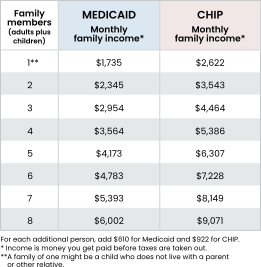
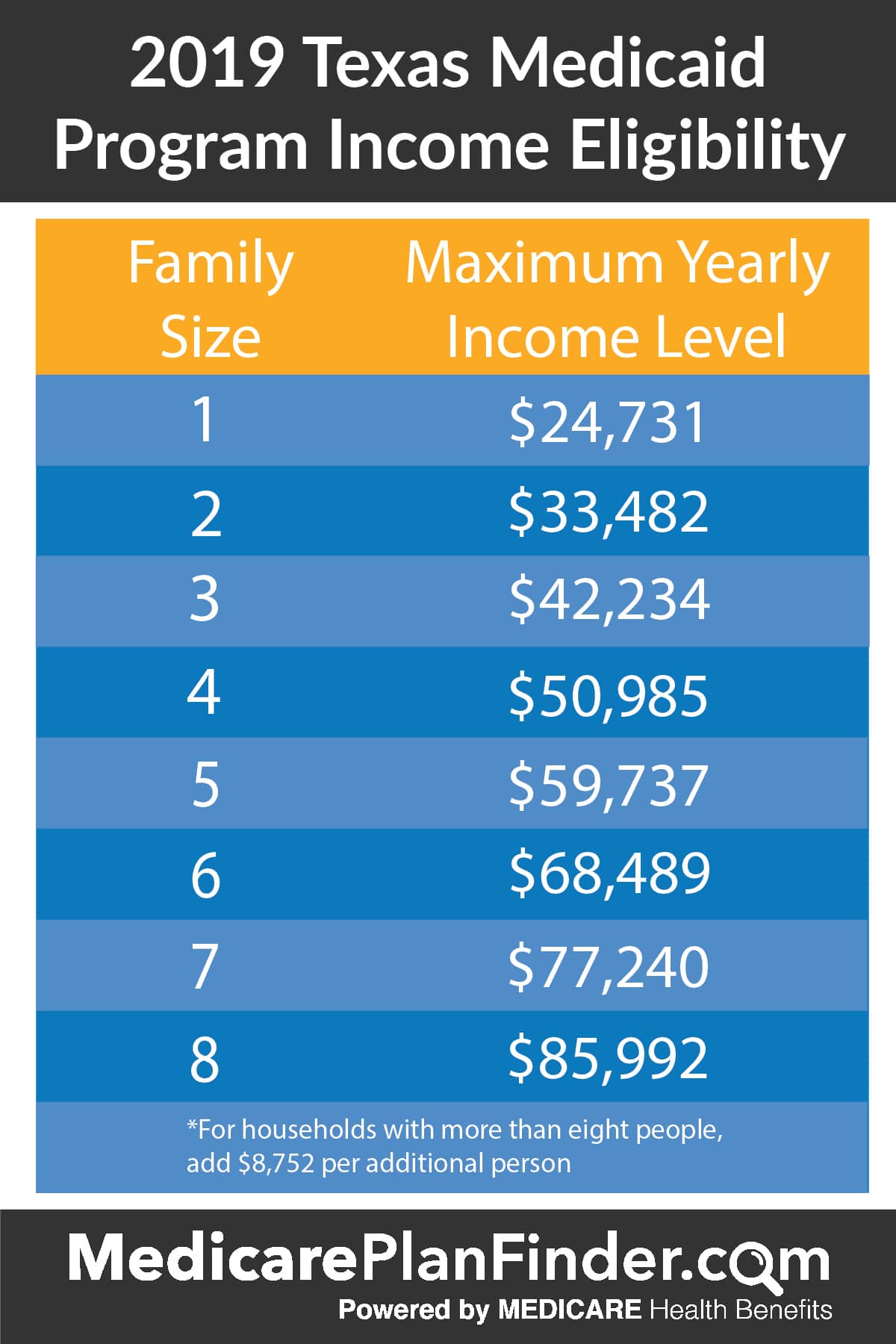
The most significant hurdle for many applicants in Texas is meeting the strict income and resource limits. These thresholds are typically set as a percentage of the Federal Poverty Level (FPL), which is updated annually by the federal government.
- Income Limits: Income is usually counted on a monthly basis and includes wages, self-employment income, Social Security benefits, pensions, and other sources. Because Texas did not expand Medicaid, the income limits for adults without children or disabilities are extremely low, often nonexistent, leading to a “coverage gap” where individuals earn too much for Medicaid but too little to qualify for subsidies on the federal health insurance marketplace. For specific groups like pregnant women, children, and parents, the income thresholds are more generous. For example, a pregnant woman may qualify with an income up to 198% of the FPL, while children may qualify up to 133% or even 200% of the FPL for Children’s Health Insurance Program (CHIP). These nuanced differences highlight why understanding the specific program categories is vital.
- Resource Limits: Resources (also known as assets) include things like bank accounts, real estate (other than your primary residence), vehicles (beyond a certain value or number), and other valuable possessions. For most Medicaid programs, there are strict resource limits (e.g., $2,000 for an individual, $3,000 for a couple). However, certain categories, such as Medicaid for pregnant women and children, do not have resource tests. For seniors or individuals with disabilities applying for long-term care Medicaid, extensive rules regarding resource “spend-down” and asset transfers apply, making it critical to seek expert advice.
For those navigating these financial criteria, every dollar counts. This acute awareness often translates into a mindful approach to personal finance and lifestyle choices. While dreams of luxury travel to exotic destinations or stays at five-star resorts might be aspirational, focusing on budget travel, exploring local Texas attractions, or finding affordable yet comfortable accommodation for family visits becomes more practical. Even a simple weekend getaway to a charming boutique hotel in Fredericksburg or a visit to the Sixth Floor Museum at Dealey Plaza in Dallas requires careful planning and a secure foundation of health.
Diverse Pathways to Coverage: Key Medicaid Programs in Texas
Because Texas has not expanded Medicaid, eligibility is confined to specific groups deemed most vulnerable. These programs target children, pregnant women, families, and individuals with disabilities or those requiring long-term care. Each program has its own set of income and, sometimes, resource guidelines.
Safeguarding Our Future: Medicaid for Children and Pregnant Women
These are among the most generously structured Medicaid programs in Texas, reflecting a strong commitment to maternal and child health.
- Medicaid for Pregnant Women: This program provides comprehensive healthcare coverage throughout pregnancy and for two months postpartum. Income limits are higher than for other adult categories, typically up to 198% of the FPL. There is no resource test for this program. This coverage is crucial not only for the health of the mother but also for the healthy development of the baby, laying a foundation for future family travel and a thriving household lifestyle.
- Medicaid for Children: Children under 19 can qualify for Medicaid with income up to 133% of the FPL. For families whose income exceeds this but is still below 200% of the FPL, the Children’s Health Insurance Program (CHIP) offers low-cost health coverage. Like pregnant women’s Medicaid, there is no resource test for children’s programs. Ensuring children have access to healthcare means they can fully participate in school, sports, and family experiences, whether it’s a day trip to Space Center Houston or a longer family vacation.
These programs underscore the state’s investment in its future generations. For many families, securing this coverage means alleviating significant financial stress, allowing them to allocate resources towards other critical needs, including modest family trips or enhancing their accommodation to better suit growing needs.
Support for Families and Individuals with Disabilities
Other vital Medicaid programs in Texas cater to parents, caregivers, and individuals living with disabilities.
- Medicaid for Parents and Caretakers: This program provides coverage for parents or other caretakers who live with children under 18 (or 19 if still in high school) and meet very low-income requirements, typically around 14-17% of the FPL. This extremely low threshold is a direct consequence of Texas’ non-expansion of Medicaid. Resource limits also apply. For these families, Medicaid is often the only pathway to essential medical care, making financial planning and resource management paramount. While grand travel plans might be distant, the ability to maintain health supports a stable home environment, which is the foundation for any positive lifestyle.
- Medicaid for Individuals with Disabilities: Eligibility for adults with disabilities is primarily tied to receiving Supplemental Security Income (SSI) benefits. If you qualify for SSI, you generally automatically qualify for Medicaid in Texas. For those who have disabilities but do not receive SSI (perhaps due to income slightly above SSI limits or due to assets), there are various waiver programs that provide home and community-based services to help individuals avoid institutionalization. These waiver programs often have their own specific eligibility criteria and waiting lists, and they can be incredibly complex to navigate. Programs like STAR Kids offer coordinated care for children and young adults with disabilities. For individuals with disabilities, ensuring consistent healthcare coverage is not just about medical treatment; it’s about enabling a fuller, more independent life, which includes the potential for accessible travel, visiting landmarks, or finding accommodation that caters to specific needs when exploring Texas’ diverse offerings.
Assisting the Elderly and Those Needing Long-Term Care
Medicaid also plays a crucial role in supporting older adults and those requiring extensive long-term care services.
- Medicaid for the Elderly (65 and Older): Similar to individuals with disabilities, seniors generally qualify for Medicaid if they meet the income and resource requirements for SSI. However, many seniors have Medicare, the federal health insurance program for those 65 and older. For these individuals, Medicaid can act as a secondary payer, covering costs that Medicare doesn’t, such as deductibles, co-pays, and premiums for those who qualify for Medicare Savings Programs (MSP).
- Long-Term Care Medicaid: This program is vital for individuals (of any age, but predominantly seniors) who require nursing home care, assisted living services, or extensive home and community-based services. The financial eligibility for long-term care Medicaid is often more complex, involving look-back periods for asset transfers and specific income/resource caps. For many families, this coverage is essential to manage the exorbitant costs associated with long-term care, providing a safety net that protects family assets and ensures quality care. Planning for long-term care also involves considering local amenities and the proximity of family, which can influence decisions about where to reside and the type of accommodation that best supports their needs and lifestyle. This can sometimes involve relocating within Texas to be nearer specialized care facilities or family support networks, making the geography and local features of Texas cities a consideration.
Navigating the Application Process and Sustaining Your Benefits
Applying for Medicaid in Texas requires diligence and attention to detail. Once approved, understanding how to maintain your eligibility is equally important to ensure continuous access to healthcare services.
Steps to Apply and What to Expect
The application process for Medicaid in Texas is designed to be accessible, though it requires gathering specific documentation:
- Where to Apply: You can apply for Medicaid in several ways:
- Online: The easiest and most common method is through YourTexasBenefits.com. This portal allows you to apply for multiple benefits, including Medicaid, CHIP, and food assistance.
- By Phone: You can call 2-1-1 and select Option 2 to apply or get help with your application.
- In Person: Visit a local HHSC office. This can be beneficial if you need personalized assistance or have complex questions.
- By Mail/Fax: Download an application form from the HHSC website, fill it out, and mail or fax it in.
- Required Documents: Be prepared to provide documentation that verifies your identity, residency, citizenship/immigration status, income, resources, and household composition. This may include birth certificates, driver’s licenses, pay stubs, bank statements, tax returns, and utility bills.
- Interview and Review: After submitting your application, you may be contacted for an interview. The HHSC will review all provided information to determine your eligibility. This process can take several weeks, so patience is key.
For many, the application process itself can feel like a journey, demanding careful navigation and organization. Just as you might plan a detailed travel itinerary for a trip to Mexico or a domestic exploration of Texas’s best attractions, preparing your Medicaid application requires a structured approach to ensure a smooth process and successful outcome.

The Importance of Maintaining Eligibility and Understanding Texas’ Unique Stance
Once approved for Medicaid, your coverage is not necessarily permanent. You must maintain your eligibility through periodic renewals and by reporting any changes in your household circumstances.
- Renewals: Medicaid eligibility is typically reviewed annually. HHSC will send you a renewal packet, which you must complete and return by the deadline to continue receiving benefits.
- Reporting Changes: It is crucial to report any changes in income, household size, address, or other relevant factors to HHSC promptly. Failure to do so could result in an interruption of benefits or, in some cases, the need to repay benefits received improperly.
Understanding Texas’ non-expansion of Medicaid is critical for managing expectations. This means that a significant portion of low-income adults without children or qualifying disabilities remains without a viable pathway to affordable health insurance. This coverage gap impacts hundreds of thousands of Texans and is a subject of ongoing debate and advocacy. While this reality presents challenges for many, for those who do qualify, Medicaid provides an invaluable safety net.
Securing Medicaid benefits contributes significantly to an individual’s overall well-being and ability to engage with life beyond basic survival. It provides the foundation for healthier living, which in turn supports a more active lifestyle. Whether it’s having the health to enjoy local tourism and landmarks in cities like Austin, taking a road trip across the vast Texas landscape, or even planning a stay at a family-friendly hotel for a special occasion, good health is the ultimate enabler. The ability to manage healthcare costs frees up resources that can be used for enhancing one’s quality of life, whether that’s investing in better accommodation, exploring new travel experiences, or simply having peace of mind.
In conclusion, qualifying for Medicaid in Texas is a structured process designed to assist the most vulnerable populations. While the specific criteria necessitate careful review and understanding, the benefits of securing this coverage are profound, offering access to vital healthcare services that empower individuals and families to live healthier, more stable lives, and ultimately, to enjoy the rich array of opportunities and unique lifestyle offerings that the Lone Star State provides.
LifeOutOfTheBox is a participant in the Amazon Services LLC Associates Program, an affiliate advertising program designed to provide a means for sites to earn advertising fees by advertising and linking to Amazon.com. Amazon, the Amazon logo, AmazonSupply, and the AmazonSupply logo are trademarks of Amazon.com, Inc. or its affiliates. As an Amazon Associate we earn affiliate commissions from qualifying purchases.