
The sight of a flag flying at half-staff is universally recognized as a somber symbol, a visual cue that a community, state, or nation is in mourning. For travelers exploring the vast and vibrant landscapes of Texas, encountering flags lowered to this respectful position can prompt a moment of pause, a natural curiosity about the reason behind such a profound display. Whether you’re visiting the bustling metropolis of Houston, the historic streets of San Antonio, or the state capital of Austin, understanding the protocols and significance of flags at half-staff provides a deeper insight into the civic life and cultural fabric of the Lone Star State. This act of remembrance transcends mere protocol; it’s a powerful expression of collective grief, honor, and respect for those who have departed or for tragic events that have deeply impacted society.
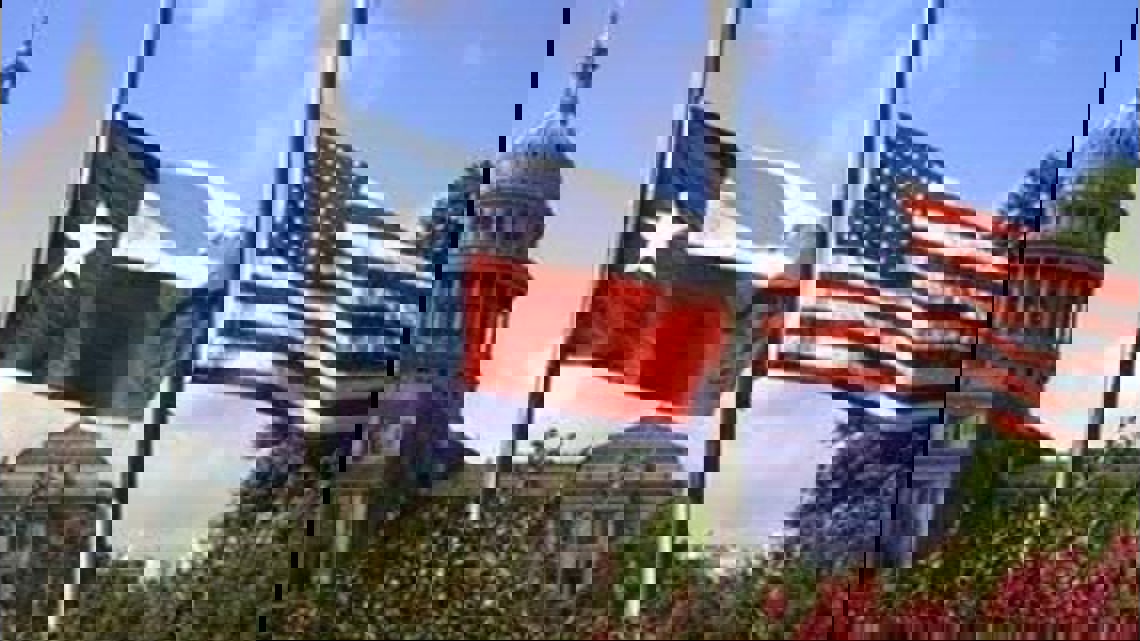
For those immersed in the travel experience, such an observance offers a unique window into the values and traditions of a destination. It’s a reminder that beneath the exciting attractions and bustling lifestyle of any place, there are shared human experiences of loss and tribute that bind communities together. When you see the American flag and the Texas state flag flying solemnly at half-staff across various landmarks and public spaces, it’s an invitation to understand the deeper narrative unfolding within the state.
The Profound Symbolism Behind a Lowered Flag
The tradition of lowering flags to half-staff (or half-mast, in nautical terms) dates back centuries, believed to have originated in the 17th century. It signifies a state of mourning, distress, or remembrance. The concept is that the flag is lowered to make room for an “invisible flag of death” flying at the peak, or simply to show that the flag itself is in mourning, symbolizing a temporary setback or a profound loss for the nation or community it represents.
A Legacy of Respect and Remembrance
The official guidelines for displaying the United States flag are outlined in the United States Flag Code (Title 4, United States Code, Chapter 1). This code dictates not only how the flag should be displayed but also the circumstances under which it should be flown at half-staff. While the code applies nationally, states often have their own supplementary protocols for the state flag, typically mirroring federal guidelines.
The act of lowering a flag is a poignant gesture, communicating without words the depth of respect and collective sorrow felt by citizens. It’s a visual reminder to pause, reflect, and acknowledge a significant loss or tragedy. For instance, on Memorial Day, flags are flown at half-staff from sunrise until noon, honoring fallen service members, then raised to full staff for the remainder of the day, symbolizing that the nation lives on, preserved by the sacrifices of its heroes. Similarly, on Patriot Day, observed annually on September 11th, flags are flown at half-staff all day in remembrance of those who lost their lives in the 2001 terrorist attacks. These national observances are fixed dates when travelers across the country, including Texas, would invariably see flags lowered.
Who Declares the Lowering of Flags?
The authority to order flags to half-staff rests with specific officials, ensuring consistency and solemnity in the observance.
- The President of the United States: The President can issue a proclamation ordering all flags throughout the country to be flown at half-staff. This typically occurs upon the death of a prominent federal official (like a former President, Vice President, or Supreme Court Justice), a member of Congress, or in response to a national tragedy. When the President issues such a proclamation, it is observed by federal facilities, agencies, military bases, and often voluntarily by state and local governments, as well as private citizens and businesses.
- The Governor of Texas: A state governor has the authority to order flags within their state to be flown at half-staff. This is typically done upon the death of a prominent state official (such as a former Texas Governor, a Texas Senator, or a State Representative), a fallen first responder (police officer, firefighter, emergency medical technician), or a service member from Texas killed in action. Governors may also issue such orders in solidarity with a national proclamation or in response to a significant local tragedy that warrants widespread public mourning.
- Local Authorities: While less common for widespread application, mayors or other local government leaders may order flags at municipal buildings to half-staff for local figures or tragedies, often in conjunction with state directives or to supplement them.
When an order is issued, it specifies the reason for the observance and the duration, providing clarity to the public and ensuring a unified show of respect. This command ripples through state government buildings, public schools, courthouses, and can even be adopted by private enterprises, including hotels and commercial establishments, showcasing a collective community response to loss.
Navigating the News: Common Reasons for Half-Staff in Texas
If you see flags at half-staff in Texas today, it’s almost certainly in response to one of several recurring scenarios, either a national directive or a specific state-level declaration.
Honoring Fallen Heroes and Public Servants
One of the most frequent reasons for flags to be lowered is to honor individuals who have made the ultimate sacrifice in service to their country or state.
- Military Personnel: When a service member from Texas is killed in action or passes away in the line of duty, the Governor of Texas will often issue a proclamation. This is a profound way to honor their sacrifice and express the state’s gratitude and sorrow. These tributes are often deeply felt in military-rich areas like San Antonio (often called Military City, USA) or near major bases.
- Law Enforcement and First Responders: Tragically, police officers, firefighters, and other emergency personnel sometimes die in the line of duty. In such cases, the Governor will almost certainly order flags to half-staff, often for a period leading up to and including their funeral. This is a common occurrence across the state, from a Houston Police Department officer to a Dallas Fire-Rescue firefighter or a rural county sheriff. These acts of remembrance underscore the inherent risks these brave individuals undertake daily.
- Prominent Public Officials: The passing of a current or former Texas Governor, a U.S. Senator representing Texas, a Congressman or Congresswoman from Texas, or another high-ranking state official will also trigger a half-staff declaration. This acknowledges their contributions to public service and the impact they had on the state’s governance and welfare.
National Tragedies and Days of Remembrance
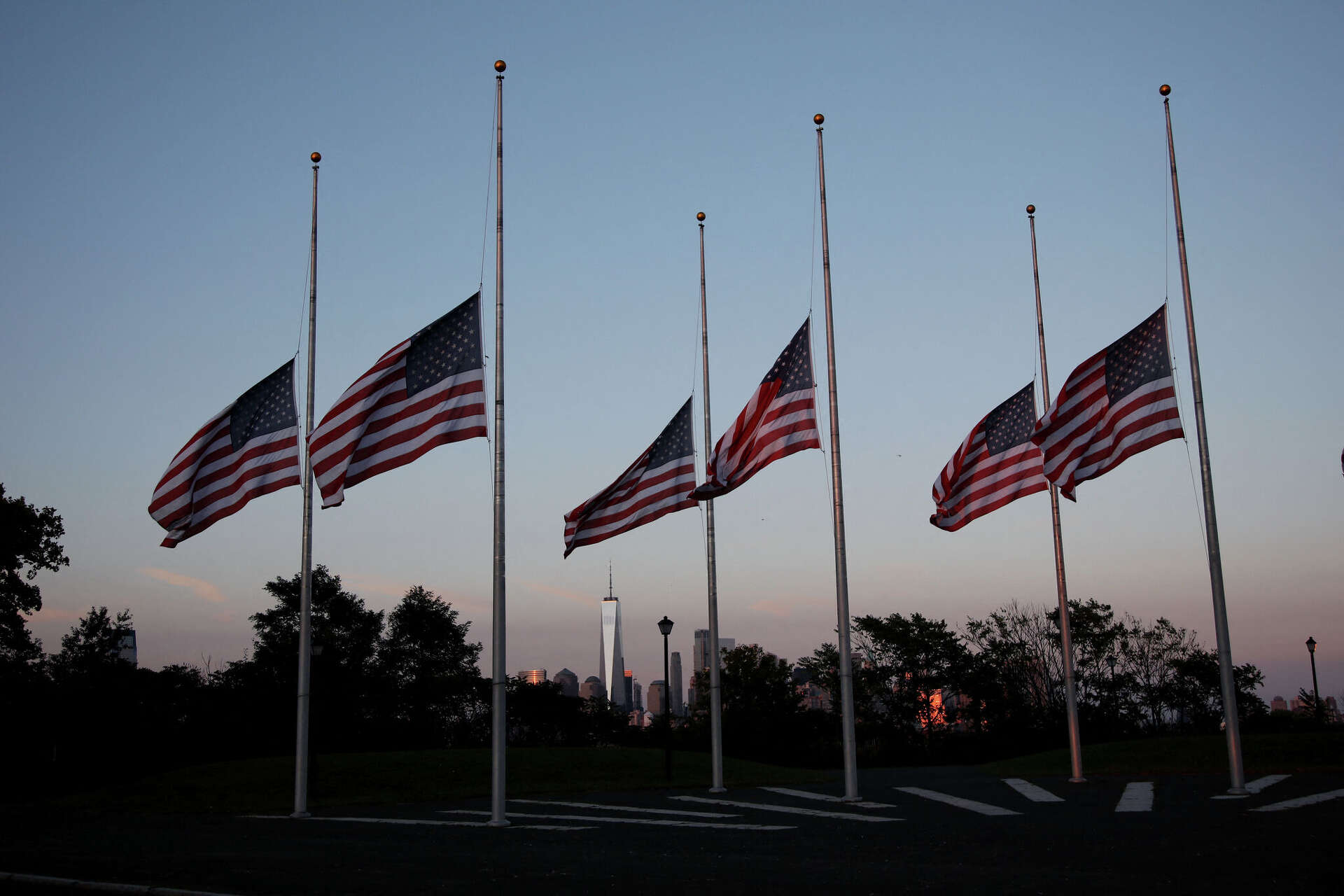
Sometimes, the directive comes from a national level, influencing every state, including Texas.
- Presidential Proclamations: The President might order flags to half-staff for a variety of reasons, from the passing of a foreign dignitary of high standing to a national tragedy, like a mass casualty event or a significant natural disaster in another state. While the initial event might not be in Texas, the symbol of national unity in mourning is observed by all.
- Designated National Days: As mentioned, Memorial Day and Patriot Day are two specific dates when flags are routinely lowered. Other such days might be declared periodically depending on unfolding national events.
Local Impacts and Community Mourning
While less likely to be the reason for statewide half-staff flags, significant local events can sometimes lead to localized observances, or contribute to a broader state directive if the impact is substantial. The passing of a beloved community leader, a local tragedy, or a somber anniversary can prompt a local government or community organizations to observe the half-staff tradition. These instances, though perhaps not declared by the Governor, still reflect the profound respect and solidarity within a specific Texas town or city.
Texas: A State of Rich History and Deep Respect
For anyone engaging in tourism or exploring Texas as a destination, understanding these civic rituals adds a layer of depth to the experience. It connects you to the heartbeat of the state, revealing its values and collective spirit.
Where Travelers Might Encounter These Tributes
Flags at half-staff are typically displayed on government buildings, military installations, public schools, and many private businesses. As a traveler, you’re likely to encounter them at:
- The Texas State Capitol Building in Austin: An iconic landmark, this is perhaps the most visible site for such declarations.
- County Courthouses and City Halls: In cities like Dallas, Houston, San Antonio, and smaller towns alike, these public buildings will prominently display the flags.
- Historical landmarks and Museums: Sites like The Alamo in San Antonio, the San Jacinto Monument near Houston, or the Sixth Floor Museum at Dealey Plaza in Dallas will also observe these protocols, adding another layer of solemnity to their already significant historical narratives.
- Public Parks and Squares: Many public spaces feature flagpoles where these tributes are visibly displayed.
- Hotels and Accommodation Providers: While not legally required, many hotels, particularly larger resorts or those with a strong community presence, will voluntarily observe flag protocols as a sign of respect and solidarity. This is a subtle yet powerful aspect of local lifestyle that can be observed even from your window at a Hyatt Regency or a Marriott Hotel.
The Traveler’s Role: Understanding and Engaging
For the discerning traveler, witnessing flags at half-staff offers more than just a momentary observation; it’s an opportunity for deeper cultural engagement.
- Appreciating Local Customs: Understanding why flags are lowered provides insight into the values and priorities of the Texas community. It highlights a shared respect for service, sacrifice, and the solemnity of loss.
- A Moment for Reflection: Amidst the excitement of exploring new destinations and attractions, a lowered flag prompts a moment of quiet reflection, fostering a connection to the human experience that underlies all tourism.
- Connecting with Texas’s Culture: Beyond the vibrant food scene or exhilarating activities, Texas possesses a deep sense of civic pride and remembrance. Observing these traditions allows you to connect with this profound aspect of Texan culture.
Beyond the Flag: Texas’s Spirit of Resilience and Community
The act of flying flags at half-staff is but one manifestation of a broader lifestyle rooted in respect, community, and remembrance that is deeply ingrained in Texas.
A Lifestyle of Remembrance
The observances surrounding flags at half-staff are an integral part of the civic lifestyle in Texas. They embody a collective commitment to never forget those who have served, sacrificed, or been tragically lost. This shared mourning fosters a sense of unity, even in a state as geographically vast and diverse as Texas. It’s a moment when political differences often recede, replaced by a common bond of humanity. This dedication to remembrance is not just for grand public figures but extends to the everyday heroes and those lost in communal tragedies, reinforcing the tight-knit fabric of Texan communities.

Exploring Texas’s Memorials and Museums
For travelers interested in understanding this spirit of remembrance further, Texas offers a wealth of memorials and museums that provide context and pay tribute to significant people and events.
- Military Memorials: From the National Museum of the Pacific War in Fredericksburg to the Battleship Texas State Historic Site near Houston, these sites honor military service and sacrifice. Visiting them provides a tangible connection to the lives honored when flags are lowered.
- Historical Sites: Places like The Alamo, which commemorates the heroes of the Texas Revolution, serve as perpetual reminders of the state’s foundational struggles and the sacrifices made to forge its identity.
- Civic and Tragic Remembrance: The aforementioned Sixth Floor Museum at Dealey Plaza in Dallas offers a poignant look at the assassination of President John F. Kennedy, a national tragedy that led to a prolonged period of flags at half-staff across the nation.
These landmarks and attractions are not merely historical relics; they are living testaments to the enduring values of Texas – courage, resilience, and an unwavering respect for its past and its people. For any traveler seeking an authentic Texas experience, engaging with these aspects of its culture offers a richer, more meaningful journey.
In conclusion, if you’re in Texas and notice flags flying at half-staff today, it is a deliberate and solemn act of remembrance. It signifies a collective moment of grief, respect, and honor, often for a fallen public servant, a military hero, or in response to a significant tragedy. As you navigate the state’s vibrant cities and scenic landscapes, take a moment to reflect on the meaning behind this powerful symbol. It’s a reminder of the shared human experience and the profound sense of community that defines the Lone Star State, offering a unique perspective on Texas that goes far beyond its tourist attractions and luxury travel offerings. This visual tribute is an invitation to connect with the very heart of Texas and its enduring spirit of resilience.
LifeOutOfTheBox is a participant in the Amazon Services LLC Associates Program, an affiliate advertising program designed to provide a means for sites to earn advertising fees by advertising and linking to Amazon.com. Amazon, the Amazon logo, AmazonSupply, and the AmazonSupply logo are trademarks of Amazon.com, Inc. or its affiliates. As an Amazon Associate we earn affiliate commissions from qualifying purchases.