
Texas, the Lone Star State, is renowned for its vast landscapes, vibrant cities, and a spirit as grand as its open skies. Yet, one characteristic often surprises visitors and defines the daily life of its residents: the wind. From the gusts that sweep across the Panhandle to the steady breezes off the Gulf Coast, wind is an omnipresent force. For travelers planning a visit, understanding why Texas is so windy isn’t just a matter of meteorological curiosity; it’s key to appreciating the state’s natural beauty, planning outdoor activities, and even choosing the perfect accommodation. This distinctive feature shapes everything from its agricultural practices to its burgeoning wind energy industry, making the state a fascinating destination for those interested in the interplay of nature and human endeavor.
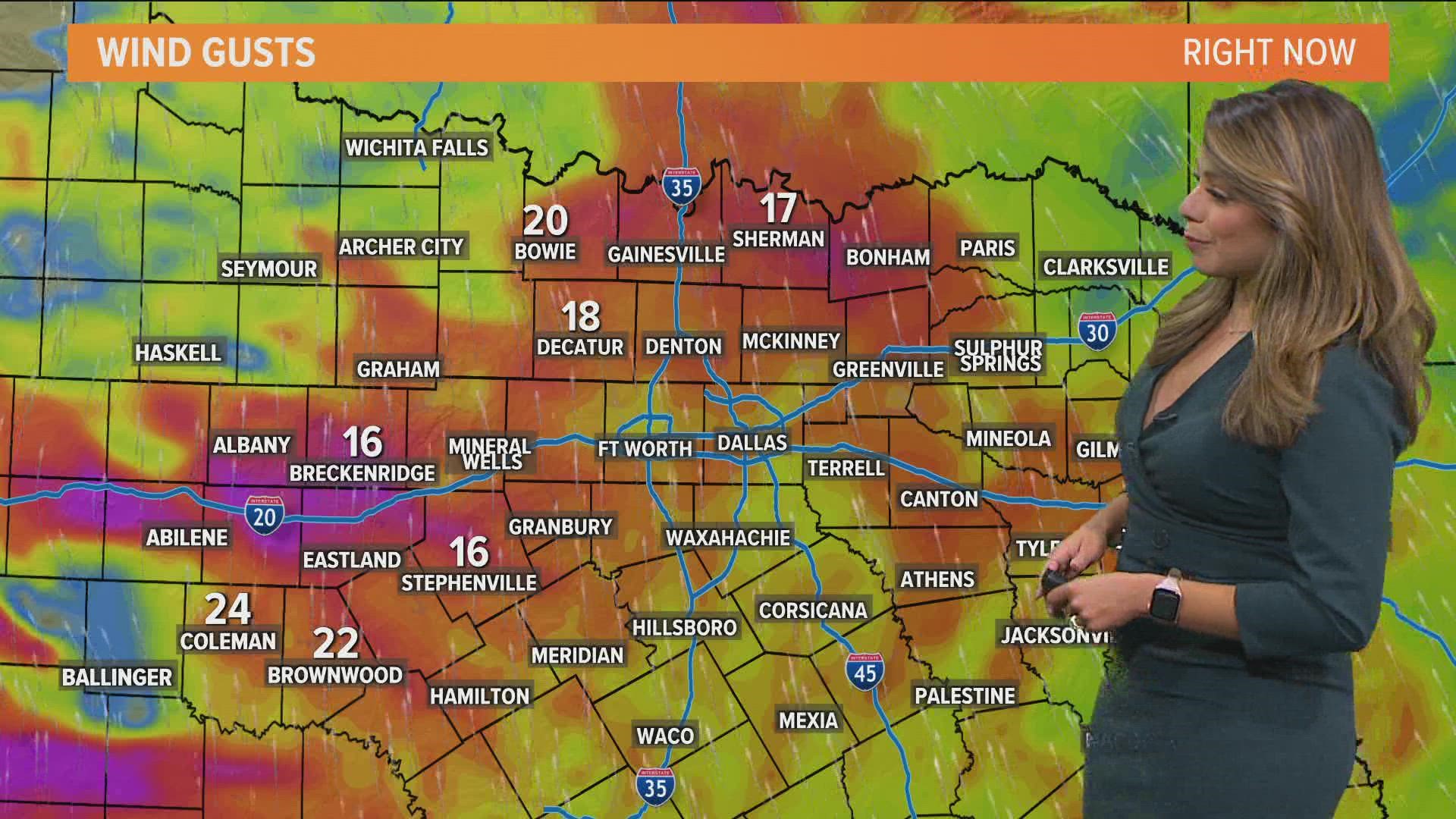
The relentless wind in Texas isn’t just a random atmospheric phenomenon; it’s the result of a powerful combination of geographical features, seasonal weather patterns, and global climate dynamics. These factors converge to create an environment where the air is almost constantly in motion, influencing the state’s tourism landscape, outdoor adventures, and the lifestyle of its diverse communities. Whether you’re considering a relaxing stay at a coastal resort, an adventurous trek through a national park, or exploring the urban delights of Dallas or Houston, understanding the wind will undoubtedly enhance your Texas experience.
The Geographical Canvas: How Texas’s Landscape Invites the Wind
The very topography of Texas plays a foundational role in shaping its windy character. Unlike regions shielded by extensive mountain ranges, much of the state lies exposed to the full force of atmospheric currents, creating a natural conduit for air movement.
The Open Plains: Unimpeded Airflow
A significant portion of Texas is part of the Great Plains, an expansive, largely flat stretch of land that extends across the central United States. This lack of significant natural barriers, particularly in regions like the Panhandle and West Texas, means that prevailing winds encounter little resistance. When air masses move across this vast, unobstructed terrain, they build up speed and force, resulting in persistent and often strong winds.
For travelers, this geographical reality translates into vast, sweeping vistas and unparalleled sunsets, especially in the western and northern parts of the state. Driving across these regions can be an experience in itself, with the wind literally pushing your vehicle, and dust devils frequently dancing in the distance. While this might be a minor inconvenience for some, it’s also part of the raw, untamed beauty that draws adventurers seeking to explore Big Bend National Park or the rugged landscapes near El Paso. The open plains also serve as an ideal environment for wind farms, which have become unintentional landmarks, their massive turbines silently harvesting the very force that defines the region. These impressive structures, like the Roscoe Wind Farm, offer a glimpse into the state’s commitment to renewable energy, transforming a natural element into a source of power and a unique tourist attraction.
Proximity to the Gulf of Mexico: A Constant Dialogue
The Texas Gulf Coast is another major contributor to the state’s windiness, creating a dynamic interplay between land and sea. The expansive Gulf of Mexico acts as a massive reservoir of warm, moist air, constantly interacting with the cooler air over the land. This temperature differential is a primary driver of the coastal breezes, a daily rhythm that impacts everything from beach activities to the local flora and fauna.
Coastal cities such as Galveston and Corpus Christi experience regular sea breezes. During the day, the land heats up faster than the ocean, causing the air above it to rise. Cooler, denser air from over the Gulf then rushes in to fill the void, creating a refreshing, often brisk, onshore wind. At night, the process can reverse, though less strongly. These prevailing winds are not just a pleasant cooling mechanism; they are a fundamental part of the coastal lifestyle. They are what make Corpus Christi Bay a world-renowned destination for kiteboarding and windsurfing, drawing enthusiasts from across the globe. Resorts and hotels along the coast often feature beautifully designed outdoor spaces that account for these breezes, providing sheltered patios or beachfront access ideal for enjoying the salty air without being overwhelmed. The sustained winds also play a role in shaping the unique ecosystems of places like Padre Island National Seashore, where dunes are sculpted by the constant air movement and specialized vegetation thrives in these conditions.
Meteorological Melodies: Understanding Texas’s Weather Patterns
Beyond geography, the complex dance of atmospheric pressure systems and global weather phenomena plays a critical role in orchestrating Texas’s windy reputation. The state’s position on the North American continent makes it a frequent battleground for clashing air masses.
The Clash of Air Masses: Cold Fronts and Thermal Lows
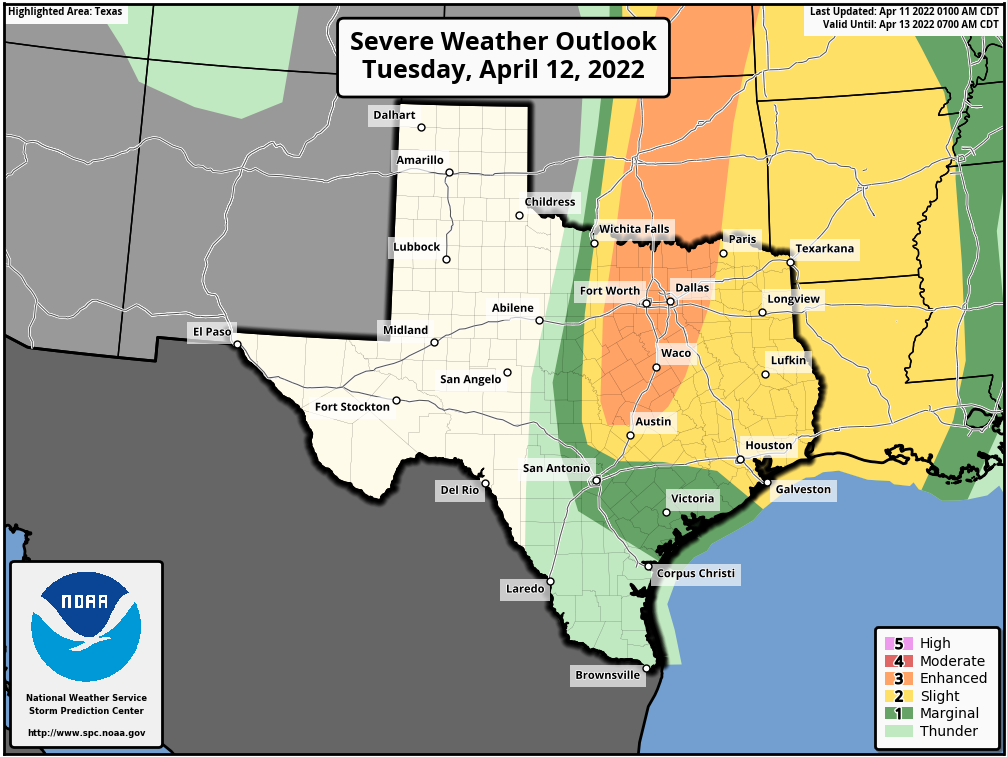
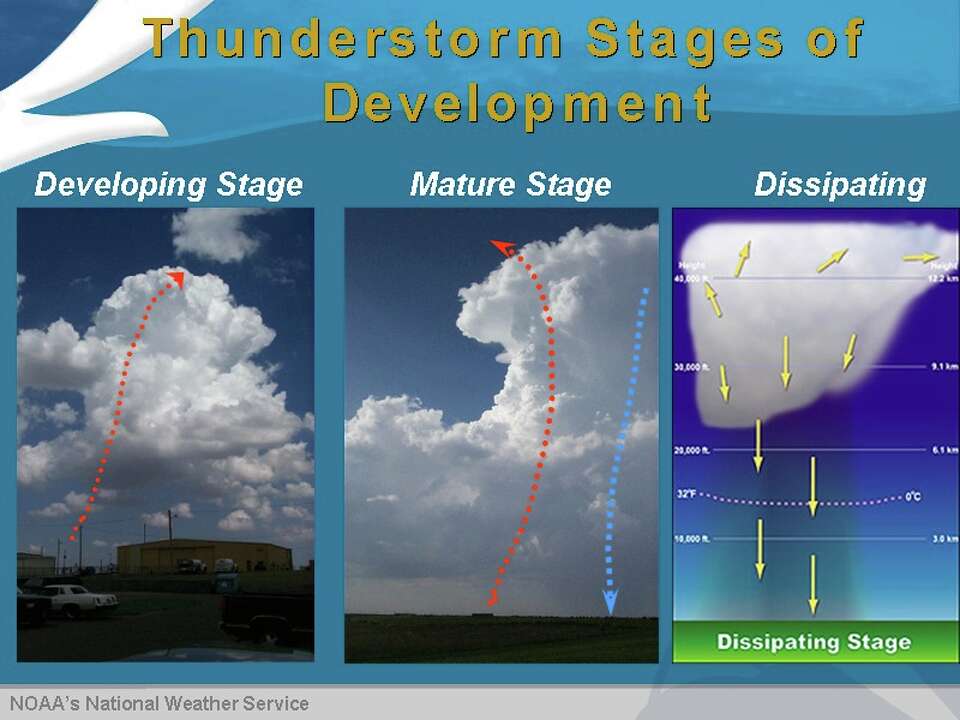
Texas is notoriously famous for its rapidly changing weather, often driven by the frequent passage of cold fronts. These powerful weather systems originate from the north, often sweeping down from Canada and across the Great Plains. When these cooler, denser air masses collide with the warm, moist air originating from the Gulf of Mexico, it creates an incredibly unstable atmospheric environment. This clash of temperatures and pressures doesn’t just bring dramatic temperature drops; it also generates intense winds, often preceding or accompanying severe weather such as thunderstorms, and in springtime, even tornadoes. The wind is often a harbinger of these changes, picking up significantly as a front approaches.
Adding to this dynamic are thermal lows. During the intense Texas summers, the vast landmass heats up significantly, creating localized areas of low pressure. As warm air rises, it creates a vacuum that draws in cooler air from surrounding, higher-pressure areas. These thermal lows can generate sustained, hot winds that contribute to the overall windiness, particularly in West Texas and the Rio Grande Valley. For travelers, understanding these patterns is crucial for planning. While a breezy day can be pleasant, strong frontal winds can make outdoor activities challenging or even unsafe. Many hotels and resorts in Texas are designed with this in mind, offering a mix of sheltered outdoor amenities and inviting indoor spaces, ensuring guests can always find comfort regardless of the weather.
The Jet Stream’s Influence: Upper-Level Dynamics
High above the surface, the jet stream, a fast-flowing, narrow air current, plays a crucial role in steering weather systems and influencing upper-level winds across North America. Texas’s geographical position often places it directly within or near the typical path of the jet stream, particularly during the cooler months. When the jet stream dips southward, it can bring powerful upper-level disturbances that manifest as strong winds at the surface.
These upper-level dynamics can amplify the winds generated by surface-level pressure differences, contributing to prolonged periods of high winds. The jet stream’s position also influences the frequency and intensity of frontal passages, directly impacting the windiness of the state. While less perceptible to the average person, its influence is a constant background factor in Texas’s wind patterns. This interplay of high-altitude and ground-level phenomena creates a complex atmospheric environment, ensuring that the wind remains a defining feature of the Texas landscape and experience.
Experiencing the Texas Wind: Travel, Tourism, and Lifestyle
The constant wind in Texas is not merely a meteorological curiosity; it deeply integrates into the state’s culture, outdoor activities, and the overall lifestyle. For tourists, understanding and even embracing the wind can unlock unique experiences and provide valuable insights for planning their journey.
Embracing the Breeze: Activities and Attractions
Far from being a deterrent, the wind in Texas has fostered a vibrant culture of activities that thrive on its presence. The state’s status as a leader in wind energy production has turned its vast turbine farms into unexpected landmarks. Wind energy tourism is on the rise, with visitors marveling at the sheer scale of operations like the Roscoe Wind Farm or those dotting the Panhandle. These sites offer incredible photography opportunities against dramatic, often cloud-swept skies.
For adrenaline seekers, the Texas Coast is a premier destination for wind sports. Corpus Christi Bay, with its consistently strong and shallow waters, is internationally recognized for kiteboarding and windsurfing. Local tour operators and schools cater to all skill levels, from beginners taking their first lesson to seasoned pros looking for their next challenge. Even casual beachgoers enjoy the refreshing breeze that keeps the Texas heat at bay, making activities like beachcombing, fishing, or simply relaxing more comfortable.
Inland, outdoor recreation like hiking in the Hill Country or cycling across the open plains can be exhilarating, offering a profound sense of freedom and immersion in nature. However, it’s wise to consider the wind direction and intensity, as a headwind can make a seemingly easy trek quite challenging. Exploring landmarks like the Guadalupe Mountains National Park or the dramatic canyons formed by the Brazos River and Red River offers powerful encounters with nature, where the wind is an integral part of the sensory experience, carrying the scents of the landscape and the sounds of distant wildlife.
Accommodating the Gusts: Tips for Travelers
When planning your Texas adventure, a mindful approach to the wind can significantly enhance your comfort and enjoyment. Choosing the right accommodation is a good starting point. Many modern hotels and resorts in major cities like Austin, San Antonio, and Fort Worth, while not directly coastal, often feature beautiful rooftop patios or courtyards. Opting for those with sheltered outdoor spaces or inviting indoor amenities can ensure you have pleasant options regardless of the wind’s intensity. For stays closer to the coast or in the open plains, considering properties that offer robust window insulation or even wind-resistant patio furniture can make a difference.
Packing essentials for Texas should always include layers, even in summer. A light windbreaker or a versatile scarf can provide much-needed comfort when an unexpected gust rolls through. Sunglasses are also highly recommended, not just for sun protection but to shield your eyes from dust and debris that can be carried on the wind, especially in the drier western regions. When it comes to dining experiences, while many restaurants boast charming outdoor patios, it’s wise to check if they offer windbreaks or have indoor alternatives if you prefer a calmer meal. Many local eateries have adapted to the climate, designing their spaces to offer both open-air and sheltered options.
Finally, driving considerations are crucial. High-profile vehicles, such as RVs or large trucks, can be particularly affected by crosswinds, especially on open highways. Being aware of weather forecasts and adjusting travel speeds accordingly is advisable. In West Texas, strong winds can also kick up significant dust, creating temporary “brownout” conditions that require increased caution. Ultimately, the wind in Texas is more than just a weather phenomenon; it’s a character, a constant companion that shapes the landscape, defines unique experiences, and contributes to the distinct charm of the Lone Star State. Embracing it, understanding it, and planning for it allows visitors to truly immerse themselves in the authentic spirit of Texas.
LifeOutOfTheBox is a participant in the Amazon Services LLC Associates Program, an affiliate advertising program designed to provide a means for sites to earn advertising fees by advertising and linking to Amazon.com. Amazon, the Amazon logo, AmazonSupply, and the AmazonSupply logo are trademarks of Amazon.com, Inc. or its affiliates. As an Amazon Associate we earn affiliate commissions from qualifying purchases.