
Planning a trip to the Heart of Dixie, or perhaps considering a more permanent stay in Alabama? Understanding the local financial landscape, particularly sales tax, is an often-overlooked yet critical component of effective budgeting. From the sun-drenched beaches of Gulf Shores to the bustling urban centers of Birmingham and Huntsville, sales tax can significantly impact the final cost of everything from your hotel stay and restaurant meals to souvenirs and essential travel supplies. For travelers, navigating the diverse tax rates across different cities and counties is key to avoiding unexpected expenses and making the most of your Alabama experience. For residents, it’s a constant consideration in daily expenditures. This comprehensive guide will demystify Alabama’s sales tax system, highlighting its implications for travel, accommodation, dining, and general lifestyle, ensuring you’re well-prepared for your adventure or life in this vibrant Southern state.
Navigating Alabama’s State and Local Sales Tax Landscape
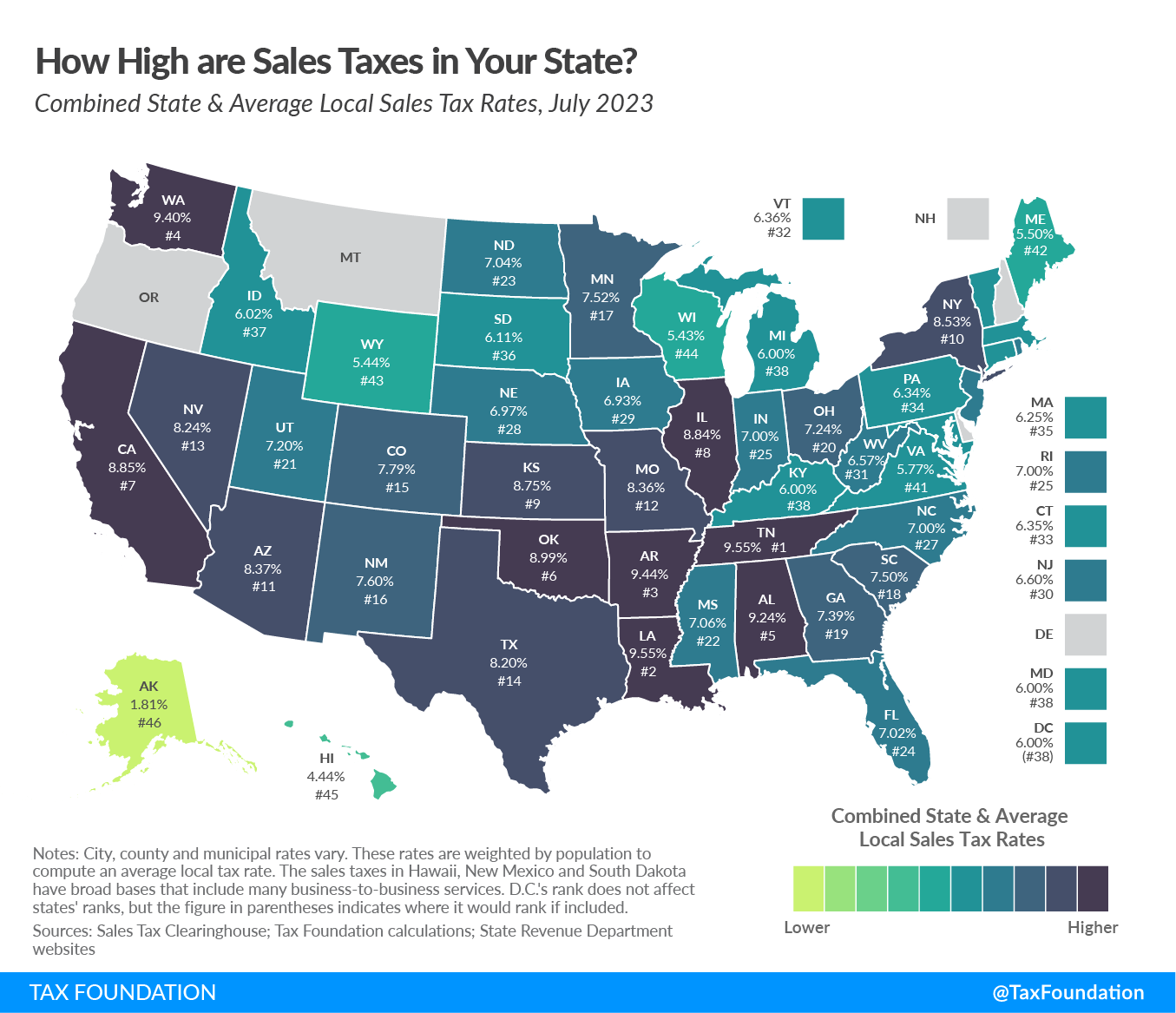
Alabama’s sales tax system is unique in that it combines a relatively low statewide rate with a complex patchwork of local taxes. This layered approach means that the actual sales tax you pay can vary dramatically depending on your exact location within the state, making informed budgeting essential for both visitors and long-term residents.
The Foundation: Alabama’s Statewide Sales Tax
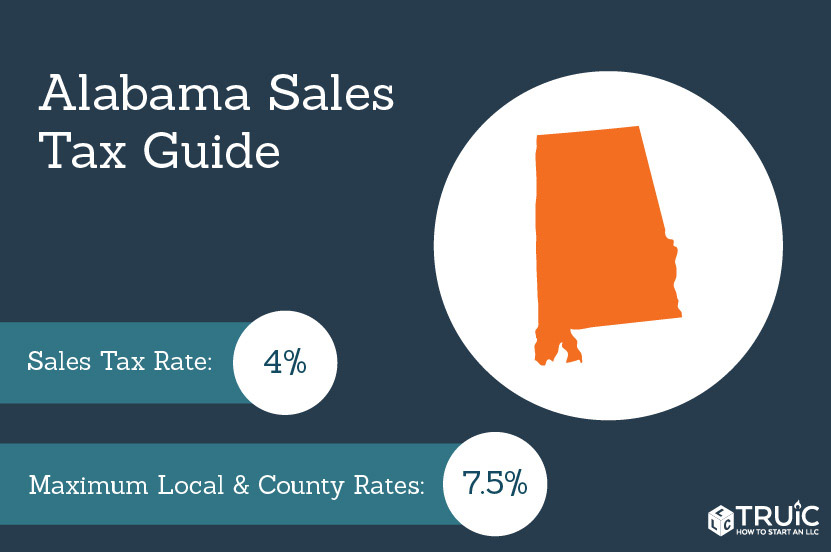
At its core, Alabama imposes a statewide sales tax rate of 4%. This rate applies to the sale of tangible personal property, which includes most goods purchased from retailers. When you buy clothing, electronics, books, or gifts, this 4% is the base rate upon which all other local taxes are added. It’s important to note that, unlike some other states, Alabama’s general sales tax typically does not apply to most services. For example, if you hire someone to paint your house or get a haircut, these services are generally exempt from state sales tax. However, there are exceptions, particularly in the realm of telecommunications, utility services, and certain entertainment activities, where sales tax might be levied. Understanding this distinction is crucial, especially for visitors who might be accustomed to broader sales tax applications in other jurisdictions. This state rate provides a consistent baseline, but it’s only the beginning of the story when considering your total tax burden.
The Local Dimension: City and County Sales Taxes
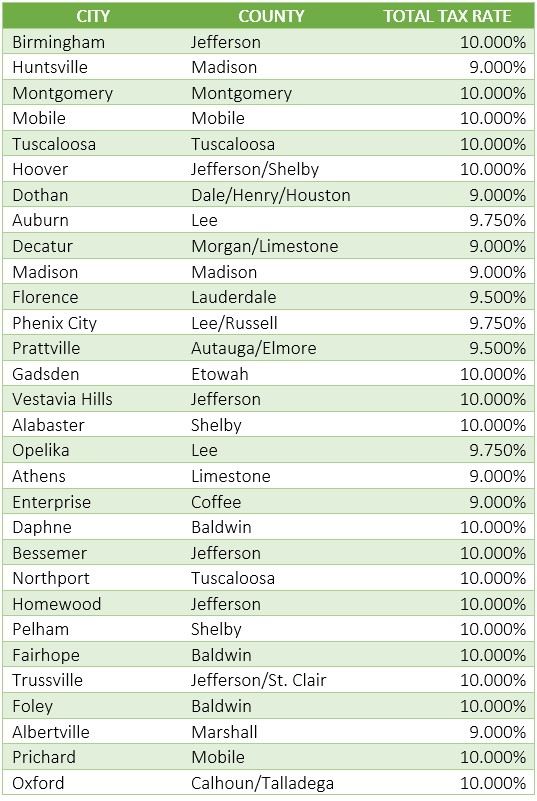
Where Alabama’s sales tax system truly diverges and becomes more intricate is at the local level. Nearly every city and county in the state levies its own sales tax, which is then added on top of the 4% state rate. These local taxes can range anywhere from an additional 1% to as high as 7.5% or more, resulting in total combined sales tax rates that can reach upwards of 11.5% in some areas.
For instance, a visitor shopping or dining in downtown Birmingham will pay a higher combined sales tax rate than someone purchasing the same items just a few miles outside the city limits in an unincorporated county area. In Birmingham itself, the combined sales tax rate (state, county, and city) typically hovers around 10% (4% state + 2.5% Jefferson County + 3.5% City of Birmingham). Similarly, major cities like Montgomery and Mobile also feature high combined rates, generally around 10%. In contrast, other popular destinations like Huntsville might see rates closer to 9% (4% state + 2% Madison County + 3% City of Huntsville), while college towns such as Auburn and Tuscaloosa often have their own specific high rates due to vibrant local economies.
This variability means that a seemingly identical purchase can cost significantly more or less depending on your precise location. For travelers, this emphasizes the importance of checking local tax rates for specific destinations within Alabama before making significant purchases or budgeting for discretionary spending. For example, if you are planning to shop extensively, knowing the difference between the sales tax rate in Florence (often around 9-9.5%) versus Dothan (often around 9-9.5% as well, but can vary by exact jurisdiction) can help you optimize your spending. Local governments utilize these funds to support essential services, infrastructure, and local attractions, contributing to the distinct character of each community. Therefore, while it adds complexity, understanding these local taxes is an integral part of understanding Alabama’s economic landscape.
Sales Tax Beyond Retail: Special Considerations for Travelers
For those exploring Alabama, sales tax extends beyond just the items you might buy in a store. It significantly impacts core travel expenditures such as accommodation, dining, and transportation, directly influencing the overall cost of your trip. Understanding these specific applications is vital for accurate travel budgeting.
Accommodation Taxes: Understanding Lodging and Hotel Stays
Perhaps one of the most significant tax considerations for travelers is the lodging tax, which applies to hotels, motels, resorts, apartments, villas, and other forms of short-term accommodation. In Alabama, lodging tax is a separate and distinct levy from the general sales tax. The state imposes a 4% lodging tax on top of the room rate.
However, just like general sales tax, local jurisdictions often add their own lodging taxes. Many cities and counties impose additional lodging taxes that can range anywhere from 2% to an astonishing 10% or even higher in popular tourist destinations. For instance, in coastal areas like Gulf Shores and Orange Beach, where tourism is the lifeblood of the economy, combined lodging taxes (state, county, and city/tourism district) can frequently push the total tax rate on your room to 13-16% or more. This means that a nightly room rate of $150 could easily incur an additional $20-$24 or more in taxes, a substantial sum over a multi-night stay.
When booking a luxurious suite in a Birmingham hotel, a quaint bed and breakfast in Montgomery, or a family-friendly resort in Dauphin Island, it is absolutely essential to factor in these additional lodging taxes. They are typically itemized separately on your bill, and failure to account for them can lead to your accommodation budget being significantly underestimated. Websites like lifeoutofthebox.com specializing in accommodation booking and reviews often provide breakdowns of these taxes, but it’s always wise to confirm the total price, including all taxes and fees, before finalizing your reservation. Moreover, some jurisdictions may differentiate between traditional hotels/motels and vacation rentals or long-term stays (e.g., beyond 30 days), where tax rules might slightly vary.
Dining Out: Sales Tax on Food and Restaurant Bills
Alabama’s rich culinary scene is a major draw for visitors, offering everything from fresh Gulf seafood to classic Southern barbecue. When you enjoy a meal at a restaurant, coffee shop, or any establishment serving prepared food, the general state and local sales taxes apply. This means that if you’re dining in a city with a combined sales tax rate of 10%, that 10% will be added to your total food and beverage bill.
Unlike some states where groceries (food for home consumption) are exempt or taxed at a lower rate, Alabama generally applies its full sales tax rate to groceries as well, though specific local exemptions or lower rates may exist for certain items in some areas. However, for prepared food in restaurants, the full combined sales tax (state, county, and city) is almost universally applied.
This is particularly relevant for travelers planning to immerse themselves in Alabama’s local culture through its diverse food scene. Whether it’s a fine dining experience in Mobile, a casual lunch in Huntsville, or grabbing snacks for a road trip, budgeting for this additional tax on your food expenses is crucial. A $50 restaurant bill in a 10% tax area will effectively cost you $55. Over the course of a week-long trip, these daily dining taxes can accumulate significantly, especially for families or those indulging in a luxury travel experience with frequent meals out.
Transportation and Activities: Car Rentals and Attraction Tickets
Beyond accommodation and dining, other aspects of your Alabama trip will also be subject to sales tax.
- Car Rentals: If you plan to rent a car to explore the state’s destinations and attractions, sales tax will apply to the rental charges. Furthermore, car rentals often incur additional surcharges and fees, some of which are specific taxes levied by the state or local governments to fund transportation infrastructure or tourism initiatives. These can significantly increase the total cost of your rental, so always review the full breakdown of charges.
- Attraction Tickets: Entrance fees for many of Alabama’s famous places, historic sites, and nature-based attractions are also subject to sales tax. This includes tickets to museums like the Birmingham Civil Rights Institute, the U.S. Space & Rocket Center in Huntsville, or the USS Alabama Battleship Memorial Park in Mobile. While not typically a large percentage of a single ticket price, these taxes can add up if you’re visiting multiple landmarks or engaging in numerous paid activities throughout your trip. Always consider the listed price plus the applicable sales tax when planning your itinerary.
Understanding these specific tax applications allows for a more accurate and stress-free financial plan for your Alabama adventure, ensuring no hidden costs detract from your experience.
Budgeting for Your Alabama Adventure: Practical Tips and Exemptions
Embarking on a journey through Alabama promises rich experiences, but a well-managed budget ensures those experiences are enjoyable and free from financial surprises. Integrating sales tax into your financial planning is a cornerstone of smart travel and lifestyle management in the state.
Planning Your Travel Budget with Sales Tax in Mind
The variable nature of Alabama’s sales tax, particularly the local components, makes proactive budgeting indispensable. Here are some practical tips:
- Research Local Rates: Before you travel, specifically research the combined sales tax and lodging tax rates for each city or county you plan to visit or reside in. Websites of local municipalities or the Alabama Department of Revenue are excellent resources. Knowing, for example, that Orange Beach might have a higher lodging tax than Decatur can help you decide where to allocate more of your accommodation budget.
- Estimate Total Costs: Don’t just look at the listed price for goods, services, or accommodations. Always assume an additional 7-12% (or higher for lodging) will be added to most purchases. For instance, if you’re considering a $100 souvenir, mentally add $7-$12 to its cost. For a hotel room priced at $200 per night in a high-tax tourist area, expect the final bill to be closer to $225-$230 with combined taxes.
- Allocate a “Tax Buffer”: For a trip of any significant length, create a small “tax buffer” in your overall budget. This extra percentage of your estimated spending can absorb any unexpected tax variations or ensure you don’t run short when final bills are presented.
- Consider “All-Inclusive” Options: While less common for general tourism in Alabama, some resorts might offer packages that bundle certain expenses. Always clarify if quoted prices include all taxes and fees to get a true picture.
- Impact on Lifestyle Choices: For residents, understanding these taxes influences daily purchasing decisions, from where you buy groceries to where you choose to live based on property taxes and sales tax rates in different municipalities. Budget travel strategies often involve seeking out lower-taxed areas for accommodation or dining.
Common Sales Tax Exemptions and Special Cases
While sales tax is pervasive, Alabama does offer some notable exemptions and special rules that can benefit both residents and visitors:
- Groceries vs. Prepared Food: As mentioned, Alabama generally taxes groceries (food for home consumption) at the same rate as other tangible personal property. However, some specific local jurisdictions might have a lower rate or an exemption for certain food items, so it’s worth checking if you plan extensive grocery shopping. Prepared food from restaurants or delis is always subject to the full combined sales tax.
- Prescription Medications: Prescription drugs and certain medical devices are typically exempt from sales tax in Alabama. This provides a crucial relief for healthcare costs.
- Certain Services: While some services are taxed, many professional services (e.g., legal, accounting, medical consultation) and personal services (e.g., haircuts, dry cleaning) are generally not subject to sales tax.
- Agricultural Items: Sales of certain agricultural commodities and items used in farming are often exempt.
- Manufacturing Equipment: Purchases of machinery and equipment used directly in manufacturing processes are typically exempt to encourage industrial growth.
- Back-to-School Sales Tax Holiday: Alabama often holds an annual sales tax holiday, usually in July or August, where certain back-to-school items (clothing, school supplies, computers) under a specific price threshold are exempt from state and local sales taxes. While primarily aimed at families, savvy travelers or those considering a long-term stay might find this useful for purchasing certain items. Always check the specific dates and eligible items for the current year.
- Long-Term Stay Accommodation: For individuals staying in a hotel, motel, or other lodging establishment for an extended period, typically beyond 30 consecutive days, the lodging tax may no longer apply, or a reduced rate might be levied. This is an important consideration for business stays, temporary relocation, or even long-term vacation rentals (apartments, villas) when transitioning between accommodations. Always inquire directly with the accommodation provider about their long-term stay tax policies.
Being aware of these exemptions and special cases can potentially lead to savings, enhancing the value of your Alabama experience whether you’re passing through or putting down roots.
Regional Highlights: Tax Implications in Popular Alabama Destinations
Alabama’s appeal lies in its diverse regions, each offering unique experiences. Understanding how sales tax nuances play out in these popular destinations can significantly refine your travel strategy, especially concerning accommodation and activities.
Coastal Escapes: Gulf Shores and Orange Beach
The pristine white sands and emerald waters of Gulf Shores and Orange Beach are undoubtedly Alabama’s premier beach destinations, drawing millions of visitors annually. Here, tourism-related taxes are more prominent due to the high volume of visitors. The combined sales tax on general purchases in these areas can be around 9% to 10% (4% state + county + city). However, the real impact for travelers comes from the lodging tax.
In Baldwin County, which encompasses these cities, the state lodging tax of 4% is augmented by significant local taxes. For example, in Orange Beach, the total lodging tax can reach 13.5% or more (4% state + 3% Baldwin County + 6.5% City of Orange Beach). This means that for a week-long stay at a popular resort or a rented villa near The Wharf at Orange Beach, a substantial portion of your budget will go towards these taxes. When shopping for beach gear, souvenirs, or dining at the numerous seafood restaurants, remember that the general sales tax will also apply. Budgeting for a beach vacation here requires a keen eye on these accommodation-specific levies and general purchases.
Urban Centers: Birmingham, Montgomery, and Huntsville
Alabama’s major cities offer a blend of history, culture, and innovation, each with its own tax profile.
- Birmingham: As the state’s largest city, Birmingham is a hub for business, dining, and historical exploration. Its combined general sales tax rate is one of the highest in the state, often reaching 10% (4% state + 2.5% Jefferson County + 3.5% City of Birmingham). This rate applies to retail purchases, restaurant meals, and various other taxable goods. Lodging taxes in Birmingham also add up, typically around 10-11% (4% state + 3% county + 3% city). When visiting landmarks like the Birmingham Civil Rights Institute or indulging in its acclaimed culinary scene, factor in these rates.
- Montgomery: The state capital, Montgomery, is steeped in history, particularly related to the Civil Rights Movement. The combined sales tax rate here is typically 10% (4% state + 2.5% Montgomery County + 3.5% City of Montgomery). Lodging taxes are also significant, usually around 10-11% (4% state + 3% county + 3% city). Whether you’re exploring the Rosa Parks Museum or enjoying local cuisine, your budget should reflect these consistent rates.
- Huntsville: Known as the “Rocket City,” Huntsville is a center for aerospace and technology. While still substantial, its combined sales tax rate is often slightly lower than Birmingham or Montgomery, typically around 9% (4% state + 2% Madison County + 3% City of Huntsville). Lodging taxes are also usually around 9-10%. For visitors exploring the U.S. Space & Rocket Center or vibrant downtown shops, these rates are a key consideration for travel and lifestyle expenses.
College Towns and Historic Sites: Auburn and Tuscaloosa
Alabama’s bustling college towns, Auburn and Tuscaloosa, home to Auburn University and the University of Alabama, respectively, also have their distinct tax considerations driven by their vibrant student populations and strong local economies.
- Auburn: In Auburn, Lee County (state, county, and city) the combined sales tax rate is often 9% (4% state + 2% Lee County + 3% City of Auburn). Lodging taxes are also around 9-10% (4% state + 3% county + 3% city). For those visiting for game days, campus tours, or enjoying the local dining and shopping scene, these rates are standard.
- Tuscaloosa: The home of the Crimson Tide, Tuscaloosa, often has a combined sales tax rate around 9% (4% state + 2% Tuscaloosa County + 3% City of Tuscaloosa). Lodging taxes typically mirror this, falling in the 9-10% range. From exploring the university campus to experiencing local attractions, these consistent rates influence budgeting for various activities and accommodations.
In all these regions, the impact of sales and lodging taxes underscores the importance of a well-researched budget. Whether you’re planning a luxurious resort stay, a family trip exploring historical landmarks, or considering a new place to live, understanding these tax implications is crucial for a smooth and financially predictable Alabama experience.
In conclusion, while Alabama’s statewide sales tax rate is a modest 4%, the addition of varying city and county taxes, coupled with specific lodging taxes, creates a complex landscape for consumers and travelers alike. From the sun-kissed beaches to the dynamic urban centers, every purchase, meal, and overnight stay will include these additional levies. By taking the time to research the specific rates for your chosen destinations within Alabama and factoring them into your budget, you can ensure a delightful and financially stress-free journey through this beautiful Southern state. Whether you’re seeking adventure, relaxation, or new beginnings, being tax-savvy is your ticket to a truly seamless Alabama experience.
LifeOutOfTheBox is a participant in the Amazon Services LLC Associates Program, an affiliate advertising program designed to provide a means for sites to earn advertising fees by advertising and linking to Amazon.com. Amazon, the Amazon logo, AmazonSupply, and the AmazonSupply logo are trademarks of Amazon.com, Inc. or its affiliates. As an Amazon Associate we earn affiliate commissions from qualifying purchases.