
Nestled in the heart of the American South, Alabama is a state of remarkable natural diversity, a fact often reflected in its varied climate and, consequently, its distinct planting zones. For travelers, understanding these horticultural nuances offers a unique lens through which to explore the state, from its lush coastal plains to its rolling northern foothills. Far from being just a technical detail for gardeners, Alabama’s USDA Plant Hardiness Zones are a key to unlocking its rich agricultural heritage, vibrant natural attractions, and the unique lifestyle experiences that define this charming Southern gem. Whether you’re planning an adventurous getaway, a relaxing resort stay, or a deep dive into local culture, the state’s climate plays an integral role in shaping the landscapes and experiences awaiting you.
This guide delves into Alabama’s climate diversity, connecting its planting zones to the incredible travel, tourism, and lifestyle opportunities that abound. From the best times to visit its iconic botanical gardens to understanding the seasonal bounty of its farm-to-table culinary scene, we’ll explore how the natural environment influences every aspect of a memorable Alabama journey.
Understanding Alabama’s Climate and Planting Zones
At its core, Alabama‘s climate is classified as humid subtropical, characterized by hot, humid summers and mild winters. However, this broad classification encompasses significant variations from the northern mountainous regions to the sunny Gulf Coast. These variations are precisely what dictate the state’s various USDA Plant Hardiness Zones, which serve as a vital tool for understanding what plants can thrive where, and by extension, what natural beauty and agricultural bounty travelers can expect.
The Basics of USDA Hardiness Zones in Alabama
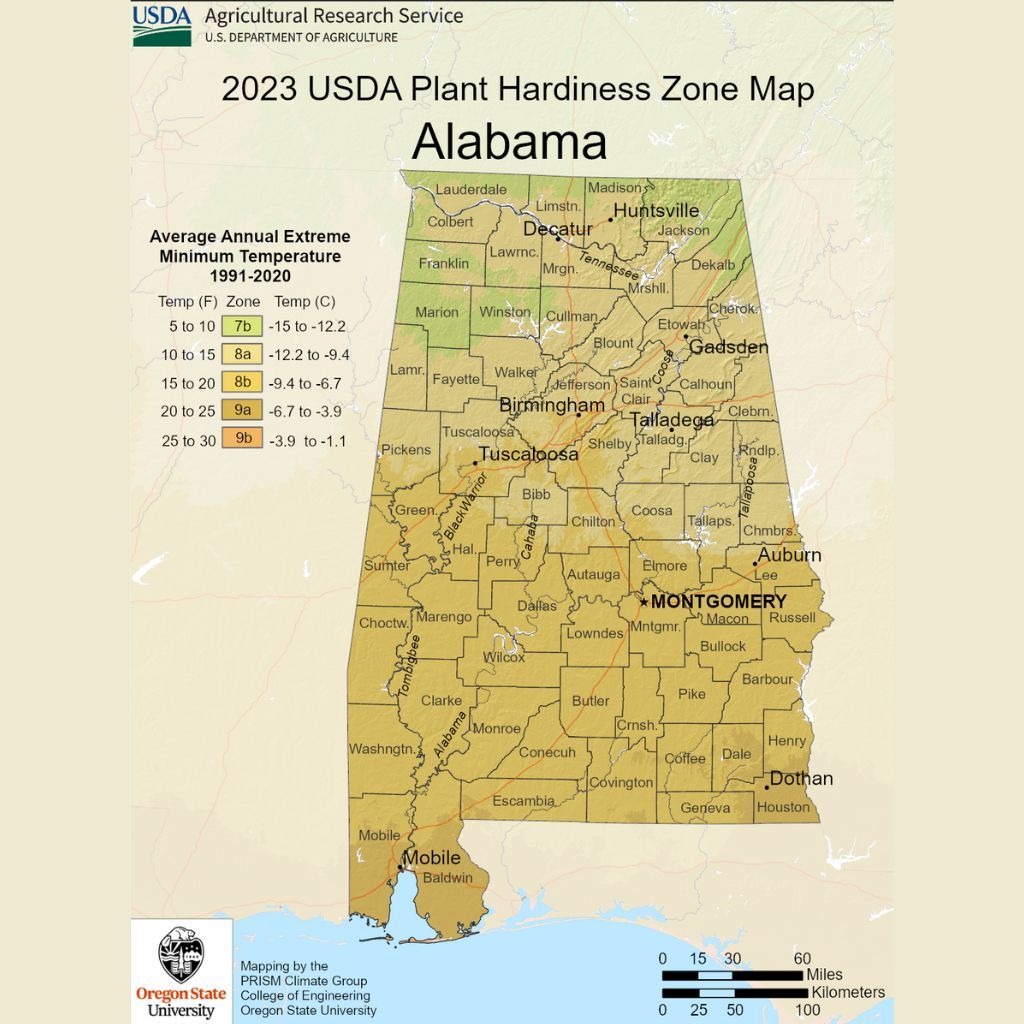
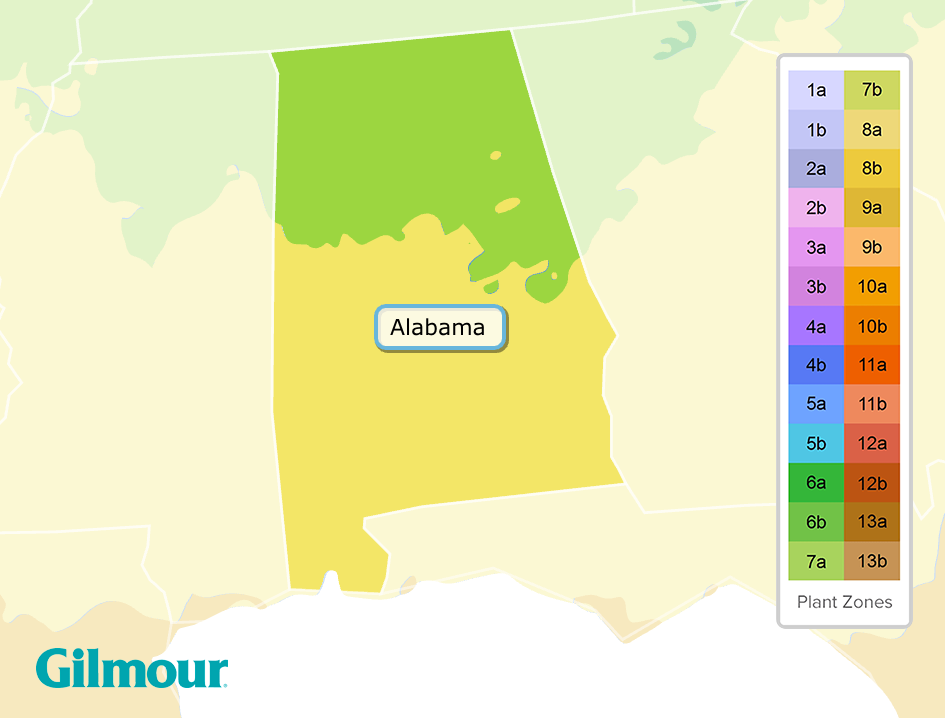
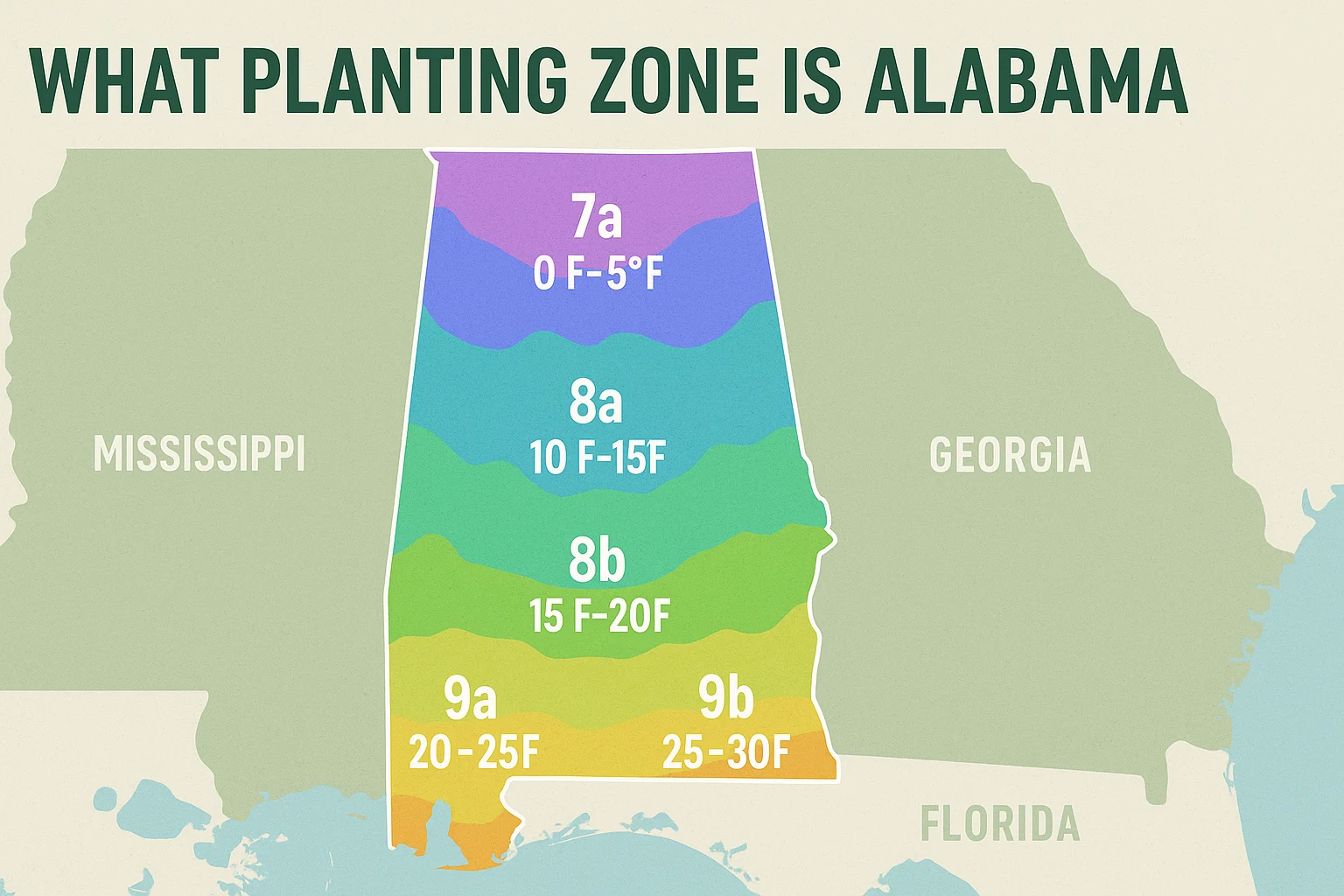
The USDA Plant Hardiness Zone Map divides North America into zones based on the average annual extreme minimum winter temperature. For Alabama, these zones typically range from 7b in the northernmost parts to 9b along the southernmost Gulf Coast.
- Zone 7b (Northern Alabama): This zone covers areas like the Tennessee Valley, including Huntsville and parts of the Appalachian Mountains foothills. Winters here are cooler, with average minimum temperatures between 5°F and 10°F. This allows for a wider array of temperate-zone plants to thrive, impacting everything from local landscaping to the types of forests found in parks such as Monte Sano State Park.
- Zone 8a and 8b (Central Alabama): Encompassing major cities like Birmingham and Montgomery, these zones experience milder winters, with average minimums ranging from 10°F to 20°F. This is a transitional zone where both temperate and some subtropical plants coexist, creating incredibly diverse landscapes. The Birmingham Botanical Gardens, for instance, beautifully showcases this versatility.
- Zone 9a and 9b (Southern and Coastal Alabama): Stretching from areas around Mobile down to Gulf Shores and Orange Beach, these zones rarely see prolonged freezes, with average minimum temperatures between 20°F and 30°F. This tropical-like climate supports palms, citrus, and a profusion of colorful, frost-sensitive flora, making the coastal areas a vibrant paradise for visitors year-round.
Understanding these zones isn’t just for horticulturists; it enriches a traveler’s appreciation for the natural beauty that defines each region of Alabama, influencing everything from the types of outdoor activities available to the local produce found in markets.
Regional Climate Variations Across the State
Beyond the hardiness zones, regional climates within Alabama present their own unique characteristics that appeal to different types of travelers.
- Northern Alabama’s Mountainous Influence: The foothills of the Appalachian Mountains in Northern Alabama boast higher elevations, leading to slightly cooler temperatures and more distinct four seasons. Fall foliage here, particularly in areas like Cheaha State Park, is a spectacle, attracting visitors seeking scenic drives and hiking adventures. The climate also supports a different array of wildlife and plant species, making it ideal for nature enthusiasts and those seeking cooler summer retreats.
- Central Alabama’s Rolling Hills and Rivers: This expansive region, encompassing the state’s agricultural heartland and major urban centers, benefits from a generally mild climate conducive to a wide variety of crops. The numerous rivers, such as the Cahaba River and Alabama River, moderate local temperatures and create fertile floodplains. Travelers here can explore historic plantations, enjoy river-based recreation, and experience the quintessential Southern climate that fosters lush greenery most of the year.
- Coastal Alabama’s Subtropical Oasis: The Coastal Alabama region is distinct, heavily influenced by the Gulf of Mexico. Its subtropical climate ensures warm temperatures for much of the year, perfect for beach vacations and water sports. The high humidity and consistent warmth support unique ecosystems, including barrier islands like Dauphin Island and the vast Mobile-Tensaw Delta, a prime spot for kayaking and birdwatching. This region offers a distinct lifestyle focused on outdoor living, fresh seafood, and vibrant coastal culture, epitomized by charming towns like Fairhope and Magnolia Springs.
Each of these regional climates offers a distinct travel experience, from the rugged beauty of the mountains to the serene beaches of the Gulf Coast.
Alabama’s Natural Landscape: A Haven for Outdoor Enthusiasts and Green Thumbs
The diverse planting zones and regional climates of Alabama have sculpted a landscape that is both stunningly beautiful and incredibly rich in biodiversity. This natural wealth translates directly into a plethora of opportunities for travelers, whether they are keen gardeners, avid hikers, or simply lovers of serene natural beauty. The state’s varied flora and fauna are not just backdrops but integral parts of the travel experience, influencing everything from ecotourism to culinary adventures.
From Coastal Blooms to Mountain Flora
Alabama’s natural flora is a direct reflection of its hardiness zones. In the warmer Zone 9 areas of Coastal Alabama, travelers are greeted by an abundance of palms, vibrant hibiscus, oleander, and camellias, which create a perpetually festive atmosphere. The historic districts of Mobile and the resort areas of Gulf Shores are testament to this, with their streets lined with lush, semi-tropical foliage that offers a feeling of escape. Even in winter, the landscape remains surprisingly green and colorful, a stark contrast to more northern climates.
As one moves north into Zones 8a and 8b (Central Alabama), the landscape transitions to include more temperate species alongside subtropical ones. This is where the iconic Longleaf Pine Forest ecosystems thrive, alongside hardwood forests featuring oaks, hickories, and sweetgums. Spring in these zones is particularly breathtaking, with an explosion of dogwoods, redbuds, and especially the delicate beauty of native azaleas in hues of pink, white, and orange. Parks like Oak Mountain State Park near Birmingham offer extensive trails through these diverse woodlands, providing perfect opportunities for hiking, mountain biking, and wildlife observation.
Further north, in Zone 7b (Northern Alabama), the flora leans more towards classic Appalachian varieties. Here, forests are dominated by robust oaks, maples, and poplars, which transform into a spectacular canvas of fiery reds, oranges, and yellows during the fall. Destinations like Cheaha Mountain, Alabama’s highest point, and sections of the Bankhead National Forest become prime spots for leaf-peeping and experiencing the crisp air of an Alabama autumn. The cooler climate also sustains unique geological features and associated plant life in places like Dismals Canyon, an enchanting natural conservatory.
Agricultural Tourism and Farm-to-Table Experiences
The varied planting zones not only dictate natural landscapes but also significantly influence Alabama’s agricultural output, leading to thriving agricultural tourism and a vibrant farm-to-table movement. Travelers keen on experiencing local culture and food will find a rich tapestry of options.
The fertile soils of Central Alabama and parts of the historic Black Belt region produce a bounty of traditional Southern crops. Visitors can explore numerous working farms offering tours, u-pick opportunities for berries, peaches, and other seasonal fruits, and insights into sustainable farming practices. Farmers’ markets across the state, from Huntsville to Mobile, become lively hubs where local producers showcase their harvest, along with artisan crafts and prepared foods. These markets are not just places to shop; they are community events that offer a true taste of Alabama’s local flavors.
The farm-to-table culinary scene has blossomed in Alabama’s major cities, with chefs increasingly sourcing ingredients directly from local farms. This emphasis on fresh, seasonal produce means dining experiences are constantly evolving, reflecting the best of what the land offers at any given time. From succulent coastal seafood influenced by Gulf waters to heritage pork and seasonal vegetables from inland farms, Alabama’s cuisine is a direct delicious outcome of its diverse climate. Food festivals, often centered around specific crops like peaches or pecans, also provide immersive experiences into the state’s agricultural richness.
Beyond the Garden: Travel, Tourism, and Lifestyle in Alabama
While the planting zones and natural landscapes provide a compelling foundation, Alabama’s appeal as a travel destination extends far beyond its gardens and forests. The state masterfully weaves its natural heritage into a rich tapestry of attractions, accommodations, and lifestyle experiences that cater to every type of traveler. From historical landmarks to modern resorts, Alabama offers a blend of Southern charm, adventure, and relaxation, all set against a backdrop influenced by its diverse climate.
Iconic Landmarks and Attractions Shaped by Nature
Many of Alabama’s most renowned landmarks and attractions are either directly related to its natural environment or enhanced by its climate. The pristine white-sand beaches of Gulf Shores and Orange Beach, nourished by the Gulf of Mexico, are primary draws for vacationers seeking sun and sea. Here, you can find world-class beachfront resorts like the Perdido Beach Resort, offering luxurious stays with breathtaking views and easy access to water sports.
In Mobile, the climate allows for year-round displays of its historic gardens and avenues lined with live oaks dripping in Spanish moss, creating an atmospheric setting for exploring attractions like the USS Alabama Battleship Memorial Park. Further inland, the state parks, such as Cheaha State Park and Little River Canyon National Preserve, provide dramatic vistas, waterfalls, and hiking trails, offering solace and adventure to nature lovers. These natural landmarks also host numerous outdoor events and festivals throughout the year, celebrating everything from wildflowers to migratory birds.
Huntsville, often called the “Rocket City,” might be known for its U.S. Space & Rocket Center, but it also boasts beautiful green spaces and botanical gardens that thrive in its Zone 7b climate. Similarly, Birmingham, while an industrial and civil rights hub (home to the Birmingham Civil Rights Institute and Vulcan Park and Museum), offers the expansive Birmingham Botanical Gardens and Oak Mountain State Park, providing lush escapes within easy reach of the city. These diverse attractions highlight how Alabama’s climate and geography contribute to a multifaceted tourism experience, blending history, adventure, and natural beauty.
Accommodation Choices for Every Traveler
The extensive variety of destinations in Alabama means there are accommodation options to suit every preference and budget, often situated to take full advantage of the local climate and attractions.
For those seeking luxury and relaxation, Alabama offers a selection of exquisite resorts. Along the Gulf Coast in places like Point Clear and Orange Beach, properties like the historic Grand Hotel Golf Resort & Spa provide opulent amenities, championship golf courses, and stunning bay or gulf views, perfect for a pampered getaway. In cities like Montgomery and Mobile, boutique hotels and historic properties, such as the Renaissance Montgomery Hotel & Spa or The Battle House Renaissance Mobile Hotel & Spa, offer luxurious stays with a touch of local character and convenient access to cultural landmarks like the National Memorial for Peace and Justice.
Families or longer-term visitors might prefer spacious suites or vacation rentals, particularly popular in the coastal areas and near popular state parks. Many properties offer amenities like pools and kitchens, ideal for self-catering and extended stays. Budget travel options are also plentiful, with a wide array of motels, campgrounds, and economical hotels across the state, ensuring that Alabama’s beauty is accessible to all. The type of accommodation often aligns with the regional climate and available outdoor activities; for example, cabins near hiking trails in Northern Alabama or beachfront condos in Southern Alabama catering to family trips.
Experiencing Alabama’s Unique Culture and Hospitality
The lifestyle in Alabama is deeply intertwined with its environment. The mild climate encourages an outdoor-oriented lifestyle, fostering a culture of hospitality and community gatherings. From vibrant farmers’ markets to outdoor concerts and festivals held year-round, locals and visitors alike embrace the ability to enjoy the outdoors for much of the year.
This translates into unique experiences for travelers. Imagine a round of golf on one of the spectacular courses along the Robert Trent Jones Golf Trail, where the lush, well-maintained greens are a direct benefit of the state’s favorable climate. Or perhaps a leisurely afternoon exploring a historic district in Tuscaloosa or Auburn, where ancient trees provide shade and character. The mild winters make Alabama an appealing destination for “snowbirds” and those seeking a respite from harsher climates, particularly in the coastal areas.
Beyond outdoor pursuits, Alabama’s culture is rich with history, music, and a distinctive culinary tradition that draws heavily from local ingredients. Exploring local eateries, engaging with community events, and simply enjoying the relaxed pace of life are all part of the authentic Alabama experience. Whether you’re seeking luxury travel or an authentic cultural immersion, Alabama’s climate and natural environment set the stage for a diverse and memorable journey, inviting visitors to discover its charms year-round. From its vibrant flora to its warm hospitality, Alabama truly offers a rich tapestry of experiences for every traveler.
LifeOutOfTheBox is a participant in the Amazon Services LLC Associates Program, an affiliate advertising program designed to provide a means for sites to earn advertising fees by advertising and linking to Amazon.com. Amazon, the Amazon logo, AmazonSupply, and the AmazonSupply logo are trademarks of Amazon.com, Inc. or its affiliates. As an Amazon Associate we earn affiliate commissions from qualifying purchases.