
Embarking on a journey to the Lone Star State promises an adventure filled with diverse landscapes, rich history, and vibrant culture. From the bustling metropolises of Dallas and Houston to the historic charm of San Antonio and the live music scene in Austin, Texas offers an unforgettable experience for every type of traveler. However, like any destination, understanding the financial nuances, such as sales tax, is crucial for effective budgeting and a smooth trip. For those planning a vacation, a business stay, or a long-term visit, knowing what to expect regarding sales tax on everything from hotel bookings and meals to souvenirs and entertainment can significantly impact your overall expenses. This comprehensive guide will demystify the sales tax in Texas, explaining how it affects your travel, accommodation, and lifestyle choices while exploring this magnificent state. We’ll delve into the various rates, what items and services are typically taxed, and provide practical tips to help you navigate your expenditures confidently, ensuring your focus remains on enjoying all the incredible experiences Texas has to offer.
Understanding Texas Sales Tax: A Traveler’s Essential Guide
Navigating the financial landscape of a new travel destination can sometimes feel overwhelming, but understanding the basics of sales tax in Texas is straightforward and incredibly beneficial for any visitor. At its core, sales tax is a consumption tax imposed by the government on the sale of goods and services. In Texas, this system is a two-tiered structure, comprising a statewide base rate and additional local rates that can vary significantly depending on where you are within the state. For travelers, this means that the price you see on a menu or a retail tag might not be your final cost until the applicable sales tax is added at the point of purchase.
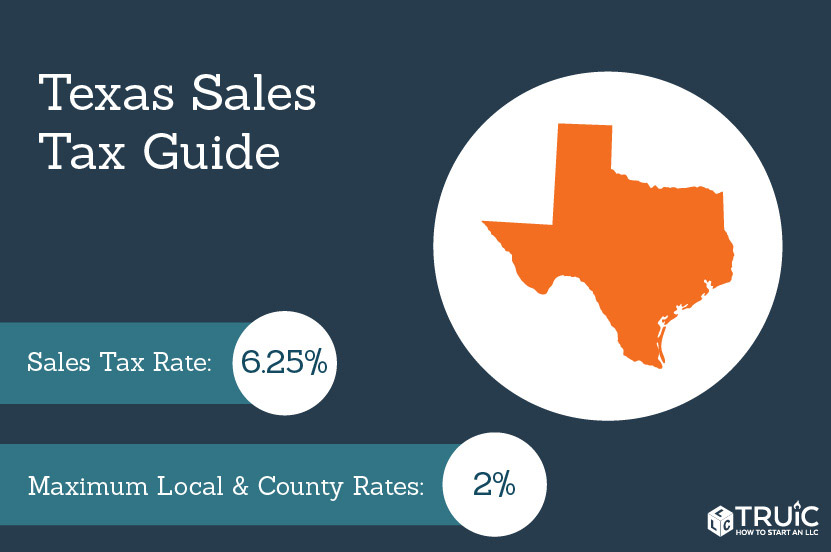
The Base State Sales Tax Rate in Texas is a consistent 6.25%. This rate is applied to the vast majority of taxable goods and services across the entire state. Whether you’re buying a cowboy hat in Fort Worth, a new swimsuit for South Padre Island, or a meal at a diner in El Paso, this 6.25% will always be a component of the tax you pay. It serves as the foundational levy that helps fund statewide services and infrastructure, contributing to the quality of life and public resources that visitors also benefit from.
However, where the system introduces variation is through the Impact of Local Sales Taxes. Cities, counties, and various special purpose districts (SPDs) have the authority to impose their own local sales taxes on top of the state rate. These local rates can add up to an additional 2%, bringing the combined maximum sales tax rate in Texas to 8.25%. This additional revenue supports local government services such as police and fire departments, public parks, libraries, and local tourism initiatives that enhance the visitor experience.
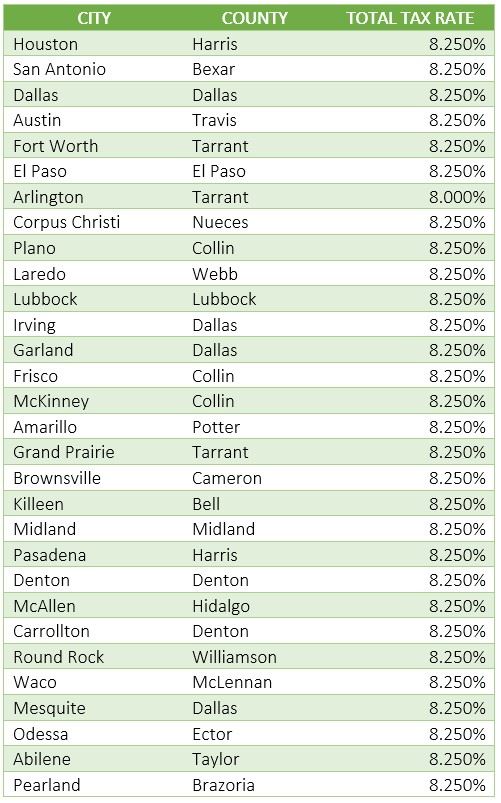
For example, a purchase made in downtown Houston or Dallas will typically incur the full 8.25% sales tax (6.25% state + 2% local). This combined rate is standard in many of the larger municipalities and populous areas. Conversely, if you find yourself shopping in a less populated, unincorporated area of a county, the local sales tax might be lower or even non-existent, meaning you might only pay the 6.25% state rate. Understanding that the final tax amount depends on your precise geographical location within Texas is key to accurately predicting your spending. Tourists should be mindful of these varying rates, especially when making significant purchases or budgeting for their stay in different parts of the state.
Sales Tax Across Your Texas Journey: Key Categories for Tourists
As you explore the vast and diverse offerings of Texas, from its bustling urban centers to its tranquil natural landscapes, sales tax will be a consistent factor in many of your transactions. Understanding how this tax applies to various categories of spending — particularly those most relevant to tourists — can empower you to budget more effectively and avoid any surprises. From where you lay your head at night to the culinary delights you savor and the souvenirs you collect, sales tax plays a role in nearly every aspect of your Texas adventure.
Accommodation: Hotels, Resorts, and Beyond
One of the most significant expenses for any traveler is accommodation, and in Texas, this category is subject to specific taxes that go beyond just the general sales tax. While the state sales tax of 6.25% does apply to charges for sleeping rooms, there’s an additional levy known as the Hotel Occupancy Tax (HOT). This tax is distinct from sales tax but is almost always charged alongside it and can significantly increase the cost of your stay.
The Texas state HOT rate is 6%, but cities and counties can impose their own additional HOT rates, which vary widely. For instance, major tourist destinations like Houston, Dallas, Austin, and San Antonio often have combined state and local HOT rates that can push the total tax on a hotel room upwards of 15% to 17%. Some specific examples include:
- Houston: State HOT (6%) + City HOT (9%) = 15%. Plus state/local sales tax on the room charge, if applicable (often embedded or complex).
- Dallas: State HOT (6%) + City HOT (9%) = 15%.
- Austin: State HOT (6%) + City HOT (9%) = 15%.
- San Antonio: State HOT (6%) + City HOT (9%) = 15%.
These occupancy taxes are crucial for funding local tourism promotion and convention center operations, which in turn attract more visitors and support local businesses. Whether you opt for a luxurious suite at a downtown hotel, a charming bed and breakfast in Fredericksburg, or a family-friendly resort in Grapevine, it’s essential to factor in these combined taxes when comparing prices and finalizing your accommodation budget. Always check the final price, including all taxes, before completing your booking to get a clear picture of your total expense.
Dining and Entertainment: Savory & Scenic Experiences
Texas’ culinary scene is as diverse as its geography, offering everything from authentic barbecue and Tex-Mex to upscale dining experiences. When you’re indulging in these savory delights, sales tax will almost certainly apply. The standard state and local sales tax rates (up to 8.25%) are levied on prepared food and drinks purchased at restaurants, cafes, bars, and even most grab-and-go establishments. So, whether you’re enjoying a hearty breakfast taco, a sizzling steak, or a craft beer at a local brewery, remember to factor in that additional percentage.
Beyond food, Texas offers a plethora of entertainment and attractions. Sales tax generally applies to admission fees for various venues, including:
- Theme parks and amusement parks: Such as Six Flags Over Texas in Arlington.
- Museums and galleries: Like the Dallas Arts District institutions or the Space Center Houston.
- Concerts, live shows, and sporting events: Tickets for these experiences will have sales tax added to the advertised price.
- Movie theaters, bowling alleys, and other recreational activities.
It’s important to note that while tickets to these venues are generally taxable, some non-profit organizations might have specific exemptions. However, as a general rule, assume that any entry fee for entertainment or recreational activities will be subject to the combined state and local sales tax in the area.
Shopping for Souvenirs and Essentials
No trip to Texas is complete without a little retail therapy, whether you’re hunting for unique souvenirs, stylish western wear, or simply picking up travel essentials. The good news for shoppers is that most tangible goods purchased in Texas are subject to the standard sales tax rate. This includes:
- Clothing and accessories
- Souvenirs and gifts
- Electronics and personal items
- Non-prepared groceries: This is a key distinction. While prepared foods at restaurants are taxed, most basic, unprepared grocery items purchased at supermarkets for home consumption are exempt from sales tax. This exemption applies to staples like fresh produce, meats, dairy, and packaged foods intended to be cooked or consumed without further preparation. However, ready-to-eat items, deli sandwiches, hot food, and beverages sold in individual servings from a convenience store are typically taxed.
Understanding this distinction can help budget-conscious travelers save a few dollars, especially if they plan to prepare some of their own meals during a longer stay in an apartment or villa accommodation. Always check your receipt carefully to confirm which items were taxed.
Transportation and Services
Beyond tangible goods and fixed venues, sales tax also applies to certain services and aspects of transportation. For many travelers, renting a car is a common necessity, especially when exploring sprawling areas like the Hill Country or national parks like Big Bend.
- Car Rentals: In Texas, a specific Motor Vehicle Rental Tax is imposed on the gross rental receipts from the rental of a passenger car, light truck, or recreational vehicle. This is in addition to the standard sales tax. The state rental tax rate is 10%, meaning you’ll pay 10% on top of the rental cost plus the applicable state and local sales tax on top of that for the rental charges. This can significantly increase the total cost of your rental, so it’s vital to factor this into your transportation budget.
- Other Services: While many personal services (like medical services, haircuts, or dry cleaning) are not subject to sales tax, services that result in a tangible product or are considered “taxable services” by the state generally are. Examples relevant to tourists might include guided tours (if they involve tangible components or specific taxable activities), certain spa treatments that result in a tangible product, or specific repair services if you encounter an issue on your trip. It’s best to inquire directly with service providers if you’re unsure about tax applicability.
Budgeting for Your Texas Adventure: Practical Tips
Planning a trip to Texas involves more than just booking flights and selecting accommodation. A smart traveler understands the importance of factoring in sales tax and other local levies to create a realistic and stress-free budget. Overlooking these additional costs can lead to unexpected expenses and potentially disrupt your financial planning, whether you’re on a budget travel expedition or a luxury travel escape.
Firstly, always factor in the additional percentage beyond the advertised price. When browsing menus, looking at ticket prices, or shopping for souvenirs, mentally (or physically) add the potential 8.25% for general sales tax, plus the higher hotel occupancy taxes (up to 17%) and car rental taxes (an additional 10% on top of sales tax). This simple habit will give you a much clearer picture of your actual costs. For a $100 meal, you could be paying $108.25; for a $100 hotel night in a major city, you might be looking at $115 to $117.
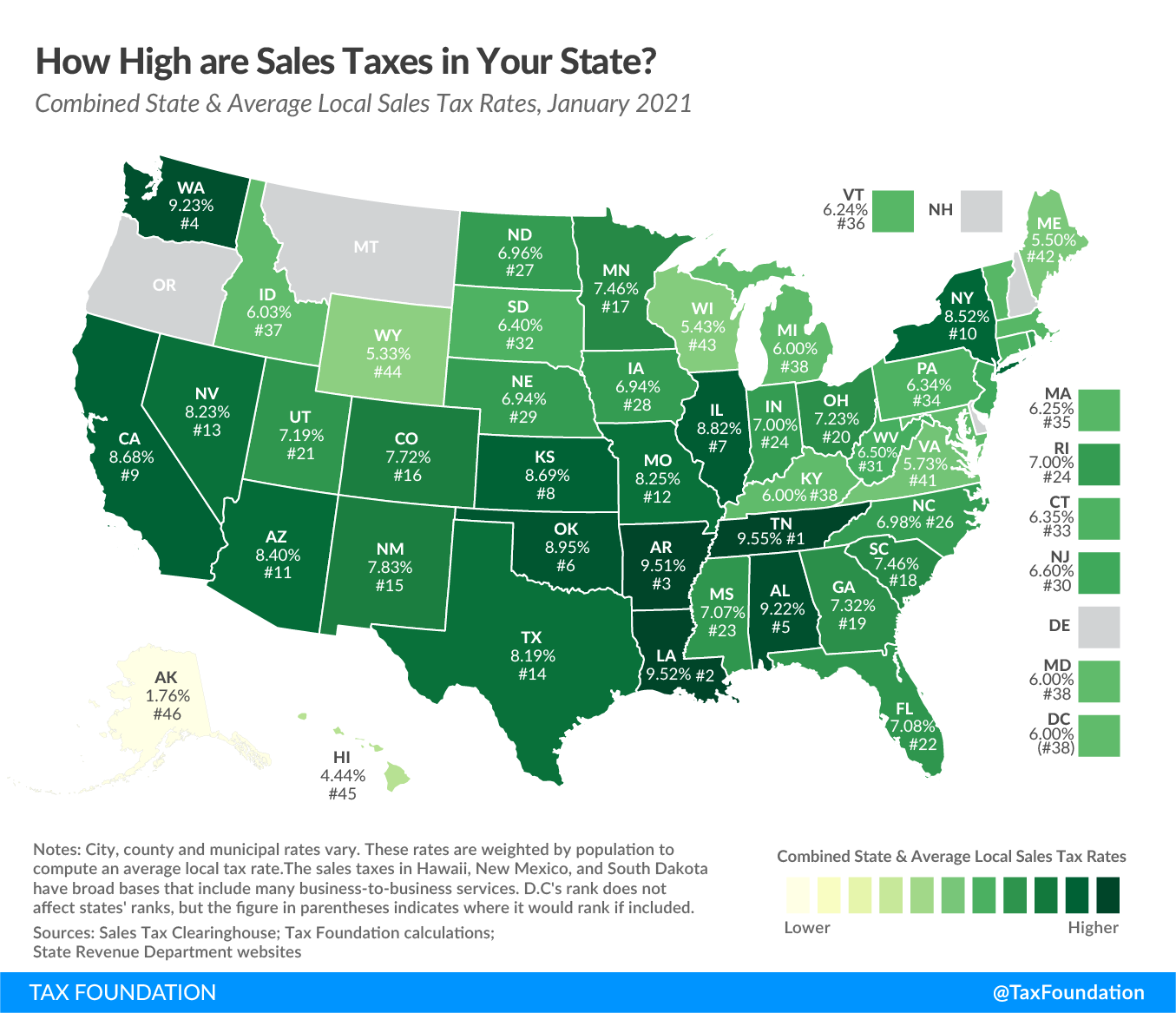
Secondly, check specific city rates before booking. While the maximum sales tax is 8.25%, and many major cities like Dallas, Houston, Austin, and San Antonio hit this ceiling, smaller towns or rural areas might have lower rates. Similarly, hotel occupancy tax rates can vary. A quick online search for “[city name] sales tax” or “[city name] hotel occupancy tax” before you book can provide precise figures, helping you compare costs across different destinations within Texas. This is particularly useful if you are considering a multi-city Texas itinerary.
Thirdly, when considering your accommodation options, look for all-inclusive packages, but remain discerning. Some resorts or hotels might advertise “all-inclusive” rates that bundle meals, activities, and sometimes even taxes. While convenient, always verify what exactly is included in the “all-inclusive” price. Taxes are almost always embedded within these rates, but ensuring clarity upfront means no surprises later. Reading reviews and comparing offers thoroughly is always a good strategy for any booking.
It’s also wise to keep receipts for major purchases and accommodation. This not only helps you track your spending but can be invaluable for business travelers who need to expense their trip. Understanding the breakdown of sales tax versus other fees on your receipts is crucial for accurate record-keeping.
Finally, remember the crucial distinction between sales tax and hotel occupancy tax. While both add to your total cost, they serve different purposes and have different rates. Sales tax is a general consumption tax on goods and many services, capped at 8.25%. Hotel Occupancy Tax (HOT) is a specific tax on sleeping accommodations, which can add a much larger percentage (up to 17%) to your room rate. Knowing this difference helps you understand where your money is going and allows for more precise budgeting, especially when comparing different types of accommodation like hotels, apartments, or villas. By adopting these practical budgeting tips, your Texas adventure can be as financially smooth as it is memorable.
The Broader Economic Impact and Texas Tourism
Understanding sales tax in Texas is not just about personal budgeting; it’s also about recognizing its significant role in the state’s economy and its direct impact on the flourishing tourism sector. These taxes, levied on goods, services, and accommodations, form a critical revenue stream that supports the very infrastructure and attractions that draw millions of visitors to the Lone Star State each year.
The revenue generated from sales tax and hotel occupancy tax contributes substantially to local infrastructure and services. This includes funding for road maintenance, public safety (police and fire departments), schools, and other essential municipal services. For instance, the well-maintained roads leading to Big Bend National Park or the public transportation systems in Houston and Dallas are partly sustained by these tax revenues. These improvements enhance the overall visitor experience, making it easier and safer for tourists to navigate and enjoy different parts of the state.
Furthermore, a significant portion of the Hotel Occupancy Tax is specifically earmarked for funding tourism promotion and convention centers. Organizations like Visit Dallas, Visit Houston, and the Texas Tourism Division utilize these funds to market Texas as a premier travel destination, attract conventions, and develop new attractions and experiences. This investment cycles back into the tourism economy, drawing more visitors who, in turn, contribute more tax revenue. It’s a virtuous cycle that strengthens the state’s economy and enriches its cultural offerings, from historic landmarks like the Alamo to vibrant arts scenes.
The transparency of sales tax is also vital for visitors. When taxes are clearly itemized on receipts, it allows travelers to understand the cost breakdown and appreciate how their contributions support the local economy. This transparency builds trust and helps visitors budget more accurately, leading to a more positive overall impression of their Texas adventure. It reinforces the understanding that every purchase, from a souvenir at the San Antonio River Walk to a meal in Austin’s vibrant Rainey Street district, contributes to the vitality and continued development of the state’s diverse destinations.
In conclusion, knowing the intricacies of Texas’ sales tax structure is more than just a fiscal exercise. It’s an integral part of planning a seamless travel experience, ensuring you can fully immerse yourself in the local culture, enjoy world-class amenities, and explore iconic landmarks without financial surprises. By being informed, you contribute positively to the very system that makes Texas an incredible place to visit, ensuring that future travelers will continue to find a welcoming and well-supported environment for their own adventures and long-term stays. So, pack your bags, prepare your budget, and get ready to experience the warmth and grandeur of Texas!
LifeOutOfTheBox is a participant in the Amazon Services LLC Associates Program, an affiliate advertising program designed to provide a means for sites to earn advertising fees by advertising and linking to Amazon.com. Amazon, the Amazon logo, AmazonSupply, and the AmazonSupply logo are trademarks of Amazon.com, Inc. or its affiliates. As an Amazon Associate we earn affiliate commissions from qualifying purchases.