
Casting a vote is a cornerstone of civic life, a fundamental right and responsibility that shapes the future of our communities and nation. For residents and those considering a move to the Heart of Dixie, understanding the intricacies of when and how to vote in Alabama is essential. But beyond the ballot box, Alabama offers a rich tapestry of travel experiences, historical landmarks, and diverse lifestyle options that can transform a civic duty into an opportunity for discovery. This guide delves into the specifics of voting eligibility and key election dates in Alabama, weaving in insights on how to combine your civic engagement with the vibrant tourism and accommodation options the state proudly presents. Whether you’re a long-time resident, a new transplant, or simply planning a visit that aligns with an election, this comprehensive overview will prepare you for both your civic responsibilities and an unforgettable journey through Alabama.
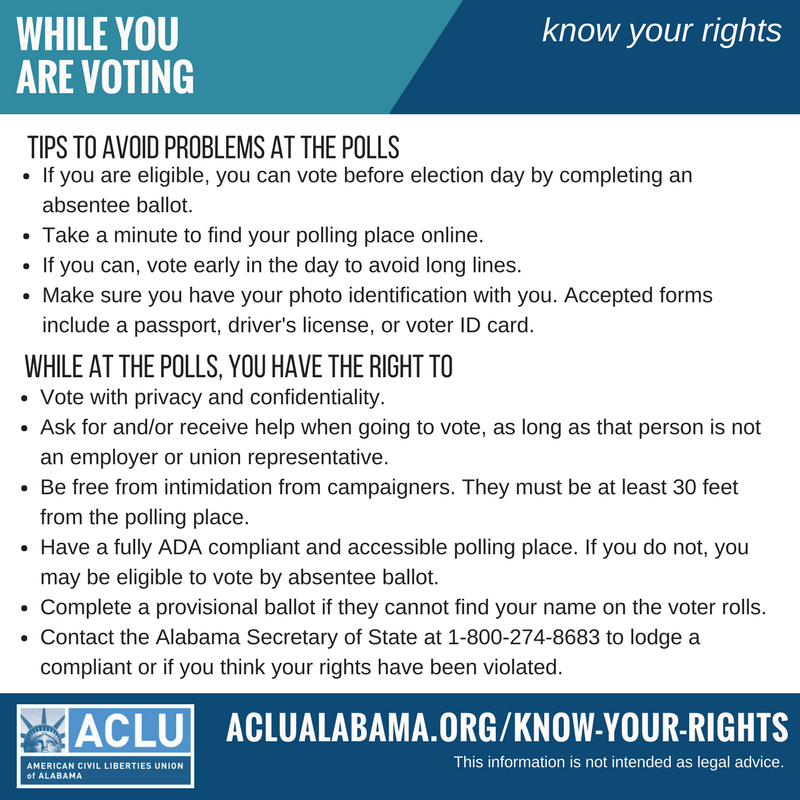
Understanding Alabama’s Voting Landscape: More Than Just a Ballot
Participating in the electoral process in Alabama is straightforward once you understand the basic requirements and timelines. The state, like all others in the United States, adheres to specific rules designed to ensure fair and secure elections. However, for those passionate about travel and exploring new destinations, a trip to Alabama around election time can offer a unique blend of civic engagement and cultural immersion.
Eligibility Essentials: Who Can Cast a Vote?
Before you can cast your vote in Alabama, you must first meet a set of fundamental eligibility criteria. These are largely consistent across the United States but have specific nuances within each state. For those exploring Alabama as a potential new home or even considering a long-term stay, understanding these prerequisites is paramount.
Firstly, to be eligible to vote in Alabama, you must be a citizen of the United States. This is a non-negotiable requirement for participation in federal, state, and local elections. Secondly, you must be at least 18 years of age on or before the date of the election. Many individuals register to vote before their 18th birthday, ensuring they are ready to participate as soon as they reach the legal age.
Residency is another critical factor. You must be a resident of Alabama and registered to vote in the county and precinct where you reside. This means that if you’re traveling through Alabama on vacation, you cannot simply decide to vote there unless it is your established legal residence. The state defines residency based on where you primarily live, and for voter registration purposes, it’s typically tied to your physical address. If you’ve recently moved to Alabama or are considering relocating, it’s crucial to establish your residency and update your voter registration accordingly.
Beyond these core requirements, Alabama law also addresses specific circumstances. Individuals who have been convicted of a disqualifying felony offense lose their voting rights, though these rights can be restored after completing their sentence and applying for a Certificate of Eligibility to Register to Vote through the Board of Pardons and Paroles. Mental incompetency, as declared by a court, also leads to disenfranchisement.
Voter Registration Deadlines: Perhaps the most crucial piece of information for aspiring voters, especially those managing a busy lifestyle or frequent travel, are the voter registration deadlines. In Alabama, the deadline to register to vote is 15 days before any election. This applies whether you are registering for the first time or updating your information (such as a change of address or name). You can register online, by mail, or in person at various locations, including county board of registrars’ offices, driver’s license offices, and public libraries. For many, integrating this civic step with a visit to a new city like Birmingham or Montgomery can be an efficient way to handle official business while also enjoying the local attractions.
Absentee Voting: A Lifeline for Travelers: For those whose lifestyle involves frequent travel or who may be away from their registered precinct on election day, Alabama offers absentee voting. To vote absentee, you must have a valid reason, such as being out of the county on election day, illness or physical disability, or working a shift of 10 hours or more that coincides with polling hours. Military personnel and United States citizens residing overseas have specific provisions under federal law to make their participation easier. The deadline to apply for an absentee ballot is typically five to seven days before the election, and the ballot must be postmarked or hand-delivered by noon on election day. This option ensures that your civic duty doesn’t have to be sacrificed for your travel plans or work commitments.
Key Election Dates and Cycles
Understanding when elections occur is just as important as knowing if you can vote. Alabama’s election cycle includes a variety of elections, each with its own significance and dates. Keeping track of these can be crucial, especially for those who plan their travel or accommodation around civic events.
The major elections in Alabama include:
- General Elections: Held every even-numbered year on the first Tuesday after the first Monday in November. These elections determine who will hold federal offices (President, U.S. Senate, U.S. House of Representatives), state offices (Governor, other constitutional officers, State Legislature), and various local positions.
- Primary Elections: Held earlier in even-numbered years (typically in March or May) before the General Election. These elections determine which candidates will represent their respective political parties in the General Election. If no candidate receives a majority of votes in a primary election, a run-off primary is held a few weeks later between the top two vote-getters.
- Municipal Elections: Held for city and town offices, often in odd-numbered years, though schedules can vary by municipality. Cities like Mobile and Huntsville have their own specific election calendars for mayoral and city council races.
- Special Elections: Called as needed to fill vacancies in elected offices, or to vote on specific ballot measures or constitutional amendments. These can occur at any time and require voters to stay particularly vigilant.
How to Stay Informed: The most reliable source for election dates, voter registration status, polling place information, and absentee ballot details is the Alabama Secretary of State’s website. Local county election officials (Boards of Registrars and Probate Judges) also provide specific information relevant to their jurisdictions. Many local news outlets and non-partisan organizations also offer valuable guides and calendars. For those integrating travel with civic duty, checking these resources well in advance is a smart tip to avoid missing important deadlines.
Combining Civic Duty with Southern Charm: A Traveler’s Guide to Voting in Alabama
Alabama is more than just a place to vote; it’s a vibrant state brimming with culture, history, and natural beauty. For the engaged citizen who also loves to explore, combining the act of voting with a tourism experience in the Heart of Dixie offers a unique perspective. This approach not only fulfills your civic responsibility but also allows you to delve deeper into the local fabric, discovering hidden gems and authentic experiences.

Experiencing Alabama’s Unique Tourism During Election Season
Imagine casting your ballot and then embarking on an adventure through Alabama’s diverse destinations. Election periods, particularly major ones, often bring a certain energy to a state, with local events, discussions, and a heightened sense of community. This atmosphere can be an intriguing backdrop for any traveler.
Civic Engagement in Major Cities:
- Birmingham: As Alabama’s largest city, Birmingham offers a dynamic urban experience. After voting, explore its renowned culinary scene, visit the historic Civil Rights Institute, or discover the vibrant arts district. The city’s history, particularly its pivotal role in the Civil Rights Movement, adds a profound layer to the act of voting.
- Montgomery: The State Capital of Alabama, Montgomery is steeped in historical significance. Voting here, perhaps just blocks from the State Capitol building or sites like the Rosa Parks Museum and the Dexter Avenue Baptist Church, offers a tangible connection to the struggles and triumphs of voting rights. The city itself is a landmark of American history.
- Mobile: Alabama’s port city, Mobile, boasts a rich French and Spanish heritage, evident in its unique architecture and local culture. Combine your civic duty with exploring the historic Dauphin Street, visiting the USS Alabama Battleship Memorial Park, or enjoying fresh seafood on the Gulf Coast.
- Huntsville: In North Alabama, Huntsville, also known as “Rocket City,” offers a futuristic twist. After voting, immerse yourself in space history at the U.S. Space & Rocket Center or explore the innovative tech scene.
Local Culture and Food: Election days often highlight local community spirit. Polling places might be in community centers or schools, giving a glimpse into daily life. Afterward, indulge in Alabama’s famous Southern cuisine – from BBQ joints to farm-to-table restaurants. Engaging with local culture around these times can provide genuine experiences beyond typical tourist attractions. Consider local festivals, farmers’ markets, or live music events that might coincide with your visit, making your trip a comprehensive blend of civic engagement and leisure.
Accommodation Choices for the Engaged Citizen Traveler
For those making a special trip to Alabama for an election, or simply looking for the perfect base while fulfilling their civic obligations, the state offers a wide range of accommodation options. From luxurious resorts to cozy apartments, there’s something to suit every preference and budget.
- Hotels and Suites: Major cities like Birmingham, Montgomery, and Mobile boast a plethora of hotels ranging from budget-friendly options to upscale boutique hotels. Many offer convenient access to downtown areas, making it easy to reach polling places and then explore nearby attractions. For extended stays, choosing a suite with extra space and amenities can enhance your comfort.
- Resorts and Villas: If your civic duty brings you to Alabama’s scenic areas, such as the Gulf Coast near Orange Beach or the tranquil lakes and mountains, consider staying at one of the state’s beautiful resorts or renting a private villa. These options often come with extensive amenities like golf courses (the Robert Trent Jones Golf Trail is a prominent example), spas, and dining, allowing for relaxation after your civic engagement.
- Apartments and Long-term Stays: For those undergoing a temporary relocation or needing a more home-like environment, especially if you’re engaging in activities that require a longer presence, rental apartments or extended-stay hotels are ideal. Platforms for booking short-term rentals offer diverse choices, and reading reviews and doing a quick comparison can help you find the perfect fit. This is particularly useful for students, researchers, or professionals on business stays who also wish to maintain their voting eligibility.
Regardless of your choice, it’s always advisable to use reliable booking platforms, compare options, and read recent reviews to ensure your accommodation meets your expectations. Many hotels and resorts offer packages and discounts, so checking for deals that align with your travel dates, particularly during election periods when some areas might see increased activity, is a smart move.
Discovering Alabama’s Historic Landmarks and Lifestyle Through a Civic Lens
Alabama’s deep-rooted history and distinctive lifestyle offer an incredibly rich context for understanding the importance of voting. The state has been a battleground for fundamental rights, and its landmarks stand as powerful testaments to the long and often arduous journey towards universal suffrage. For visitors, exploring these sites through a civic lens can transform a simple trip into a profound educational experience.
The Intersection of History, Civil Rights, and Voting
To truly appreciate the right to vote in Alabama, one must acknowledge the monumental struggles of the Civil Rights Movement. Many of the state’s most famous places are inextricably linked to this pivotal period in American history. Visiting these landmarks offers a powerful reminder of the sacrifices made to secure voting rights for all citizens, making the act of casting a ballot feel even more significant.
- Selma and the Edmund Pettus Bridge: No discussion of voting rights in Alabama is complete without mentioning Selma. The Edmund Pettus Bridge, a National Historic Landmark, was the site of the brutal “Bloody Sunday” attack in March 1965, where civil rights marchers attempting to reach Montgomery were met with violent opposition. This event galvanized national support for the Voting Rights Act of 1965. A visit to Selma and the nearby National Voting Rights Museum and Institute provides invaluable context to the historical fight for the ballot.
- Montgomery’s Civil Rights Trail: Beyond the State Capitol and the Rosa Parks Museum, Montgomery offers several other key sites. The Dexter Avenue King Memorial Baptist Church, where Dr. Martin Luther King Jr. served as pastor, was a central planning ground for the Montgomery Bus Boycott, which paved the way for broader civil rights actions, including voting rights. The Freedom Rides Museum, located in the former Greyhound bus station, commemorates the courageous individuals who challenged segregation in interstate travel, another facet of the larger struggle for equality.
- Birmingham’s Civil Rights District: In Birmingham, the Civil Rights District encompasses the 16th Street Baptist Church, Kelly Ingram Park, and the Birmingham Civil Rights Institute. These sites tell the story of the children’s crusade and other protests that drew national attention to racial injustice and the denial of basic rights, including the right to vote.
These landmarks serve as powerful educational tools, reminding both residents and visitors of the value of democratic participation. Integrating a visit to these sites with the act of voting creates a deeply meaningful experience, connecting personal civic duty with the broader sweep of American history.

Tailoring Your Alabama Trip: Lifestyle Considerations for Voters
Your reason for being in Alabama during an election might vary, and so too should your approach to combining civic duty with your preferred lifestyle. Whether you’re planning a quick business stay or an elaborate family trip, Alabama caters to diverse needs.
- Luxury Travel vs. Budget Travel: Alabama offers options for all budgets. If you prefer luxury travel, consider upscale resorts and boutique hotels in cities or along the Gulf Coast. Many provide exceptional amenities and fine dining, allowing you to enjoy election-day events with comfort and style. For budget travel enthusiasts, there are numerous affordable hotels, motels, and vacation rentals that still offer convenience and access to key areas.
- Family Trips: Combining voting with a family trip can be an excellent way to teach children about civics firsthand. While you handle your voting, the rest of the family can explore child-friendly attractions like the U.S. Space & Rocket Center in Huntsville, the beaches of Gulf Shores, or the Dauphin Island Sea Lab. Engaging in age-appropriate discussions about the voting process and the importance of participation can be a valuable part of their travel experiences.
- Business Stays: For professionals on business stays in Alabama, ensuring your vote is counted might require a bit more planning, especially if you’re not a resident. If you are a resident but traveling for work, remember the absentee voting option. Many hotels cater to business travelers with Wi-Fi, meeting rooms, and comfortable workspaces, allowing you to manage your professional commitments alongside your civic duty.
- Tips for Combining Civic Responsibility with Leisure:
- Plan Ahead: Check election dates and voter registration deadlines well in advance.
- Location, Location, Location: Choose accommodation that is conveniently located near your polling place and also offers access to desired attractions.
- Flexibility: Build some flexibility into your itinerary for election day, as unexpected queues or changes can occur.
- Local Immersion: Use the opportunity to engage with local culture, try regional food, and support local businesses.
In conclusion, exercising your right to vote in Alabama is a significant act. By understanding the eligibility requirements, key election dates, and the available voting mechanisms, you can ensure your voice is heard. Furthermore, by embracing the state’s rich history, diverse tourism offerings, and accommodating lifestyle options, you can transform a civic obligation into a memorable and enlightening travel experience. Whether you’re exploring Alabama’s famous places or simply enjoying its Southern charm, your participation in democracy adds another layer of meaning to your journey.
LifeOutOfTheBox is a participant in the Amazon Services LLC Associates Program, an affiliate advertising program designed to provide a means for sites to earn advertising fees by advertising and linking to Amazon.com. Amazon, the Amazon logo, AmazonSupply, and the AmazonSupply logo are trademarks of Amazon.com, Inc. or its affiliates. As an Amazon Associate we earn affiliate commissions from qualifying purchases.