
For avid hunters and those seeking an immersive outdoor adventure, the start of deer hunting season in Alabama is a keenly anticipated event, marking the beginning of a cherished tradition in the United States South. Beyond the thrill of the chase, planning a hunting trip to Alabama transforms into a comprehensive travel experience, blending the rustic call of the wilderness with opportunities for luxurious accommodations, vibrant local tourism, and exploration of remarkable landmarks. This guide delves into the specifics of Alabama’s deer hunting calendar, while also charting a course for a memorable journey that extends far beyond the hunting stand, appealing to diverse lifestyles from the dedicated outdoorsman to families looking for a unique Southern getaway.

Decoding Alabama’s Deer Hunting Seasons
Alabama’s diverse topography, ranging from the Appalachian foothills to the coastal plains, provides an ideal habitat for white-tailed deer, making it a premier destination for hunters. The deer hunting season in Alabama is structured to offer various opportunities, catering to different hunting methods and spanning several months to maximize participation. Understanding these seasons, zones, and regulations is the first crucial step in planning your expedition.
Understanding Key Dates and Zones
The deer hunting season in Alabama typically kicks off in mid-October with archery season, extending well into January or even early February, depending on the specific zone and type of game. Following archery, muzzleloader season usually begins in November, with gun season for deer opening shortly after, also running into the new year. It’s important to note that Alabama is divided into several zones, and the exact start and end dates can vary slightly by zone and county. For instance, areas in the northern parts of the state might have slightly different dates compared to the southern Coastal Plain regions.
For the most accurate and up-to-date information, consulting the official hunting regulations published by the Alabama Department of Conservation and Natural Resources (ADCNR) is indispensable. These regulations outline the specific dates for bow, muzzleloader, and gun seasons, as well as any special youth hunts or antlerless deer days. Planning your travel dates around these precise windows is critical to ensure a lawful and successful hunt. The length of the season allows for considerable flexibility, enabling hunters to schedule their trips during prime times, whether they prefer the challenge of early-season archery or the colder, often more productive, late-season gun hunts.
Preparing for Your Hunt: Licenses and Regulations
Before packing your gear, securing the necessary licenses and thoroughly understanding Alabama’s hunting regulations is paramount. Non-resident hunters, in particular, will need to purchase an Alabama non-resident hunting license, which often includes a wildlife management area (WMA) license if you plan to hunt on public lands. Residents also need appropriate licenses, which vary based on age and previous certifications. These licenses are readily available online through the ADCNR website or from authorized license retailers across the state.
Beyond general licenses, hunters must be aware of bag limits, which dictate the maximum number of deer that can be harvested per hunter per season and per day. Alabama typically has specific limits for antlered bucks and antlerless deer, often with provisions for bonus tags in certain areas to manage deer populations effectively. Electronic tagging or physical tagging methods are usually required immediately upon harvest, and reporting procedures are in place to help the ADCNR monitor wildlife populations. Understanding these rules is not merely about compliance; it’s about practicing ethical hunting and contributing to the conservation efforts that sustain Alabama’s rich natural resources. Whether hunting on private land with an outfitter or navigating the expansive Wildlife Management Areas (WMAs), adherence to these guidelines ensures a respectful and responsible outdoor experience.
Beyond the Stand: Crafting Your Alabama Hunting Travel Experience
A deer hunting trip to Alabama can be much more than just the hunt itself; it’s an opportunity to immerse yourself in Southern culture, explore natural beauty, and enjoy comfortable accommodations. Integrating the hunt with a broader travel itinerary elevates the experience, transforming a dedicated hunting trip into a holistic vacation for individuals, couples, or even families.
Premier Hunting Destinations and Their Charms
Alabama boasts numerous prime hunting locations, each offering a distinct appeal. For hunters seeking expansive public lands, the state’s national forests and Wildlife Management Areas (WMAs) are excellent choices. The Talladega National Forest, with its rugged terrain in the Appalachian foothills, offers a challenging yet rewarding hunt. Similarly, the Bankhead National Forest in northwest Alabama is known for its abundant wildlife and scenic beauty, including waterfalls and canyons. Other notable WMAs like Oakmulgee WMA, Black Warrior WMA, and Lowndes WMA also provide excellent opportunities for deer hunting on managed public grounds.
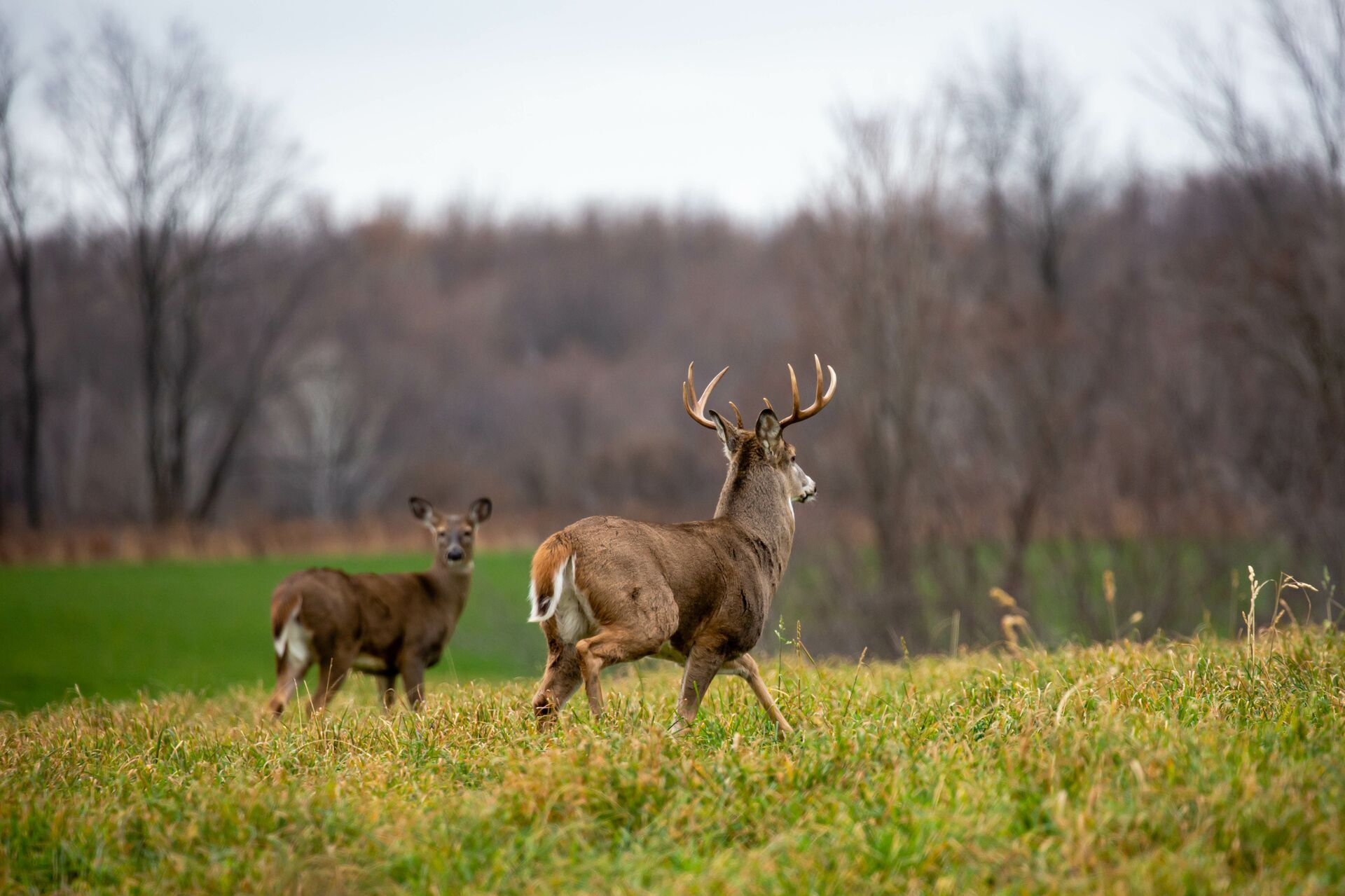
For those preferring a more curated experience, numerous private hunting lodges and outfitters operate across the state, particularly in the fertile Black Belt region, renowned for its rich soil and trophy deer potential. These lodges often provide guided hunts, meals, and comfortable lodging, taking the guesswork out of planning. Towns like Dothan, Montgomery, and Selma serve as excellent hubs for accessing some of these prime hunting grounds, offering a blend of rural charm and urban conveniences. Whether you’re roughing it in a tent in a national forest or enjoying the amenities of a five-star lodge, Alabama’s diverse hunting landscape ensures there’s an ideal destination for every hunter.
Accommodation Choices for Every Hunter and Companion
The choice of accommodation can significantly impact your overall travel experience, and Alabama offers a spectrum of options to suit various preferences and budgets. For a luxurious hunting getaway, bespoke hunting lodges such as the fictitious Southern Comfort Lodge or the Alabama Hunt & Stay Resort might offer all-inclusive packages with gourmet dining, spa services, and expert guides. These high-end establishments blend the ruggedness of the hunt with the comforts of a premium resort, perfect for a special occasion or a stress-free trip.
Alternatively, for those seeking comfort without the all-inclusive price tag, major hotel chains are readily available in cities bordering prime hunting areas. In Huntsville, Birmingham, or Montgomery, you can find well-known brands like Marriott International, Hilton Worldwide, or Hyatt Hotels Corporation. Specific options like a Hilton Garden Inn, DoubleTree by Hilton, SpringHill Suites by Marriott, or a Residence Inn by Marriott can provide comfortable rooms, amenities like pools and fitness centers, and easy access to local dining and attractions.
For groups or longer stays, particularly near public hunting lands like the Talladega National Forest, consider renting a cabin or a vacation home through platforms that offer a wide array of options, from rustic retreats to modern, fully-equipped residences. Places like Riverside Outfitters & Cabins (an example of a plausible offering) might provide a great base for hunting parties. Budget-conscious travelers or those who prefer a deeper connection with nature might opt for camping in designated campgrounds within state parks like Cheaha State Park or various national forest sites, offering a truly immersive outdoor experience. No matter your preference, Alabama’s accommodation landscape ensures your stay is as comfortable and convenient as possible.
Elevating Your Alabama Adventure: Beyond the Hunt
A trip to Alabama during deer hunting season isn’t exclusively for hunters. It can be a vibrant family vacation or a cultural exploration for non-hunting companions. By planning activities around the hunt, you can transform a specialized trip into a diverse travel experience that celebrates the state’s natural beauty, rich history, and distinctive Southern charm.
Exploring Alabama’s Natural and Cultural Landmarks
While hunters are in the field, companions or entire families can embark on adventures exploring Alabama’s myriad landmarks and attractions. Nature lovers can head to the Gulf Shores and Orange Beach areas for stunning white-sand beaches, dolphin cruises, and fresh seafood, even in the cooler months. The USS Alabama Battleship Memorial Park in Mobile offers a fascinating glimpse into military history, while the Mobile River Delta provides unparalleled opportunities for kayaking and wildlife viewing.
For those interested in history and culture, Birmingham offers the profound Birmingham Civil Rights Institute and the historic Sixteenth Street Baptist Church. Montgomery, the state capital, is rich in Civil Rights history, with sites like the Dexter Avenue King Memorial Baptist Church and the Rosa Parks Museum. In Huntsville, the U.S. Space & Rocket Center is a world-class attraction for science enthusiasts of all ages. Even small towns like Fairhope on Mobile Bay offer charming boutiques, art galleries, and picturesque views.
For continued outdoor pursuits, destinations like Lake Guntersville State Park in the Tennessee Valley offer not only excellent fishing but also hiking trails and birdwatching. The Cahaba National Wildlife Refuge protects rare flora and fauna, while Little River Canyon National Preserve boasts stunning waterfalls and deep canyon views, ideal for photography and exploration. Integrating visits to these diverse attractions allows every member of your travel party to find something captivating, turning a hunting trip into a comprehensive Alabama adventure.
Savoring Local Flavors and Southern Hospitality
No trip to Alabama is complete without indulging in its renowned Southern culinary scene. From mouth-watering barbecue joints and soulful comfort food to fresh Gulf seafood, the state offers a delicious array of options. In cities like Mobile, Birmingham, or Huntsville, you’ll find everything from upscale dining establishments to casual eateries serving up local specialties. Explore farm-to-table restaurants in Auburn or Tuscaloosa, or sample Gulf shrimp and oysters on Dauphin Island or along the Orange Beach coast.
Beyond the food, Alabama is famous for its warm Southern hospitality. Local markets, craft breweries in cities like Guntersville and Muscle Shoals, and community events often provide opportunities to interact with friendly locals and experience the true essence of Southern charm. Many lodges and resorts also feature excellent in-house dining options, often showcasing regional dishes prepared with local ingredients. After a successful hunt or a day of sightseeing, gathering for a delicious meal becomes a cherished part of the travel experience, solidifying memories and enriching your journey through Alabama.
In conclusion, the deer hunting season in Alabama offers far more than just the opportunity to pursue game; it provides a canvas for a rich and varied travel experience. By understanding the seasons and regulations, choosing the right hunting destination, and planning for diverse accommodations and engaging activities, visitors can craft a trip that satisfies the dedicated hunter while captivating companions with the state’s natural beauty, historical depth, and vibrant culture. Whether you’re seeking a solitary wilderness challenge, a luxurious lodge experience, or a family-friendly adventure, Alabama stands ready to deliver an unforgettable journey. Always remember to prioritize safety, respect wildlife, and leave no trace, ensuring that Alabama’s natural heritage remains pristine for generations to come.
LifeOutOfTheBox is a participant in the Amazon Services LLC Associates Program, an affiliate advertising program designed to provide a means for sites to earn advertising fees by advertising and linking to Amazon.com. Amazon, the Amazon logo, AmazonSupply, and the AmazonSupply logo are trademarks of Amazon.com, Inc. or its affiliates. As an Amazon Associate we earn affiliate commissions from qualifying purchases.