
Alabama, often celebrated for its vibrant Southern hospitality, rich history, and stunning natural landscapes, is also a premier destination for hunters. From the sprawling pine forests of the north to the diverse ecosystems of the Gulf Coast, the state offers a wide array of hunting opportunities that attract enthusiasts from across the nation. For those planning a hunting excursion, the fundamental question “When does hunting season start in Alabama?” is the crucial first step in organizing an unforgettable adventure. Understanding the intricacies of Alabama’s hunting seasons, regulations, and the myriad of experiences available around them is key to a successful and enjoyable trip. This guide delves into the specifics of hunting seasons, provides essential planning tips, and highlights how to integrate your passion for the outdoors with Alabama’s broader travel and tourism offerings.
Understanding Alabama’s Diverse Hunting Seasons
Hunting seasons in Alabama are meticulously regulated by the Alabama Department of Conservation and Natural Resources (ADCNR), ensuring sustainable wildlife populations and fair chase. The seasons vary significantly by game species, weapon type, and sometimes by specific geographic zones within the state. While specific dates can shift slightly from year to year, the general patterns remain consistent, allowing hunters to plan well in advance. It’s imperative to always consult the official ADCNR hunting regulations for the current year before making any plans, as this information is the definitive source for season dates, bag limits, and other critical details.
White-tailed Deer: The Crown Jewel of Alabama Hunting
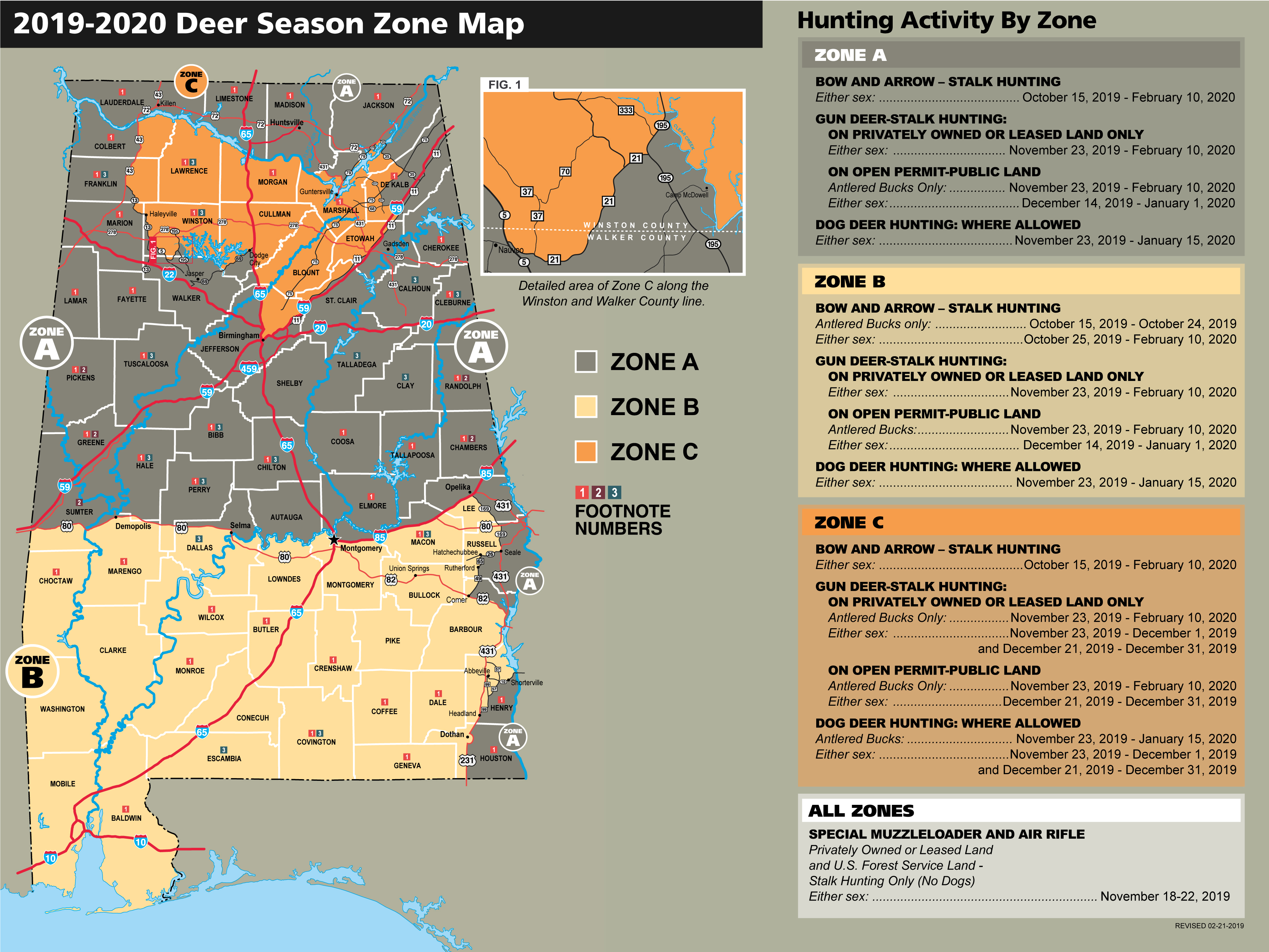
The White-tailed Deer is arguably the most sought-after game animal in Alabama, drawing countless hunters to its vast tracts of public and private land. The season for White-tailed Deer is typically the longest and most complex, often divided into multiple segments based on the type of weapon used.
- Archery Season: This usually kicks off first, often beginning in mid-October and extending through late January or early February. The early start provides bowhunters with unique opportunities to hunt before the peak rut and with less pressure from firearms hunters.
- Muzzleloader and Special Firearms Season: A short, dedicated muzzleloader season often follows or overlaps with the archery season, usually starting in mid-November. This is often followed by a special firearms season for antlered deer, providing an additional window for specialized hunting.
- General Firearms Season: The bulk of the White-tailed Deer season typically runs from mid-November through late January or early February. This is the most popular period, allowing hunters to use modern firearms across most of the state. Some areas may have specific bag limits or restrictions, particularly concerning antlerless deer, to manage local populations effectively.
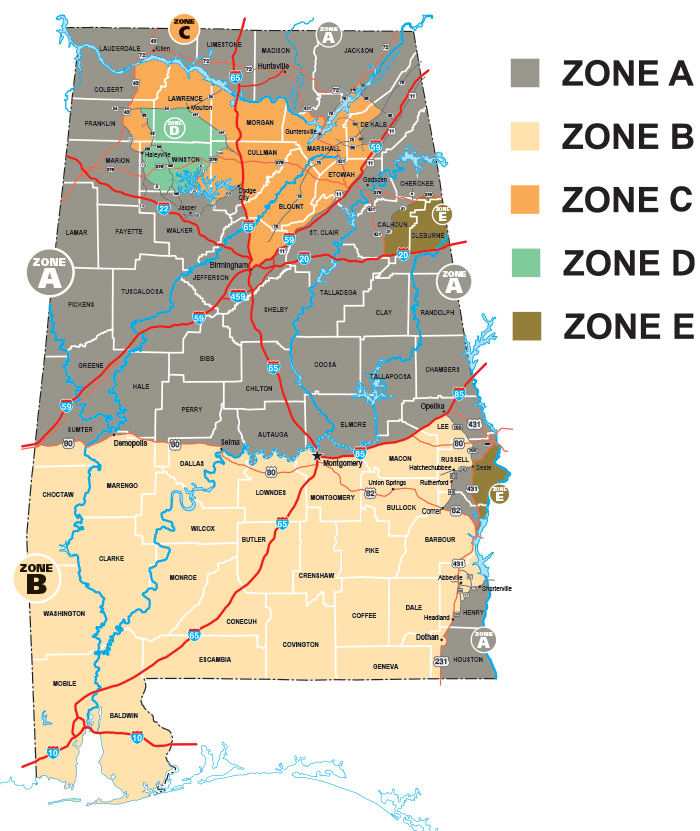
Understanding the zone distinctions is also critical. Alabama is often divided into different zones (e.g., Zone 1, Zone 2), each with slightly adjusted season dates and bag limits to account for regional differences in deer populations and habitats.
Wild Turkey: A Challenging Spring Pursuit
For many, the thrill of calling in a Wild Turkey in the spring woods is an unparalleled experience. Alabama’s Wild Turkey season is exclusively a spring affair, focusing on gobblers (male turkeys).
- Spring Turkey Season: This highly anticipated season typically begins in mid-March and runs through late April or early May. The exact start and end dates can vary slightly year to year and may have regional differences, so checking the ADCNR regulations is crucial. The season focuses on hunting male turkeys, with strict bag limits to ensure the health of the population.
Turkey hunting demands patience, skill, and an understanding of turkey behavior, making it a challenging yet incredibly rewarding endeavor for seasoned hunters and newcomers alike.
Waterfowl and Migratory Birds: Following the Flyways
Alabama is situated along the Mississippi Flyway, making it a prime location for waterfowl and other migratory bird hunting. The season dates for these species are determined in conjunction with federal guidelines, often resulting in complex, split seasons.
- Ducks and Geese: Waterfowl seasons typically begin in late November, often with a brief break, and then resume to run through January. These seasons are usually divided into several segments to align with migration patterns. Specific bag limits apply to different species of ducks and geese.
- Doves: Dove season is one of the earliest to open, often kicking off on Labor Day weekend in early September, with subsequent segments running through October and into January. This is a highly social form of hunting, often enjoyed with friends and family.
- Other Migratory Birds: Seasons for woodcock, snipe, and rails typically occur in late fall and winter, with specific dates published annually.
Hunting migratory birds often requires a federal duck stamp in addition to state licenses, and understanding baiting regulations is critical.
Small Game: Year-Round Opportunities
For hunters seeking less intense but equally rewarding experiences, Alabama offers robust small game seasons. These species provide excellent opportunities for younger hunters or those looking to hone their skills.
- Rabbit and Squirrel: Seasons for these popular small game animals generally open in early fall (around September or October) and extend well into late winter or early spring (February or March). Bag limits are generous, and these hunts can be combined with other outdoor activities.
- Quail: While wild quail populations have seen declines in many areas, regulated hunting opportunities exist, typically from mid-November through late February. Many private lands also offer guided quail hunts on preserves.
Small game hunting often allows for more flexible planning and can be an excellent way to introduce new hunters to the sport in a less pressured environment.
Essential Preparations for Your Alabama Hunting Expedition
Planning a hunting trip to Alabama involves more than just knowing the season dates; it requires careful preparation to ensure a safe, legal, and successful outing. This encompasses everything from understanding licensing requirements to selecting the right gear.
Licenses and Permits: Your Gateway to Alabama’s Outdoors
Before you even step foot in the woods, obtaining the correct licenses and permits is non-negotiable. The ADCNR oversees all licensing.
- Resident vs. Non-Resident: License fees and requirements differ significantly for Alabama residents versus non-residents. Non-residents typically pay higher fees and may have different options, such as short-term (e.g., 3-day, 7-day) licenses.
- Required Licenses: All hunters need a basic hunting license. Depending on the game species, additional licenses or stamps may be required. For example, a Wildlife Management Area (WMA) license is necessary for hunting on designated WMAs, and a harvest information program (HIP) endorsement is required for migratory birds. As mentioned, a federal duck stamp is mandatory for waterfowl hunting.
- Where to Purchase: Licenses can be conveniently purchased online through the ADCNR website, at various probate offices, local sporting goods stores, or other authorized license vendors throughout the state. It’s advisable to purchase them in advance to avoid last-minute rushes.
Regulations and Safety: Hunting Responsibly
Adhering to regulations and prioritizing safety are paramount for any hunter. Alabama has clear rules designed to protect both wildlife and people.
- Bag Limits: Strict bag limits are set for each species to ensure sustainable harvesting. Exceeding these limits is illegal and can result in severe penalties.
- Weapon Restrictions: Specific weapons are legal for different seasons and species. For instance, certain firearms may be restricted in particular WMAs, and only shotguns are allowed for waterfowl.
- Hunter Education: Anyone born on or after August 1, 1977, must complete an approved hunter education course to purchase an Alabama hunting license. This course covers firearm safety, wildlife management, ethics, and basic first aid.
- Private Land Access: Always obtain explicit permission before hunting on private land. Respecting property boundaries and landowners’ rights is a cornerstone of ethical hunting.
- Public Lands: Alabama offers numerous public hunting opportunities, including Wildlife Management Areas, National Forests (like Talladega National Forest and Bankhead National Forest), and certain State Parks with designated hunting areas. Researching these areas in advance is essential for understanding specific regulations, access points, and camp zones.
Gear and Equipment: Preparing for the Elements
The right gear can make or break a hunting trip. Consider the climate, terrain, and specific type of hunting you’ll be doing.
- Apparel: Layered clothing is crucial due to fluctuating temperatures, especially during fall and winter. Waterproof outerwear, insulated boots, and proper blaze orange (during firearms season) are essential.
- Firearms/Bows: Ensure your chosen weapon is in good working order, sighted in, and appropriate for the game you’re pursuing. Carry all necessary ammunition or arrows.
- Navigation: GPS devices, maps, and compasses are vital, especially when hunting in unfamiliar public lands. Fully charged phones are also useful, but don’t rely solely on them.
- Calls and Decoys: Specific calls for turkey or deer and decoys for waterfowl can significantly improve your chances.
- Game Processing: Field dressing tools, game bags, and coolers are important for preserving your harvest.
Accommodation and Hospitality for Hunters
Beyond the thrill of the hunt, your stay in Alabama can be just as memorable. The state offers a wide range of accommodation options, from rustic hunting lodges to luxurious resorts, catering to every preference and budget. Many accommodations are hunter-friendly, providing amenities that enhance your overall experience.
Hunter-Centric Stays: Lodges and Outfitters
For a truly immersive hunting experience, consider booking a stay at one of Alabama’s dedicated hunting lodges or working with a professional outfitter.
- All-Inclusive Packages: Many lodges offer packages that include guided hunts, meals, comfortable accommodations, and sometimes even game processing services. These are excellent options for those new to Alabama hunting or who prefer a hassle-free trip.
- Specialized Amenities: Look for lodges that provide kennels for hunting dogs, cleaning stations, and secure storage for firearms.
- Popular Regions: Areas within the Black Belt region, known for its rich soils and abundant deer populations, are particularly famous for their high-quality hunting lodges and outfitters. The Tennessee Valley and coastal wetlands near Mobile Bay also offer excellent options for waterfowl hunters.
Hotels and Vacation Rentals: Comfort and Convenience
If you prefer more flexibility or are hunting in an area less serviced by specialized lodges, traditional hotels, motels, or vacation rentals are excellent choices.
- Nearby Cities and Towns: Cities like Montgomery, Birmingham, Mobile, and smaller towns adjacent to prime hunting grounds (e.g., Camden, Demopolis, Guntersville) offer a variety of hotels and suites.
- Vacation Rentals: Websites like Airbnb or VRBO provide access to private cabins, apartments, or even villas that can be more secluded and offer amenities like full kitchens, which are ideal for longer stays or groups.
- Amenities: When selecting accommodations, consider proximity to your hunting area, parking for trucks and trailers, and if they have policies regarding firearms storage or cleaning. Some may offer early breakfast options for hunters heading out before dawn.
Integrating Hunting with a Broader Alabama Experience
A hunting trip to Alabama doesn’t have to be solely about the chase. The state is rich in culture, history, and natural beauty, offering numerous opportunities to enhance your visit, whether you’re traveling solo, with friends, or with family. This holistic approach to travel embodies a true lifestyle experience.
Exploring Alabama’s Natural Beauty and Landmarks
Beyond the hunting grounds, Alabama’s diverse landscapes invite exploration.
- State Parks and National Forests: Take advantage of the proximity to natural landmarks and protected areas. Oak Mountain State Park near Birmingham offers hiking, mountain biking, and fishing. The Talladega National Forest and Bankhead National Forest (home to the stunning Sipsey Wilderness) offer incredible scenic drives, hiking trails, and opportunities for wildlife viewing.
- Lakes and Rivers: Alabama is crisscrossed by numerous rivers and boasts beautiful lakes like Lake Guntersville (famous for bass fishing and eagles) and Lake Martin, which offer boating, fishing, and kayaking.
Local Culture, Food, and Activities
Dive into the local culture to enrich your trip. Alabama’s tourism scene is vibrant.
- Southern Cuisine: Indulge in classic Southern comfort food. From mouth-watering barbecue joints to fresh seafood on the Gulf Coast and farm-to-table restaurants in larger cities, Alabama’s culinary scene is a delight.
- Historic Sites: Visit significant sites from the Civil Rights Movement in Montgomery and Birmingham, or explore historic homes and battlefields.
- Shopping and Entertainment: After a long day in the woods, enjoy some retail therapy or catch a local live music performance in one of the state’s charming downtown areas.
Family-Friendly Hunting and Outdoor Activities
Hunting can be a family affair, or at least part of a broader family vacation.
- Introduce Youth to the Outdoors: Many WMAs and private lands offer mentored youth hunts, which are fantastic opportunities to pass on the tradition of hunting and outdoor ethics.
- Alternative Activities: While one family member hunts, others can enjoy parallel outdoor activities such as fishing, hiking, birdwatching, or photography. Many resorts and cabins are situated near attractions that cater to non-hunters.
- Educational Experiences: Visit local wildlife centers or nature preserves to learn more about Alabama’s ecosystems and conservation efforts.
In conclusion, knowing when hunting season starts in Alabama is the cornerstone of planning your trip, but it’s just the beginning. The state offers a comprehensive outdoor experience, combining exhilarating hunting opportunities with rich cultural experiences, diverse accommodations, and breathtaking natural landmarks. By diligently researching the current season dates, securing the necessary licenses, and preparing thoroughly, you can ensure a responsible, safe, and truly unforgettable hunting adventure in the heart of the South. Embrace the spirit of Alabama and prepare for a journey that satisfies both your hunter’s instinct and your desire for a memorable travel experience.
LifeOutOfTheBox is a participant in the Amazon Services LLC Associates Program, an affiliate advertising program designed to provide a means for sites to earn advertising fees by advertising and linking to Amazon.com. Amazon, the Amazon logo, AmazonSupply, and the AmazonSupply logo are trademarks of Amazon.com, Inc. or its affiliates. As an Amazon Associate we earn affiliate commissions from qualifying purchases.