
Embarking on a road trip to Alaska is more than just a journey; it’s an epic adventure into the heart of untamed wilderness, offering breathtaking landscapes, unique cultural encounters, and memories to last a lifetime. The answer to “Can I drive to [Alaska]?” is a resounding yes! For many avid travelers, driving to the Last Frontier is the quintessential way to experience the vastness and raw beauty of North America. This guide will help you navigate the logistics, discover hidden gems, and prepare for an unforgettable expedition, transforming your travel dreams into a tangible reality.
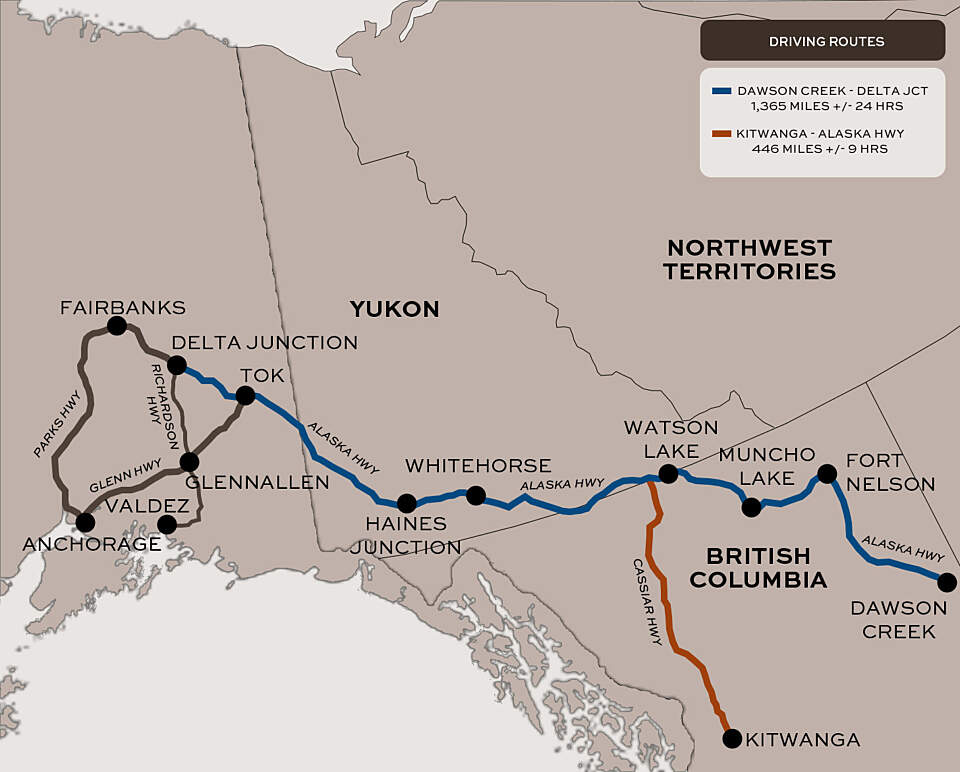
This isn’t just about reaching a destination; it’s about the extraordinary journey itself. The primary route, famously known as the Alaska Highway or the Alcan Highway, spans thousands of miles through Canada’s diverse provinces and territories before crossing into the United States and finally into Alaska. It’s a route steeped in history, built during World War II as a military supply line, and now serves as a gateway for tourists seeking adventure and exploration. Along this legendary path, travelers encounter majestic mountain ranges, pristine forests, shimmering lakes, and an abundance of wildlife. The experience offers a unique blend of solitude and camaraderie, as you share the road with fellow adventurers, all drawn by the allure of Alaska’s call. From planning your vehicle’s readiness to understanding border crossing procedures and finding the perfect accommodations along the way, we’ll cover every aspect to ensure your drive is as smooth and enjoyable as the stunning scenery you’ll encounter.
The Iconic Alaska Highway: Your Gateway North
The Alaska Highway is the legendary artery connecting the lower 48 states to Alaska, traversing through a diverse array of landscapes that captivate the soul. Originating in Dawson Creek, British Columbia, and stretching approximately 1,387 miles (2,232 kilometers) to Delta Junction, Alaska, it’s a testament to human ingenuity and a corridor to some of the most spectacular natural beauty on Earth. Planning for this extensive drive requires careful consideration of several factors, from vehicle preparation to essential documentation, ensuring a safe and memorable trip. Understanding the nuances of this iconic route is the first step toward a successful Alaska adventure.
Preparing for the Journey
Before you even think about setting out, thorough preparation of your vehicle is paramount. The Alaska Highway, while mostly paved, can have stretches of gravel, construction zones, and varying road conditions depending on the season. A full mechanical inspection is highly recommended. Check your tires, including the spare, for wear and proper inflation. Ensure your brakes, fluids, battery, and lights are all in excellent working order. Consider carrying extra oil, coolant, and an emergency repair kit, including a tire patch kit or sealant. Given the remote nature of some sections, reliable communication can be challenging, so a satellite phone or a CB radio could be invaluable.
Beyond the vehicle, packing smart is crucial. Prepare for all types of weather, as conditions can change rapidly. Layered clothing is essential, even in summer. Don’t forget bug spray, sunscreen, first-aid supplies, a cooler with snacks and drinks, and a detailed map or GPS system with offline capabilities, as cell service will be sporadic. For those planning to camp, bring appropriate gear for various temperatures. If you’re traveling with pets, ensure they have up-to-date vaccinations and proper documentation for border crossings.
Essential Documents and Border Crossings
Crossing the international border between the United States and Canada requires specific documentation. For U.S. citizens, a valid passport is the most straightforward form of identification. Enhanced Driver’s Licenses (EDL) are also accepted by some states. Non-U.S. citizens will need to check Canadian immigration requirements for their specific nationality. Ensure all vehicle registration documents, proof of insurance, and a valid driver’s license are readily accessible. You’ll also need to declare any firearms, excessive alcohol, or tobacco products. Be aware of restrictions on certain food items, plants, and other goods.
Customs and border patrol officers are thorough; be prepared to answer questions about your travel plans, duration of stay, and items you’re bringing across. Honesty and patience are key. It’s also wise to check the latest travel advisories and border regulations from both the Canadian Border Services Agency (CBSA) and U.S. Customs and Border Protection (CBP) before your trip, as requirements can change. This due diligence ensures a smooth and stress-free crossing, allowing you to focus on the adventure ahead.
Navigating the Scenic Route: Highlights and Stops
The drive to Alaska is an immersive experience, a journey where the stops are as significant as the destination. The sheer scale of the landscape and the diversity of attractions demand a flexible itinerary, allowing for spontaneous detours and prolonged appreciation of truly spectacular sights. From the lush forests of British Columbia to the vast wilderness of the Yukon Territory, and finally into the Last Frontier itself, every mile brings new discoveries.
Through British Columbia and Yukon Territory
Starting your journey from Dawson Creek, the official Mile 0 of the Alaska Highway, you’ll quickly be immersed in the rolling hills and dense forests of British Columbia. Early highlights include Fort Nelson, a key supply stop, and the stunning natural beauty of Muncho Lake Provincial Park, where jade-green waters reflect towering mountains, creating postcard-perfect vistas. A must-visit is the Liard River Hot Springs Provincial Park, Canada’s second-largest natural hot springs, offering a therapeutic soak amidst a boreal forest, often frequented by moose.
As you cross into the Yukon Territory, the landscape becomes more rugged and vast. Watson Lake is home to the quirky Sign Post Forest, an ever-growing collection of signs from around the world left by travelers. Further north, Whitehorse, the territorial capital, offers a blend of historical sites like the SS Klondike National Historic Site and modern amenities, making it an excellent place to rest and resupply. The sheer scale of Kluane National Park and Reserve, home to Mount Logan, Canada’s highest peak, is a sight to behold, offering opportunities for hiking, wildlife viewing, and unparalleled photography. Alternatively, some travelers opt for the Cassiar Highway (Highway 37) through British Columbia for an even more remote and scenic experience before rejoining the Alaska Highway near Watson Lake.
Entering the Last Frontier
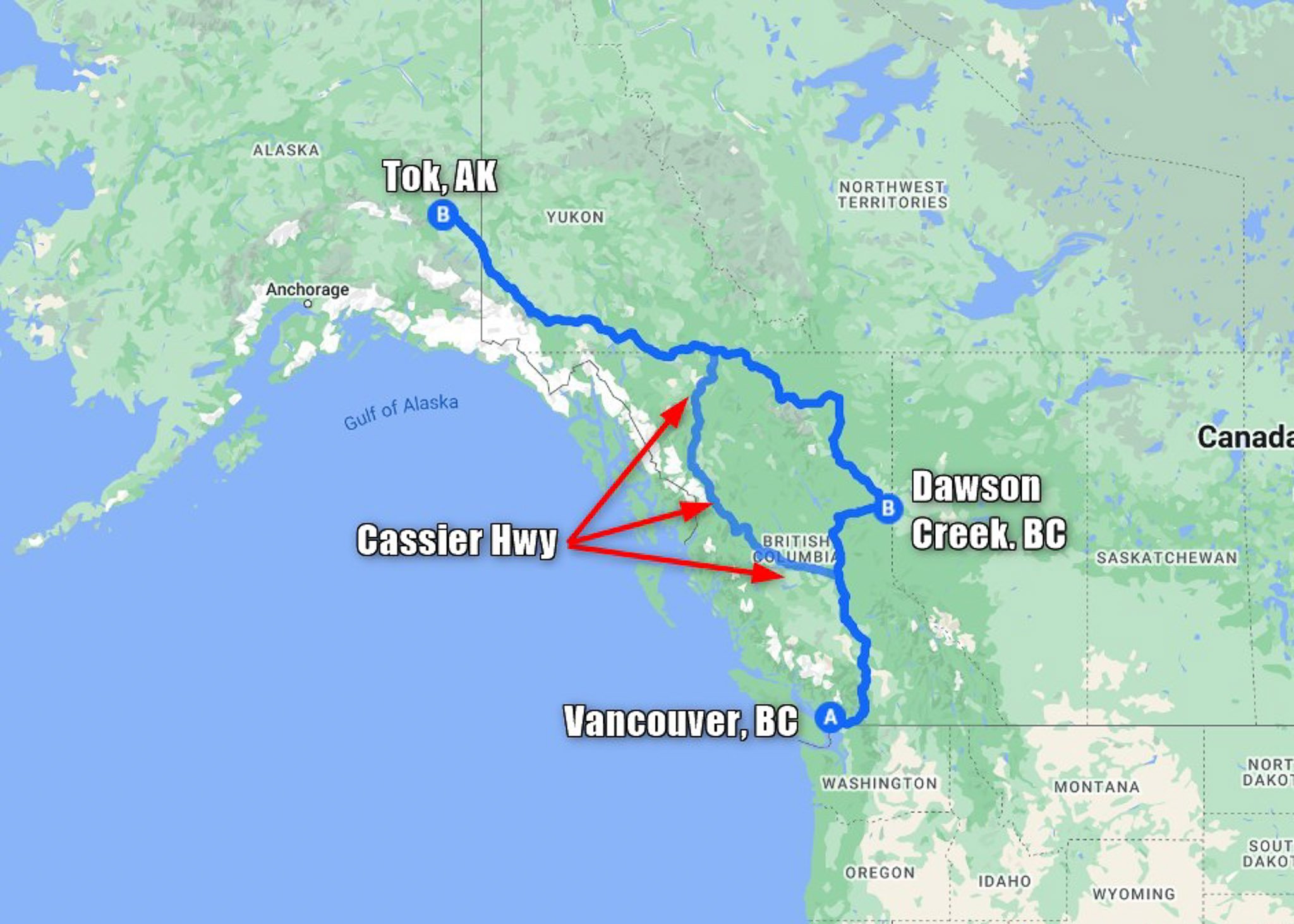
Finally, you’ll cross into Alaska near Tok, often called the “Gateway to Alaska.” From here, the adventure continues with incredible choices. You can head north to Fairbanks, Alaska’s second-largest city, known for its Gold Rush history, the University of Alaska Museum of the North, and as an excellent base for viewing the Northern Lights during appropriate seasons. Alternatively, a popular detour from Tok is the Top of the World Highway, a gravel road leading to Dawson City, Yukon, a historic gold-mining town that feels like a step back in time. This route requires a ferry crossing over the Yukon River but rewards travelers with unparalleled panoramic views.
Further south, the route leads to Anchorage, Alaska’s largest city, offering urban amenities amidst wilderness access. En route to Anchorage, you’ll pass through the vicinity of Denali National Park and Preserve, home to Mount Denali, North America’s highest peak. While private vehicles can only go a short distance into the park, shuttle buses provide access to its interior for unparalleled wildlife viewing and breathtaking scenery. The Alaska Wildlife Conservation Center near Girdwood is another excellent stop, offering guaranteed sightings of Alaskan wildlife in a natural setting. Each region of Alaska presents unique experiences, from coastal towns like Seward and Homer to the rugged interior.
Accommodation and Lifestyle On the Road
A road trip of this magnitude means you’ll spend many nights away from home, making accommodation choices a significant part of the overall experience. Whether you prefer the comfort of a hotel room, the adventure of camping under the stars, or something in between, the Alaska Highway and its surrounding areas offer a range of options to suit every preference and budget. Embracing the road trip lifestyle involves more than just driving; it’s about connecting with the journey, the people, and the pristine environment around you.
Where to Stay: Hotels, Resorts, and Campgrounds
Throughout British Columbia, the Yukon Territory, and Alaska, you’ll find various types of lodging. In larger towns like Prince George, Fort St. John, Whitehorse, Fairbanks, and Anchorage, chain hotels such as Best Western, Holiday Inn Express, and Hilton Garden Inn offer familiar comforts and amenities like Wi-Fi and breakfast. For a more luxurious stay, consider resorts in scenic locations, such as the Fairmont Hotels in Canada or specific lodges in Alaska near national parks.
However, for many, the true spirit of an Alaska Highway road trip lies in embracing the wilderness. Numerous provincial parks, territorial campgrounds, and private RV parks dot the route, providing opportunities for tent camping or RV hookups. These often come with basic amenities like picnic tables, fire pits, and sometimes even showers and laundry facilities. Booking ahead, especially during peak summer months, is advisable for popular campgrounds and hotels, particularly in smaller, remote towns where options are limited. Consulting travel guides and online accommodation platforms (Booking.com, Expedia) for reviews and comparisons is always a smart move. Long-term stay options might be available in larger cities if you plan to explore a region more thoroughly.
Embracing the Road Trip Lifestyle
Driving to Alaska is a journey that lends itself to a particular lifestyle. It’s about slowing down, appreciating the vast open spaces, and being prepared for anything. This lifestyle caters to both budget travelers, who might opt for more camping and cooking their own meals, and luxury travelers, who can find upscale lodges and fine dining in larger towns. Family trips can be incredibly rewarding, creating shared experiences that strengthen bonds and introduce children to the wonders of nature. For business stays, combining a drive with remote work in a scenic location might even be feasible in areas with better connectivity.
Embrace flexibility; while having a general itinerary is good, be open to changing plans based on weather, unexpected discoveries, or local recommendations. Engage with the local culture by stopping at small-town diners, visiting local museums, and interacting with residents. Try local delicacies like fresh salmon in Alaska or poutine in Canada. The lifestyle of driving to Alaska is one of self-reliance, wonder, and continuous exploration, fostering a deeper connection with the journey itself rather than solely the destination.
Practical Tips for an Unforgettable Adventure
To ensure your drive to Alaska is not only memorable but also smooth and hassle-free, a few practical considerations are essential. From timing your trip to knowing what to carry and how to handle unforeseen circumstances, these tips will equip you for the ultimate North American road trip.
Best Time to Drive and What to Pack
The best time to drive the Alaska Highway is typically between late May and early September. During these summer months, you’ll experience longer daylight hours, more favorable road conditions, and all services (lodging, gas, attractions) will be fully operational. The weather is generally milder, although rain is always a possibility, and mountain passes can still see snow even in summer. Driving in the shoulder seasons (May, September) can offer fewer crowds and stunning fall colors, but be prepared for colder temperatures and potentially more limited services. Winter driving is only for the most experienced and well-equipped adventurers, due to extreme cold, heavy snow, and reduced daylight.
When packing, think layers. Temperatures can vary significantly between day and night, and between different elevations. Include sturdy hiking boots, a waterproof jacket and pants, warm fleeces, and a hat and gloves, even in summer. Don’t forget sunglasses, binoculars for wildlife viewing, and a good camera to capture the stunning landscapes. For vehicle supplies, carry at least one full spare tire (two is better for peace of mind), a jack, tire iron, jumper cables, a small air compressor, and a basic tool kit. Fuel stations can be sparse on some stretches, so carrying an extra jerry can of fuel is a wise precaution, especially if you have a vehicle with a smaller fuel tank or if you notice prices are significantly lower at certain stations.

Safety and Communication Considerations
Safety on the Alaska Highway is paramount. Wildlife encounters, especially with moose, bear, and caribou, are common. Drive defensively, particularly at dawn, dusk, and night, and adhere to speed limits. If you see wildlife, slow down and never approach wild animals. Carry bear spray and know how to use it if you plan on hiking or spending time outdoors in remote areas. It’s also a good idea to let someone know your general itinerary and check in periodically, especially when traveling through areas with limited cell service.
Cell phone coverage is intermittent along large portions of the highway, particularly in the Yukon and northern British Columbia. Consider renting or purchasing a satellite phone for emergencies, or a SPOT device for tracking and emergency communication. Many hotels and gas stations offer Wi-Fi, allowing you to connect when available. Keep a supply of cash, especially smaller denominations, as some remote businesses might not accept credit cards or might have minimum purchase requirements. Finally, embrace the spirit of adventure, but always prioritize safety. With careful planning and an open mind, driving to Alaska will be one of the most rewarding travel experiences of your life, connecting you deeply with the incredible wilderness and culture of North America’s last true frontier.
LifeOutOfTheBox is a participant in the Amazon Services LLC Associates Program, an affiliate advertising program designed to provide a means for sites to earn advertising fees by advertising and linking to Amazon.com. Amazon, the Amazon logo, AmazonSupply, and the AmazonSupply logo are trademarks of Amazon.com, Inc. or its affiliates. As an Amazon Associate we earn affiliate commissions from qualifying purchases.