
For many intrepid travelers, the idea of a grand road trip to Alaska, the United States’ sprawling Last Frontier, conjures images of endless highways winding through breathtaking wilderness. However, a common question often arises, particularly for those planning an extensive journey: “Can I drive to Alaska without going through Canada?” The answer, in short, is not by conventional road. Yet, an extraordinary alternative exists, transforming what seems like a geographical impossibility into an unforgettable travel experience.
This article delves into the realities of reaching Alaska by land, exploring the well-trodden paths, the motivations behind seeking an all-United States route, and the unique maritime adventure that awaits those determined to bypass their northern neighbor. Prepare to discover how you can indeed embark on an epic journey to the 49th state, even if it means swapping asphalt for the open sea.
The Straightforward Answer: A Geographic Reality
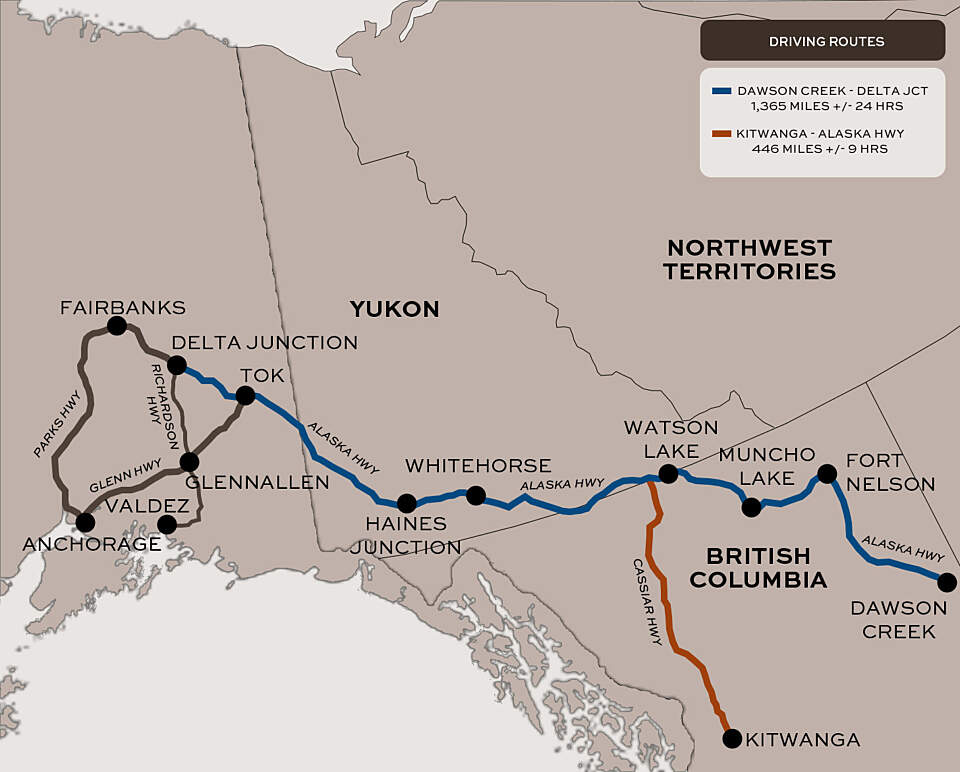
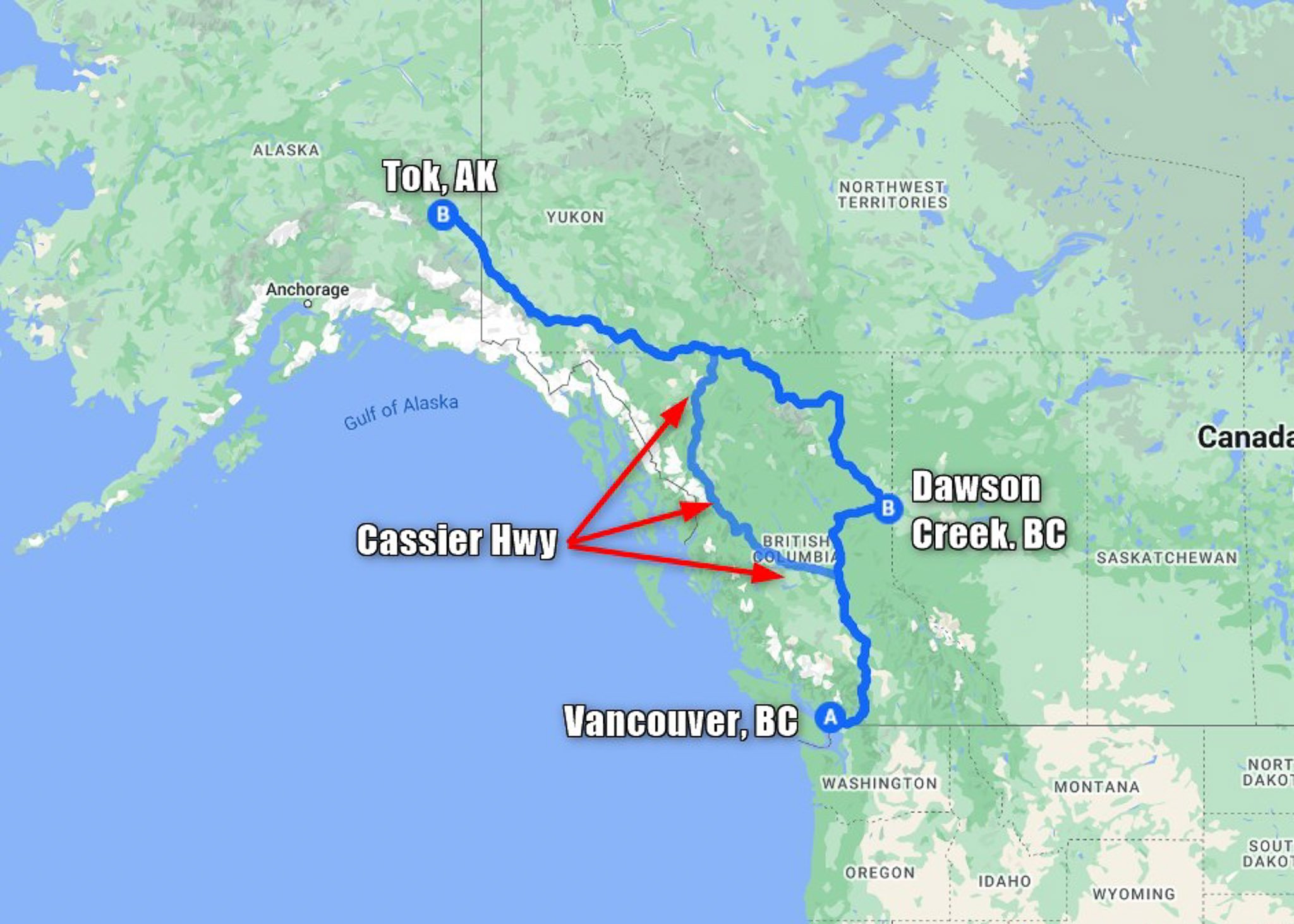
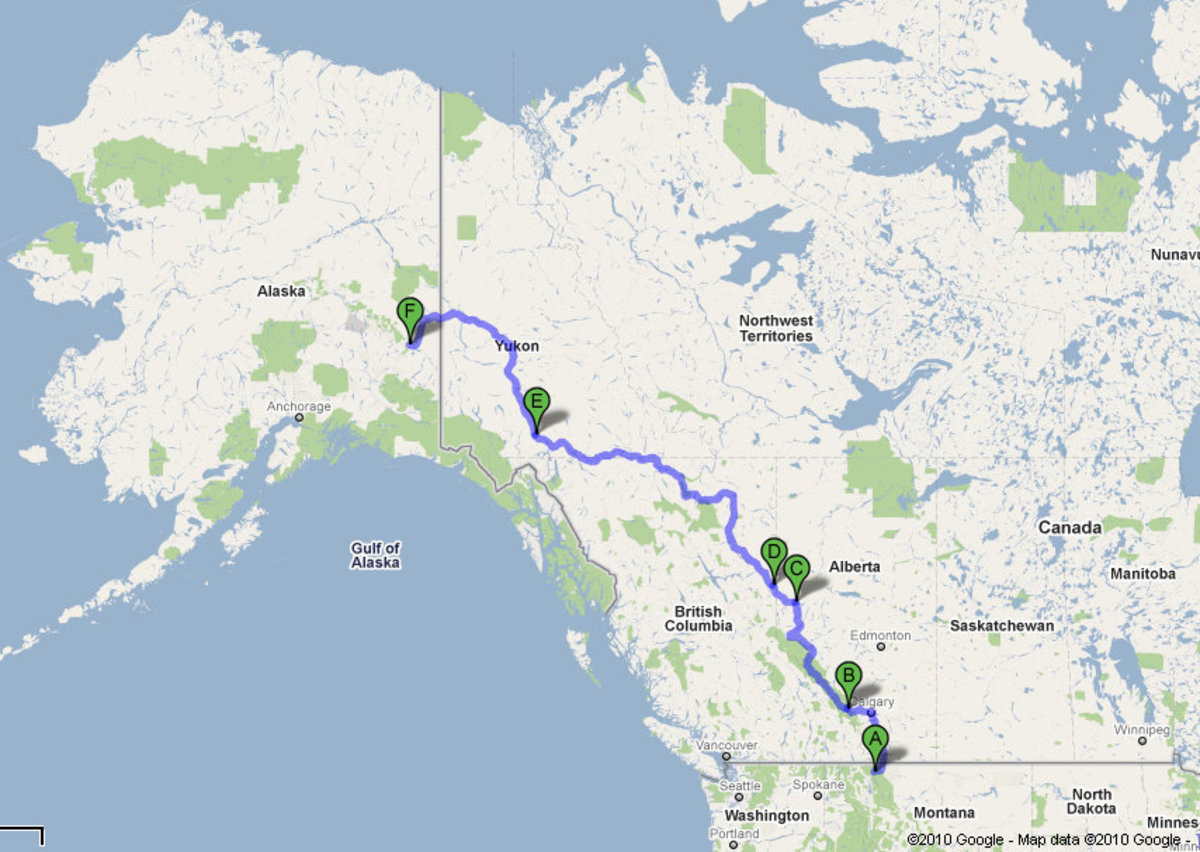
Understanding why a direct road route to Alaska from the contiguous United States is impossible requires a glance at the map. The vast expanse of Canada physically separates Alaska from the lower 48 states, making border crossings an inherent part of any overland adventure.
The Conventional Path: The Alaska Highway
The most famous and frequently traveled route to Alaska by car is undoubtedly the Alaska Highway. Conceived during World War II as a military supply road, this iconic artery stretches approximately 1,387 miles (2,232 kilometers) from Dawson Creek, British Columbia, Canada, to Delta Junction, Alaska. It is a journey revered by road-trippers, offering unparalleled views of pristine wilderness, opportunities for wildlife viewing, and a sense of rugged adventure that epitomizes the spirit of North American exploration.
Driving the Alaska Highway typically involves passing through multiple provinces and territories in Canada, including British Columbia and Yukon. While this route is largely paved and well-maintained today, it remains a significant undertaking, requiring careful planning for fuel stops, accommodation, and vehicle preparation. Travelers choosing this route embrace the international nature of the journey, recognizing that the Canadian landscape is an integral part of the Alaskan experience.
Why an All-American Road Route Isn’t Possible
The simple truth is that no roads connect the lower 48 states directly to Alaska without traversing Canadian territory. Geographically, Alaska is an exclave of the United States, meaning it is a portion of a country geographically separated from the main part by surrounding foreign territory. In this case, that foreign territory is Canada.
While the idea of building a road through the vast, rugged, and often frozen landscapes of western Canada purely to avoid border crossings has been discussed in various forms over the years, the logistical, environmental, and financial challenges are immense. The existing Alaska Highway serves the purpose efficiently, making any alternative land route an unlikely prospect in the foreseeable future. Therefore, for those committed to an “all-American” journey to Alaska with their vehicle, a unique and scenic maritime alternative stands ready.
Navigating North: The Alaska Marine Highway System (AMHS)
If driving through Canada is not an option or preference, the Alaska Marine Highway System (AMHS) offers a captivating and entirely distinct way to reach the Last Frontier with your vehicle. This state-operated ferry service is not merely transportation; it’s an immersive journey through some of the most spectacular coastal scenery on Earth.
What is the Alaska Marine Highway System?
The Alaska Marine Highway System is a network of ferries that serves the coastal communities of Alaska, stretching over 3,500 miles from Bellingham, Washington, to the Aleutian Islands. It has been designated a National Scenic Byway and an All-American Road due to its unparalleled beauty and cultural significance. These blue-and-white vessels function as a lifeline for many remote Alaskan towns, providing essential transport for people, goods, and, crucially, vehicles.
For travelers seeking to avoid Canada, the route originating from Bellingham is the primary choice. This journey sails north through the famed Inside Passage, hugging the rugged coastlines of British Columbia without requiring passengers or their vehicles to disembark on Canadian soil. It’s a true “drive to Alaska” experience, even if the “driving” part is temporarily suspended while your vehicle rests securely in the ship’s hold.
Planning Your Ferry Journey
Embarking on an Alaska Marine Highway System adventure requires meticulous planning, much like any significant road trip.
- Routes and Ports: The most common starting point for an all-United States journey is Bellingham, Washington. From there, ferries typically call at various Alaskan ports, including popular destinations like Ketchikan, Wrangell, Petersburg, Sitka, Juneau (the state capital), Haines, and Skagway. For those wishing to access the road system further north, getting off in Haines or Skagway is essential, as these towns connect to the Alaskan and Yukon highway networks. If you want to get closer to Anchorage or Fairbanks without any overland driving, some routes extend to Whittier or Valdez.
- Booking: Reservations are crucial, especially if you’re traveling with a vehicle. The AMHS operates on a seasonal schedule, and popular dates, especially in summer, can book up months in advance. You’ll need to specify your vehicle’s exact length, height, and width, as these dimensions directly impact the fare.
- Vehicles: The ferries accommodate a wide range of vehicles, from standard cars and motorcycles to RVs, trucks, and even bicycles. Ensure your vehicle is properly secured and prepared for the journey. You’ll generally not have access to your vehicle during the voyage.
- Costs: The Alaska Marine Highway System is not a budget option, but it offers immense value for the experience. Fares are calculated based on the passenger count, vehicle size, and the length of the journey. Cabins are an additional cost but are highly recommended for longer voyages, offering privacy and comfort. Deck passage is also an option for those on a tighter budget, with designated areas for sleeping bags and tents.
- Duration: A journey from Bellingham to Juneau can take approximately 36-40 hours, while reaching Skagway or Haines could extend to 2.5 to 3 days, depending on the schedule and number of stops. These are continuous travel times; if you opt to disembark and explore various ports, your overall journey will be longer.
The Ferry Experience: More Than Just Transport
Traveling on the Alaska Marine Highway System is an experience in itself, akin to a leisurely cruise rather than a mere ferry ride.
- Scenic Views: The Inside Passage is renowned for its breathtaking beauty. Passengers are treated to panoramic views of dense evergreen forests, towering snow-capped mountains, dramatic fjords, and shimmering glaciers that calve into the sea. The ever-changing scenery from the observation decks is a photographer’s dream.
- Wildlife Viewing: The waters of the Inside Passage teem with wildlife. Keep an eye out for whales (orcas, humpbacks, gray whales), dolphins, sea lions, seals, and a myriad of seabirds, including majestic eagles soaring overhead. Sometimes, passengers even spot bears or deer on the shoreline.
- Onboard Amenities: While not luxury cruise ships, AMHS ferries offer comfortable amenities. You’ll find cafeterias or dining rooms, lounges, observation decks, and, for those who book them, private cabins with beds and bathrooms. Many travelers enjoy the camaraderie of fellow passengers, sharing stories and tips in the communal areas. For those camping on deck, there are often designated areas and facilities available.
This unique journey allows travelers to relax, enjoy the maritime scenery, and arrive in Alaska refreshed and ready for overland exploration, all without having to navigate Canadian customs or roads.
Why Seek an Alternative? Understanding the Motivation
For many, the question of avoiding Canada isn’t merely academic; it stems from practical concerns, personal preferences, or a desire for a particular type of adventure.
Border Crossing Concerns
One of the most common reasons travelers investigate alternatives to driving through Canada involves concerns about border crossing procedures and requirements.
- Passports and Documentation: While United States and Canadian citizens typically have relatively smooth border crossings, a valid passport or an equivalent WHTI-compliant document (like an Enhanced Driver’s License for some states) is mandatory for land travel between the two countries. For non-US/Canadian citizens, additional visa requirements for Canada might complicate the journey.
- Pets: Traveling with pets can introduce another layer of complexity. Canada has specific requirements for importing pets, including proof of rabies vaccination and potentially a veterinary certificate of health. While generally straightforward, some travelers prefer to avoid the extra paperwork and potential scrutiny, especially if their pets are anxious travelers.
- Vehicle Requirements: While less common, certain vehicle modifications or past legal issues could theoretically cause delays or complications at the border. The AMHS eliminates these concerns by keeping the entire journey within United States jurisdiction (or international waters, bypassing Canadian land entry).
An All-American Adventure
Beyond practicalities, for some travelers, the desire to reach Alaska via an entirely American route is a matter of patriotic pride or a unique travel aspiration. It presents a distinctive challenge and a story to tell – an epic journey from the lower 48 to Alaska without setting a wheel on foreign soil. This niche appeal adds to the allure of the Alaska Marine Highway System, making it an integral part of the “all-American adventure” lifestyle. It transforms the trip from a simple drive into a multi-modal expedition, combining the open road with the tranquility of a sea voyage.
Preparing for Your Alaskan Expedition
Whether you choose the overland route through Canada or the scenic ferry ride, preparing for your journey to Alaska is paramount. This expedition is unlike most other road trips and demands careful consideration for vehicle, supplies, and budget.
Vehicle Preparation and Essential Supplies
Your vehicle is your lifeline on an Alaskan adventure. Ensure it’s in peak condition before setting off.
- Maintenance: A thorough inspection and service are critical. Check tires (including the spare), brakes, fluids, battery, and lights. Consider an oil change and filter replacement.
- Emergency Kit: Pack a comprehensive emergency kit. This should include jumper cables, basic tools, a first-aid kit, a flashlight, blankets, non-perishable food, plenty of water, and roadside flares or reflective triangles.
- Navigation: While GPS is common, physical maps (like the Milepost for the Alaska Highway) are highly recommended, especially in areas with spotty cell service.
- Fuel and Supplies: Fuel stations can be scarce in remote areas. Consider carrying an extra fuel can. Stock up on snacks, drinks, and any specialized gear you might need for outdoor activities.
- Tire Repair: Punctures are not uncommon on remote roads. A tire patch kit and portable air compressor can be invaluable.
- Connectivity: Satellite phones or devices like a Garmin InReach can provide essential communication in areas without cell service.
Budgeting for an Unforgettable Journey
An Alaskan adventure, whether by land or sea, is an investment. Proper budgeting ensures a stress-free and enjoyable experience.
- Fuel: This will be a significant expense, especially given the vast distances. Factor in higher fuel prices in remote areas.
- Ferry Fares: If choosing the AMHS, the ferry fare for yourself and your vehicle will be a substantial part of your budget. Don’t forget cabin costs if desired.
- Accommodation: Your trip will likely involve a mix of hotels, motels, resorts, or campgrounds. Research options in advance, especially in popular towns or national parks. Many unique lodging options exist, from luxury suites to rustic cabins.
- Food: Eating out can add up quickly. Plan for some self-catering, especially if you have cooking facilities in your RV or access to apartments or villas along the way.
- Activities and Excursions: Budget for unique Alaskan experiences like [wildlife viewing](https://lifeoutofthebox.com/wildlife-viewing tours), fishing charters, glacier tours, or visits to national parks.
- Contingency Fund: Always set aside extra funds for unexpected expenses, vehicle repairs, or delightful detours.
Planning is key to turning a potentially stressful trip into a journey filled with incredible memories and seamless travel experiences.
The Allure of the Last Frontier
Reaching Alaska, whether via the Canadian overland route or the Alaska Marine Highway System, is just the beginning of an extraordinary adventure. The state itself is a destination of unparalleled beauty and endless exploration, offering a unique blend of rugged wilderness and vibrant local culture.
Iconic Alaskan Landmarks and Experiences
Alaska is a land of superlatives, home to some of the most impressive natural landmarks and exhilarating activities in North America.
- Denali National Park: Home to Mount Denali, North America’s highest peak, this park offers unparalleled opportunities for hiking, wildlife viewing (including grizzly bears, moose, and caribou), and bus tours deep into its wilderness.
- Kenai Fjords National Park: Experience the dramatic coastline, tidewater glaciers, and abundant marine wildlife by taking a boat tour from Seward.
- Mendenhall Glacier: Just outside Juneau, this accessible glacier offers stunning views, hiking trails, and opportunities to visit the Nugget Falls.
- Anchorage: As Alaska’s largest city, Anchorage serves as a hub for adventures, with museums, fine dining, and easy access to surrounding wilderness.
- Fairbanks: Known as the “Golden Heart City,” Fairbanks is a gateway to the Arctic and one of the best places in the world to witness the Northern Lights (aurora borealis) during winter.
- Alaskan Fishing: Whether fly-fishing for salmon in pristine rivers or deep-sea fishing for halibut, Alaska offers world-class angling experiences.
Accommodation and Lifestyle in Alaska
Alaska caters to a diverse range of travel styles and budgets, from luxury adventures to more rustic retreats.
- Hotels and Resorts: Major cities and tourist hubs offer a range of modern hotels, boutique accommodations, and upscale resorts with amenities like spas and gourmet dining. You can find everything from Grand Hyatt Hotel equivalents in Anchorage to charming, locally run lodges near national parks.
- Cabins and Lodges: For a truly immersive experience, consider staying in a remote cabin or a wilderness lodge. These often provide a deeper connection to nature and a more authentic Alaskan lifestyle.
- Camping: Alaska is a camper’s paradise, with numerous state and national park campgrounds offering stunning backdrops for your outdoor adventure.
- Local Culture and Food: Immerse yourself in the rich local culture of Alaska, from Native Alaskan heritage to the frontier spirit of its gold rush towns. Savor fresh seafood, particularly salmon and halibut, and explore local eateries that offer hearty, comforting meals.
Whether you’re seeking a luxury travel experience with guided tours or a budget travel adventure exploring on your own, Alaska provides a diverse array of options for family trips, solo explorers, and business stays alike. The journey to Alaska is challenging, rewarding, and offers memories that last a lifetime, regardless of the route you choose.
In conclusion, while a direct road from the contiguous United States to Alaska without entering Canada is not feasible, the magnificent Alaska Marine Highway System presents a compelling and equally adventurous alternative. This unique ferry system allows you to transport your vehicle through the stunning Inside Passage, offering an “all-American” route that combines the thrill of a road trip with the serenity of a sea voyage. So, pack your bags, prepare your vehicle, and choose your preferred path – the call of the Last Frontier awaits!
LifeOutOfTheBox is a participant in the Amazon Services LLC Associates Program, an affiliate advertising program designed to provide a means for sites to earn advertising fees by advertising and linking to Amazon.com. Amazon, the Amazon logo, AmazonSupply, and the AmazonSupply logo are trademarks of Amazon.com, Inc. or its affiliates. As an Amazon Associate we earn affiliate commissions from qualifying purchases.