
The celestial ballet of the Northern Lights, also known as the Aurora Borealis, is a phenomenon that captivates the imagination and beckons travelers from across the globe. For many, witnessing this ethereal glow dance across the dark night sky is a bucket-list experience. When considering the prime locations for such an extraordinary display, one destination consistently shines brighter than the rest: Alaska. Often referred to as “The Last Frontier” or “The Greatland”, Alaska offers unparalleled opportunities to see the Aurora Borealis, thanks to its high latitude, vast wilderness, and minimal light pollution.
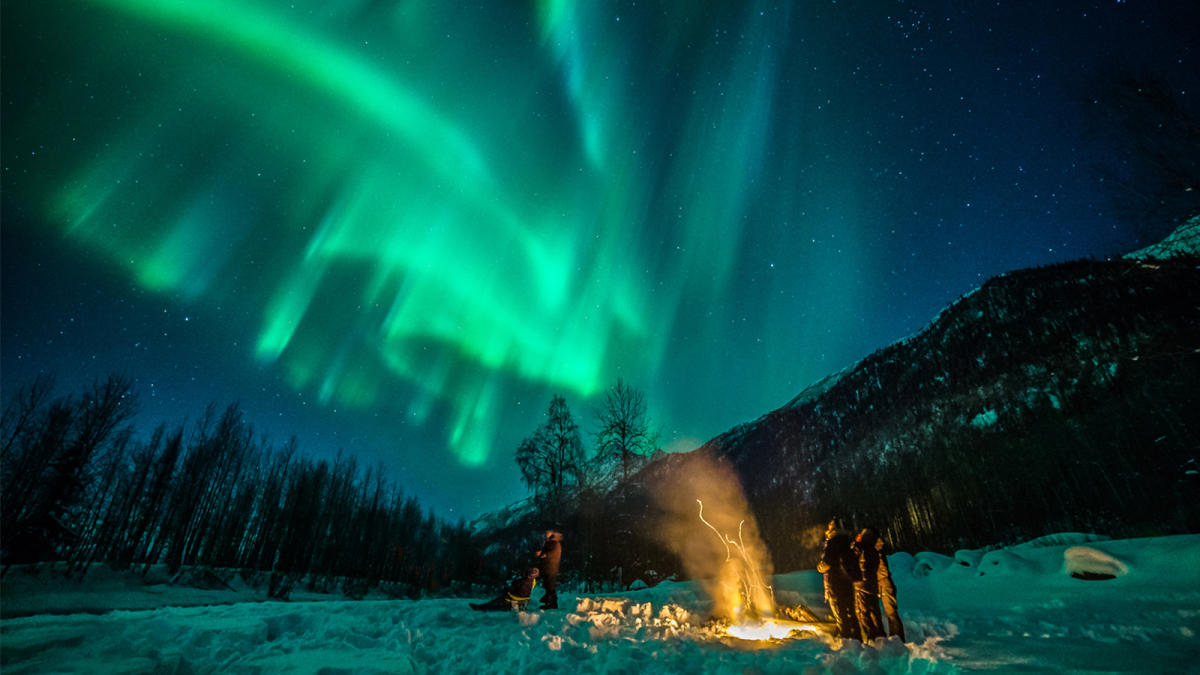
This comprehensive guide will delve into why Alaska is not just a viable option, but arguably the best place in the United States and indeed North America to chase the lights. We’ll explore the science behind this natural wonder, pinpoint the best times and locations for viewing, suggest ideal accommodations, and recommend activities that complete an unforgettable Alaskan adventure. Whether you’re a seasoned aurora chaser or planning your first luminous journey, prepare to be enchanted by the magic of the Alaskan skies.
The Allure of the Aurora: Understanding the Northern Lights in Alaska
The decision to visit Alaska for the Northern Lights isn’t just about geographical proximity; it’s about a unique combination of factors that make the state an aurora hotspot. Understanding these elements can significantly enhance your chances of witnessing a truly spectacular show.
What Makes Alaska an Aurora Hotspot?
Alaska’s position on the globe is its primary advantage. The state lies directly beneath the Aurora Oval, a band of intense auroral activity that encircles the Earth’s geomagnetic poles. This oval shifts slightly with solar activity, but a significant portion of Alaska remains consistently within this prime viewing zone. Places like Fairbanks, for instance, boast an impressive average of 243 clear nights per year, making it one of the best aurora viewing cities globally.
Beyond its latitude, Alaska’s immense size and sparsely populated regions contribute to its aurora-chasing appeal. Vast expanses of wilderness, far removed from urban light pollution, offer pristine dark skies – a crucial ingredient for spotting the often-faint glow of the aurora. Unlike some other aurora destinations in Europe or Scandinavia like Iceland, Norway, Sweden, or Finland which can experience significant cloud cover, parts of Alaska often benefit from clearer, drier winter weather patterns.
The Science Behind the Spectacle
To truly appreciate the Aurora Borealis, it helps to understand its origins. This natural light show begins on the sun, specifically with solar flares and coronal mass ejections that release streams of electrically charged particles into space. These particles travel at incredible speeds towards Earth.
Upon reaching our planet, these solar particles collide with the Earth’s magnetic field. Instead of penetrating directly, they are drawn towards the magnetic poles. As they interact with oxygen and nitrogen atoms and molecules in the Earth’s upper atmosphere, they excite these atmospheric gases. When these excited gases return to their normal state, they emit light – much like a neon sign. The color of the aurora depends on the type of gas and the altitude at which the collision occurs. Green, the most common color, results from oxygen collisions at lower altitudes, while red comes from higher-altitude oxygen. Blues and purples are produced by nitrogen. The dancing, swirling patterns we observe are a result of these charged particles being buffeted by solar winds and Earth’s magnetic field lines, creating an ever-changing celestial performance. Organizations like NASA and NOAA constantly monitor solar activity, providing valuable forecasts for aurora hunters.
Timing Your Alaskan Aurora Adventure
While Alaska offers prime viewing conditions, timing your visit correctly is paramount to increasing your chances of a successful aurora sighting.
When to Chase the Lights: Best Seasons and Months
The optimal time to witness the Northern Lights in Alaska is during the darker months, which generally span from late August to late April. Within this window, the shoulder seasons – late August through September and March through early April – can offer milder weather and beautiful fall or spring scenery, often with less intense cold than mid-winter. However, the deepest winter months, from November to February, provide the longest hours of darkness, maximizing the potential viewing time each night.
- Late August – September: This period offers a unique opportunity to see the aurora reflected in lakes and rivers before they freeze. Temperatures are milder, and hiking opportunities are still abundant.
- October – February: The heart of winter, offering the longest nights and often very cold, clear conditions. This is when the aurora is often at its most vibrant.
- March – April: As spring approaches, daylight hours increase, but there’s still ample darkness for aurora viewing. This can be a great time for winter sports enthusiasts to combine activities with aurora hunting.
It’s also worth noting the 11-year solar cycle. The aurora’s intensity is directly correlated with solar activity. We are currently approaching a Solar Maximum, which means the coming years are expected to offer some of the most spectacular displays in decades, making now an excellent time to plan your trip. During a Solar Minimum, auroral displays can be less frequent or less intense.
Maximizing Your Chances: Weather, Darkness, and Patience
Beyond the season, several factors influence your success:
- Darkness: You need truly dark skies. This means getting away from city lights. Even a full moon can diminish the visibility of fainter auroras, though a strong display will still shine through.
- Clear Skies: Clouds are the aurora hunter’s nemesis. Always check the weather forecast. Websites and apps dedicated to aurora forecasting often include cloud cover predictions.
- Patience: The aurora is a natural phenomenon, not a scheduled show. You might need to stay up late, venture out multiple nights, and be prepared for waiting. Many tour operators and accommodations offer “aurora alerts” to notify guests when the lights appear.
- Local Knowledge: Engaging with local guides or staying at aurora-focused lodges significantly increases your odds. They know the best local viewing spots, monitor conditions constantly, and can provide real-time updates.
Aurora Forecasts and Alerts: Your Best Friends
Don’t go into your aurora chase blind! Utilize the resources available to you:
- Geophysical Institute at the University of Alaska Fairbanks: Their website offers a comprehensive 27-day forecast and short-term (1-hour) predictions, along with a “Kp-index” which measures geomagnetic activity. A Kp-index of 3 or higher generally indicates good viewing potential in Alaska.
- NOAA Space Weather Prediction Center: Provides global forecasts and alerts for geomagnetic storms.
- Aurora Tracking Apps: Many smartphone applications provide real-time Kp-index data, cloud cover maps, and even push notifications for aurora activity in your area.
By combining seasonal timing with real-time forecasts and a healthy dose of patience, you can significantly enhance your chances of witnessing the elusive yet magnificent Aurora Borealis.
Top Destinations for Aurora Viewing in Alaska
While the entire state of Alaska offers potential for aurora viewing, certain locations stand out due to their prime position, infrastructure, and unique experiences.
Fairbanks: The Aurora Capital
If there’s one place synonymous with Northern Lights in Alaska, it’s Fairbanks. Situated directly under the Aurora Oval, this vibrant city prides itself on having an excellent track record for aurora sightings. Visitors often report seeing the lights on 80% or more of clear nights if they stay for at least three nights.
Why Fairbanks is ideal:
- Location: Directly beneath the Aurora Oval.
- Clear Skies: Inland location often means less coastal cloud cover.
- Infrastructure: A wide range of hotels, tour operators, and amenities cater specifically to aurora tourists.
- Accessibility: Easily reached via Fairbanks International Airport.
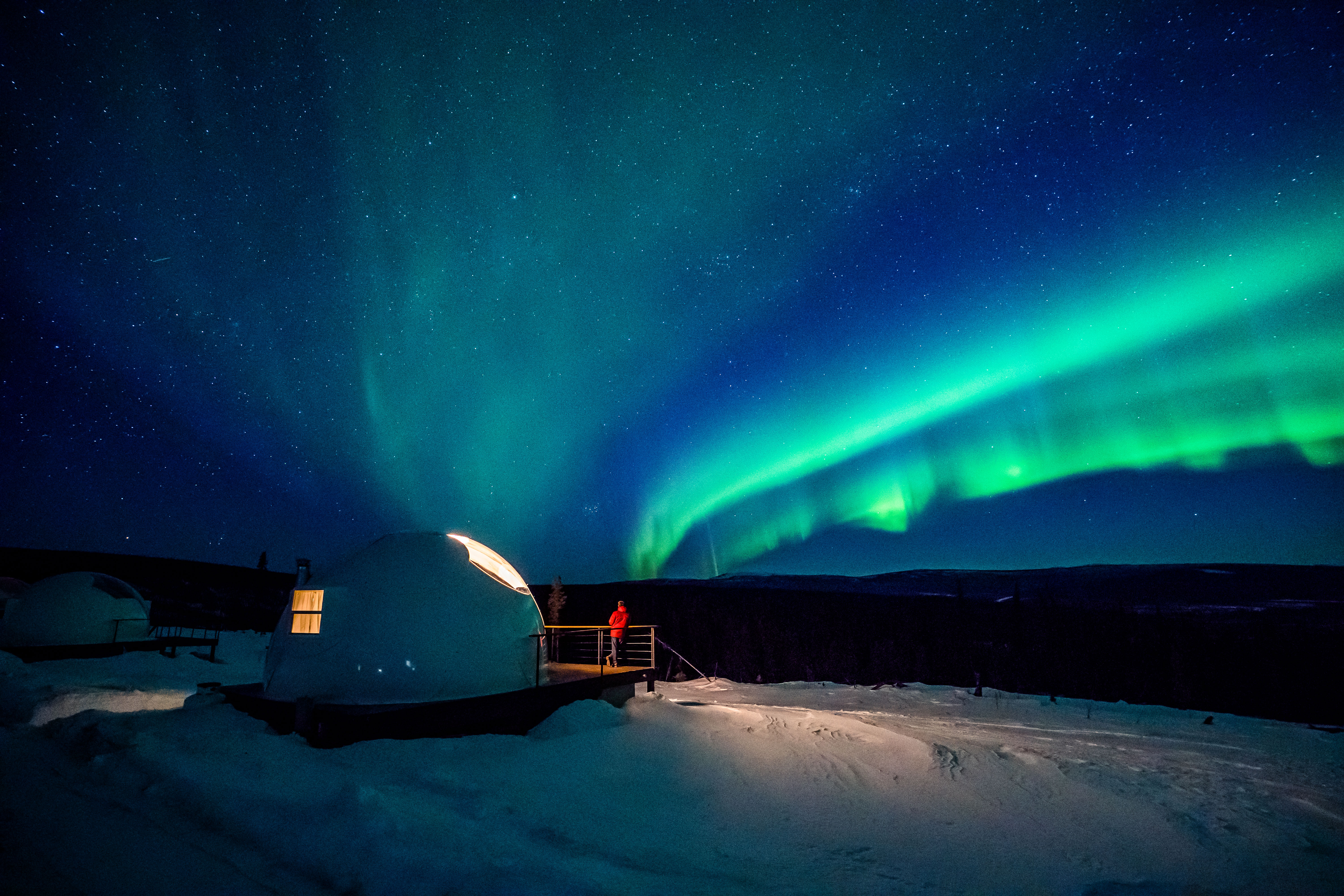
Prime viewing spots around Fairbanks:
- Chena Hot Springs Resort: A popular choice, offering comfortable accommodation, hot springs for relaxation, and dedicated aurora viewing opportunities, including heated “auroriums” and tours. It also features an Ice Museum, a true Alaskan landmark.
- Borealis Basecamp: Offers unique geodesic igloos and cubes with transparent roofs, allowing guests to watch the aurora from the warmth of their beds.
- Murphy Dome: A popular elevated spot just outside Fairbanks with panoramic views and minimal light pollution.
- The Dalton Highway (towards the Arctic Circle): For the truly adventurous, driving north on this remote highway offers progressively darker skies and opportunities for multi-night wilderness stays in places like Coldfoot.
Beyond Fairbanks: Other Prime Viewing Spots
While Fairbanks is a top choice, Alaska offers other fantastic locations for aurora chasing, each with its own charm and unique experiences.
- Anchorage and Southcentral Alaska: While Anchorage itself has too much light pollution for prime viewing, venturing just an hour or two outside the city can yield excellent results. Places like Girdwood, Talkeetna, or along the George Parks Highway offer opportunities. The key is to find clear, dark skies away from urban glow. This region is more accessible for many travelers and offers a different range of activities.
- Denali National Park: During the darker months (before the park road fully opens to private vehicles), areas around the park entrance offer incredible dark skies. Imagine seeing the aurora dance above Mount Denali – a truly iconic experience for nature and photography enthusiasts. Accommodation options here range from cozy lodges to cabins.
- Utqiagvik (Barrow): As the northernmost city in the United States, Utqiagvik offers the ultimate high-latitude aurora experience. While difficult and expensive to reach, its proximity to the North Pole means longer periods of darkness and often spectacular auroral displays. This is a journey for the most intrepid travelers seeking a truly remote adventure.
- Coldfoot and the Arctic Circle: Located along the Dalton Highway north of Fairbanks, Coldfoot is a remote outpost in the heart of the Alaskan wilderness. It’s well within the Aurora Oval and offers incredibly dark skies. Visitors can fly or drive there (driving requires preparation) and stay at the Coldfoot Camp for a rugged aurora-chasing experience.
- Yukon-Charley Rivers National Preserve: For those seeking extreme solitude and untouched wilderness, this preserve offers pristine dark skies away from any significant light pollution. Access is primarily by bush plane or boat in summer, making it a truly off-grid option for experienced outdoor enthusiasts.
Planning Your Trip: Accommodation, Tours, and Activities
An aurora-chasing trip to Alaska is more than just waiting for lights; it’s an immersive travel experience. Thoughtful planning for accommodation, tours, and complementary activities will ensure a rich and memorable journey.
Where to Stay: Hotels and Lodges with an Aurora Focus
Choosing the right accommodation can make a significant difference to your aurora experience. Many hotels and lodges in prime viewing areas understand the needs of aurora hunters.
- Aurora-Centric Resorts: As mentioned, places like Chena Hot Springs Resort near Fairbanks offer not just lodging but a complete aurora package. This includes aurora wake-up calls, heated viewing cabins (auroriums), and organized tours to optimal viewing locations.
- Unique Stays: Borealis Basecamp exemplifies luxury travel for aurora viewing with its transparent-roofed accommodations, allowing for comfortable, warm viewing from your bed. These types of unique stays often include meal plans and organized activities.
- Remote Cabins and Wilderness Lodges: For those seeking a more secluded and authentic experience, consider renting a cabin in remote areas. Options range from rustic dry cabins to fully equipped wilderness lodges, offering peace, quiet, and truly dark skies. These often cater to long-term stay guests or those seeking a particular lifestyle experience.
- City Hotels: In cities like Fairbanks, you’ll find a range of hotels, from budget-friendly options to more luxurious suites. While you won’t see the aurora from downtown, these serve as excellent bases for joining guided tours that take you to dark sky locations. When booking, check for amenities like shuttle services to aurora viewing spots or partnerships with tour operators. Read reviews carefully to find the best fit for your travel style.
Guided Tours and Expert Expeditions
For first-time aurora chasers or those who prefer convenience and expertise, guided tours are highly recommended.
- Aurora Van/Bus Tours: Many operators in Fairbanks offer evening tours. They pick you up from your hotel, drive you to known dark sky locations (often with heated shelters), provide hot drinks, and guide you through the experience. They monitor weather and aurora forecasts in real-time.
- Multi-Day Expeditions: For a more in-depth experience, consider multi-day expeditions that venture deep into the Alaskan wilderness, often including a trip across the Arctic Circle via the Dalton Highway or flights to remote lodges. These tours often combine aurora viewing with other winter activities and immerse you in local culture.
- Photography Tours: Specialized tours focus on helping you capture stunning aurora photographs, providing equipment advice and guidance on settings.
Tour operators bring local knowledge, safety, and comfort to your aurora chase, making them an invaluable part of many travel experiences.
Beyond the Lights: Winter Activities and Local Culture
An Alaskan winter trip offers so much more than just the Northern Lights. Embrace the season with these thrilling activities that integrate with the tourism and lifestyle aspects of your journey:
- Dog Sledding: Experience the iconic Alaskan tradition of dog sledding. Many operators offer short rides or multi-day expeditions. Meet the enthusiastic Alaskan Malamute and Siberian Husky teams, and learn about the Iditarod Trail Sled Dog Race.
- Ice Sculpting and Winter Festivals: If you’re visiting in March, don’t miss the World Ice Art Championships in Fairbanks, where artists create breathtaking sculptures from ice. Various winter festivals across the state celebrate the unique joys of the season.
- Hot Springs: Relax and rejuvenate in natural hot springs, such as those at Chena Hot Springs Resort. Imagine soaking in warm mineral waters under a crisp, starlit (and potentially aurora-lit) sky.
- Snowmobiling (Snowmachining): Explore the vast Alaskan wilderness on a snowmobile, navigating frozen trails and expansive landscapes.
- Cross-Country Skiing and Snowshoeing: Enjoy the serene beauty of winter by gliding through snow-covered forests. Trails are abundant, especially around Fairbanks and the White Mountains National Recreation Area.
- Museums and Cultural Sites: Learn about Alaskan history, native cultures, and the Aurora Borealis at places like the Museum of the North in Fairbanks.
- Visit Santa at North Pole: Just a short drive from Fairbanks is the charming town of North Pole, home to Santa Claus House, a festive attraction year-round.
- Alaska Railroad Journeys: Experience scenic winter train rides, connecting destinations like Anchorage, Talkeetna, and Fairbanks, offering unique perspectives on the landscape and comfortable transit.
These activities transform an aurora hunt into a holistic Alaskan adventure, catering to diverse interests and ensuring your trip is filled with unforgettable memories.
Essential Tips for an Unforgettable Aurora Experience
To ensure your Alaskan aurora trip is as comfortable and memorable as possible, a few practical considerations are essential.
Packing for Alaskan Winters: Stay Warm!
The cold in Alaska during winter can be extreme, often dropping to -20°F (-29°C) or colder, especially at night when you’ll be out aurora chasing. Proper clothing is not just about comfort; it’s about safety.
- Layering is Key: Start with a base layer (merino wool or synthetic, no cotton) to wick moisture, add a mid-layer (fleece or down) for insulation, and finish with a waterproof and windproof outer shell.
- Extremities: Invest in high-quality, insulated winter boots (rated for very cold temperatures), thick wool socks, warm mittens (mittens are warmer than gloves), a warm hat that covers your ears, and a neck gaiter or scarf. Hand and foot warmers are also highly recommended.
- Camera Gear Protection: Batteries drain quickly in the cold. Keep spare batteries in an inside pocket to keep them warm. Protect your camera gear from condensation when moving between warm and cold environments by placing it in a sealed bag while it acclimatizes.
Capturing the Magic: Photography Tips for the Northern Lights
Photographing the Northern Lights can be challenging but incredibly rewarding.
- Equipment:
- DSLR or Mirrorless Camera: Manual controls are essential.
- Wide-Angle Lens: A fast lens (f/2.8 or wider) is ideal to capture as much of the sky as possible and let in sufficient light.
- Sturdy Tripod: Non-negotiable for long exposures.
- Remote Shutter Release: To avoid camera shake.
- Spare Batteries: Kept warm!
- Settings (starting points):
- Manual Mode: Full control.
- Aperture: Widest possible (e.g., f/2.8, f/4).
- ISO: Start around 800-3200 (adjust based on light intensity).
- Shutter Speed: 10-30 seconds (shorter for faster-moving auroras, longer for faint ones). Experiment!
- Focus: Manual focus set to infinity. Use Live View to zoom in on a distant star for precise focus.
- Composition: Look for interesting foreground elements like trees, cabins, or mountains to add depth and scale to your aurora shots.

Budgeting and Lifestyle Choices for Your Trip
An Alaskan aurora trip can range from budget-conscious to luxurious. Your lifestyle choices will heavily influence the overall cost.
- Budget Travel: Consider staying in hostels or more affordable guesthouses, self-driving (if experienced with winter driving), cooking some of your meals, and opting for group tours rather than private guides. Look for aurora viewing opportunities from public access points (e.g., Murphy Dome near Fairbanks).
- Luxury Travel: Indulge in unique accommodations like Borealis Basecamp, private guided tours, exclusive Alaskan wilderness lodges, and gourmet dining experiences.
- Family Trips/Business Stays: Families might appreciate resorts like Chena Hot Springs Resort that offer activities for all ages. Business travelers might find Fairbanks or Anchorage to be more convenient bases, allowing for meetings during the day and aurora excursions at night.
Regardless of your budget, remember to factor in the cost of flights, accommodation, tours, warm gear, and transportation within Alaska. Booking in advance, especially for popular periods, is crucial as hotels and tour slots can fill up quickly. Comparison shopping for flights and accommodation can help secure the best deals.
In conclusion, yes, you can absolutely see the Northern Lights in Alaska, and it offers one of the world’s most spectacular stages for this natural wonder. With careful planning, the right timing, and a spirit of adventure, your journey to the “Land of the Midnight Sun” (or perhaps, the “Land of the Midnight Lights”) will undoubtedly be an experience that glows in your memory for a lifetime.
LifeOutOfTheBox is a participant in the Amazon Services LLC Associates Program, an affiliate advertising program designed to provide a means for sites to earn advertising fees by advertising and linking to Amazon.com. Amazon, the Amazon logo, AmazonSupply, and the AmazonSupply logo are trademarks of Amazon.com, Inc. or its affiliates. As an Amazon Associate we earn affiliate commissions from qualifying purchases.