
The sheer scale of the United States is often underestimated, but nowhere is its vastness more pronounced than when comparing its largest states. Among them, Alaska stands in a league of its own, dwarfing nearly every other state in size. While Texas proudly holds the title of the second-largest state and conjures images of boundless ranches and sprawling deserts, even the Lone Star State pales in comparison to the immense wilderness of the Last Frontier. This isn’t just a trivial geographical fact; the colossal difference in their sizes profoundly impacts everything from travel planning and tourism experiences to the very lifestyle of their inhabitants. For those considering a journey to either of these magnificent destinations, understanding their relative scales is the first step toward appreciating the unique adventures each offers. This article delves into the monumental size comparison between Alaska and Texas, exploring how this disparity shapes travel, accommodation, and the unforgettable landmarks awaiting discovery.
A Colossal Comparison: The Sheer Scale of Alaska
To truly grasp the magnitude of Alaska, one must move beyond simple statistics and attempt to visualize its enormous presence on the map. This northern titan redefines what it means for a state to be “large,” offering a landscape so expansive and diverse it feels like an entire continent unto itself.
The Numbers Don’t Lie: A Statistical Showdown
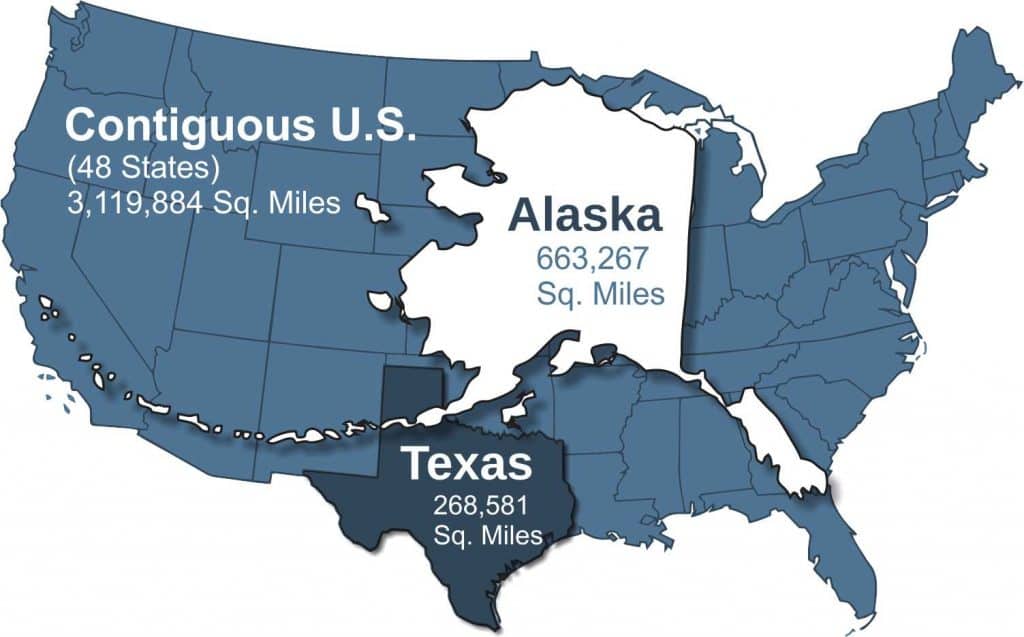
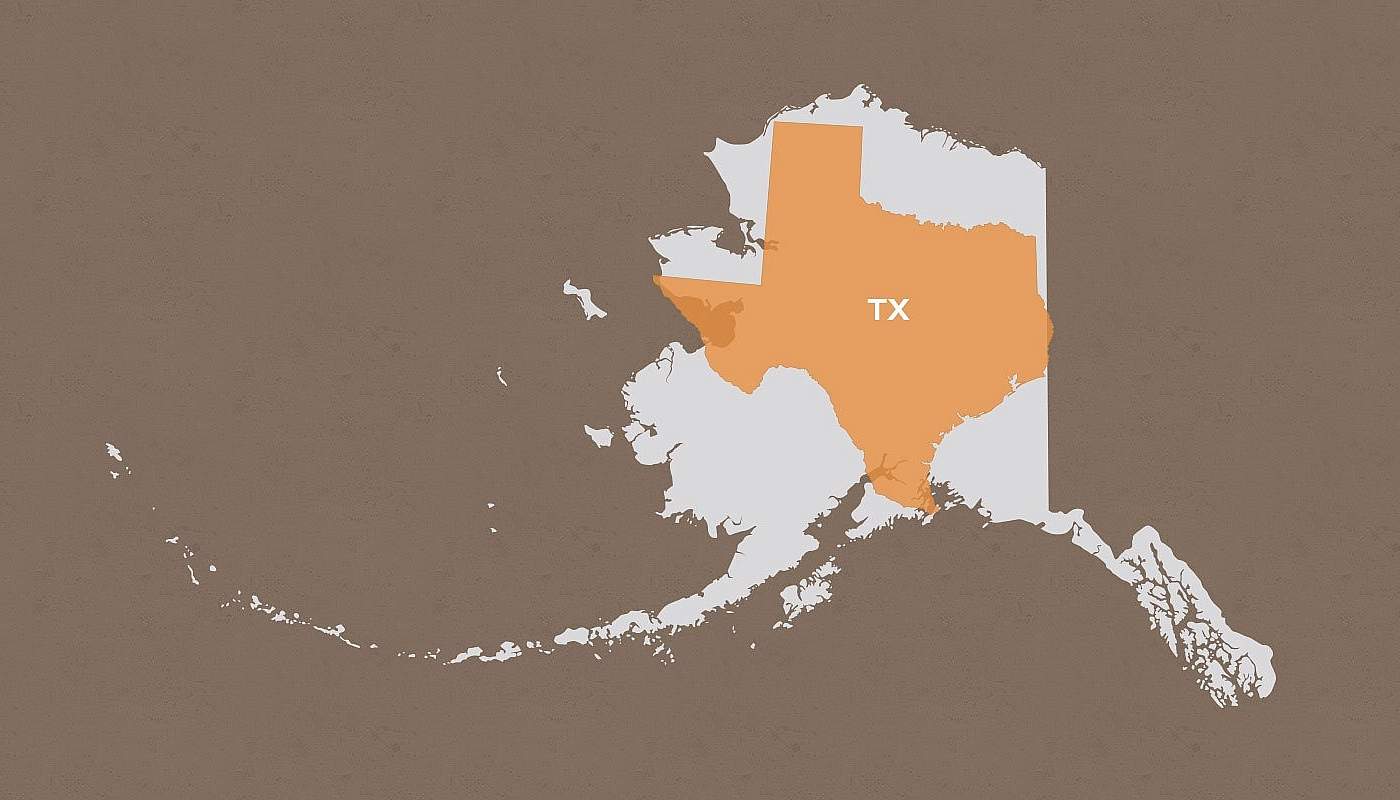
At first glance, the figures speak volumes. Alaska covers an astounding 663,300 square miles (approximately 1.7 million square kilometers) of land and water. To put this into perspective, Texas, while formidable at 268,596 square miles (about 695,662 square kilometers), is less than half the size. In fact, Alaska is roughly 2.5 times larger than Texas. This means that if you were to overlay Texas onto Alaska, you could fit approximately two and a half Texas within its borders.
The land area alone for Alaska is 570,374 square miles, making it larger than the next three biggest states—Texas, California, and Montana—combined. Its coastline stretches for an incredible 6,640 miles (10,686 km), which is longer than all other U.S. states’ coastlines combined, including the coastline of the Pacific Ocean and the Arctic Ocean, and even reaches into the Bering Sea. This immense coastline is dotted with countless islands, fjords, and bays, hinting at the unparalleled maritime experiences available to travelers.
Visualizing the Vastness: Laying Alaska Over Other States
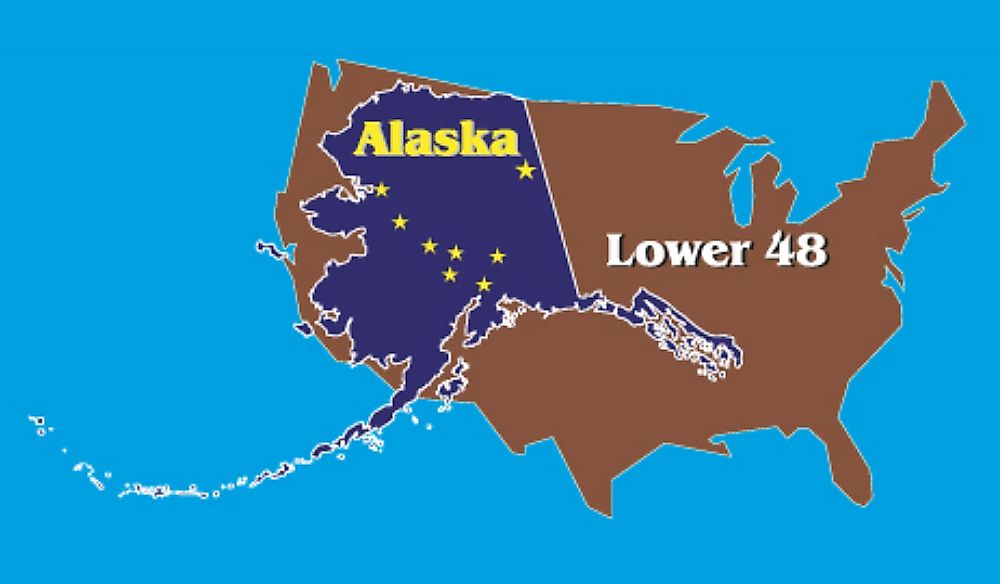
The true scale of Alaska becomes even more staggering when you visualize it on a map of the contiguous United States. If Alaska were placed over the lower 48, it would stretch from the Atlantic coast of Florida to the Pacific coast of California. Its northernmost points would reach into Canada, while its southwestern reaches would extend far into the Pacific, almost touching Hawaii if placed appropriately. One common analogy is that you could fit all of New England, along with New York and Pennsylvania, inside Alaska. Globally, Alaska is larger than many sovereign nations, including Germany, France, Spain, the United Kingdom, or Japan, and roughly twice the size of Italy.
Geographic Diversity Born from Immense Size
This unparalleled size translates directly into an extraordinary diversity of landscapes and ecosystems. Alaska is home to 17 of the 20 highest peaks in the United States, including Mount Denali, the tallest mountain in North America, towering at 20,310 feet (6,190 meters). Its vastness encompasses everything from temperate rainforests in the panhandle of Southeast Alaska to expansive Arctic tundra in the north, and formidable mountain ranges like the Alaska Range and the Chugach Mountains. Massive glaciers, like those found in Glacier Bay National Park and Preserve and Kenai Fjords National Park, carve dramatic fjords and reshape the landscape daily. The state boasts more national parks, preserves, and wildlife refuges than any other, including the colossal Wrangell-St. Elias National Park and Preserve, which alone is larger than Yellowstone National Park, Yosemite, and Switzerland combined. These diverse regions each offer unique attractions and challenges for travelers, from the remote Aleutian Islands to the dense forests of Kodiak Island.
Texas: The Lone Star State’s Grandeur in Context
While Alaska may be a giant among giants, Texas remains a truly grand state in its own right. Its “bigness” is a core part of its identity, influencing its culture, economy, and the way travelers experience its diverse offerings. Understanding Texas within this context highlights what makes it a unique and compelling destination.
A Big State in its Own Right: What Texas Offers
Texas is the second-largest state by both area and population, with a rich tapestry of landscapes, cultures, and urban centers. It spans from the semi-arid Chihuahuan Desert in the west, through the rolling hills of the Texas Hill Country, to the lush Piney Woods in the east, and along the sandy shores of the Gulf Coast. This geographical variety provides a backdrop for a myriad of activities, from hiking in Big Bend National Park to relaxing on South Padre Island.
The state’s major metropolitan areas—Houston, San Antonio, Dallas, and Austin—are economic powerhouses and cultural hubs, each with its distinct flavor. Houston is known for its space industry and diverse culinary scene, San Antonio for its historical landmarks like The Alamo and the vibrant Riverwalk, Dallas for its arts and fashion, and Austin as the “Live Music Capital of the World.” The culture of Texas is as big as the state itself, encompassing cowboy traditions, a thriving arts scene, delicious BBQ, and a unique blend of Southern hospitality and Southwestern flair, influenced by its long border with Mexico and the Rio Grande.
Traveling Texas: Accessibility and Infrastructure
Unlike the often-remote and rugged terrain of Alaska, Texas is crisscrossed by an extensive network of highways, making road trips a popular and practical way to explore. The state’s infrastructure is highly developed, with numerous international airports, well-maintained roads, and various public transportation options within major cities. This robust infrastructure allows for relatively easy access to its diverse attractions, whether one is seeking urban adventures, historical sites, or natural beauty. For tourists, this means that even though the distances between attractions can be significant, the journey itself is often comfortable and straightforward, allowing for efficient multi-city itineraries and a wide range of accommodation choices from bustling city hotels to tranquil countryside resorts.
Implications for Travel and Tourism: Experiencing the Scale
The vast size difference between Alaska and Texas dictates fundamentally different approaches to travel and tourism. Each state offers unique challenges and rewards, shaped by its geographical footprint and the accessibility of its natural and cultural wonders.
Planning Your Alaskan Adventure: Navigating the Wilderness
Traveling in Alaska is an exercise in planning and adaptation. The sheer scale means that getting from one major destination to another can involve significant distances and often requires air travel, ferries, or specialized tours. For instance, the capital city of Juneau is not accessible by road, requiring visitors to arrive by plane or boat. Major hubs like Anchorage and Fairbanks serve as gateways to interior and Southcentral Alaska, but venturing into the true wilderness, such as Denali National Park and Preserve or Wrangell-St. Elias National Park and Preserve, often involves bush planes, ATVs, or multi-day guided expeditions.
Cruises are a popular way to experience the coastal beauty of Southeast Alaska, offering unparalleled views of glaciers, wildlife, and charming port towns. For land-based exploration, the Alaska Railroad provides scenic routes between key cities, while driving on routes like the Seward Highway offers breathtaking vistas. However, travelers must be prepared for long distances between services, variable weather conditions, and the need for sturdy, reliable transportation. Trips to Alaska often demand a longer duration, with many visitors opting for 7-14 day itineraries to truly scratch the surface of one or two regions, let alone the entire state.
Exploring Texas: From Deserts to Beaches
In contrast, exploring Texas often centers around road trips, seamlessly connecting its diverse regions. A week-long trip could easily involve visiting Houston’s Space Center Houston, experiencing the historical charm of San Antonio’s Riverwalk, and enjoying the live music scene in Austin, all within comfortable driving distances. The state’s expansive highways allow travelers to traverse significant distances relatively quickly, facilitating multi-stop itineraries that cover everything from amusement parks like Six Flags Over Texas to natural wonders.
Texas State Parks, such as Mustang Island State Park or Caprock Canyon State Park, offer accessible outdoor recreation, while cities provide a wealth of cultural activities, museums, and culinary experiences. The ease of access and well-developed tourist infrastructure mean that both short weekend getaways and extended vacations are easily achievable, offering flexibility in terms of itinerary and pace.
Budget and Logistics: Time, Cost, and Accessibility
The sheer size and remoteness of Alaska typically translate to higher travel costs and longer travel times. Specialized tours, remote lodges, and air taxi services are often essential for reaching desired destinations, adding to the overall expense. Accommodation in peak season, particularly in popular areas like Denali or along the Alaska cruise routes, can also be pricey. Travelers planning an Alaskan adventure should budget for premium experiences and allocate ample time for travel between locations.
Texas, conversely, offers a broader range of budget-friendly options alongside luxury experiences. Its competitive travel market, extensive road network, and variety of accommodation choices, from budget motels to five-star resorts, make it more accessible for different travel budgets. While distances can still be long, the cost per mile of travel is generally lower, and the convenience of driving allows for more spontaneous exploration without the reliance on specialized charters.
Lifestyle and Accommodation: Adapting to the Landscape
The colossal size difference between Alaska and Texas also fundamentally shapes the lifestyle and the types of accommodation available, catering to vastly different preferences and travel philosophies. From rustic wilderness retreats to bustling urban hotels, each state offers experiences tailored to its unique geographical and cultural identity.
Alaskan Retreats: Wilderness Lodges and Remote Stays
In Alaska, the emphasis is often on immersion in nature and unique, often remote, experiences. Accommodation options range from cozy cabins nestled deep in national forests to luxurious wilderness lodges accessible only by floatplane or boat. These lodges, often found in areas like Prince William Sound or near Katmai National Park and Preserve, provide an unparalleled opportunity for wildlife viewing, fishing, and hiking, offering amenities that might include gourmet dining and guided excursions. Many establishments embrace sustainable travel practices, given the fragile ecosystems they inhabit.
In urban centers like Anchorage or Fairbanks, visitors can find a mix of well-known hotel chains, boutique hotels, and locally owned inns, many of which draw inspiration from the surrounding natural beauty. However, the overarching theme in Alaskan accommodation is often about facilitating outdoor adventure and providing a comfortable base from which to explore the untamed wilderness. Long-term stays often involve renting private cabins or homes, reflecting a desire for sustained connection with the natural environment.
Texan Hospitality: From Ranches to Urban Hotels
Texas offers a wide spectrum of accommodation, reflecting its diverse landscapes and urban centers. In cities like Dallas and Houston, visitors can find high-rise luxury hotels, business-friendly suites, and a plethora of apartment-style accommodations perfect for both short and long-term stays. These urban hotels often boast extensive amenities, from rooftop pools to world-class dining, catering to both business and leisure travelers. Boutique hotels in historic districts, like those in San Antonio or Austin, offer unique character and local charm.
Beyond the cities, Texas is famous for its ranch stays, offering a taste of authentic cowboy lifestyle, often including horseback riding, cattle drives, and hearty campfire meals. Resorts along the Gulf Coast provide family-friendly options with beach access and water sports. The vastness of Texas means that accommodations can range from rustic campsites in state parks to opulent destination resorts, catering to almost any budget and preference, and always with a touch of the legendary Texan hospitality.
The Pacing of Life: Cultural Differences and Travel Experiences
The sheer scale of Alaska naturally fosters a slower, more deliberate pace of life and travel. Distances are vast, infrastructure is often limited, and the focus is on appreciating nature’s grandeur rather than rushing from one attraction to the next. Travel experiences in Alaska often involve a sense of solitude, adventure, and deep connection with the environment, whether it’s observing grizzlies fishing for salmon, kayaking through glacial fjords, or witnessing the aurora borealis dance across the night sky. It’s a destination for those seeking profound, often challenging, outdoor experiences and a quiet reverence for the natural world. The Alaska Native cultures also play a significant role in the lifestyle and tourism experience, offering unique insights into resilient communities adapted to the vast landscape.
Texas, while still offering incredible natural beauty and outdoor adventures, balances this with a more dynamic and accessible travel experience. Its large cities pulse with energy, offering a vibrant mix of culinary delights, live entertainment, and cultural events. The pace of life in Texas can be fast-paced in its urban centers and relaxed in its rural areas, allowing travelers to tailor their trip to their desired rhythm. It’s a state where one can seamlessly transition from exploring historical missions to dancing at a honky-tonk, or from hiking desert mountains to relaxing on a beach. The “big personality” of Texas translates into diverse and engaging experiences for every type of traveler.
In conclusion, while both Alaska and Texas are titans in their own right within the United States, their comparative sizes create entirely distinct worlds for travelers. Alaska’s unparalleled vastness demands a spirit of adventure, careful planning, and a willingness to embrace remote, awe-inspiring wilderness. Texas’s substantial, yet more navigable, expanse offers a rich tapestry of urban culture, diverse landscapes, and accessible attractions, all wrapped in a distinctive blend of Southern and Southwestern charm. Understanding this fundamental difference is key to unlocking the perfect travel experience, whether you seek the untamed grandeur of the Last Frontier or the expansive hospitality of the Lone Star State.
LifeOutOfTheBox is a participant in the Amazon Services LLC Associates Program, an affiliate advertising program designed to provide a means for sites to earn advertising fees by advertising and linking to Amazon.com. Amazon, the Amazon logo, AmazonSupply, and the AmazonSupply logo are trademarks of Amazon.com, Inc. or its affiliates. As an Amazon Associate we earn affiliate commissions from qualifying purchases.