
Alaska, often referred to as “The Last Frontier,” is a land of unparalleled grandeur and scale, a fact immediately evident when one considers its immense size. Far from being just another state within the United States, Alaska stands apart, a colossus that dwarfs most other political subdivisions on the planet. The question of “How many acres are in the state of Alaska?” leads us not just to a number, but to a profound understanding of its geography, its impact on travel and tourism, and the unique lifestyle it fosters.
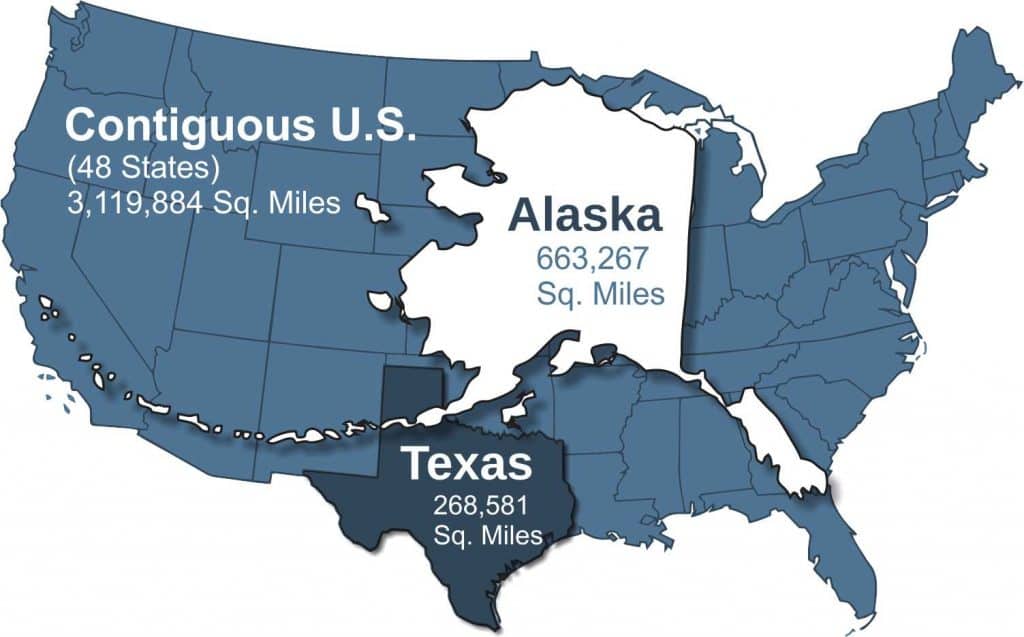
At its core, the answer is staggering: Alaska encompasses approximately 365,000,000 acres. This translates to roughly 586,412 square miles (or 1,518,800 square kilometers). To put this into perspective, Alaska is more than twice the size of Texas, the next largest state, and it is larger than the combined area of Texas, California, and Montana. Indeed, if Alaska were a sovereign nation, it would be the 17th largest country in the world, positioned just behind Mongolia and ahead of Peru. This gargantuan scale shapes every facet of life and every travel experience within its borders, from the remote wilderness lodges to the bustling ports of the Inside Passage.
The Geographic Grandeur: What Alaska’s Size Means for its Landscape
The sheer acreage of Alaska is not merely a statistical curiosity; it is the fundamental determinant of its extraordinary geographic diversity and the abundance of natural wonders it holds. This vast expanse allows for a breathtaking array of ecosystems and geological formations, making it a dream destination for adventurers, nature lovers, and those seeking truly unique experiences.
A Tapestry of Terrains and Climates
Stretching from the temperate rainforests of Southeast Alaska to the barren tundra of Arctic Alaska, the state spans multiple climatic zones. Its westernmost points reach into the Eastern Hemisphere, bordering Russia across the Bering Sea, while its northernmost territories extend far beyond the Arctic Circle. The state’s southern coast, kissed by the Pacific Ocean, is a labyrinth of fjords, islands, and glaciers, contrasting sharply with the frozen shores of the Arctic Ocean to the north.
This vastness accommodates some of the continent’s most formidable mountain ranges, including the Alaska Range, home to Mount Denali (formerly Mount McKinley), the highest peak in North America. Other notable ranges like the Chugach Mountains and the Brooks Range contribute to the state’s dramatic topography, carving out valleys, cradling immense glaciers, and creating a formidable backdrop for any journey. The extensive coastline, estimated at over 34,000 miles if all islands and indentations are included, is longer than all other U.S. states combined, offering endless opportunities for marine exploration and coastal tourism. From the volcanic arc of the Aleutian Islands to the dense forests of the panhandle, Alaska’s immense acreage ensures a seemingly infinite variety of natural wonders to discover.
Travel and Tourism in the Last Frontier: Embracing the Vastness
For those planning to visit, understanding the sheer size of Alaska is crucial. It dictates travel logistics, influences the types of experiences available, and underscores the need for careful planning. Alaska’s vastness isn’t a barrier; it’s an invitation to adventure, promising encounters with untouched wilderness and unforgettable natural phenomena.
Navigating the Expansive Landscape
Due to the immense distances, traveling within Alaska often involves methods less common in the lower 48 states. While major cities like Anchorage, Juneau, and Fairbanks have airports, reaching many remote destinations often requires small bush planes, helicopters, or even dog sleds. The Alaska Marine Highway System, a network of ferries, serves as a vital transportation link along the coast, offering a unique way to experience the dramatic scenery of the Inside Passage and access communities inaccessible by road. Cruise ships are also immensely popular for exploring the coastal wonders, providing comfortable accommodation while navigating spectacular fjords and glaciers.
Road infrastructure, while present, is limited compared to other states. Only a fraction of Alaska’s nearly 600,000 square miles is accessible by paved roads, meaning that many of its most pristine wilderness areas remain truly wild and remote, offering unparalleled opportunities for intrepid explorers. This challenge, however, is precisely what draws many to Alaska, promising adventures that feel truly off the beaten path. From self-drive road trips to flying into remote cabins for fishing or hiking, the possibilities are as boundless as the landscape itself.
Unforgettable Experiences in the Wild
The scale of Alaska directly translates into an abundance of unique travel experiences:
- Wildlife Viewing: With vast stretches of pristine habitat, Alaska is a sanctuary for an incredible array of wildlife, including grizzly bears, moose, caribou, wolves, and whales. The immense spaces mean these animals roam freely in their natural environment, offering unparalleled viewing opportunities for visitors.
- Glacier Exploration: Alaska is home to an estimated 100,000 glaciers. The sheer volume of ice formations, many of which are accessible by boat, plane, or even foot, provides dramatic backdrops for cruises, kayaking, and ice hiking.
- Adventure Tourism: From world-class fishing and hunting to mountaineering on Mount Denali, backcountry skiing, and whitewater rafting, Alaska offers every conceivable outdoor adventure. The vast wilderness ensures that even popular activities can feel incredibly private and personal.
- Cultural Immersion: The immense land has been home to various Alaskan Native groups for thousands of years. Their rich cultures, traditions, and art provide a fascinating dimension to any visit. Historic sites like Sitka National Historical Park and Klondike Gold Rush National Historical Park offer glimpses into the state’s storied past, from indigenous heritage to the bustling days of the Gold Rush.
- Chasing the Northern Lights: Due to its high latitude and dark, clear skies, particularly in Interior Alaska around Fairbanks, Alaska is one of the best places on Earth to witness the spectacular Aurora Borealis.
Protecting Alaska’s Wild Heart: National Parks and Preserves
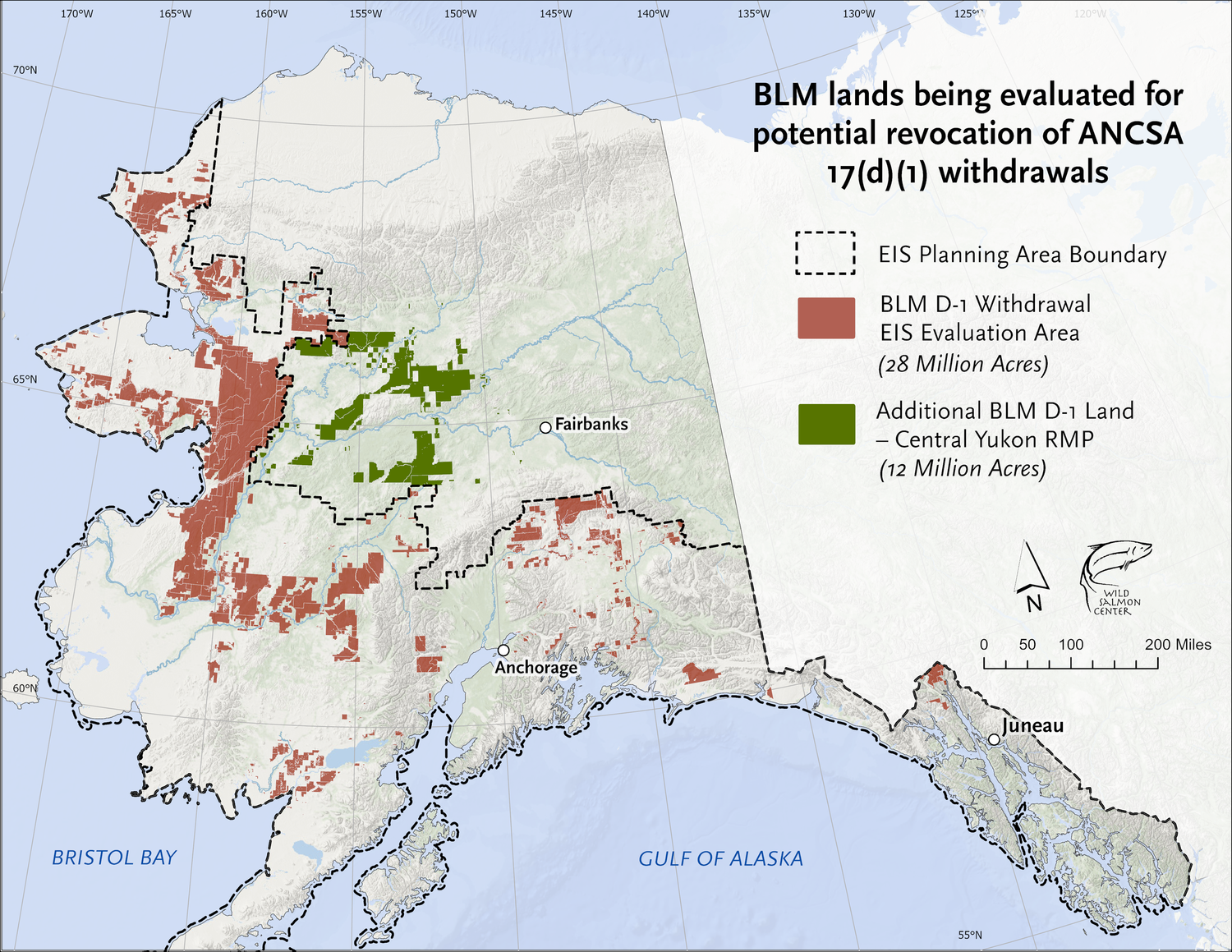
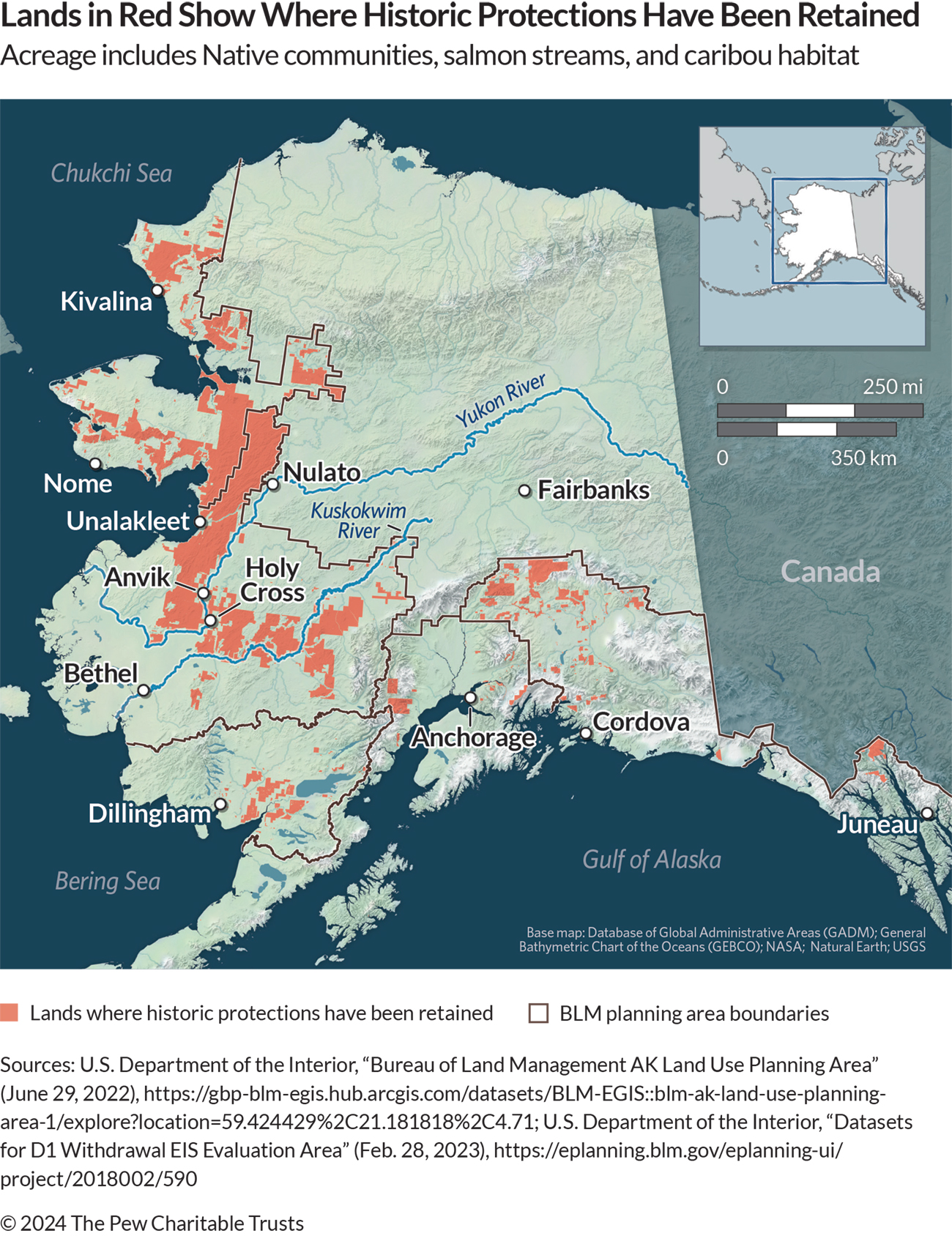
A significant portion of Alaska’s millions of acres is dedicated to conservation, ensuring that its wild character remains intact for generations to come. The state is home to eight national parks, 16 national wildlife refuges, and numerous state parks and forests, collectively protecting an area larger than many European countries. These protected areas are not just landmarks; they are vast, living ecosystems vital for research, wildlife preservation, and responsible tourism.
A Pantheon of Protected Wilderness
Alaska’s national park system alone encompasses over 54 million acres, more than 60% of the entire U.S. national park land. These parks vary wildly in character and accessibility, each offering a distinct experience of Alaska’s majestic scale:
- Denali National Park and Preserve: Spanning over 6 million acres, this iconic park is centered around Mount Denali and offers unparalleled opportunities for wildlife viewing, hiking, and mountaineering. Its vast wilderness is traversed by a single road, limiting vehicle access and preserving its pristine nature.
- Wrangell-St. Elias National Park and Preserve: At 13.2 million acres, it is the largest national park in the United States, larger than the country of Switzerland. It boasts towering mountains, expansive glaciers, and a rugged coastline, making it a mecca for backcountry adventures.
- Gates of the Arctic National Park and Preserve: Covering 8.4 million acres entirely north of the Arctic Circle, this park is the northernmost and one of the most remote national parks, accessible only by plane, and has no roads or trails. It truly embodies the spirit of raw, untouched wilderness.
- Glacier Bay National Park and Preserve: A UNESCO World Heritage Site spanning 3.3 million acres, famous for its tidewater glaciers, marine wildlife, and stunning fjords, best explored by cruise ship or small boat.
- Katmai National Park and Preserve: This 4.1 million-acre park is world-renowned for its brown bears, particularly at Brooks Falls, where they gather to fish for salmon. It also features the Valley of Ten Thousand Smokes, a dramatic volcanic landscape.
- Kenai Fjords National Park: Over 670,000 acres of rugged coastline, dramatic fjords, and the Harding Icefield, one of the largest icefields in the United States. It’s a prime location for glacier cruises and kayaking among marine wildlife.
These parks, along with other significant preserves, underscore Alaska’s commitment to preserving its natural heritage. They offer not just incredible photo opportunities but also vital ecosystems for countless species and invaluable research grounds. For travelers, they represent the ultimate destination for immersive encounters with the natural world, often requiring specialized accommodation like wilderness lodges or remote cabins, designed to blend seamlessly with the environment.
Lifestyle and Accommodation in Alaska’s Expanses
The immense acreage of Alaska profoundly shapes the daily lives of its residents and the options available for visitors. From bustling urban centers like Anchorage to remote villages accessible only by air or sea, the Alaskan lifestyle is characterized by resilience, self-sufficiency, and a deep connection to nature.
Diverse Urban and Rural Living
While a significant portion of Alaska remains uninhabited wilderness, its population centers offer a surprising array of amenities and services. Anchorage, the largest city, functions as a modern hub with diverse hotels, restaurants, and cultural attractions, serving as a primary gateway for many travelers. Fairbanks, in the interior, offers a different perspective, known for its extreme temperatures, its role as a base for Arctic exploration, and its prime location for aurora viewing. Juneau, the capital, is unique in its inaccessibility by road, nestled amidst mountains and the Gastineau Channel, reachable primarily by air or ferry.
Beyond these cities, countless small towns and villages dot the landscape, each with its own character. Coastal towns like Ketchikan, Sitka, and Skagway thrive on fishing and tourism, offering charming waterfronts and historical insights. Inland, communities like Nome, famed for the terminus of the Iditarod Trail Sled Dog Race, embody a frontier spirit.
Accommodation Tailored to the Terrain
The vastness of Alaska means that accommodation options are as varied as its landscapes, catering to every type of traveler and adventure:
- Urban Hotels and Resorts: In cities like Anchorage and Fairbanks, visitors can find a full range of modern hotels, from budget-friendly options to luxury resorts and suites with amenities that provide comfort after a day of exploration.
- Wilderness Lodges: For those seeking deeper immersion into nature, remote wilderness lodges offer rustic charm combined with comfortable living, often accessible only by plane or boat. These lodges typically provide guided activities such as fishing, hiking, and wildlife viewing, making them an all-inclusive experience.
- Cabins and Villas: Throughout the state, particularly near national parks and popular fishing areas, private cabins and villas offer a more secluded and independent stay, ideal for families or groups.
- Camping and RV Parks: Given the focus on outdoor adventure, camping and RVing are popular choices, with numerous parks and designated areas offering facilities for a more immersive and budget-friendly experience.
- Unique Stays: From glamping domes to ice hotels (seasonal), Alaska also offers truly unique accommodation options that reflect its adventurous spirit.
The infrastructure for tourism in Alaska has evolved to meet the demands of its vastness, offering everything from guided tours to independent travel tips for navigating its immense beauty. The lifestyle embraced by residents, often involving subsistence living, outdoor recreation, and a strong sense of community despite the distances, adds to the unique allure of this magnificent state. Whether one dreams of a luxury travel experience on a cruise or a rugged budget travel adventure hiking through pristine wilderness, Alaska’s vast acreage ensures that there is a place and an experience for every visitor.
In conclusion, the answer to “How many acres are in the state of Alaska?” is a gateway to understanding one of the world’s truly wild and majestic places. The 365 million acres represent not just a geographical measurement, but a canvas for unparalleled natural beauty, incredible wildlife, diverse cultural experiences, and adventures that stretch as far as the eye can see. Alaska invites visitors to step into its vastness, promising a journey unlike any other, where the scale of nature reminds us of our place in the grand design of the planet.
LifeOutOfTheBox is a participant in the Amazon Services LLC Associates Program, an affiliate advertising program designed to provide a means for sites to earn advertising fees by advertising and linking to Amazon.com. Amazon, the Amazon logo, AmazonSupply, and the AmazonSupply logo are trademarks of Amazon.com, Inc. or its affiliates. As an Amazon Associate we earn affiliate commissions from qualifying purchases.