
Alaska, often hailed as the “Last Frontier,” evokes images of majestic wilderness, towering mountains, abundant wildlife, and endless daylight in summer, contrasted with the serene beauty of the aurora borealis during its long, dark winters. For many, it’s a dream destination for travel and exploration, offering unparalleled adventures from cruising through glacial fjords to hiking vast national parks. But beyond the allure of its breathtaking landscapes and unique tourism experiences, what does it truly cost to call this remote and extraordinary state home? The question “How Much Does It Cost To Live In Alaska?” isn’t simple, as the answer varies significantly depending on your chosen location, lifestyle, and priorities. While undeniably more expensive than the national average in many respects, understanding the specific financial considerations can help paint a clearer picture for anyone contemplating a move or extended stay in America’s largest state. From the cost of housing and utilities to daily groceries and the unique expenses associated with embracing the Alaskan way of life, we’ll delve into the financial realities of living in this incredible place.
The Financial Realities of the Last Frontier: An Overview
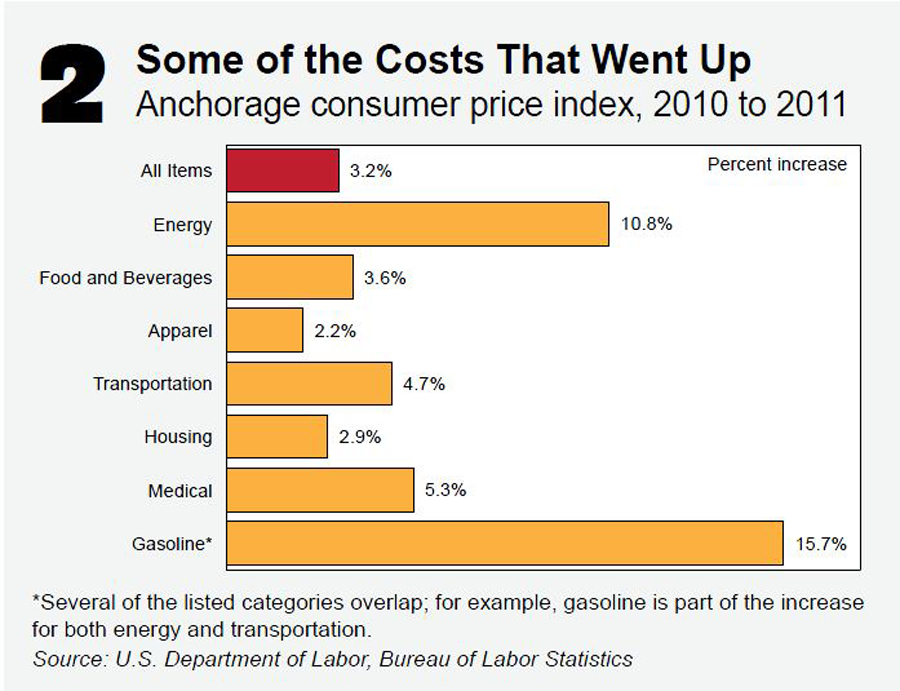
The overall cost of living in Alaska is consistently higher than the contiguous United States. This elevated expense stems from several fundamental factors. Geographically isolated and spanning an immense area, Alaska relies heavily on imports for most consumer goods, food, and construction materials. The logistical challenges of transporting items across vast distances, often involving air or sea freight, add significant surcharges to nearly everything. Furthermore, the extreme climate necessitates robust infrastructure, specialized labor, and higher energy consumption for heating, all of which contribute to a pricier economy. On average, the cost of living index in Alaska typically sits 25-35% above the national average, though this can fluctuate dramatically depending on whether you’re in a major urban center, a smaller town, or a truly remote bush community. Understanding this baseline is crucial before diving into the specifics of various expenses.
Housing: Your Largest Expense in Alaska
Housing will undoubtedly be your most substantial monthly outlay in Alaska, and prices fluctuate wildly across the state. In urban centers, demand often outstrips supply, driving up costs.
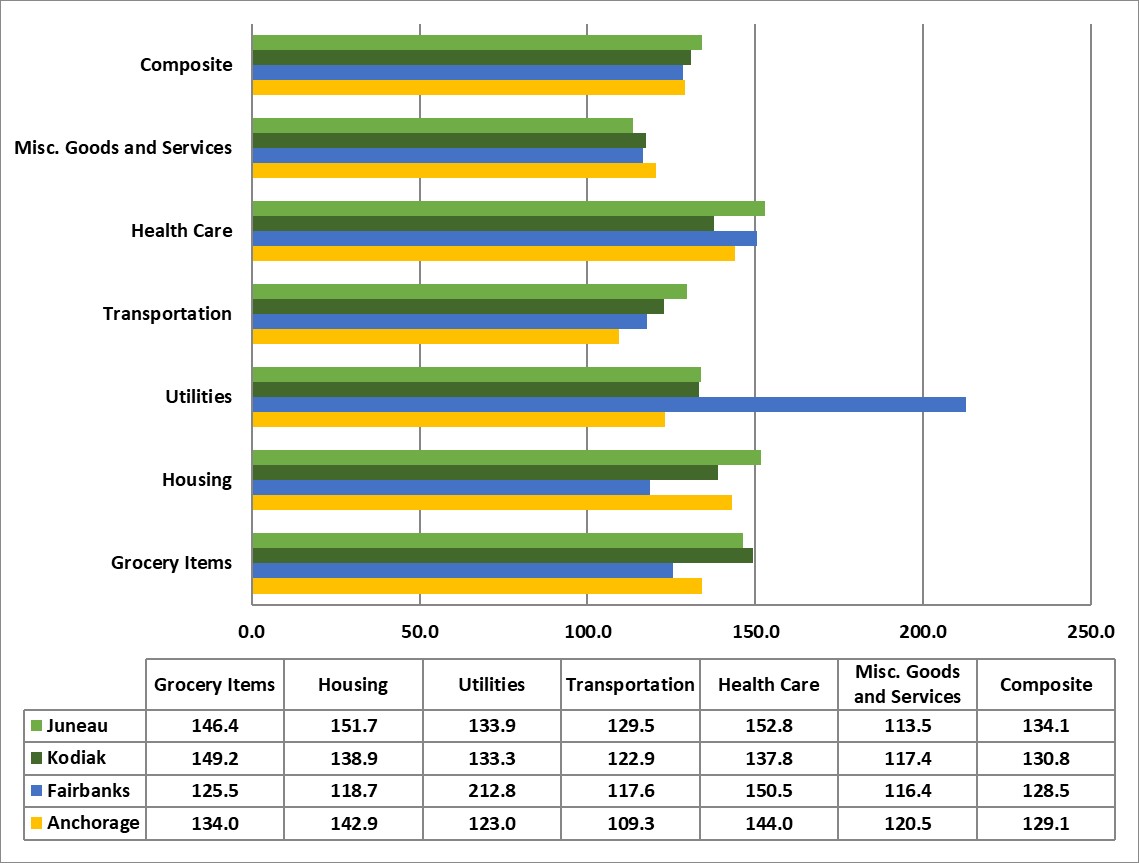
Anchorage, the state’s largest city and economic hub, experiences the highest housing prices. For renters, a one-bedroom apartment in Anchorage can range from $1,200 to $1,800 per month, while a two-bedroom might be anywhere from $1,600 to $2,500. Homeownership is also costly, with median home prices often hovering around $350,000 to $450,000, significantly higher than many parts of the Lower 48. Property taxes, while not as exorbitant as some coastal states, are still a considerable factor, as is the cost of homeowner’s insurance, which can be higher due to unique climatic risks.
Fairbanks, located in the interior, presents a slightly different scenario. While generally a bit more affordable than Anchorage, housing costs remain high, partly due to the extreme cold requiring more robust construction and insulation. A one-bedroom apartment might rent for $1,000 to $1,500, with two-bedrooms fetching $1,400 to $2,000. Median home prices typically fall between $280,000 and $380,000. The major distinguishing factor here is the astronomical heating bill during winter months.
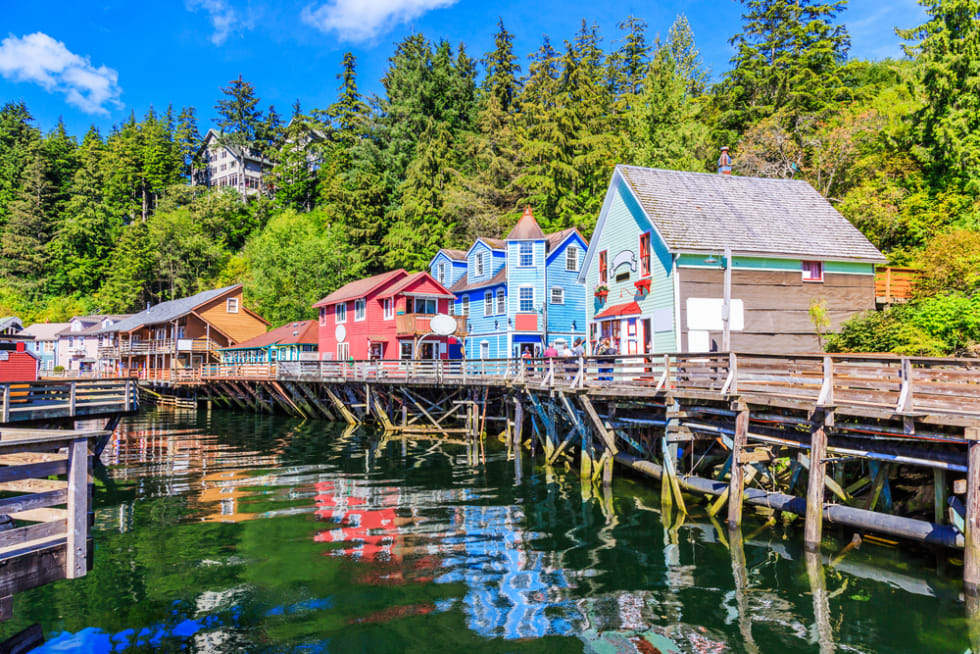
Juneau, the state capital, is unique due to its island-like isolation and mountainous terrain, limiting developable land. This scarcity drives housing prices sky-high. Rentals in Juneau can rival or even exceed Anchorage, with one-bedroom apartments often starting at $1,400 and easily reaching $2,000+. Home prices are similarly elevated, making it one of the most expensive capital cities in the U.S.
In rural and remote areas, housing options vary greatly. While a simple cabin might be purchased for less, new construction is often very expensive due to transportation costs for materials. Rentals can be scarce and sometimes surprisingly high given the lack of amenities. It’s also important to consider that while a remote cabin might seem cheap, the associated costs of transportation, utilities (like generator fuel), and maintenance can quickly add up, transforming an initial saving into a long-term expense. For those looking for long-term stays, particularly related to seasonal work or tourism jobs, companies often provide accommodation, which can be a significant saving.
Utilities: Keeping Comfortable in Extreme Climates
Heating is by far the most significant utility expense in Alaska. In Fairbanks, where temperatures can plummet to -40°F and below for extended periods, homes primarily rely on heating oil or natural gas. Monthly heating oil bills during the coldest months can easily exceed $500-$800 for an average-sized home. Natural gas, available in larger communities like Anchorage and Fairbanks, tends to be more affordable but still significantly higher than in milder climates. Electricity costs are also above the national average, partly due to the energy needed for lighting during long winter nights and the power required to keep vehicles warm.
Water and sewer services are standard expenses, though they can be higher in remote areas that rely on localized systems or where infrastructure is limited. For homes on well and septic systems, maintenance costs become a factor. Internet and communication services are essential for staying connected, but can be notably expensive, especially for high-speed options in remote areas where satellite internet is the only choice. Expect to pay premium rates for reliable connectivity.
Daily Living: Food, Transportation, and Healthcare
Beyond housing and utilities, the cost of everyday necessities can quickly add up in the Last Frontier. These expenses paint a clearer picture of how a typical Alaskan budget is structured.
Groceries: A Hefty Shopping Cart
One of the most immediate and noticeable increases in cost for new Alaskan residents is the grocery bill. Due to shipping costs and limited local agriculture (though this is slowly expanding), fresh produce, dairy, and meats are substantially more expensive than in the Lower 48. A gallon of milk, for instance, might cost $5-8, and a loaf of bread similar prices. A conservative estimate for a single person’s monthly grocery budget is $400-600, while a family of four could easily spend $1,000-1,500 or more.
To mitigate these costs, many residents in larger cities like Anchorage and Fairbanks frequent big box stores such as Costco and Fred Meyer, which offer more competitive prices on bulk items. Hunting, fishing, and foraging for berries are also integral parts of the Alaskan lifestyle for many, providing sustainable and cost-effective ways to supplement their diets. Gardening in the summer, aided by long daylight hours, is another popular strategy to reduce produce expenses.
Transportation: Navigating Vast Distances
Owning a reliable vehicle is practically a necessity for most Alaskan residents, particularly outside of Anchorage and Fairbanks, where public transportation options are limited. Gas prices are generally higher than the national average due to transportation costs, often fluctuating between $3.50-$5.00 per gallon, sometimes more in remote locales. Car insurance can also be higher, reflecting the challenging driving conditions and higher rates of wildlife collisions.
Beyond the initial purchase and fuel, winterizing your vehicle is a mandatory expense. This includes a block heater, battery blanket, and oil pan heater to ensure your engine starts in sub-zero temperatures. Studded tires are also essential for winter safety, adding another recurring cost. For travel between larger communities or to truly remote areas, air travel becomes critical. Small airlines and bush planes are a lifeline, but tickets are expensive, often costing hundreds of dollars for what would be a short drive elsewhere. This frequent reliance on air travel for everything from medical appointments to family visits significantly impacts a resident’s overall transportation budget.
Healthcare: Access and Expense
Healthcare costs in Alaska generally align with national trends regarding insurance premiums and deductibles, which are often high. However, the true challenge and additional expense come from access, especially in remote regions. Most specialized medical facilities and doctors are concentrated in Anchorage and Fairbanks. Residents of smaller towns or bush communities often need to fly to these larger cities for anything beyond basic care, incurring significant travel and accommodation costs. While many employers offer robust health benefits, individuals and families must carefully factor in potential travel for medical needs when budgeting. Remote clinics provide essential services but often operate with limited staff and resources, sometimes relying on visiting medical professionals flown in periodically.
Lifestyle and Leisure: Embracing the Alaskan Spirit
Living in Alaska is as much about embracing a unique lifestyle as it is about managing expenses. The state offers an unparalleled array of outdoor activities, but these, too, come with their own costs.
Activities and Entertainment: The Call of the Wild
The allure of Alaska lies in its vast wilderness and endless opportunities for outdoor adventure. Activities like hunting, fishing, hiking in places like Denali National Park or Chugach State Park, skiing, snowmachining (snowmobiling), and kayaking are popular. However, these often require significant investments in specialized gear, permits (especially for hunting and fishing licenses), and sometimes guided tours or charter services. For example, a quality fishing setup, winter clothing suitable for extreme cold, or a snowmachine can cost thousands of dollars upfront. While many activities are free once you have the gear (like hiking), the initial investment can be substantial.
Dining out in Alaskan cities can also be pricier than in the Lower 48, reflecting the higher cost of ingredients and labor. While cultural events, museums, and local entertainment exist, they are primarily concentrated in Anchorage, Fairbanks, and Juneau. Many businesses cater heavily to tourists, which can make some local experiences pricier, but also provides jobs and a vibrant seasonal economy that residents can tap into. Unique experiences like dog sledding tours or dedicated aurora viewing excursions, while unforgettable, typically represent significant one-time expenses.
Education and Childcare: Investing in the Future
For families, education and childcare costs are crucial considerations. Public schools in Alaska are generally well-regarded, with many rural schools benefiting from unique funding models to serve their isolated communities. For higher education, the University of Alaska system, including institutions like the University of Alaska Anchorage, offers in-state tuition rates that are competitive nationally. However, living expenses for college students in cities like Anchorage or Fairbanks will still be high, mimicking the general cost of living.
Childcare, a national concern, is particularly expensive in Alaska. In urban areas, full-time daycare for an infant or toddler can easily range from $1,200 to $2,000 per month, putting a substantial strain on household budgets. This cost is a critical factor for young families considering a move.
Making Ends Meet: Income and Smart Budgeting Strategies
Despite the high cost of living, many Alaskan residents thrive. This is often due to higher wages, unique state benefits, and smart budgeting.
Understanding Alaskan Wages and Opportunities
To offset the elevated cost of living, many industries in Alaska offer higher wages than their counterparts in the Lower 48. Sectors like oil and gas, healthcare, tourism, fishing, and construction often pay premium rates for skilled labor. Job opportunities exist, particularly for those with specialized skills or a willingness to work seasonally in demanding environments.
Unique to Alaska is the Permanent Fund Dividend (PFD). Established in 1976, the PFD pays an annual dividend to eligible Alaskan residents from the state’s oil wealth. While the amount varies each year based on oil revenues and market performance, it has historically provided residents with hundreds to thousands of dollars annually, which can significantly help offset living costs, particularly for families. Eligibility generally requires living in Alaska for a full calendar year and having an intent to remain a resident indefinitely.
Smart Budgeting for the Last Frontier
Successful living in Alaska often comes down to proactive budgeting and embracing the local culture. Prioritizing housing and utility expenses, which are non-negotiable, is paramount. Many residents embrace local resources to cut down on food costs, becoming adept at hunting, fishing, and foraging. Taking advantage of summer’s long daylight hours for gardening or canning is a common practice.
Seasonal work, particularly in the fishing or tourism industries, provides many residents with opportunities to earn substantial income during peak seasons, which can then sustain them through quieter months. Strong community ties are also vital in many Alaskan towns, fostering shared resources, bartering, and mutual support that can indirectly reduce individual expenses. Thinking creatively about transportation (e.g., carpooling, using snowmachines for local errands in winter) and being mindful of energy consumption are also key strategies.
In conclusion, living in Alaska is undoubtedly more expensive than many other parts of the United States. However, it’s a manageable endeavor for those who plan carefully, understand the unique economic landscape, and are willing to adapt to its distinct lifestyle. The higher costs are often balanced by higher wages, the Permanent Fund Dividend, and the invaluable, immeasurable benefits of unparalleled natural beauty, adventure, and a truly unique way of life. For many, the trade-off is well worth it, as the experience of calling the Last Frontier home is priceless. It’s not just a place to live; it’s an immersive adventure that shapes those who embrace it.
LifeOutOfTheBox is a participant in the Amazon Services LLC Associates Program, an affiliate advertising program designed to provide a means for sites to earn advertising fees by advertising and linking to Amazon.com. Amazon, the Amazon logo, AmazonSupply, and the AmazonSupply logo are trademarks of Amazon.com, Inc. or its affiliates. As an Amazon Associate we earn affiliate commissions from qualifying purchases.