
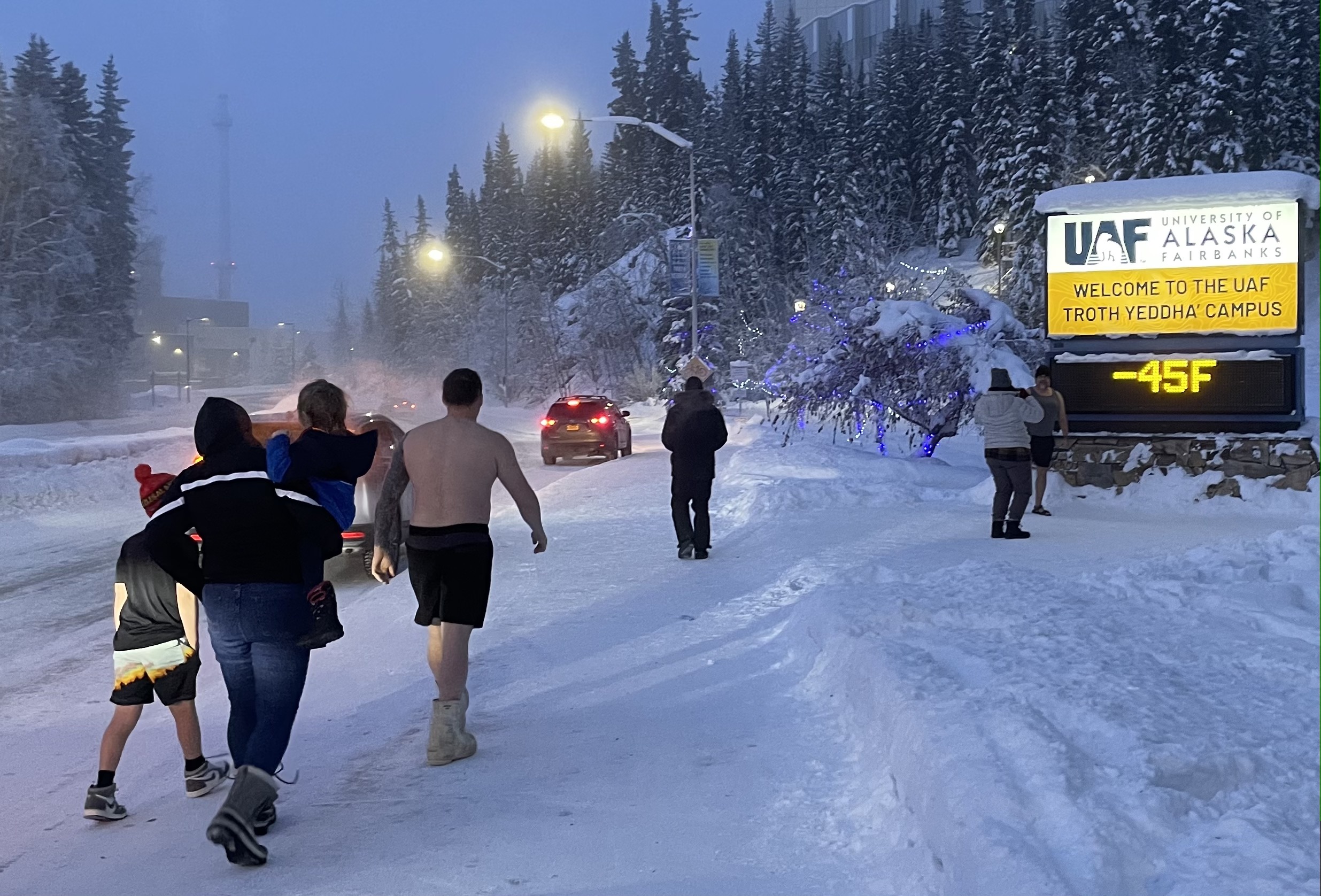
The very name Alaska conjures images of endless winter, towering glaciers, and a persistent, bone-chilling cold. For many, the idea of visiting Alaska is synonymous with bundling up in extreme layers, prepared to brave sub-zero temperatures at every turn. While it’s true that the Last Frontier is home to some of the planet’s most magnificent frozen landscapes and experiences extreme cold, particularly in its vast interior during winter, the perception of Alaska being “always cold” is a significant misconception that often deters potential travelers. In reality, Alaska is a land of dramatic seasonal contrasts, boasting surprisingly mild and even warm summers, vibrant autumns, and beautiful springs, alongside its legendary winters. Understanding these climatic nuances is key to appreciating the state’s diverse travel opportunities, from thrilling outdoor adventures to serene cultural experiences, across all four distinct seasons.
This article delves into the truth about Alaska’s climate, guiding you through its varied weather patterns and showcasing the unique attractions each season offers. We’ll explore the best times to visit for specific activities, discuss accommodation options ranging from cozy lodges to luxurious resorts, and provide essential tips for planning your unforgettable Alaskan journey, ensuring you’re well-prepared for whatever wonders this vast state has in store.
Unveiling Alaska’s Diverse Climates: More Than Just Ice and Snow
To truly answer “Is Alaska always cold?”, we must first dissect its colossal size and varied geography. Spanning over 663,000 square miles, Alaska encompasses multiple climate zones, from the temperate rainforests of its southeastern panhandle to the arctic tundra of its northern slopes. This geographical diversity profoundly impacts local weather patterns, making generalizations about the entire state misleading.
The Myth vs. Reality: A Land of Extremes
The popular image of Alaska as perpetually frozen largely stems from historical narratives of the Gold Rush and the harsh conditions faced by early explorers. While regions like the Brooks Range and the Arctic Coast indeed experience long, frigid winters, much of Alaska enjoys distinct seasonal changes that defy the “always cold” stereotype. Coastal areas, influenced by oceanic currents, typically have milder temperatures year-round compared to the continental interior, which sees greater extremes.
Seasonal Climate Breakdown
Understanding Alaska’s climate means appreciating its dynamic seasons, each offering a unique character and range of temperatures.
Summer (June – August)
Contrary to popular belief, Alaskan summers are remarkably pleasant and often quite warm. This is the peak tourist season for good reason. Temperatures in major cities like Anchorage and Fairbanks frequently reach the 60s and 70s Fahrenheit (15-25°C), with occasional spikes into the 80s (27°C). The interior, being more continental, can experience warmer days and cooler nights. What truly defines Alaskan summers are the incredibly long daylight hours, with some regions experiencing nearly 24 hours of sunlight – the famous “midnight sun.” This abundance of light allows for extended periods of outdoor activities, from hiking and fishing to wildlife viewing. Coastal areas, such as the Inside Passage and communities around Prince William Sound, are generally cooler and wetter, with average temperatures in the 50s and 60s Fahrenheit (10-20°C).
Autumn (September – October)
Autumn in Alaska is a stunning, albeit brief, transition period. Temperatures begin to drop, averaging from the 30s to 50s Fahrenheit (0-15°C), particularly as September progresses. Days become shorter, and the landscape transforms into a breathtaking tapestry of gold, orange, and red as the tundra and deciduous trees change color. This season is often less crowded than summer, offering a more serene experience for travelers. It’s also an excellent time for wildlife viewing as animals prepare for winter, and, crucially, it marks the beginning of the prime viewing season for the Aurora Borealis (Northern Lights) as nights grow darker.
Winter (November – March)
This is the season that most aligns with the “always cold” stereotype, and indeed, Alaskan winters can be intensely cold, especially in the interior. Fairbanks, known for its clear skies and excellent aurora viewing, can see temperatures plummet to -20°F (-29°C) or even colder for extended periods, though averages hover around 0°F (-18°C). Coastal regions like Anchorage and Juneau are relatively milder, with average temperatures in the teens and 20s Fahrenheit (-10 to -1°C). Despite the cold, winter is a magical time, transforming the landscape into a pristine white wonderland. It’s the season for snow sports, ice sculpting, and the dazzling spectacle of the Northern Lights dancing across the dark skies.
Spring (April – May)
Spring is a season of awakening and renewal in Alaska. As temperatures slowly climb from the 20s to 40s Fahrenheit (-7 to 7°C) in April and into the 40s and 50s (7 to 15°C) by May, the snow begins to melt, rivers swell, and wildlife emerges from hibernation. This “shoulder season” offers a unique window for travelers. While some areas might still be quite snowy, others are greening up. It’s a fantastic time for birdwatching as migratory species return, and waterfalls created by melting ice are at their most powerful. Prices for flights and accommodation are often lower during spring, making it an appealing option for budget-conscious travelers.
Experiencing Alaska: A Journey Through Its Seasons and Wonders

Each Alaskan season unlocks a different set of experiences, allowing travelers to tailor their trip to their interests, whether it’s summer’s vibrant wilderness or winter’s enchanting solitude.
Summer Adventures: Wildlife, Wilderness, and Waterways
Summer is undeniably the most popular time to visit Alaska, and for good reason. The long daylight hours maximize opportunities for exploration.
- National Parks: Destinations like Denali National Park and Preserve come alive, offering unparalleled opportunities for hiking, bus tours deep into the wilderness, and world-class wildlife viewing of grizzly bears, caribou, moose, and wolves. The park is home to Mount Denali, North America’s highest peak, often visible on clear summer days.
- Coastal Cruises: Cruising the Inside Passage or exploring Glacier Bay National Park and Preserve allows visitors to witness majestic tidewater glaciers calving into the sea, spot whales (humpback, orca), sea otters, and puffins. Cities like Juneau, Skagway, and Ketchikan offer rich local culture, historical sites, and access to stunning natural beauty like the Mendenhall Glacier near Juneau.
- Fishing: Alaska is a mecca for anglers, with world-renowned salmon and halibut fishing. Rivers like the Kenai River and the waters around Homer and Seward become bustling hubs for fishing charters.
- Outdoor Activities: Kayaking, rafting, flightseeing tours over vast wilderness, and exploring the vibrant urban centers of Anchorage and Fairbanks are popular summer pastimes. Anchorage serves as a great base for exploring the Chugach Mountains and the Turnagain Arm.
Winter Wonderland: Northern Lights and Arctic Thrills
While colder, Alaskan winters offer experiences found almost nowhere else.
- Aurora Borealis: From late August to April, and particularly during the long, dark winter nights, the Aurora Borealis is a spectacular sight. Fairbanks, situated beneath the aurora oval, is considered one of the best places on Earth to witness this natural light show. Many local tour operators offer specialized aurora viewing excursions.
- Dog Sledding: Immerse yourself in Alaskan heritage by trying dog sledding. From short rides to multi-day expeditions, it’s an exhilarating way to experience the winter wilderness. The famous Iditarod Trail Sled Dog Race starts in Anchorage in March, attracting spectators from around the globe.
- Snow Sports: Skiing (downhill and cross-country), snowboarding, snowmobiling, and ice skating are popular activities. Resorts like Alyeska Resort in Girdwood offer excellent slopes with stunning mountain and ocean views.
- Ice Festivals: Communities host various winter festivals, featuring ice sculptures, reindeer races, and local crafts, providing a glimpse into the unique winter lifestyle.
Planning Your Alaskan Escape: Accommodation, Logistics, and Lifestyle
Regardless of the season, planning your trip to Alaska requires careful consideration of accommodation, transportation, and desired travel style.
Choosing Your Stay: From Rustic Cabins to Luxury Resorts
Alaska offers a wide spectrum of accommodation options to suit every preference and budget.
- Hotels and Resorts: Major cities like Anchorage, Fairbanks, and Juneau feature a range of hotels, from familiar chain hotels to boutique properties. In Anchorage, the historic Hotel Captain Cook offers luxury and stunning views, while Pike’s Waterfront Lodge in Fairbanks provides comfortable riverfront stays. For those seeking wilderness luxury, many remote lodges, such as the Brooks Falls Lodge in Katmai National Park (famous for bear viewing), combine upscale amenities with incredible natural access.
- Wilderness Lodges and Cabins: For a truly immersive experience, consider a stay in a remote wilderness lodge or a cozy cabin. These often include meals and guided activities, perfect for adventurers. Many are accessible only by small plane or boat, adding to the sense of escape.
- Bed & Breakfasts: Charming B&Bs provide a more personalized touch, often allowing guests to connect with local hosts and gain insider tips.
- Cruise Ship Cabins: For coastal exploration, a cruise offers accommodation, dining, and transportation all in one package, allowing you to wake up to a new breathtaking vista each day. Cruise lines such as Holland America Line and Princess Cruises are popular choices for Alaskan itineraries.
- Booking Tips: During the peak summer season, accommodation can book up months in advance, especially in popular areas like Denali or for specific resorts. Booking well in advance is highly recommended. Consider travel during the shoulder seasons (May, early June, September) for potentially lower rates and fewer crowds.
Navigating the Last Frontier: Travel Tips and Tours
Getting around Alaska can be an adventure in itself.
- Transportation: In summer, rental cars are a popular option for exploring accessible areas like the Kenai Peninsula and the scenic drives between Anchorage and Fairbanks. The Alaska Railroad offers incredibly scenic journeys, connecting major cities and national parks. For remote access, air taxis (small planes) are common and often the only way to reach certain lodges and wilderness areas. Cruises remain a primary mode of transport for southeastern Alaska.
- Guided Tours vs. Independent Travel: Alaska can be explored independently, especially during summer. However, joining guided tours, especially for activities like glacier hikes, wildlife safaris, or aurora chasing, can enhance the experience and provide valuable local expertise. Many reputable tour operators, such as Alaska Tours, offer comprehensive packages.
- Packing Essentials: Layering is key for any Alaskan trip, regardless of the season. Even in summer, evenings can be cool, and weather can change rapidly. Bring waterproof outerwear, sturdy hiking boots, insect repellent (especially in summer), and appropriate cold-weather gear for winter visits.
- Budget vs. Luxury: Alaska caters to all lifestyles. Budget travelers can find campgrounds, hostels, and more affordable motels, while luxury travelers can indulge in high-end wilderness lodges, exclusive guided experiences, and premium cruise itineraries. Family trips can be easily planned with activities suitable for all ages, from easy nature walks to kid-friendly museums. Business stays often revolve around Anchorage’s convention facilities, with options for combining work with accessible outdoor adventures.
Beyond the Stereotype: Embracing Alaska’s Local Culture and Cuisine
A trip to Alaska is not just about its stunning landscapes and wildlife; it’s also an opportunity to connect with its rich cultural tapestry and savor unique local flavors.
A Taste of Alaska: Fresh Flavors and Local Delicacies
Alaskan cuisine is heavily influenced by its abundant natural resources.
- Seafood: Fresh seafood is a cornerstone of the Alaskan diet. Indulge in wild-caught Pacific salmon (King, Sockeye, Coho), flaky halibut, and succulent King crab legs. Many restaurants in coastal towns serve “boat-to-plate” freshness.
- Wild Game and Berries: Beyond seafood, you might find dishes featuring wild game like reindeer or moose sausage, and an array of wild berries such as blueberries, cranberries, and salmonberries, often used in jams, pies, and desserts.
- Local Brews and Coffee: Alaska has a thriving craft brewery scene, with breweries like Anchorage Brewing Company and Alaskan Brewing Co. offering unique local flavors. The state also has a strong coffee culture, with cozy cafes providing warmth and energy year-round.

Immersing in Indigenous Heritage and Community Life
Alaska is home to diverse Indigenous cultures, each with a rich history and vibrant traditions.
- Native Alaskan Cultures: Explore cultural centers like the Alaska Native Heritage Center in Anchorage to learn about the various Indigenous groups (Inupiaq, Yup’ik, Athabascan, Tlingit, Haida, Tsimshian, Aleut, and Alutiiq) through art, dance, storytelling, and traditional dwellings.
- Local Festivals and Markets: Throughout the year, communities host festivals that celebrate their heritage, from Native Youth Olympics to salmon festivals. Farmers’ markets in summer offer local produce, artisanal goods, and a chance to interact with residents.
- Responsible Tourism: Engaging respectfully with local communities and supporting Indigenous-owned businesses contributes to a more meaningful and ethical travel experience.
In conclusion, the notion that Alaska is “always cold” is a myth that dramatically undersells the incredible diversity and seasonal beauty of this vast state. While its winters are indeed formidable and offer unique, breathtaking experiences, Alaska also basks in surprisingly warm, light-filled summers, showcases vibrant autumns, and experiences a refreshing spring thaw. From the temperate rainforests of its panhandle to the sunny interior valleys and rugged arctic plains, each region and every season presents a different facet of its majestic charm.
Whether you dream of hiking under the midnight sun, witnessing bears catch salmon, cruising past ancient glaciers, or chasing the ethereal dance of the Aurora Borealis in a crisp winter night, Alaska offers an adventure for every traveler and every lifestyle. By shedding the “always cold” stereotype, you open the door to discovering a dynamic destination rich in natural wonders, vibrant culture, and unforgettable experiences, proving that Alaska is anything but one-dimensional. Plan your trip wisely, embrace the seasonal shifts, and prepare to be enchanted by the true warmth and wild beauty of the Last Frontier.
LifeOutOfTheBox is a participant in the Amazon Services LLC Associates Program, an affiliate advertising program designed to provide a means for sites to earn advertising fees by advertising and linking to Amazon.com. Amazon, the Amazon logo, AmazonSupply, and the AmazonSupply logo are trademarks of Amazon.com, Inc. or its affiliates. As an Amazon Associate we earn affiliate commissions from qualifying purchases.