
Alaska, the last frontier, a land of unparalleled natural beauty and rugged wilderness, boasts a rich tapestry of wildlife that thrives in its diverse ecosystems. From towering mountains and expansive glaciers to dense forests and pristine coastlines, this vast state is a haven for countless species. Just as every state in the United States proudly selects an official emblem that embodies its spirit, Alaska has chosen a bird that perfectly encapsulates its resilience, adaptability, and striking beauty: the Willow Ptarmigan. This fascinating avian resident, with its remarkable ability to transform its plumage with the seasons, serves as a living symbol of Alaska’s dynamic environment and enduring charm, inviting travelers and nature enthusiasts to explore its wild heart.
The Majestic Willow Ptarmigan: Alaska’s Chosen Emblem
The selection of a state bird is never arbitrary; it’s a decision often steeped in history, local culture, and a deep appreciation for the natural world. For Alaska, the Willow Ptarmigan (Lagopus lagopus) emerged as the clear choice, officially designated in 1955, years before Alaska achieved statehood. This ground-dwelling bird, a member of the grouse family, is not only abundant throughout the state but also perfectly embodies the spirit of survival and adaptation in harsh conditions, making it an ideal representative for a land renowned for its extreme climate and challenging terrain.
A Creature of Adaptation and Beauty
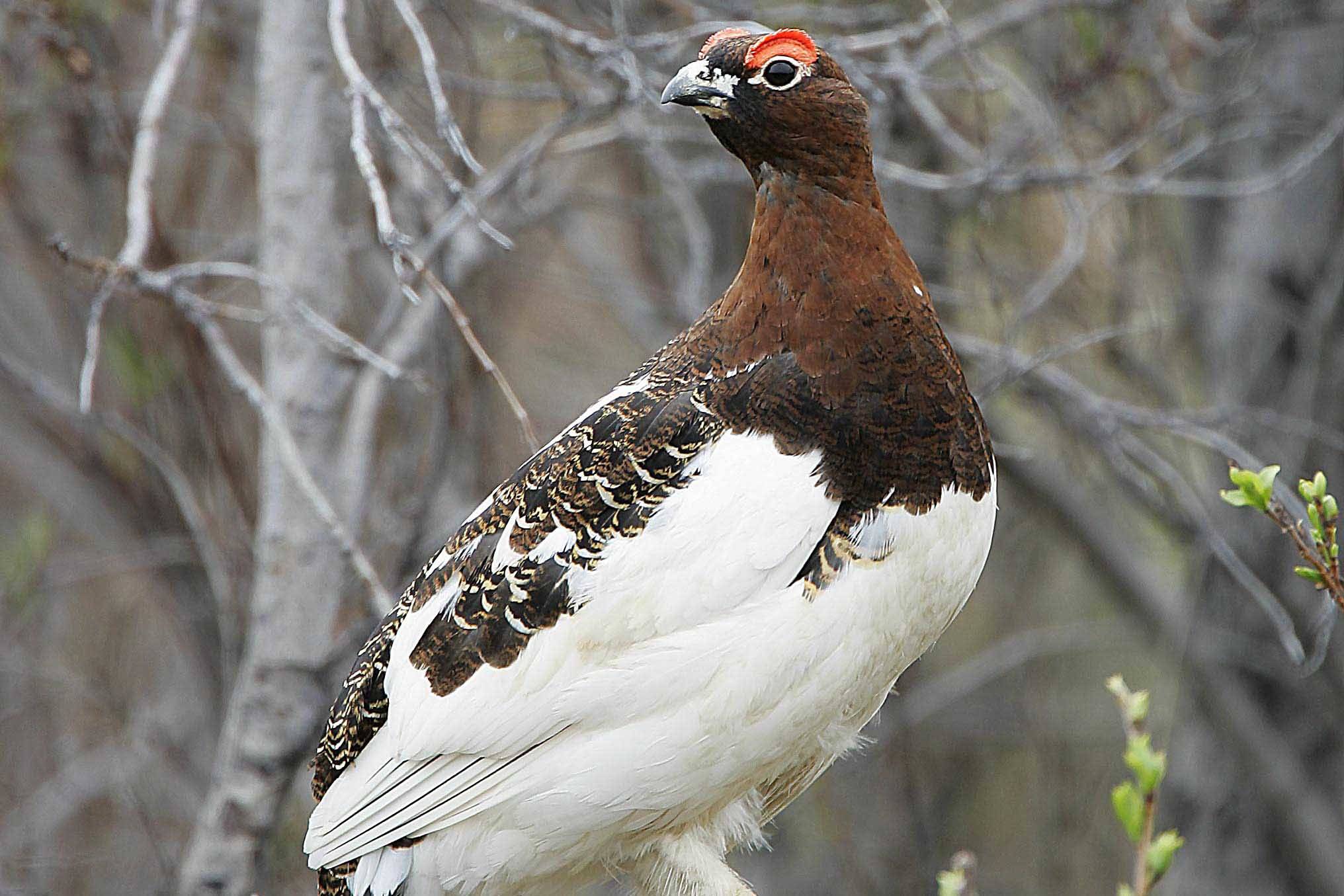
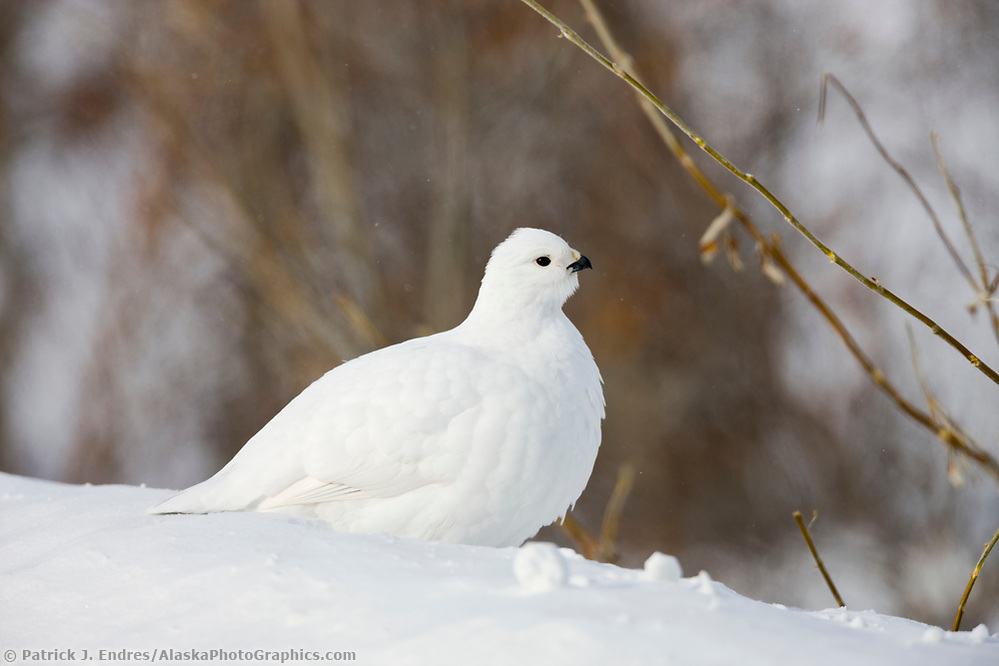
What makes the Willow Ptarmigan so special, and why is it such a fitting symbol for Alaska? Its most remarkable characteristic is its seasonal plumage change. In winter, the bird sports a pristine white coat, providing perfect camouflage against the snowy landscapes. Only its tail feathers and beak remain dark, offering a stark contrast. As spring approaches and the snow begins to melt, the Willow Ptarmigan gradually molts, transitioning to a mottled reddish-brown plumage with white belly feathers, expertly blending into the tundra vegetation, rocks, and emerging grasses. This incredible adaptation protects it from predators like foxes, lynx, and various raptors, showcasing nature’s ingenious design for survival.
Beyond its camouflage, the Willow Ptarmigan is equipped for cold environments. Its feet are feathered, acting like natural snowshoes, allowing it to walk effortlessly over snow without sinking, while also providing insulation. This physical trait, combined with its diet of willow buds, twigs, and berries, makes it perfectly suited for life in the subarctic and arctic regions of Alaska, where willows are a predominant plant species, especially near rivers and in boggy areas.
The male Willow Ptarmigan also features distinctive red combs above its eyes, which become more prominent during the breeding season, used in elaborate courtship displays. Their distinctive “gobbling” call, often heard echoing across the open tundra, adds another layer to their charm, announcing their presence in the vast wilderness. For those interested in avian wildlife, the opportunity to observe this bird in its natural habitat is an unforgettable experience, highlighting the unique biodiversity that makes Alaska a premier destination for ecotourism.
Why the Willow Ptarmigan? The Symbolism
The choice of the Willow Ptarmigan as Alaska’s state bird resonates deeply with the spirit of the land and its people. It symbolizes:
- Resilience and Adaptability: Just as the bird adapts to the changing seasons, Alaskans and those who visit learn to adapt to and appreciate the state’s powerful natural forces. Its ability to thrive in a harsh environment speaks to the pioneering spirit.
- Wilderness and Purity: The pristine white of its winter plumage evokes the untouched beauty of Alaska’s vast snow-covered landscapes, reflecting the state’s commitment to preserving its wild spaces.
- Connection to the Land: The Willow Ptarmigan is deeply ingrained in the Alaskan ecosystem and is a familiar sight to many Alaskan Native communities, holding cultural significance and representing a connection to traditional ways of life and subsistence.
- Subtlety and Discovery: Unlike some more flamboyant state birds, the Willow Ptarmigan often requires a keen eye and a patient spirit to spot. This reflects the rewards of exploring Alaska, where the most profound experiences often come from quiet observation and a willingness to venture off the beaten path.
Understanding the state bird of Alaska offers a deeper appreciation for the state itself, encouraging travelers to look beyond the obvious majestic glaciers and mountains and delve into the intricate details of its natural world.
Encountering the Willow Ptarmigan: A Journey into Alaska’s Wilderness
For travelers and wildlife enthusiasts, a trip to Alaska offers a unique opportunity to witness the Willow Ptarmigan in its natural splendor. Integrating birdwatching into your Alaskan adventure adds an enriching layer to your tourism experience, connecting you directly with the state’s wild heart. The website’s focus on destinations and experiences makes this a natural extension for anyone planning their visit.
Prime Locations for Birdwatching and Wildlife Photography
The Willow Ptarmigan is widespread across Alaska’s tundra, shrublands, and alpine environments. However, certain areas offer more accessible and fruitful opportunities for sightings:
- Denali National Park and Preserve: Arguably one of Alaska’s most iconic landmarks and attractions, Denali provides vast expanses of taiga and tundra, perfect Willow Ptarmigan habitat. Traveling along the Denali Park Road, especially in the higher elevations, significantly increases your chances. Guided wildlife tours within the park often point out these camouflaged birds.
- Chugach State Park (near Anchorage): Just a stone’s throw from the state’s largest city, Chugach State Park offers accessible alpine environments. Hiking trails that lead above the tree line can provide excellent opportunities for ptarmigan sightings. Popular trails like the Flattop Mountain Trail or those in the Glen Alps area are known for their ptarmigan populations.
- Gates of the Arctic National Park and Preserve: For the truly adventurous, this remote park in northern Alaska epitomizes untouched wilderness. While more challenging to access, it offers an unparalleled opportunity to see Willow Ptarmigan in a pristine, largely untraveled landscape.
- Kenai Peninsula: This beautiful peninsula, with its diverse landscapes ranging from coastal areas to alpine tundra, also hosts Willow Ptarmigan. Areas around Seward and Homer that extend into higher elevations can be productive.
When embarking on a birdwatching excursion, remember that patience and keen observation are key. These birds are experts at camouflage, so look for movement, listen for their calls, and consider investing in a good pair of binoculars.
Best Times to Visit for Optimal Sightings
The best time to spot the Willow Ptarmigan largely depends on which plumage you wish to observe:
- Winter (November to March): For the iconic white plumage, winter is the ideal time. While the conditions are colder, the contrast of the white bird against dark rocks or sparse vegetation can make them easier to spot if they aren’t fully embedded in deep snow. Snowshoeing or cross-country skiing in areas like Chugach State Park can offer fantastic viewing opportunities.
- Spring (April to May): This is a fascinating period to witness the ptarmigan’s transition from white to mottled brown. You might see individuals in various stages of molt, creating unique photographic opportunities. Breeding behaviors, including the male’s distinct calls and courtship rituals, are also more pronounced.
- Summer (June to August): During the peak travel season, the Willow Ptarmigan will be in its full brown plumage. They are still present in alpine and tundra areas, but their camouflage makes them particularly challenging to spot amidst the vibrant summer greenery. However, young chicks begin to appear in late summer, adding another dimension to observations.
- Fall (September to October): As the landscape transforms with vibrant autumn colors, the Willow Ptarmigan begins its transition back to white. This period offers beautiful scenery and the chance to see the bird in a changing coat, matching the shifting seasons.

Regardless of when you visit, consulting with local guides or visitor centers can provide up-to-date information on recent sightings and recommended locations.
Planning Your Alaskan Wildlife Adventure: Accommodation and Experiences
A journey to Alaska to witness its state bird and other incredible wildlife requires thoughtful planning, especially concerning accommodation and how you wish to experience the wilderness. Whether you prefer the luxury of a full-service resort or the rustic charm of a remote cabin, Alaska offers diverse options to suit every travel lifestyle.
Where to Stay: Lodges, Resorts, and Remote Cabins
The choice of accommodation can greatly enhance your Alaskan adventure. For those focused on wildlife, staying close to natural habitats is often key:
- Wilderness Lodges and Resorts: Many Alaskan lodges are specifically designed for nature immersion. Places like Kenoski Lodge near Denali or various resorts on the Kenai Peninsula offer guided tours, comfortable suites, and often breathtaking views right from your window. These establishments frequently provide amenities like gourmet dining, hot tubs, and expert naturalists on staff, making them ideal for a luxury travel experience.
- Remote Cabins and Backcountry Chalets: For a more secluded experience, consider renting a public-use cabin in a state park or a privately owned cabin in a less accessible area. These often require a bit more planning for supplies and logistics but offer unparalleled solitude and direct access to hiking and wildlife viewing. This style of accommodation is perfect for budget travel or those seeking an immersive, self-sufficient journey.
- Hotels in Major Cities: If your itinerary includes exploring cities like Anchorage, Fairbanks, or Juneau, there are numerous hotels to choose from. From the historic elegance of the Hotel Captain Cook in Anchorage to more contemporary accommodations that cater to business stays or family trips, these serve as excellent bases for day trips into nearby natural areas where the Willow Ptarmigan might be found. Many offer booking services and provide reviews and comparison tools to help you find the perfect fit.
Tailoring Your Trip: From Luxury Expeditions to Budget-Friendly Escapes
Alaska caters to a spectrum of travel lifestyles, allowing you to customize your pursuit of the Willow Ptarmigan and other Alaskan wonders.
- Luxury Expeditions: For an indulgent experience, consider a high-end guided wildlife tour that includes private flights to remote lodges, gourmet meals, and expert naturalists. These tours often offer a comprehensive experience that combines ptarmigan spotting with bear viewing, glacier exploration, and Northern Lights viewing (in season). Such trips are designed for comfort and maximum exposure to Alaska’s best, aligning with the luxury travel ethos.
- Adventure and Backpacking Trips: If you’re an avid hiker or backpacker, Alaska presents endless opportunities for self-guided adventures. By carrying your own gear and staying in designated backcountry campsites or public cabins, you can significantly reduce costs. This approach offers a more intimate and challenging way to encounter the Willow Ptarmigan and other wildlife. Remember to practice Leave No Trace principles and be prepared for variable weather conditions.
- Family-Friendly Adventures: Alaska is a fantastic destination for family trips. Many parks and natural areas have accessible trails suitable for children, and interpretive centers offer engaging educational programs about local wildlife, including the Willow Ptarmigan. Opt for hotels or apartments with family-friendly amenities and consider booking shorter, guided excursions that cater to varying activity levels.
- Budget-Conscious Travel: Traveling to Alaska doesn’t have to break the bank. Camping, utilizing hostels, or opting for vacation rentals can keep accommodation costs down. Cooking your own meals and focusing on free outdoor activities like hiking and nature observation can further stretch your budget. Many Alaskan towns also offer free local cultural events and attractions.
Regardless of your preferred lifestyle, careful planning of your trip, including booking accommodation well in advance, is essential for a smooth and rewarding Alaskan experience.
Beyond the Bird: Exploring Alaska’s Natural Wonders
While the Willow Ptarmigan serves as a captivating symbol, it is just one thread in the rich tapestry of wonders that Alaska offers. A comprehensive Alaskan itinerary should encompass a broader range of its majestic landmarks, diverse ecosystems, and vibrant local culture.
Iconic Landmarks and Scenic Drives
Alaska is synonymous with dramatic landscapes and natural landmarks that leave visitors in awe. Beyond the potential for ptarmigan sightings in its vast parks, consider incorporating these into your travel plans:
- Mount Denali: North America’s highest peak, Mount Denali (formerly Mount McKinley), is a sight to behold. Whether viewed from the Denali National Park Road or on a scenic flight, its sheer scale is breathtaking.
- Glacier Bay National Park and Preserve: A UNESCO World Heritage Site, Glacier Bay is famed for its actively calving glaciers, abundant marine wildlife (whales, seals, sea otters), and pristine fjords. Cruises are the primary way to experience this magnificent landmark.
- Kenai Fjords National Park: Located near Seward on the Kenai Peninsula, this park is home to the vast Harding Icefield and countless tidewater glaciers. Boat tours from Seward offer close-up views of glaciers and diverse marine life.
- Alaska Highway: For an epic road trip, driving the Alaska Highway is an experience in itself, traversing stunning landscapes from British Columbia and the Yukon into Fairbanks, Alaska. It’s a route rich in history and scenic overlooks.
- Inside Passage: This intricate network of coastal waterways in Southeast Alaska is ideal for cruises and ferry travel, revealing lush rainforests, towering mountains, and charming towns like Juneau, Sitka, and Ketchikan.
These landmarks not only provide incredible visual experiences but also serve as habitats for a myriad of wildlife, from bears and moose to eagles and, of course, the ever-present Willow Ptarmigan in its appropriate environments.
Immersive Cultural and Culinary Experiences
Alaska is more than just natural beauty; it’s a place with a rich history and vibrant culture, largely shaped by its indigenous peoples. Integrating local culture and food into your tourism plans offers a holistic understanding of the state.
- Alaskan Native Culture: Explore museums and cultural centers, such as the Alaska Native Heritage Center in Anchorage or the Totem Heritage Center in Ketchikan, to learn about the diverse traditions, art, and history of the Athabascan, Tlingit, Haida, Tsimshian, Yup’ik, and Inupiaq peoples. Attending a traditional dance or storytelling session is an enriching experience.
- Alaskan Cuisine: Indulge in Alaska’s fresh, wild-caught seafood. Savor grilled salmon, halibut, and crab at local restaurants. Don’t forget to try unique Alaskan specialties like reindeer sausage, wild berries, and craft beers brewed with glacial water.
- Outdoor Activities: Beyond birdwatching, Alaska offers a plethora of activities. Consider fishing, kayaking, dog sledding, flightseeing, or even ice climbing. Each activity provides a different perspective of the state’s grandeur and its close relationship with nature.
- Northern Lights: If you visit during the darker months (roughly September to April), particularly in areas like Fairbanks, dedicate time to seeking out the mesmerizing Aurora Borealis. This celestial display is a bucket-list experience for many travelers.
By weaving together wildlife viewing, explorations of natural landmarks, and engagement with Alaskan culture and cuisine, your journey will be much more than just a trip; it will be an immersive adventure into a truly extraordinary part of the world, leaving you with lasting memories and a profound appreciation for the Last Frontier.
In conclusion, the Willow Ptarmigan is more than just Alaska’s state bird; it’s a vibrant, living emblem of its untamed spirit, remarkable adaptability, and breathtaking natural beauty. For any traveler venturing to this incredible state, a conscious effort to seek out and appreciate this humble yet resilient bird offers a unique lens through which to view the grandeur of Alaska. From planning your perfect accommodation to choosing your adventure style, every aspect of your Alaskan journey can be tailored to connect you with its extraordinary wildlife and landscapes. So, as you pack your bags for the ultimate Alaskan experience, remember to keep an eye out for the white flash against the snow or the subtle brown blending into the tundra – the elusive and beautiful Willow Ptarmigan, waiting to be discovered.
LifeOutOfTheBox is a participant in the Amazon Services LLC Associates Program, an affiliate advertising program designed to provide a means for sites to earn advertising fees by advertising and linking to Amazon.com. Amazon, the Amazon logo, AmazonSupply, and the AmazonSupply logo are trademarks of Amazon.com, Inc. or its affiliates. As an Amazon Associate we earn affiliate commissions from qualifying purchases.