
When you’re planning a trip to the Last Frontier, understanding the local time in Anchorage, Alaska, is far more than a simple curiosity. It’s a foundational element that influences everything from flight schedules and hotel check-ins to the very rhythm of your adventure, deeply intertwining with the unique travel, tourism, and lifestyle experiences this majestic state offers. Anchorage, the largest city in Alaska, operates on Alaska Standard Time (AKT) during the winter months and Alaska Daylight Time (AKDT) during the summer. This typically places it one hour behind Pacific Standard Time (PST) and four hours behind Eastern Standard Time (EST) in the continental United States. However, the true complexity and fascination of Anchorage’s time lie not just in its UTC offset, but in the profound impact of its high-latitude location on daylight hours throughout the year. This dramatic shift between endless summer days and long winter nights doesn’t just change the scenery; it dictates daily life, tourism opportunities, and the very essence of an Alaskan experience.

For the intrepid traveler, the nuances of Anchorage time are crucial for seamless itinerary planning, managing potential jet lag, and maximizing the enjoyment of local attractions and outdoor adventures. From securing the best hotel accommodation to embarking on a wilderness tour, a deep appreciation for Alaska’s unique temporal landscape will undoubtedly enhance your journey. This article delves into the specifics of Anchorage’s time zone, explores the dramatic seasonal changes in daylight, and provides essential tips for travelers to make the most of their visit, whether they’re chasing the midnight sun or the ethereal Northern Lights.
Understanding Alaska’s Unique Temporal Landscape
The concept of time in Alaska is fundamentally shaped by its geographic position. Unlike most of the continental United States where time zones primarily dictate a fixed offset from Greenwich Mean Time (GMT) or Coordinated Universal Time (UTC), Alaska’s extreme northern latitude introduces a dynamic element that profoundly impacts daily life and visitor experiences.
The Alaska Time Zone (AKT) Explained
Anchorage, along with the majority of Alaska, operates on the Alaska Time Zone (AKT), which is UTC-9 during standard time and UTC-8 during daylight saving time (AKDT). This means that for much of the year, Anchorage is four hours behind New York and one hour behind Los Angeles. While this differential is important for coordinating flights and communicating with friends and family in other regions, it’s merely the mathematical baseline. The true story of time in Anchorage unfolds with the changing seasons, bringing with it phenomena that defy conventional expectations of daylight.
It’s also worth noting that some parts of Alaska, particularly the Aleutian Islands and Saint Lawrence Island, observe Hawaii-Aleutian Standard Time (HST), which is UTC-10. However, for Anchorage and popular tourist destinations like Denali National Park and the Kenai Peninsula, AKT is the operative time zone. This consistency simplifies planning within the most frequently visited regions but underscores the vastness and varied geography of the state.
Daylight Hours: A Tale of Two Seasons
The most captivating aspect of Anchorage’s time is its dramatic shift in daylight hours between summer and winter. This phenomenon is a direct consequence of Alaska’s proximity to the Arctic Circle and the tilt of the Earth’s axis.
Summer Solstice (June): The Midnight Sun
During the peak of summer, around the summer solstice in June, Anchorage experiences nearly 19 hours of daylight, with twilight lasting through the “night.” The sun might dip below the horizon briefly, but it never truly gets dark. This phenomenon, often referred to as the “Midnight Sun,” transforms the city into a vibrant hub of activity. People hike, fish, kayak, and explore well past what would be bedtime elsewhere. The extended daylight means:
- Extended Sightseeing: Attractions like the Alaska Native Heritage Center, the Anchorage Museum, and outdoor spaces like Kincaid Park and the Tony Knowles Coastal Trail can be enjoyed late into the evening.
- Outdoor Adventures: Kayaking in Cook Inlet, flightseeing from Lake Hood Seaplane Base, or road trips along the scenic Seward Highway can be prolonged without concern for darkness.
- Festival Atmosphere: The city buzzes with life, from outdoor concerts to bustling farmers’ markets, all benefiting from the abundant light.
Winter Solstice (December): The Long Night
Conversely, the winter months bring drastically reduced daylight. Around the winter solstice in December, Anchorage sees only about 5.5 hours of true daylight. The sun rises late and sets early, casting a pale, ethereal glow for a short period each day. This long period of darkness also offers its own unique charm and opportunities:
- Aurora Borealis Viewing: The extended darkness provides prime conditions for witnessing the mesmerizing Northern Lights, a bucket-list experience for many. While Fairbanks is further north and often cited as the best place, the Chugach Mountains surrounding Anchorage offer stunning backdrops for aurora viewing on clear, dark nights.
- Winter Sports: Skiing, snowboarding, ice skating, and dog mushing (like the iconic Iditarod Trail Sled Dog Race start in March) become primary activities, often illuminated by city lights or the moon.
- Cozy Retreats: Hotels and resorts emphasize warmth, comfort, and indoor amenities, creating perfect settings for a relaxed, hygge-inspired getaway.
These extreme variations in daylight are not just a meteorological curiosity; they are central to the Alaskan experience, dictating the mood, the available activities, and the very pace of life.
Navigating Travel and Tourism with Time in Mind
For any visitor, mastering the art of navigating Anchorage’s time dynamics is key to a fulfilling trip. From the moment you book your flight to the last souvenir purchase, time—and its unique Alaskan expression—will play a role.
Planning Your Anchorage Itinerary: Summer vs. Winter
Your itinerary will be vastly different depending on the season you choose to visit, largely due to the variations in daylight.
Summer Travel (May – September):
- Maximize Daylight: With abundant light, you can pack more into each day. Early morning hikes and late evening excursions are entirely feasible. Don’t be surprised to see people golfing at 10 PM.
- Outdoor Focus: This is prime time for wildlife viewing tours, glacier cruises in Prince William Sound or from Seward, and exploring Denali National Park.
- Adjust Your Body Clock: While exciting, the constant daylight can disrupt sleep patterns for those unaccustomed. Pack an eye mask and consider blackout curtains if your accommodation doesn’t provide them. Schedule some downtime to avoid burnout.
- Peak Season Considerations: Summer is peak tourist season. Attractions, tours, and hotels will be busier and often more expensive. Book accommodations and activities well in advance.

Winter Travel (October – April):
- Embrace the Darkness: Plan your daytime activities around the short window of natural light. Save indoor attractions like museums or shopping for the darker hours.
- Aurora Hunting: Dedicate evenings to Northern Lights tours. Consider staying outside the city limits for darker skies. Many tours operate late into the night.
- Winter Sports Galore: Take advantage of world-class skiing, dog sledding, and ice climbing. The long nights don’t deter these activities; they often enhance them with floodlights and a serene atmosphere.
- Off-Peak Advantages: Winter generally means fewer crowds and potentially lower prices for flights and accommodations, offering a more serene and budget-friendly experience.
Beating Jet Lag and Optimizing Your Stay
Traveling to Anchorage from the East Coast of the United States involves a significant time difference (four hours), making jet lag a real concern.
- Pre-Adjust: Start shifting your sleep schedule by an hour or two each day in the days leading up to your trip.
- Hydrate and Avoid Alcohol: This helps your body adjust and reduces the severity of jet lag symptoms.
- Sunlight Exposure: Upon arrival, expose yourself to natural light during Anchorage’s daytime hours, even if it feels “late” by your home clock. Conversely, avoid bright lights when it’s supposed to be night in Anchorage.
- Maintain Routines: Try to eat meals and go to bed at consistent Anchorage times to help your body adapt quickly.
- Schedule Rest: Don’t overschedule your first few days. Allow time for naps or just relaxing in your hotel room, especially if you’re traveling a long distance.
Hotel and Accommodation Considerations
Your choice of accommodation and how you interact with it can also be influenced by Anchorage’s unique time features.
- Blackout Curtains: For summer travelers, this is an absolute must-have. Many Anchorage hotels are equipped with them, but it’s worth confirming when booking, especially if you’re sensitive to light. Properties like the Hotel Captain Cook or the Marriott Anchorage Downtown typically understand this need.
- 24-Hour Services: Given the varied schedules of travelers (especially those struggling with jet lag or arriving on late flights into Anchorage International Airport), hotels with 24-hour reception, fitness centers, or room service can be a lifesaver.
- Amenities for Rest and Relaxation: Consider hotels that offer comfortable beds, quiet rooms, and perhaps even in-room coffee makers or mini-fridges for late-night snacks or early morning pick-me-ups, catering to a disrupted body clock.
- Long-Term Stays: If you’re staying for an extended period, perhaps for business or a longer adventure, an apartment or villa-style accommodation might offer more control over your environment, allowing you to create a personalized schedule.
Lifestyle and Local Culture: Living by the Alaskan Clock
The extreme daylight shifts aren’t just a novelty for tourists; they deeply embed themselves into the fabric of life for Anchorage residents, shaping everything from daily routines to local traditions.
The Rhythm of Daily Life in Anchorage
Alaskans have adapted their routines to the unique cycle of light and dark.
- Summer Productivity: During the summer, locals often make the most of the endless daylight. It’s common for people to work their regular jobs and then head out for a hike, fishing trip, or garden maintenance late into the evening. Restaurants and shops may extend their hours to cater to the extended activity. The line between workday and leisure blurs, allowing for a remarkable amount of outdoor engagement.
- Winter Hibernation: As winter approaches, the pace slows down. Routines shift to accommodate the limited daylight. Mornings are often dark, and evenings arrive quickly. Social gatherings might move indoors, and there’s a greater emphasis on cozy home life. Many Alaskans embrace winter sports during the day’s brief light or under stadium lights in the evening, seeing the darkness not as a deterrent but as an invitation to different activities. This cultural adaptation means businesses and services often adjust their hours seasonally, a critical piece of local knowledge for visitors.
Seasonal Impact on Local Activities and Landmarks
The time of year profoundly affects access and enjoyment of Anchorage’s landmarks and cultural experiences.
- Summer Landmarks: Iconic natural landmarks like the Chugach Mountains and Cook Inlet are best explored in summer. Hiking trails are clear, wildlife is active, and boat tours are in full swing. Cultural sites such as the Alaska Native Heritage Center and the Anchorage Museum often have extended hours and special programming.
- Winter Landmarks: While some outdoor activities are curtailed, winter transforms the landscape into a snowy wonderland. Destinations like Kincaid Park become cross-country skiing and snowshoeing havens. The Tony Knowles Coastal Trail offers crisp, invigorating walks with stunning views of a snow-dusted city. Winter festivals, like the Iditarod Trail Sled Dog Race ceremonial start in March, bring unique energy, often timed around the available daylight or early evening. The Alaska Railroad continues to operate, offering picturesque winter journeys.
- Food and Culture: Local cuisine also reflects the seasons. Summer brings fresh salmon and berries, often enjoyed al fresco. Winter calls for heartier fare, best savored in warm, inviting restaurants. Festivals and community events, which are frequent in Anchorage, are always scheduled with the specific daylight patterns in mind.
Practical Tips for Visitors to Anchorage
A well-informed traveler is a happy traveler, and in Anchorage, knowledge of time and daylight is power.
Essential Planning Tools
- Reliable Time App: Have a world clock app on your phone that clearly shows the current time in Anchorage and your home location.
- Sunrise/Sunset Calculator: Before your trip, check the average sunrise and sunset times for your specific travel dates. Websites and weather apps provide this information and will help you visualize your days.
- Tour Operator Schedules: Always confirm tour and activity times directly with operators. Many summer tours start early and run late, while winter Northern Lights tours begin in the late evening.
- Flexibility: Build flexibility into your itinerary. The weather in Alaska can change rapidly, and sometimes spontaneous adjustments are necessary, especially for outdoor activities.
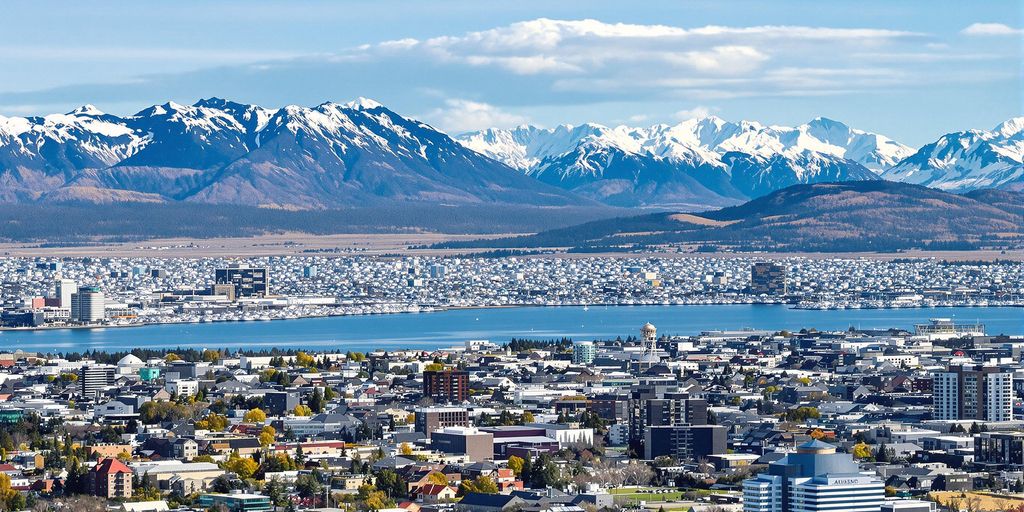
Embracing the Alaskan Time Experience
Ultimately, visiting Anchorage means embracing its unique temporal rhythm.
- Go with the Flow: Don’t fight the daylight or the darkness. Lean into the season you’ve chosen. If it’s summer, enjoy the seemingly endless opportunities to explore. If it’s winter, relish the quiet, the crisp air, and the magic of the Northern Lights.
- Pack Accordingly: For summer, an eye mask is non-negotiable. For winter, layered clothing is essential for warmth during the short days and long, cold nights.
- Talk to Locals: Alaskans are incredibly resilient and knowledgeable about living with these extreme conditions. They can offer invaluable tips on where to go, what to do, and how to best manage your energy throughout the day.
- Capture the Light (or Lack Thereof): The unique light conditions offer incredible photographic opportunities. From the golden hours that stretch for hours in summer to the dramatic twilight scenes of winter, Anchorage is a photographer’s dream.
In conclusion, knowing “What time is it in Anchorage, Alaska?” goes beyond a simple check of the clock. It’s about understanding a fundamental aspect of its geography that shapes travel, accommodation, local culture, and ultimately, the entire experience of visiting this extraordinary destination. By preparing for and embracing Anchorage’s distinctive temporal landscape, you’re set to embark on an unforgettable journey into the heart of the Last Frontier.
LifeOutOfTheBox is a participant in the Amazon Services LLC Associates Program, an affiliate advertising program designed to provide a means for sites to earn advertising fees by advertising and linking to Amazon.com. Amazon, the Amazon logo, AmazonSupply, and the AmazonSupply logo are trademarks of Amazon.com, Inc. or its affiliates. As an Amazon Associate we earn affiliate commissions from qualifying purchases.