
Embarking on an Alaska cruise promises an unforgettable journey through some of the world’s most spectacular natural landscapes. From towering glaciers and majestic fjords to abundant wildlife and charming coastal towns, the Alaskan wilderness offers a unique blend of adventure and serene beauty. However, the key to fully enjoying this incredible experience lies in smart and strategic packing. Alaska’s weather is notoriously unpredictable, often swinging between sunny skies, misty rain, and brisk winds, sometimes all in a single day. Preparing for such diverse conditions, coupled with varying activities both onboard and ashore, is paramount. This comprehensive guide will ensure you’re well-equipped for every moment of your Alaskan adventure, allowing you to focus on the breathtaking scenery and unique cultural experiences rather than worrying about being too cold, wet, or unprepared. We’ll delve into the essentials for navigating the climate, dressing for every occasion, and packing the necessary gear to capture and enjoy every aspect of your cruise, whether you’re exploring the historic streets of Skagway or marveling at the colossal ice formations of Glacier Bay National Park.
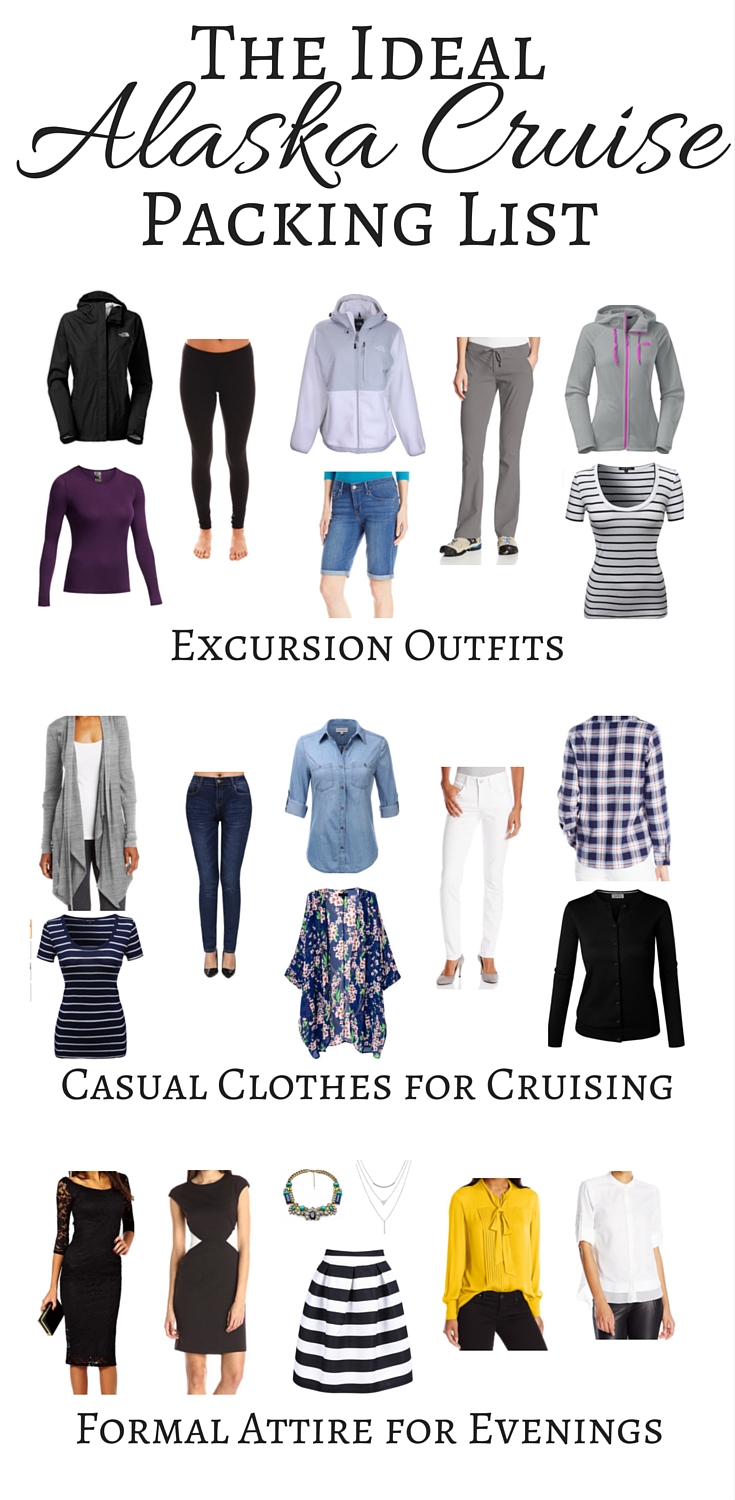
Navigating Alaska’s Diverse Climate: Essential Clothing
The cornerstone of any successful Alaska cruise packing strategy is understanding the concept of layering. Even in summer, temperatures can range significantly, from comfortable highs in the 60s Fahrenheit (15-20°C) to chilly lows near freezing, especially when cruising near glaciers or in the early morning/late evening. Rain is also a frequent companion, so preparing for wet conditions is crucial.
Layering is Key: Staying Warm and Dry
The three-layer system is your best defense against Alaska’s variable climate, allowing you to adapt effortlessly to changing conditions.
- Base Layers: These are worn directly against your skin and should be designed to wick moisture away, keeping you dry and comfortable. Opt for lightweight, breathable materials like merino wool or synthetic fabrics. Avoid cotton for base layers, as it absorbs moisture and takes a long time to dry, which can leave you feeling cold. Pack several short-sleeved and long-sleeved options. This is vital for maintaining comfort during active shore excursions like hiking in Tongass National Forest or kayaking near Juneau.
- Mid-Layers (Insulating Layer): Worn over your base layer, this layer provides warmth by trapping body heat. Fleece jackets (200-300 weight) or packable down vests/jackets are excellent choices. They offer significant warmth without excessive bulk, making them easy to pack and wear. A good mid-layer is essential for cooler days on deck, during whale-watching excursions, or when exploring towns like Sitka on a crisp morning. Consider a sweater made from wool or a technical blend for a slightly dressier, yet still warm, option.
- Outer Layers (Protective Shell): This is your shield against wind, rain, and snow. A high-quality waterproof and windproof jacket is non-negotiable. Look for jackets with sealed seams and a durable water repellent (DWR) finish. Brands using technology like GORE-TEX are highly recommended for their breathability and superior protection. A parka or a longer rain jacket will provide more coverage and warmth. Consider one with a hood that can fit over a hat. Pair this with waterproof rain pants, especially if you plan on extended outdoor activities, ensuring you stay completely dry while exploring attractions like the Mendenhall Glacier.
Beyond the three layers, don’t overlook other crucial items for warmth and protection:
- Footwear: Pack at least two pairs of comfortable, broken-in shoes. Waterproof hiking boots with good traction are essential for shore excursions, especially if you plan on glacier walks or exploring uneven terrain. They’ll also keep your feet dry during rainy strolls through towns like Ketchikan. For onboard comfort and casual wear, a pair of supportive walking shoes or sneakers will suffice.
- Socks: Just like base layers, opt for wool or synthetic blend socks that wick moisture. Pack enough for each day, plus a few extra pairs in case some get wet. Avoid cotton socks at all costs for outdoor activities.
- Hats, Gloves, and Scarves: A warm, waterproof hat (like a beanie or fleece hat) is crucial for retaining body heat, as a significant amount of heat can be lost through your head. Waterproof gloves or mittens are equally important for keeping your hands warm and dry during chilly deck viewing or excursions. A warm scarf or neck gaiter provides additional protection against biting winds.
Dressing for Onboard Comfort and Occasions
While outdoor clothing is essential, an Alaska cruise also offers opportunities for relaxation and more refined dining experiences. Most cruise lines, such as Holland America Line, Princess Cruises, and Norwegian Cruise Line, adopt a “resort casual” dress code for most evenings, with specific formal nights being optional.
- Casual Wear: For daytime activities onboard, lounging, or informal dining, comfortable and versatile clothing is best. Think jeans, khakis, sweaters, long-sleeved tops, and t-shirts. These items should be easy to mix and match. Don’t forget comfortable loungewear for relaxing in your cabin or a quick trip to the onboard cafe.
- Dinner Attire: For most evenings, “smart casual” is the standard. For men, this typically means slacks or dark jeans, collared shirts (polo or button-down), and perhaps a sport coat. For women, nice slacks, skirts, blouses, sundresses, or casual dresses are appropriate. Some cruises may have “formal nights” (often 1-2 per 7-day cruise), where passengers might opt for cocktail dresses, evening gowns, suits, or tuxedos. While not mandatory on many modern cruises, it’s an enjoyable tradition for those who wish to partake. Check your specific cruise line’s dress code.
- Swimwear: Many ships feature heated indoor pools, hot tubs, or even saunas and spas. Pack at least one swimsuit to take advantage of these amenities, offering a warm respite from the chilly Alaskan air, even as you sail past icebergs in Tracy Arm Fjord.
- Sleepwear: Comfortable pajamas or loungewear will ensure a good night’s rest after a day full of exploration.
Gear and Accessories for Exploration and Enjoyment
Beyond clothing, a few key pieces of gear and accessories will significantly enhance your Alaska cruise experience, allowing you to fully immerse yourself in the natural beauty and capture every memorable moment.
Photography and Observation Essentials
Alaska is a photographer’s dream and a wildlife enthusiast’s paradise. Being prepared to observe and capture its wonders is crucial.
- Binoculars: This is arguably the most important non-clothing item. High-quality binoculars (8×42 or 10×42 are popular choices) are indispensable for spotting distant wildlife such as whales, sea lions, eagles, and bears from the ship’s deck or during shore excursions. You’ll be amazed at the detail you can discern, transforming distant specks into vivid encounters.
- Camera Gear: Whether you’re using a smartphone, a point-and-shoot, or a DSLR, ensure you have plenty of memory cards and extra batteries. The cold weather can drain batteries faster. A waterproof or water-resistant camera bag is highly recommended to protect your equipment from rain and sea spray. Consider a telephoto lens if you’re serious about wildlife photography. For casual photographers, a smartphone with good zoom capabilities will often suffice, but consider a waterproof case for protection.
- Daypack/Small Backpack: A comfortable daypack is essential for shore excursions. It allows you to carry your outer layers, binoculars, camera, water bottle, snacks, and any souvenirs you might pick up. Look for one that is water-resistant or comes with a rain cover.
- Dry Bag: For any water-based excursions like kayaking or Zodiac tours, a small dry bag can be invaluable for protecting your phone, wallet, and other small electronics from water damage.
Health, Safety, and Personal Comfort Items
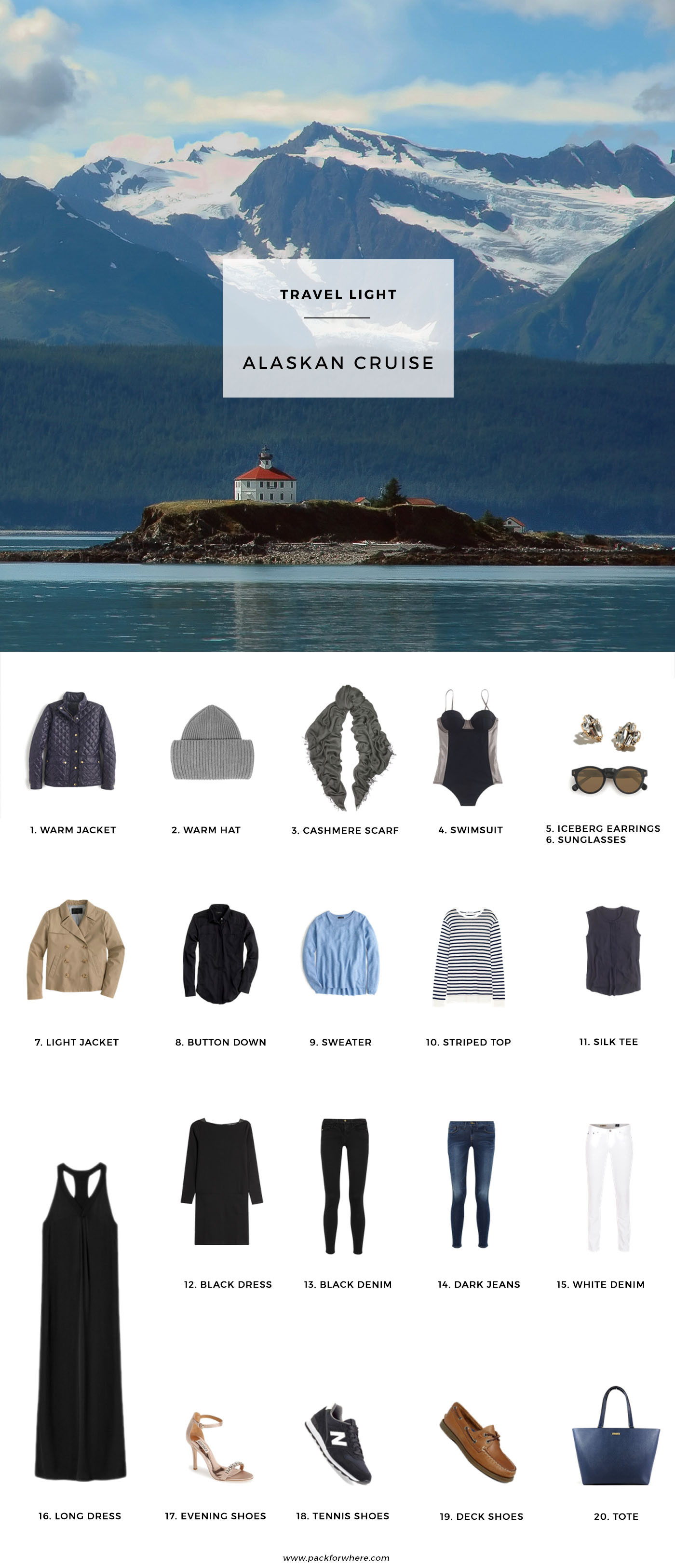
Being prepared for minor ailments or enhancing your personal comfort can make a big difference on a long journey.
- Medications: Pack all prescription medications in their original containers, along with copies of your prescriptions. Also, bring a supply of over-the-counter remedies for common issues like headaches, motion sickness (e.g., Dramamine, seasickness patches), upset stomachs, and cold symptoms. The Inside Passage can sometimes be choppy, so motion sickness medication is a wise precaution.
- Toiletries: While basic toiletries are usually provided in your cabin, bring your preferred brands, especially for items like sunscreen (UVA/UVB protection is important, even on cloudy days, due to UV reflection off water and snow), lip balm with SPF, and insect repellent (especially if venturing inland or doing forest hikes). Travel-sized containers can save space.
- Basic First-Aid Kit: A small kit containing bandages, antiseptic wipes, pain relievers, blister treatment, and any personal allergy medications can be a lifesaver for minor scrapes or discomforts.
- Reusable Water Bottle: Staying hydrated is important. Many ships have water stations where you can refill your bottle, reducing plastic waste.
- Small Umbrella: While your waterproof jacket is the primary defense, a compact travel umbrella can be handy for light drizzles or walking around port towns.
- Earplugs and Eye Mask: For light sleepers, these can be invaluable, especially if your cabin is near a noisy area or if you’re sensitive to light. The long daylight hours in Alaska during summer can be surprisingly bright at midnight!
Documents, Finances, and Connectivity
Ensuring all your essential paperwork is in order and you have access to funds and communication will provide peace of mind throughout your journey.
Important Paperwork and Financial Preparedness
Smooth travel begins with organized documentation and smart financial planning.
- Travel Documents: This includes your passport (if required, especially for cruises that visit Canada like those departing from Vancouver or calling at Victoria, British Columbia), cruise line boarding passes, flight tickets, and any visa documents (though most Alaska cruises from the USA do not require a visa for US citizens). Keep digital copies on your phone or in the cloud, and physical copies separate from the originals.
- Identification: A valid government-issued ID is always necessary.
- Credit Cards and Cash: Bring a primary and a backup credit card. Notify your bank of your travel dates to avoid fraud alerts. While most transactions onboard and in major port towns like Juneau and Skagway can be done with credit cards, it’s wise to carry a small amount of cash in small denominations for tips, small purchases from local vendors, or in areas where card readers might be less common.
- Travel Insurance Information: Having travel insurance is highly recommended. Keep your policy details, emergency contact numbers, and claim information easily accessible. This provides a safety net for unforeseen circumstances, from medical emergencies to trip cancellations.
Staying Connected and Charged
While disconnecting can be part of the appeal, having the means to stay connected and keep devices charged is often necessary.
- Portable Power Bank: Outlets in cruise cabins can be limited. A portable power bank (fully charged) is invaluable for keeping your phone, camera, and other small electronics charged throughout the day, especially during long excursions where you’re away from power sources.
- Charging Cables and Adapters: Don’t forget the charging cables for all your electronic devices. If you are traveling from outside North America to embark on a cruise from Seattle or Vancouver, you may need a universal travel adapter for your journey to the port, though most cruise ships primarily use US-style outlets (Type A/B, 110-120V).
- Entertainment: While the scenery is the main attraction, pack a book, e-reader, or download movies/shows to your tablet for downtime, especially during sea days or in your cabin. Shipboard internet can be expensive and slow, so having offline entertainment is a smart move.
Practical Packing Tips for a Smooth Voyage
Beyond what to pack, how you pack can significantly impact your travel experience, ensuring efficiency and readiness for the adventure ahead.
Smart Packing Strategies
Maximize your luggage space and minimize stress with these savvy packing techniques.
- Rolling Clothes: Rolling your clothes tightly can save space and help prevent wrinkles, allowing you to fit more into your suitcase.
- Packing Cubes: These organizational wonders are a game-changer for cruise packing. They help compartmentalize your clothing by type or outfit, making it easier to find items and keep your cabin tidy. You can designate cubes for base layers, mid-layers, formal wear, and even dirty laundry. This is particularly helpful on a ship where cabin space can be limited.
- Leaving Space for Souvenirs: Alaska’s port towns offer unique local crafts, artwork, and delicious Alaskan specialties like smoked salmon. Plan to leave some room in your luggage for these mementos, or consider bringing a collapsible duffel bag for overflow.
- Luggage Considerations: Check your cruise line’s luggage policies regarding size and weight limits. While there are no airline-style restrictions on the number of bags, handling multiple heavy suitcases on and off the ship can be cumbersome. Opt for sturdy, recognizable luggage.
- Carry-on Essentials: Always pack a small carry-on bag with absolute essentials that you can’t afford to lose or wait for. This includes medications, important documents, a change of clothes, toiletries, and any valuables. Your checked luggage can take a few hours to reach your cabin on embarkation day, so having immediate necessities on hand is a relief.

Embracing the Alaska Experience
Ultimately, packing is about preparation, allowing you to fully immerse yourself in the journey without unnecessary worries.
- Research Shore Excursions: Familiarize yourself with the planned activities at ports like Juneau, Skagway, and Ketchikan. Whether you’re dog sledding on a glacier, whale watching near Hubbard Glacier, or exploring historical sites in the Yukon Territory (if your itinerary includes it), knowing your activities will help you fine-tune your clothing and gear.
- Be Prepared for Changing Plans: Alaskan weather can sometimes lead to altered itineraries or cancelled excursions. Maintain flexibility and a positive attitude. The beauty of cruising is that there’s always something else to see or do onboard, or another breathtaking vista just around the bend.
- Enjoy the Unique Culture: Embrace the distinct local culture, from the indigenous art of the Tlingit people in Sitka to the frontier spirit of Skagway’s gold rush era. Engage with locals, try regional foods, and soak in the unique atmosphere of the Last Frontier.
A well-packed suitcase is your first step towards an extraordinary Alaska cruise. By adhering to the principles of layering, prioritizing waterproof gear, and remembering key accessories, you’ll be ready for anything this magnificent destination throws your way. Focus on being present, capturing memories, and letting the unparalleled beauty of Alaska unfold before you. With proper preparation, your Alaskan adventure will be comfortable, captivating, and truly unforgettable, offering a lifetime of stories from the majestic Pacific Northwest wilderness.
LifeOutOfTheBox is a participant in the Amazon Services LLC Associates Program, an affiliate advertising program designed to provide a means for sites to earn advertising fees by advertising and linking to Amazon.com. Amazon, the Amazon logo, AmazonSupply, and the AmazonSupply logo are trademarks of Amazon.com, Inc. or its affiliates. As an Amazon Associate we earn affiliate commissions from qualifying purchases.