
Deciding when to visit Alaska is the first, and perhaps most crucial, step in planning an unforgettable adventure to America’s Last Frontier. This vast and majestic state offers a diverse range of experiences that vary dramatically with the seasons, from the perpetual daylight of summer to the dancing aurora borealis of winter. Whether you dream of wildlife encounters, glacier cruises, challenging hikes, or cozy cabin retreats, understanding Alaska’s unique seasonal rhythms is key to tailoring your trip to perfection. This guide will navigate you through the distinct characteristics of each season, helping you pinpoint the ideal time for your personal Alaskan odyssey, taking into account everything from attractions and activities to accommodation availability and travel styles.
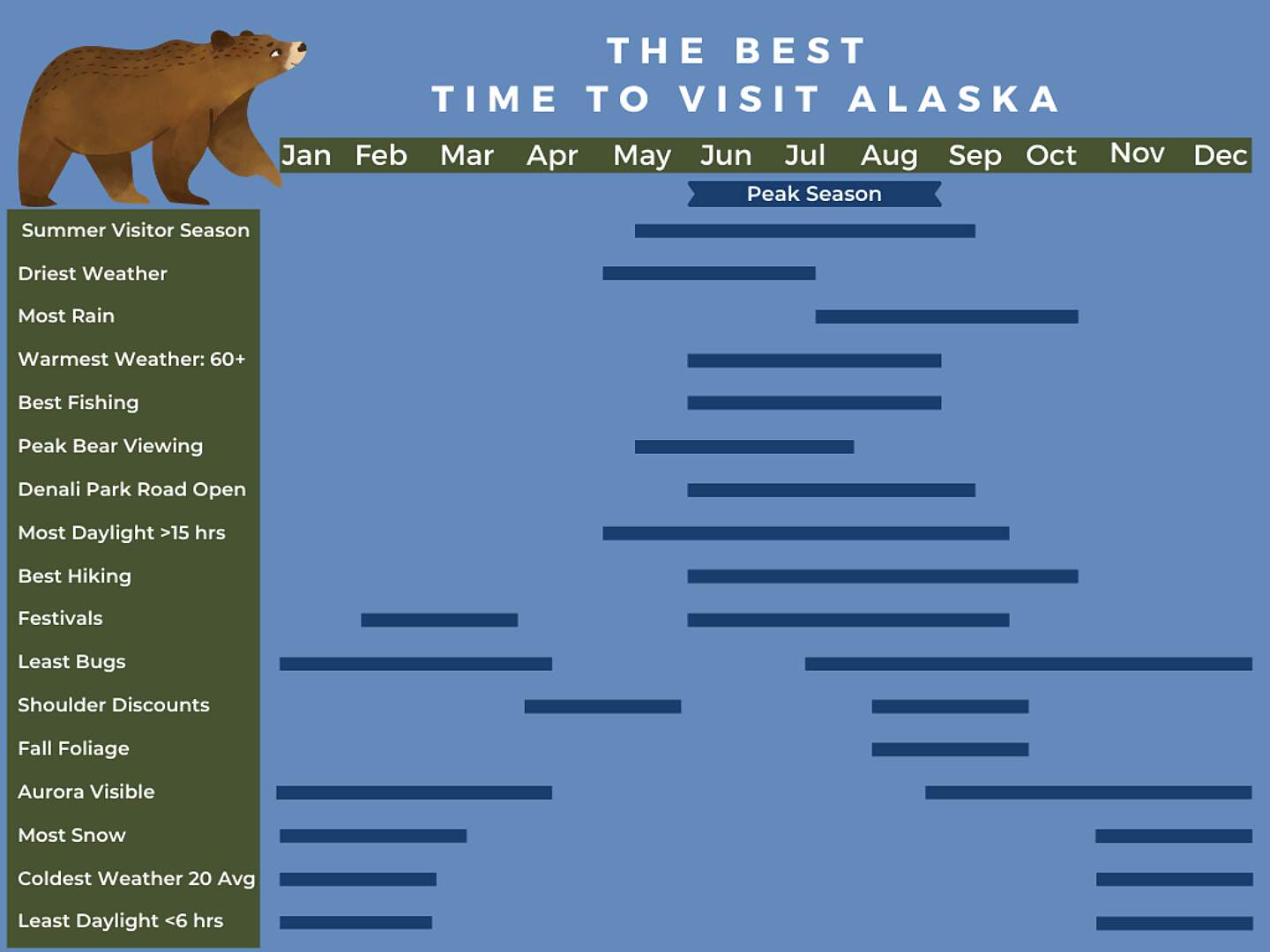
Understanding Alaska’s Seasons: A Year-Round Destination
Alaska’s geographical immensity means that climate and daylight hours can vary significantly across its regions. From the temperate rainforests of the Inside Passage to the frozen tundra of the Arctic Circle, the state experiences dramatic shifts throughout the year. While summer often steals the spotlight, each season presents its own unique charm and opportunities, catering to different interests and travel preferences. Recognizing these seasonal nuances is fundamental to maximizing your Alaskan experience, ensuring you pack appropriately, book the right tours, and find suitable accommodation that aligns with your desired activities.
Peak Season Perfection: Summer in Alaska (June – August)
Summer is undeniably the most popular time to visit Alaska, and for good reason. From late May through early September, the state awakens with vibrant life, endless daylight, and a plethora of accessible activities. This period offers the warmest temperatures and the longest days, sometimes stretching to 24 hours of daylight in the far north, allowing for extended explorations and adventures under the phenomenon of the Midnight Sun.
Why Summer Shines: Activities & Attractions
Summer in Alaska is synonymous with unparalleled outdoor experiences and wildlife viewing. This is when the state’s iconic natural landmarks are at their most welcoming.
- Wildlife Viewing: The warmer months bring a burst of activity, making it the prime time for spotting Alaska’s iconic wildlife. Bears are active, particularly at places like Brooks Falls in Katmai National Park, where they famously fish for salmon. Whales, including humpbacks and orcas, are abundant in coastal waters and frequently seen on Inside Passage cruises and tours from Seward or Homer. Moose, caribou, Dall sheep, and eagles are also commonly sighted across the state.
- Cruising Adventures: Summer is the peak season for cruise ships navigating the breathtaking fjords and glaciers of the Inside Passage and Glacier Bay National Park. These cruises offer a comfortable way to witness colossal glaciers calving, spot marine life, and visit charming port towns like Juneau, Ketchikan, and Sitka. Day cruises from Seward and Whittier into Kenai Fjords National Park are also immensely popular.
- Hiking and Outdoor Pursuits: With trails largely snow-free, summer is perfect for hiking, backpacking, and exploring Alaska’s vast wilderness. From easy walks to multi-day treks, opportunities abound in areas like Chugach State Park near Anchorage or within Denali National Park. Fishing, kayaking, rafting, and flightseeing tours are also at their peak.
- Denali National Park Access: The summer months are the only time when visitors can fully access Denali National Park by bus for deep exploration. This period offers the best chances to see Mount Denali, North America’s tallest peak, unobscured by clouds, and observe its diverse ecosystem.
Summer Travel Considerations
While idyllic, summer in Alaska comes with its own set of challenges that travelers should be aware of.
- Crowds and Cost: Due to its popularity, summer is the busiest and most expensive time to visit. Popular destinations, tours, and hotels fill up quickly, and prices for accommodation, flights, and rental cars reach their peak.
- Booking in Advance: To secure preferred lodging, cruise berths, tour slots, and even restaurant reservations, it’s highly recommended to book everything several months, or even a year, in advance. This is especially true for sought-after experiences like Denali National Park bus tours or prime Inside Passage cruise dates.
- Mosquitoes: While not everywhere, mosquitoes can be a nuisance in certain areas, particularly near standing water. Carrying insect repellent is a wise precaution.
Shoulder Season Savings: Spring & Fall (May & September)
For those looking to experience Alaska with fewer crowds and potentially lower prices, the shoulder seasons of late spring (May) and early fall (September) present an attractive alternative. These months offer a transition, revealing different facets of the Alaskan landscape and experience.
Spring’s Awakening (May)
May sees Alaska emerging from its winter slumber. The days grow longer rapidly, and the landscape transforms from snowy white to vibrant green as wildflowers begin to bloom.
- Emerging Wildlife: As the snow melts, wildlife becomes more active. Bears awaken from hibernation, and migratory birds return, making it a great time for birdwatching. Newborn animals are also making their appearance.
- Fewer Crowds and Better Deals: Early May in particular offers a noticeable drop in tourist numbers compared to peak summer. This translates to more availability for accommodation and tours, often at more competitive rates. It’s an excellent option for budget travel.
- Considerations: While many services and attractions begin opening in May, some remote areas or high-elevation trails might still be inaccessible due to snow. The weather can be unpredictable, with cooler temperatures and occasional rain or late-season snow possible.
Autumn’s Golden Glow (September)
September brings a spectacular display of fall foliage, as the tundra and deciduous trees turn brilliant shades of red, orange, and gold. The crisp air and dwindling daylight hours signal a shift towards winter.
- Stunning Scenery: The autumn colors are breathtaking, especially in interior Alaska around Fairbanks and along the Alaska Railroad route. This provides fantastic photography opportunities.
- Increased Aurora Borealis Chances: With shorter days and clearer skies becoming more common, September marks the beginning of the prime Northern Lights viewing season, particularly in the interior regions.
- Wildlife Migration and Fishing: Wildlife viewing remains good, with animals preparing for winter. Salmon runs are often still strong in early September, offering excellent fishing opportunities.
- Fewer Crowds and Value: Similar to May, September sees a significant reduction in tourist traffic, leading to more peaceful experiences and often the best deals on accommodation and activities before many businesses close for the winter.
- Considerations: By late September, some tours, resorts, and remote lodges begin to close for the season. The weather can become quite cold, and snow is possible, especially at higher elevations or in interior Alaska. Travelers should be prepared for varying conditions.
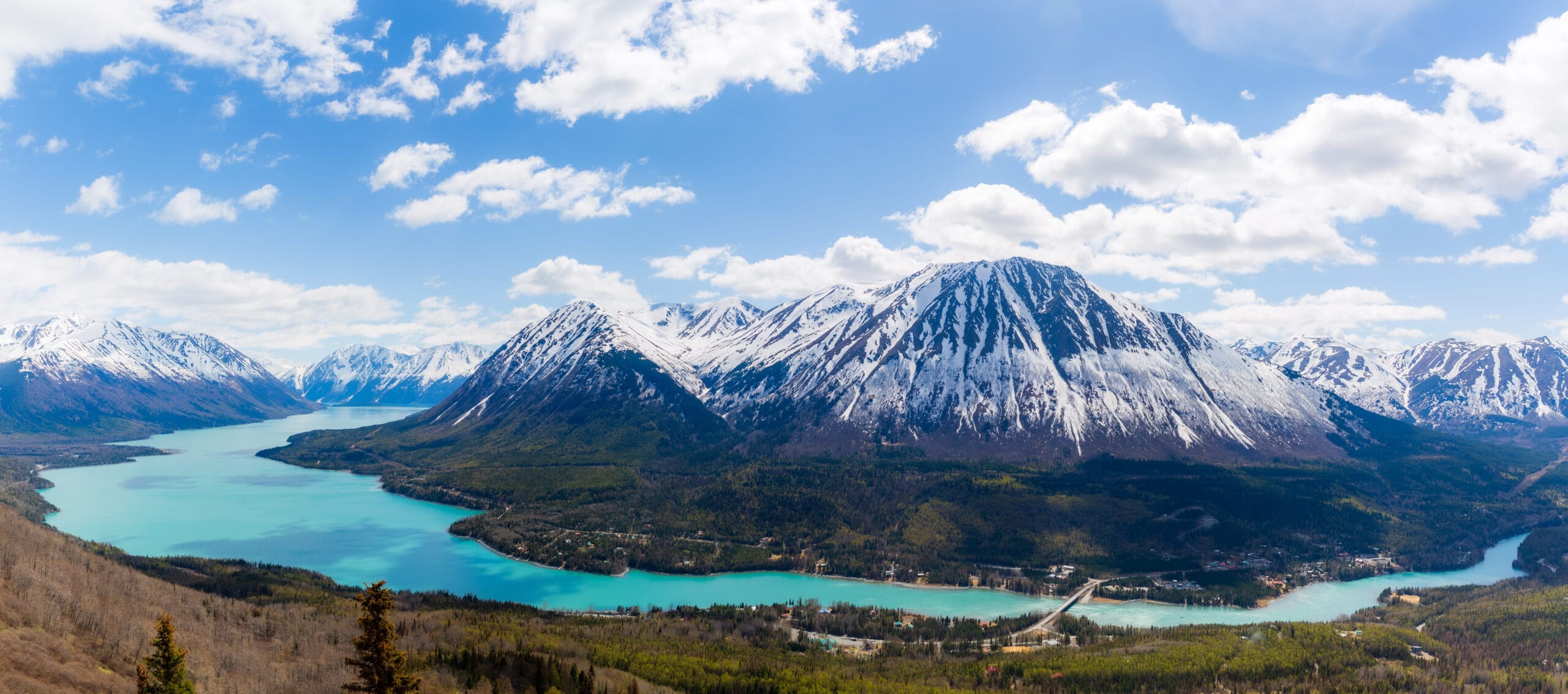
Winter Wonderland: The Enchantment of Alaska (October – April)
While less traditional, a winter visit to Alaska offers a profoundly unique and magical experience, appealing to those seeking true adventure and the quiet beauty of a snow-covered landscape. This is the realm of the Northern Lights, dog sledding, and cozy, fire-lit evenings.
Embracing the Cold: Unique Winter Experiences
Winter transforms Alaska into a pristine, silent world, perfect for specific, enchanting experiences.
- The Northern Lights: Without a doubt, the prime attraction of an Alaskan winter is the chance to witness the spectacular Aurora Borealis. Fairbanks, situated beneath the auroral oval, is renowned as one of the best places on Earth to see this natural light show, with prime viewing from late August to April, especially during dark, clear nights. Tours specifically designed for aurora chasing are readily available.
- Winter Sports: Alaska is a haven for winter sports enthusiasts. Dog sledding is an iconic Alaskan activity, with tours ranging from short rides to multi-day expeditions. Skiing, snowboarding, snowshoeing, ice skating, and ice fishing are also popular. Alyeska Resort in Girdwood offers world-class skiing.
- Winter Festivals and Culture: Experience authentic Alaskan culture at winter festivals, such as the Iditarod Trail Sled Dog Race start in Anchorage in March, or the Fur Rondy Festival in February. These events offer a glimpse into the state’s rugged heritage.
- Cozy Retreats: Winter is the perfect time for a peaceful escape. Many resorts and cabins offer a cozy atmosphere, complete with fireplaces and hot tubs, ideal for relaxing after a day in the snow or while waiting for the aurora.
Winter Travel Considerations
Winter travel in Alaska requires careful planning and a readiness to embrace the elements.
- Extreme Cold and Shorter Days: Temperatures can drop significantly below freezing, especially in interior Alaska. Days are short, with only a few hours of daylight in December and January, but this darkness is essential for aurora viewing. Proper layering and warm gear are critical.
- Limited Access: Many roads and remote areas, including most of Denali National Park (beyond the first few miles), are closed or have limited access during winter. Some businesses and attractions also close for the season.
- Transportation Challenges: Road conditions can be challenging, with ice and heavy snow. Flights, particularly to smaller communities, can be delayed or cancelled due to weather. Using services like the Alaska Railroad between Anchorage and Fairbanks can be a scenic and reliable option.
Tailoring Your Alaskan Adventure: Interests & Best Times
Ultimately, the “best” time to visit Alaska is subjective and depends entirely on your personal interests, priorities, and desired experiences.
For Wildlife Enthusiasts
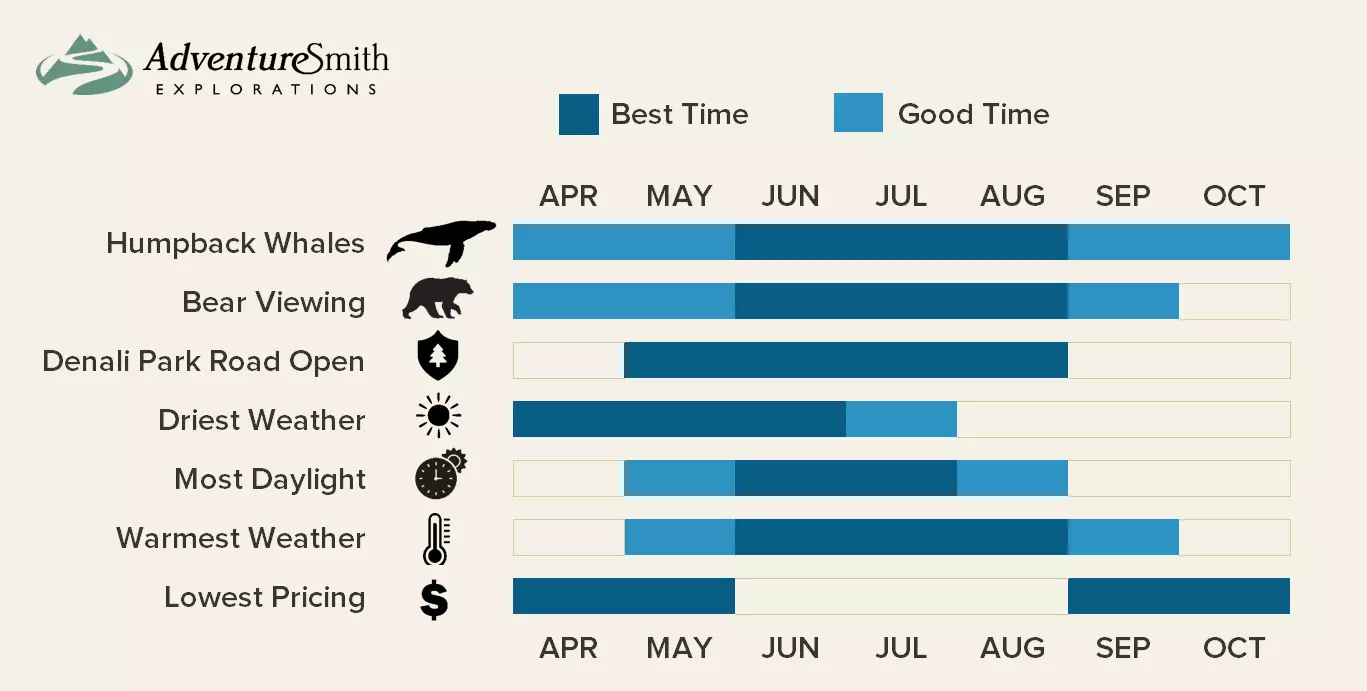
- Best Time: Summer (June – August). This is when most animals are active and easily visible. Brown bears at Brooks Falls, whales in the fjords, and caribou across the tundra are all most prominent. Early May and September can also be good for specific migrations or less crowded viewing.
For Northern Lights Chasers
- Best Time: Winter (October – April), especially January – March. The longer nights and typically clearer, colder skies of winter offer the highest probability of seeing the Aurora Borealis. Fairbanks is the top spot, but aurora can also be seen from Anchorage and other interior locations on clear nights. Even late August and September offer a good chance as nights lengthen.
For Cruisers
- Best Time: Summer (June – August). The vast majority of Alaska cruise lines operate during these months, offering the best weather, calmest waters, and full access to ports and shore excursions along the Inside Passage and to Glacier Bay National Park. May and September offer slightly fewer crowds and potentially better deals.
For Budget Travelers
- Best Time: Shoulder Seasons (May & September) or Winter (October – April). Outside of the peak summer months, prices for flights, accommodation, and some tours drop significantly. Travelers willing to brave cooler temperatures or embrace winter activities can find excellent value.
For Hikers/Outdoor Adventurers
- Best Time: Summer (June – August). Most trails are snow-free and accessible, and the long daylight hours allow for extended treks. Late May can be good for lower-elevation hikes, and early September offers beautiful fall colors, though some higher trails may see early snow.
In conclusion, Alaska is a land of incredible diversity, where each season paints a dramatically different picture. There’s no single “best” time to visit; rather, it’s about aligning your travel aspirations with the unique opportunities each period presents. Whether you dream of experiencing the vibrant wilderness under the Midnight Sun, witnessing the ethereal dance of the Northern Lights in a frosty landscape, or enjoying the tranquility and autumn hues of the shoulder seasons, careful planning based on your interests will ensure your Alaskan adventure is everything you’ve imagined and more. Remember to consider factors like crowds, costs, and accessibility when making your decision, and prepare for an unforgettable journey into the heart of the wild.
LifeOutOfTheBox is a participant in the Amazon Services LLC Associates Program, an affiliate advertising program designed to provide a means for sites to earn advertising fees by advertising and linking to Amazon.com. Amazon, the Amazon logo, AmazonSupply, and the AmazonSupply logo are trademarks of Amazon.com, Inc. or its affiliates. As an Amazon Associate we earn affiliate commissions from qualifying purchases.