
The sheer scale of the United States is often best appreciated when comparing its largest states. Among them, Texas and Alaska frequently spark curiosity, especially regarding their size. The question “Which is bigger, Texas or Alaska?” is a classic geographical brain teaser that, while seemingly straightforward, opens a gateway to exploring the vast and diverse landscapes, unique cultures, and unparalleled travel experiences each state offers. From the rugged wilderness of the Last Frontier to the sprawling plains and vibrant cities of the Lone Star State, understanding their dimensions is just the beginning of appreciating what makes these destinations so compelling for travelers seeking adventure, relaxation, or a deep dive into local heritage.
The Definitive Answer: Size and Scale
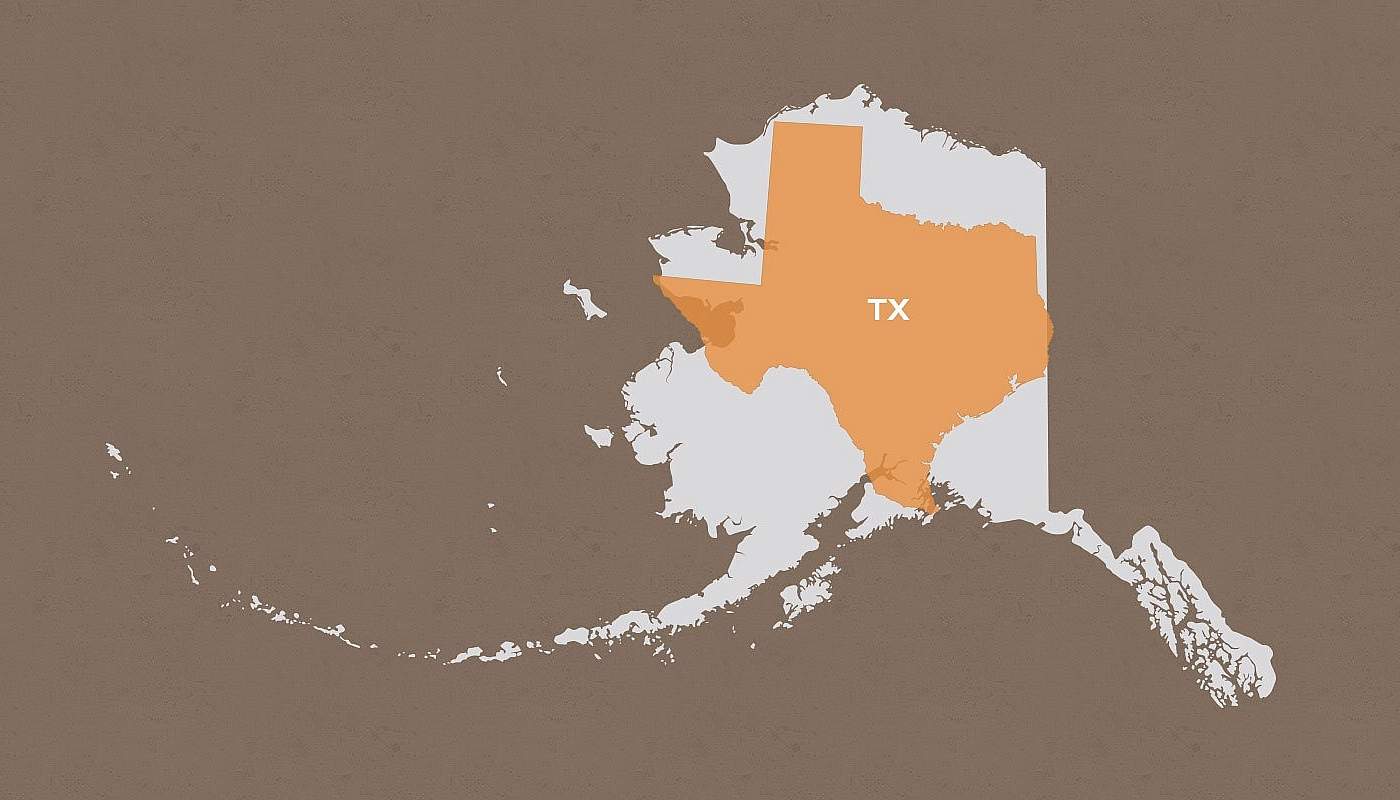
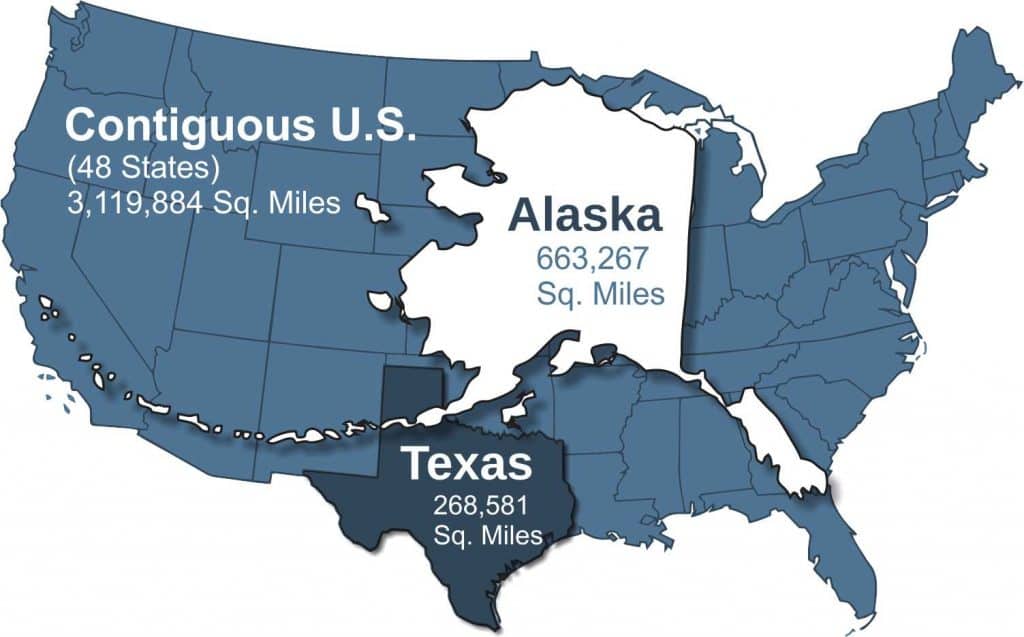
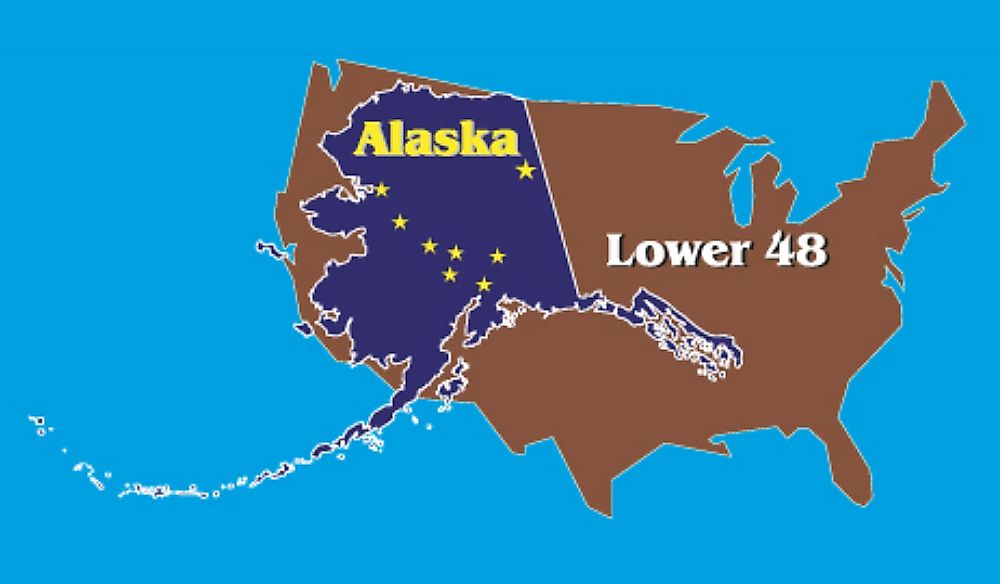
When it comes to the question of which state is larger, there’s no contest: Alaska dwarfs Texas by an astonishing margin. While Texas is undeniably vast and holds its own as the second-largest state in the United States, Alaska’s sheer immensity is in a league of its own.
A Giant Among Giants: Alaska’s Dominance
Alaska boasts an impressive land area of approximately 570,641 square miles (1,477,953 square kilometers). When you factor in its inland waters, this number jumps to a staggering 665,384 square miles (1,723,337 square kilometers). To put this into perspective, Alaska is more than twice the size of Texas. In fact, if Alaska were a sovereign nation, it would be the 17th largest country in the world, larger than France, Germany, and Spain combined. Its coastline alone stretches for over 33,904 miles, which is longer than the combined coastlines of all other U.S. states. This enormous size translates directly into its character as a destination: vast, untamed, and brimming with untouched natural beauty. This is where travelers can truly escape the hustle and bustle, venturing into landscapes that feel truly primal.
The Lone Star State’s Vastness
Despite being overshadowed by Alaska, Texas is by no means small. Covering an area of roughly 261,231 square miles (676,587 square kilometers) of land and 268,596 square miles (695,662 square kilometers) including water, it is still an enormous state. It’s larger than any country in Europe, with the exception of Russia, and larger than Japan or Italy. The sheer breadth of Texas means it encompasses an incredible variety of climates, ecosystems, and cultural influences, from the arid deserts of its western reaches to the humid Gulf Coast and the rolling hills of the Hill Country. This diversity makes it a multifaceted destination for tourism, offering everything from bustling urban experiences to quiet natural retreats.
Exploring the Expanses: Travel and Tourism
The differing scales of Alaska and Texas naturally lead to vastly different travel and tourism experiences. Each state leverages its unique geography and cultural identity to draw visitors, offering a spectrum of adventures for every type of traveler.
Alaska: The Last Frontier for Adventurers
Alaska’s immense size and remote location brand it as the ultimate destination for wilderness exploration and outdoor adventure. Tourism here is heavily focused on its unparalleled natural beauty. Travelers come seeking pristine landscapes, abundant wildlife, and experiences that push the boundaries of conventional travel.
Popular destinations include the capital city of Juneau, famous for the stunning Mendenhall Glacier and whale watching opportunities. Anchorage, the state’s largest city, serves as a hub for exploring the nearby Chugach Mountains and accessing the broader Alaskan wilderness. Further north, Fairbanks is renowned as one of the best places in the world to witness the ethereal Northern Lights (Aurora Borealis) during winter months, and as a gateway to the Arctic Circle.
A quintessential Alaskan experience is a cruise through the Inside Passage, offering breathtaking views of glaciers, fjords, and coastal towns like Ketchikan and Sitka. For the truly adventurous, visits to national parks like Denali National Park and Preserve, home to North America’s highest peak, Denali, offer opportunities for hiking, wildlife viewing (bears, moose, caribou), and mountaineering. Glacier Bay National Park is another jewel, accessible mainly by cruise ship or small plane, providing up-close encounters with tidewater glaciers. Fishing in places like Homer and Seward, kayaking through glacial lakes, dog sledding, and flightseeing tours over vast icefields are all part of the Alaskan tourism tapestry. The local culture, deeply rooted in Native Alaskan traditions and a pioneering spirit, adds another layer of intrigue, especially in smaller communities.
Texas: Diverse Landscapes and Cultural Riches
Texas, in contrast, offers a kaleidoscope of travel experiences ranging from vibrant urban centers to tranquil state parks and historic sites. Its diverse geography means you can find everything from sun-drenched beaches to rugged mountains and dense pine forests.
Major cities serve as primary travel magnets. Austin, the state capital, is celebrated for its live music scene, burgeoning culinary landscape, and quirky cultural vibe. Dallas and Fort Worth present a blend of modern sophistication and classic cowboy culture, with world-class museums, historic stockyards, and a lively arts scene. Houston, a global city, is home to the renowned Space Center Houston and a diverse food scene, reflecting its multicultural population. San Antonio captivates visitors with its rich history, epitomized by The Alamo and the enchanting San Antonio River Walk.
Beyond the cities, Texas offers a variety of natural attractions. The Gulf Coast provides beaches and coastal charm, with Galveston and South Padre Island being popular choices for relaxation and water sports. Big Bend National Park, located in the remote western part of the state, offers dramatic desert landscapes, mountain ranges, and unique wildlife, perfect for hiking and stargazing. The Hill Country boasts rolling vineyards, spring-fed rivers, and charming small towns like Fredericksburg, ideal for scenic drives and wine tasting. Texas’s tourism also thrives on its unique blend of Southern hospitality, Mexican influence, and cowboy heritage, evident in its Tex-Mex cuisine, BBQ traditions, rodeos, and country music venues like Gruene Hall.
Accommodation and Lifestyle: Where to Stay and How to Experience
The accommodation landscape and prevalent travel lifestyles in Alaska and Texas are as varied as their geographies. From luxurious wilderness retreats to sprawling urban resorts, both states cater to a wide range of preferences and budgets, influencing the overall experience of a trip.
From Wilderness Lodges to Urban Sanctuaries: Hotels in Alaska
Accommodation in Alaska often reflects its rugged environment. In major cities like Anchorage and Fairbanks, you’ll find standard hotel chains and comfortable independent hotels, offering amenities for business travelers and tourists alike. However, the true essence of Alaskan accommodation lies in its unique offerings outside urban centers.
Wilderness lodges are a prime example, providing a luxurious yet immersive experience deep within nature, often accessible only by floatplane or boat. These lodges typically offer all-inclusive packages that combine lodging with guided outdoor activities such as bear viewing, fishing, and hiking. Cruise ships also serve as floating hotels, particularly popular for exploring the Inside Passage and Glacier Bay. For those seeking a more budget-friendly or adventurous stay, cabins in state parks, hostels, and campgrounds are plentiful, especially during the peak summer season. The emphasis is often on comfort and functionality rather than opulence, allowing guests to focus on the surrounding natural wonders. Many properties, even in cities, may offer amenities like tour desks for booking excursions or gear rental services.
Southern Comfort and Urban Chic: Hotels in Texas
Texas offers a broad spectrum of accommodation options, from historic hotels to modern luxury resorts and budget-friendly motels, catering to its diverse tourism and business sectors. In cities like Dallas, Houston, Austin, and San Antonio, visitors can choose from internationally recognized brands such as Hyatt, Marriott, and Hilton, offering suites, conference facilities, and upscale dining. Boutique hotels are also popular, particularly in Austin’s vibrant neighborhoods and San Antonio’s historic districts, providing unique charm and personalized service.
For a taste of authentic Texas culture, numerous ranches offer guest accommodation, ranging from rustic cabins to luxurious dude ranches with horseback riding, cattle drives, and gourmet meals. Along the Gulf Coast in places like Galveston and South Padre Island, beachfront resorts and vacation rentals cater to families and those seeking sun and sand. The prevalence of corporate travel means many hotels offer extensive business amenities, while the thriving tourism industry ensures a wide selection of accommodation, often with pools, fitness centers, and diverse dining options.
Tailoring Your Journey: Lifestyle Travel in Both States
The lifestyle of travel varies significantly between these two colossal states. In Alaska, adventure travel and nature immersion dominate. Luxury travel might manifest as a high-end wilderness lodge stay with private guides, heli-skiing, or exclusive wildlife photography tours. Budget travel often involves camping, staying in hostels, and self-guided exploration. Family trips frequently revolve around cruise experiences that offer a balance of comfort and educational opportunities for all ages. Business stays are generally concentrated in Anchorage and Fairbanks, often tied to resource industries or government.
Texas offers a more varied lifestyle palette. Luxury travel could mean staying at a five-star hotel in Dallas, a high-end spa resort in the Hill Country, or an exclusive ranch experience. Budget travel is easily achievable, especially with numerous state parks, affordable motels, and diverse dining options. Family trips in Texas often include theme parks, historical sites, and beach vacations. Given its strong economy, business stays are incredibly common across its major metropolitan areas, with a robust infrastructure of convention centers and business-friendly hotels. Texas also excels in cultural tourism, with music festivals, art galleries, and historical reenactments attracting visitors seeking a deeper understanding of its unique heritage.
Iconic Landmarks and Must-See Attractions
Both Alaska and Texas are home to a plethora of landmarks that define their character and offer unforgettable experiences. From towering natural wonders to sites steeped in history, these attractions are central to any travel guide for either state.
Alaska’s Natural Wonders
Alaska’s landmarks are overwhelmingly natural, showcasing the raw power and beauty of its untouched wilderness. The most iconic is Denali, North America’s highest peak, majestically presiding over Denali National Park and Preserve. The park itself is a landmark of biodiversity and breathtaking landscapes, offering unparalleled opportunities for wildlife viewing and backcountry exploration.
The Inside Passage is another monumental landmark, a network of protected waterways through a labyrinth of islands and fjords, renowned for its dramatic scenery, abundant marine life, and tidewater glaciers. Within this region, Glacier Bay National Park stands out as a UNESCO World Heritage Site, a dynamic landscape of advancing and retreating glaciers, home to whales, bears, and seals.
Near Juneau, the Mendenhall Glacier offers accessible glacial views and hiking trails to ice caves, a remarkable natural spectacle just a short drive from the capital. The fjords and glaciers of Kenai Fjords National Park near Seward are equally stunning, best experienced via boat tours that reveal calving glaciers and diverse marine fauna. Even the ephemeral Northern Lights, while not a physical structure, are considered a major natural landmark that draws thousands of tourists to places like Fairbanks each year.
Texas’s Historic Sites and Natural Beauty
Texas’s landmarks are a blend of profound historical significance and diverse natural beauty. Foremost among its historical sites is The Alamo in San Antonio, a mission and fortress compound that served as a pivotal battleground in the Texas Revolution, symbolizing courage and independence. Adjacent to it, the San Antonio River Walk (Paseo del Río) is an iconic urban oasis, a network of walkways along the San Antonio River, lined with shops, restaurants, and entertainment, celebrated for its unique atmosphere and architectural charm.
In Houston, Space Center Houston, the official visitor center of NASA’s Johnson Space Center, stands as a landmark of human achievement in space exploration, offering interactive exhibits and a chance to see historical spacecraft. Dallas features the Sixth Floor Museum at Dealey Plaza, a significant historical landmark chronicling the assassination and legacy of President John F. Kennedy.
For natural landmarks, Big Bend National Park is a jewel in West Texas, protecting a vast and rugged area of the Chihuahuan Desert and the entire Chisos Mountains range. Its dramatic canyons, diverse wildlife, and stunning night skies make it a premier destination for nature lovers. Along the Gulf Coast, Padre Island National Seashore preserves the longest undeveloped barrier island in the world, a critical habitat for sea turtles and migratory birds, offering pristine beaches and unique ecological experiences. Other natural highlights include the serene Canyon Lake in the Hill Country and the dense biodiversity of Big Thicket National Preserve in East Texas.
In conclusion, while Alaska is undeniably the larger state by a significant margin, both it and Texas offer immense possibilities for travel, tourism, and unique lifestyle experiences. Their differing scales dictate the types of adventures they offer, from Alaska’s untamed wilderness to Texas’s diverse cultural tapestry and vast landscapes. Travelers seeking to explore the United States would be remiss not to consider the distinct charm and grandeur each of these colossal states presents.
LifeOutOfTheBox is a participant in the Amazon Services LLC Associates Program, an affiliate advertising program designed to provide a means for sites to earn advertising fees by advertising and linking to Amazon.com. Amazon, the Amazon logo, AmazonSupply, and the AmazonSupply logo are trademarks of Amazon.com, Inc. or its affiliates. As an Amazon Associate we earn affiliate commissions from qualifying purchases.