
The allure of the American Southwest is undeniable, with its dramatic landscapes, vibrant cities, and endless horizons. For many travelers, this journey often involves navigating the distance between two iconic states: Arizona and California. Whether you’re planning a scenic road trip, a quick flight, or a leisurely train ride, understanding the proximity, travel times, and available routes is crucial for a seamless and enjoyable experience. These two states, while sharing a significant border, offer distinctly different but equally captivating experiences, making the journey between them a popular endeavor for tourists and business travelers alike. From the desert wonders of Arizona to the coastal charms of California, this guide will delve into every aspect of bridging this geographical gap, offering insights into travel, accommodation, and the unforgettable landmarks you might encounter along the way.
The Geographic Relationship: Arizona and California in Proximity
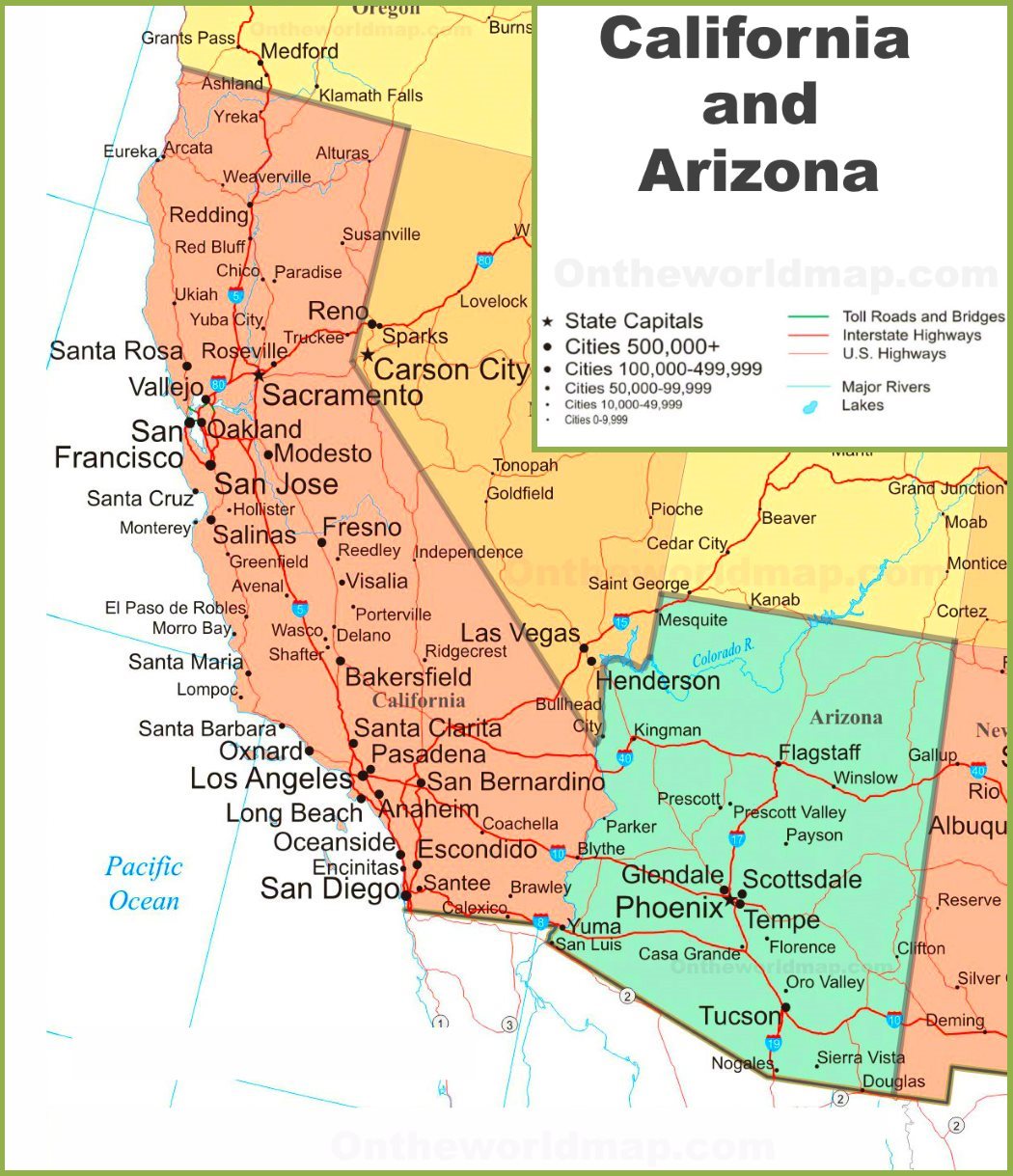
Arizona and California share a substantial border, making them natural neighbors in the vast expanse of the Western United States. This shared boundary runs for approximately 250 miles, primarily defined by the mighty Colorado River and the arid landscapes of the Mojave Desert. This close proximity means that travel between the two states is not only feasible but also incredibly common, facilitated by a network of well-maintained highways, efficient flight paths, and even historic rail lines.
While they are contiguous, the actual travel distance can vary significantly depending on your specific starting point in Arizona and your destination in California. For instance, cities like Yuma, Arizona, are practically on the doorstep of California, making for very short drives across the border. However, venturing from Phoenix, the capital of Arizona, to coastal California cities like Los Angeles or San Diego involves a more substantial journey, typically ranging from 350 to 400 miles. Further north, the distance from Flagstaff in Arizona to destinations like Los Angeles can extend to over 450 miles, illustrating the diverse geographical considerations involved in cross-state travel.
This geographical relationship offers travelers a unique opportunity to experience two distinct regional lifestyles and tourism focuses within a relatively short distance. From the iconic saguaro cacti and red rock formations of Arizona to the stunning Pacific Ocean coastlines and bustling urban centers of California, the transition can be dramatic and rewarding. Understanding this fundamental proximity is the first step in planning any successful inter-state adventure, setting the stage for decisions regarding transportation, itinerary, and the type of experience one seeks. The convenience of traversing these states makes it an ideal choice for multi-state road trips, allowing visitors to blend desert exploration with beach relaxation or city excursions.
Mapping Your Journey: Distance and Travel Times Between Key Cities
When planning a trip from Arizona to California, or vice versa, the mode of transportation significantly impacts both the distance perceived and the actual travel time. Each option—driving, flying, or taking the train—offers a unique perspective on the journey and caters to different travel preferences, budget considerations, and desires for scenic exploration.
Driving the Arizona-California Corridor
Driving is by far the most popular way to travel between Arizona and California, offering flexibility and the chance to explore hidden gems along the way. The most common routes primarily involve major interstate highways.
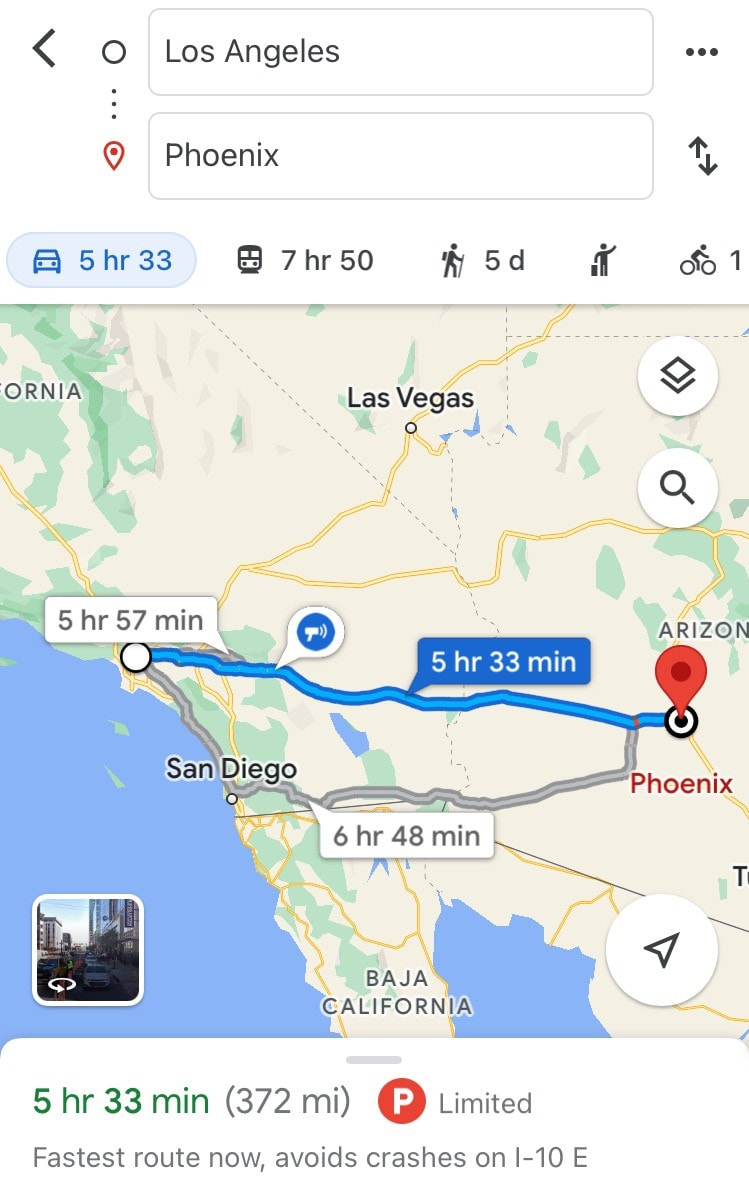
- Phoenix to Los Angeles: This is one of the busiest corridors. The typical route is via I-10 W. The distance is approximately 370-380 miles, and the drive usually takes 5.5 to 6 hours without significant stops. However, traffic in and around Los Angeles can easily extend this time.
- Phoenix to San Diego: This route also largely follows I-10 W before connecting to I-8 W. The distance is about 355-365 miles, with a driving time of approximately 5 to 5.5 hours. Again, San Diego traffic can influence travel duration.
- Tucson to Los Angeles: Starting further south in Arizona, this journey via I-10 W covers around 470-480 miles and typically takes 7 to 7.5 hours of driving.
- Grand Canyon South Rim to Los Angeles: For those visiting the iconic Grand Canyon, the drive to Los Angeles is a longer haul, roughly 490-500 miles, taking approximately 8 to 8.5 hours. This route often involves I-40 W before connecting to southern California routes.
Driving provides the freedom to adjust your schedule, discover roadside attractions, and immerse yourself in the changing scenery. Renting a car for this journey is a common practice, with numerous options available at airports and city centers in both states. For those embarking on a longer road trip, strategic planning for overnight stays in hotels or motels along the route, particularly in smaller towns or cities like Palm Springs or near the Colorado River crossings, can enhance the experience.
Taking to the Skies: Flights Between the States
For the quickest transit, flying is the unrivaled choice. Major airports in both states offer frequent direct flights, making the journey swift and convenient for business travelers or those with limited time.
- Phoenix Sky Harbor International Airport (PHX) to Los Angeles International Airport (LAX): This is a heavily trafficked air corridor. Direct flights typically range from 1 hour to 1 hour 15 minutes. When you factor in airport security, boarding, and travel to and from the airports, the total door-to-door time might be around 4-5 hours.
- Phoenix Sky Harbor International Airport to San Diego International Airport (SAN): Similar to LAX, direct flights are roughly 1 hour to 1 hour 15 minutes.
- Tucson International Airport (TUS) to Los Angeles International Airport: Direct flights are available and take approximately 1 hour 20 minutes to 1 hour 30 minutes.
Airlines like Southwest Airlines, American Airlines, and Delta Air Lines frequently operate these routes, often with competitive pricing. Booking in advance and considering flexible travel dates can help secure better deals on flights. For luxury travelers, private jet charters also offer an expedited and exclusive way to traverse the distance, often utilizing smaller regional airports for enhanced convenience.
Rail Adventures: The Scenic Train Route
While not the fastest option, train travel between Arizona and California offers a unique and relaxing way to see the landscape. Amtrak provides a couple of routes that connect these states, focusing more on the experience than speed.
- The Southwest Chief: This iconic route connects Chicago to Los Angeles, passing through northern Arizona cities like Flagstaff and Kingman. The journey from Flagstaff to Los Angeles Union Station can take approximately 10-12 hours, offering stunning views of the desert and mountains.
- The Sunset Limited: This route, running from New Orleans to Los Angeles, passes through southern Arizona with stops in Tucson and Yuma. The segment from Tucson to Los Angeles Union Station is a significant overnight journey, typically lasting 10-14 hours.
Train travel is an ideal choice for those who prefer a slower pace, appreciate scenic views without the stress of driving, and desire the comfort of spacious seating or sleeping accommodations. It’s an experience in itself, reminiscent of a bygone era of travel, perfect for tourists seeking a memorable journey.
Beyond the Miles: What to Experience on Your Trip
The journey between Arizona and California isn’t just about covering distance; it’s an opportunity to immerse yourself in diverse landscapes, explore iconic landmarks, and experience unique regional cultures. The arid beauty of the desert gives way to rugged mountains and, eventually, the sparkling Pacific Ocean, making for an incredibly varied travel experience.
Iconic Stops and Scenic Drives
For those opting for a road trip, the routes between Arizona and California are laden with potential detours and attractions that transform a simple drive into an unforgettable adventure.
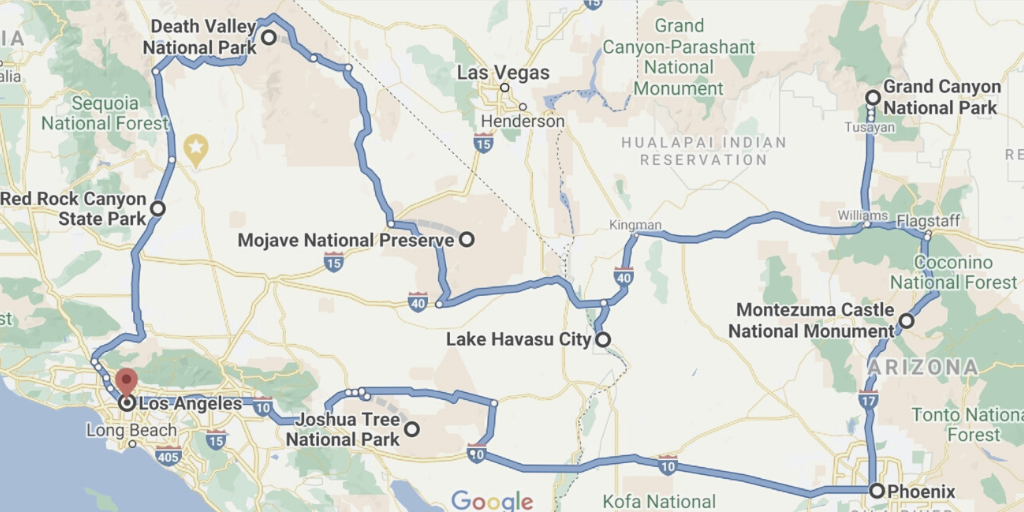
- The Grand Canyon: While not directly on the main route from Phoenix to Los Angeles, a detour to the Grand Canyon is a must for many. This geological marvel, one of the world’s most famous landmarks, offers breathtaking vistas and numerous hiking opportunities. Several hotels and resorts are located within or near the park, catering to various budget and lifestyle preferences, from rustic lodges to more luxurious accommodations.
- Route 66: Sections of the historic Route 66 crisscross northern Arizona and extend into California. Driving a segment of this iconic highway offers a nostalgic journey through Americana, with classic diners, roadside attractions, and quirky towns like Seligman and Oatman.
- Hoover Dam and Las Vegas: A common northern detour, the magnificent Hoover Dam is an engineering marvel located on the border of Arizona and Nevada. Just a short drive away is Las Vegas, offering world-class entertainment, hotels, and resorts for those seeking a vibrant lifestyle and a touch of luxury travel.
- Joshua Tree National Park: As you approach Southern California, this stunning national park is an essential stop. Known for its unique Joshua trees and dramatic rock formations, it’s a paradise for hikers, climbers, and photographers. Accommodation options range from camping within the park to boutique hotels in nearby towns like Palm Springs.
- Lake Havasu City: Situated on the Colorado River at the Arizona-California border, Lake Havasu City is famous for the relocated London Bridge. It’s a popular destination for water sports and offers a lively atmosphere, making it a great place for a stopover or a dedicated vacation.
- Sedona: North of Phoenix, Sedona is renowned for its breathtaking red rock scenery, vibrant arts scene, and spiritual vortexes. It’s a fantastic place for outdoor activities like hiking and mountain biking, complemented by high-end resorts and charming bed and breakfasts that cater to luxury and wellness tourism.
These stops not only break up the drive but also enrich the travel experience, turning a simple transit into a memorable part of the vacation. Planning your route to include these points of interest can significantly enhance your appreciation of the diverse landscapes and cultural offerings of the Southwest.
Accommodation and Lifestyle Considerations
Choosing the right accommodation is key to a comfortable and enjoyable trip, whether you’re staying overnight on a long drive or settling into a destination. Both Arizona and California boast an incredible range of options:
- Hotels and Resorts: From luxury resorts in Scottsdale and Palm Springs offering amenities like golf courses and spas, to budget-friendly hotels in every major city, there’s something for every traveler. Many resorts cater to specific lifestyles, such as family trips with kids’ clubs, business stays with conference facilities, or romantic getaways.
- Boutique Hotels and Inns: For a more personalized experience, charming boutique hotels and inns are found in destinations like Sedona, Santa Barbara, and San Luis Obispo. These often highlight local culture and unique architectural styles.
- Vacation Rentals: Apartments, villas, and cabins are popular, especially for longer stays or for groups and families. Websites dedicated to accommodation booking make it easy to compare reviews and find the perfect fit for your needs.
- Camping: For the adventurous and budget-conscious, camping in national parks like Joshua Tree or near the Grand Canyon offers an immersive nature experience.
Lifestyle considerations heavily influence accommodation choices. Luxury travelers might seek five-star resorts with gourmet dining, while budget travelers might opt for motels or vacation rentals with kitchenettes to save on food costs. Family trips might prioritize hotels with pools and family suites, whereas business stays demand reliable Wi-Fi and proximity to urban centers. Regardless of your preference, researching and booking accommodation in advance, especially during peak travel seasons, is highly recommended to ensure availability and potentially better rates.
Crafting Your Cross-State Itinerary: Practical Tips for a Smooth Journey
Planning is paramount for any successful journey between Arizona and California. A well-thought-out itinerary ensures not only a smooth trip but also maximizes the enjoyment of every moment, from the open road to urban explorations and natural wonders.
Optimal Timing and Weather Considerations
The best time to travel depends heavily on your desired activities and tolerance for heat.
- Spring (March to May) and Fall (September to November): These are generally considered the most pleasant times to travel. Temperatures are mild across both states, ideal for outdoor activities like hiking in the desert, exploring national parks, and enjoying California’s beaches. It’s also a popular time for tourism, so expect more crowds and potentially higher prices for flights and accommodation.
- Summer (June to August): Expect very high temperatures in Arizona and interior California (like Death Valley National Park or Palm Springs). Coastal California offers respite with cooler temperatures due to ocean breezes. If traveling by car, ensure your vehicle’s air conditioning is in top condition and carry plenty of water. Prices for Arizona hotels might be lower in summer due to the heat, while California coastal areas see peak season.
- Winter (December to February): While Arizona deserts remain mild, northern parts of Arizona (like Flagstaff) can experience snow and freezing temperatures. California’s mountains receive heavy snow, appealing to skiers, while coastal areas remain cool and often rainy. Winter can be a great time to visit for fewer crowds in some areas, but check road conditions if planning mountain travel.
Essential Packing and Vehicle Preparation
- For Drivers: If driving, a thorough vehicle check is essential. This includes tire pressure, oil levels, coolant, and brake fluid. Given the long stretches of highway and potential for extreme temperatures, ensure your spare tire is in good condition and carry an emergency kit. Pack plenty of water, snacks, sunscreen, and a first-aid kit. Consider bringing a paper map or downloading offline maps, as cell service can be spotty in remote desert areas.
- Clothing: Pack layers to accommodate temperature fluctuations, especially when moving between different elevations or coastal and desert climates. A hat, sunglasses, and comfortable walking shoes are always advisable.
- Navigation: While GPS systems are reliable, having a backup, whether it’s a co-pilot with a map or a fully charged phone with offline maps, is wise.
- Accommodation Booking: Always book hotels or resorts in advance, especially during peak seasons or when planning to stay in popular tourist destinations. This ensures you get your preferred choice and often better rates. For long road trips, pre-booking stops can save time and stress at the end of a long driving day.
Maximizing Your Travel Experience
- Flexibility: While planning is good, allow for some flexibility in your itinerary. Unexpected discoveries, a charming small town, or a breathtaking vista might warrant an unplanned stop.
- Local Culture and Food: Embrace the local culture and cuisine. In Arizona, explore Native American heritage sites and try authentic Southwestern dishes. In California, delve into the diverse culinary scenes and explore vibrant city neighborhoods.
- Budgeting: Factor in not just transportation and accommodation but also meals, activities, souvenirs, and potential detours. Budget travel strategies, like cooking some of your own meals or finding free attractions, can help manage costs. Conversely, for a luxury travel experience, explore exclusive tours, fine dining, and premium resort amenities.
- Travel Insurance: For longer trips or those involving multiple bookings, consider travel insurance to protect against unforeseen cancellations, medical emergencies, or lost luggage.
Traveling between Arizona and California is an accessible and rewarding adventure. With proper planning and an open mind, you can seamlessly navigate the distances and immerse yourself in the rich experiences each state has to offer. Whether you choose the efficiency of a flight, the freedom of a road trip, or the relaxed pace of a train journey, the landscapes and cultures of the American Southwest await your exploration.
LifeOutOfTheBox is a participant in the Amazon Services LLC Associates Program, an affiliate advertising program designed to provide a means for sites to earn advertising fees by advertising and linking to Amazon.com. Amazon, the Amazon logo, AmazonSupply, and the AmazonSupply logo are trademarks of Amazon.com, Inc. or its affiliates. As an Amazon Associate we earn affiliate commissions from qualifying purchases.