
The allure of the Grand Canyon is undeniable, a colossal testament to nature’s raw power and artistic prowess. For many travelers exploring the American Southwest, the vibrant city of Phoenix, Arizona, serves as a popular gateway, offering a rich blend of urban amenities and desert landscapes. A common question echoing in the minds of those planning their ultimate Arizona adventure is: “How far is Phoenix, Arizona from Grand Canyon?” The answer is not just a simple number of miles, but rather an invitation to embark on an unforgettable road trip filled with stunning scenery, diverse experiences, and a journey that prepares you for the grandeur ahead.
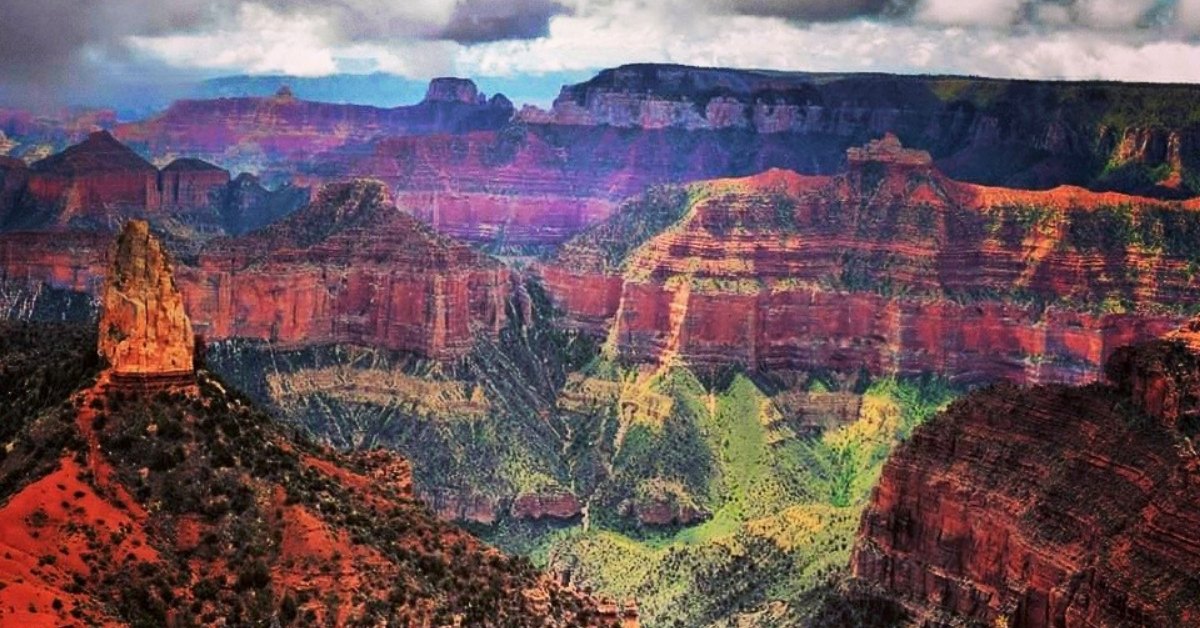
Typically, the distance from Phoenix to the Grand Canyon National Park’s South Rim (the most visited and accessible part) is approximately 230-250 miles, depending on your specific starting point in Phoenix and your destination within the park. This translates to a driving time of about 3.5 to 4.5 hours without significant stops, though any seasoned traveler will tell you that the beauty of this route lies in the journey itself, often extending the drive to 5-6 hours or more as you soak in the sights. This guide will delve into the optimal routes, scenic stops, accommodation options, and essential tips to transform your travel from Phoenix to the Grand Canyon into an integral part of your Arizona experience, ensuring you arrive at one of the world’s most spectacular landmarks well-prepared and exhilarated.
Embarking on the Journey: Routes and Road Trip Delights
The drive from Phoenix to the Grand Canyon is more than just covering miles; it’s an opportunity for a quintessential American road trip. The primary route is straightforward and well-maintained, offering a smooth journey through diverse Arizona landscapes, from saguaro-dotted deserts to pine forests.
The Most Direct Route: I-17 North to Williams
The most common and efficient way to reach the Grand Canyon South Rim from Phoenix is to take Interstate 17 North. This highway guides you through varying elevations and ecosystems. Initially, you’ll traverse the vast Sonoran Desert, characterized by iconic cacti and sun-baked earth. As you ascend, the landscape gradually transforms, leading you into the cooler, pine-covered mountains around Flagstaff.
The Route Breakdown:
- Phoenix to Flagstaff (Approx. 2 hours, 145 miles): Take I-17 North directly from Phoenix. This stretch is mostly uphill, gaining significant elevation.
- Flagstaff to Williams (Approx. 30 minutes, 35 miles): From Flagstaff, continue on I-40 West for a short distance until you reach the historic town of Williams, often dubbed the “Gateway to the Grand Canyon.”
- Williams to Grand Canyon South Rim (Approx. 1 hour, 60 miles): In Williams, you’ll exit I-40 and take Highway 64 North directly to the Grand Canyon National Park entrance.
Alternative Scenic Drives and Stops
While the direct route is efficient, adding a few detours can enrich your travel experience significantly, immersing you in more of Arizona’s diverse natural and cultural heritage.
-
Sedona (Off I-17 before Flagstaff): Just off I-17 (exit Highway 179) lies Sedona, famous for its stunning red rock formations, vibrant arts scene, and spiritual vortexes. It’s an ideal stop for a short hike, a scenic drive, or even an overnight stay if your lifestyle allows for a more leisurely pace. While it adds about 1-2 hours to your driving time (not including time spent exploring), the majestic beauty of Sedona is well worth the detour.
-
Flagstaff: A charming mountain town, Flagstaff offers a cooler climate and a refreshing change of scenery. It’s home to Northern Arizona University, Lowell Observatory, and a historic downtown with excellent dining options. It’s a great place to refuel, grab a meal, or spend the night if you’re splitting your drive.
-
Grand Canyon Railway from Williams: For a unique and nostalgic journey, consider parking your car in Williams and taking the Grand Canyon Railway. This historic train ride offers a scenic trip directly to the South Rim, complete with onboard entertainment and panoramic views, eliminating the stress of parking at the canyon.
-
Desert View Drive (East Entrance to South Rim): If you’re willing to take a slightly longer scenic route after Flagstaff, you can head north on US-89 towards Cameron and enter the Grand Canyon National Park via the East Entrance. This allows you to drive along the spectacular Desert View Drive, stopping at several overlooks before reaching Grand Canyon Village. Highlights include the iconic Desert View Watchtower and breathtaking views of the Colorado River. This route adds about an hour to the driving time from Flagstaff to the park’s main areas but offers a different perspective upon arrival.
Experiencing the Grandeur: Activities and Attractions
Once you’ve navigated the journey from Phoenix and arrived at the Grand Canyon, an overwhelming sense of awe washes over you. The sheer scale and beauty are unlike anything else. To make the most of your visit, it’s essential to plan your activities and decide which attractions align with your interests and time constraints.
South Rim vs. North Rim
The Grand Canyon is immense, divided into two main accessible areas: the South Rim and the North Rim.
- South Rim: This is the most popular rim, open year-round, and easily accessible from Phoenix. It offers the most viewpoints, visitor services, and accommodation options. It’s ideal for first-time visitors and families due to its infrastructure and diverse offerings.
- North Rim: Open seasonally (typically May 15 to October 15), the North Rim is higher in elevation, quieter, and offers a more remote experience. It’s a 4.5-hour drive between the two rims, so visiting both in one trip from Phoenix is generally impractical unless you’re planning a multi-day, comprehensive exploration. Given the question, the South Rim will be your primary destination.
Must-See Viewpoints

The South Rim boasts numerous overlooks, each offering a unique perspective of the canyon’s vastness and intricate layers.
- Mather Point: Often the first stop for visitors entering from the South Entrance, Mather Point provides expansive, iconic views of the canyon. It’s easily accessible and an excellent spot for sunrise or sunset.
- Yavapai Point and Geology Museum: Offering panoramic views and educational exhibits, Yavapai Point provides insight into the geological forces that carved the canyon.
- Grandview Point: A historic viewpoint offering a slightly different perspective, revealing remnants of the Grandview Trail and its mining past.
- Desert View Watchtower: Located at the East Entrance, this historic stone tower, designed by Mary Colter, offers incredible 360-degree views and is a fantastic spot to observe the Colorado River winding below.
Iconic Activities and Experiences
Whether you’re visiting for a day trip or an extended stay, the Grand Canyon offers a myriad of experiences to suit every traveler.
- Hiking: From easy rim trails suitable for all fitness levels (like the paved Rim Trail) to strenuous descents into the canyon on trails like the Bright Angel Trail or Kaibab Trail, hiking is a prime way to experience the canyon’s scale. Remember that hiking down is optional, but hiking back up is mandatory!
- Mule Rides: For a quintessential Grand Canyon experience, consider a mule ride along the rim or even a multi-day trip to the canyon floor, staying overnight at Phantom Ranch.
- Helicopter Tours: Gain a bird’s-eye perspective of the canyon’s vastness with a thrilling helicopter tour. Several operators depart from nearby Tusayan, offering unparalleled views of the Colorado River and the canyon’s intricate geology.
- Stargazing: With minimal light pollution, the Grand Canyon is a certified International Dark Sky Park. On a clear night, the celestial display is breathtaking, a truly unforgettable experience.
- Ranger Programs: Join a park ranger for guided walks, talks, and presentations to learn more about the canyon’s history, geology, flora, and fauna. These tourism guides offer invaluable insights.
Planning Your Stay: Accommodation and Logistics
Whether you plan a day trip from Phoenix or an extended stay, considering your accommodation and logistical needs is crucial, especially during peak travel seasons.
Accommodation Options Near the Grand Canyon
Choosing where to stay can significantly impact your Grand Canyon experience.
-
Inside the National Park (South Rim): Staying within the park offers unparalleled access to viewpoints and trails, allowing you to witness sunrise and sunset without a long commute. Options include historic hotels like the El Tovar Hotel, Bright Angel Lodge, Maswik Lodge, and Yavapai Lodge. These properties book up months, sometimes a year, in advance, especially during peak season, so early booking is essential. Mather Campground and Desert View Campground offer camping options.
-
Tusayan: Located just outside the South Entrance to the park, Tusayan is the closest town with commercial hotels. It offers a range of lodging from budget-friendly motels to more upscale resorts, along with restaurants and a IMAX theater. Many helicopter tours also depart from Tusayan.
-
Williams: About an hour’s drive from the South Rim, Williams offers a wider selection of accommodation at generally lower prices than Tusayan. Its historic Route 66 charm, complete with classic diners and gift shops, makes it an appealing base, particularly if you plan to take the Grand Canyon Railway.
-
Flagstaff: As mentioned, Flagstaff is about 1.5 hours from the South Rim. It’s an excellent option for those who prefer a larger town with more dining and entertainment options, or if canyon accommodations are fully booked. It can also serve as a base for exploring other nearby attractions like Wupatki National Monument or Sunset Crater Volcano National Monument.
Essential Travel Tips for a Seamless Journey
Preparation is key to a rewarding Grand Canyon adventure.
- Best Time to Visit: Spring (March-May) and Fall (September-November) offer the most pleasant weather, with moderate temperatures and fewer crowds than summer. Summer can be extremely hot, while winter offers unique snow-dusted views but limited access to certain areas and colder temperatures.
- Park Entrance Fees: There is an entrance fee per vehicle to enter Grand Canyon National Park. Consider purchasing an America the Beautiful Pass if you plan to visit multiple national parks within a year.
- What to Pack: Even in summer, temperatures can drop significantly in the evening. Pack layers, sturdy walking shoes, sunscreen, a hat, sunglasses, and plenty of water. Binoculars are highly recommended for observing distant features.
- Fuel Up: Gas stations are sparse between major towns. Ensure your tank is full before leaving Phoenix and again in Williams or Flagstaff, as gas within the park or in Tusayan can be more expensive.
- Food and Water: While there are dining options within and near the park, packing snacks and an ample supply of water is always a good idea, especially if you plan on hiking.
- Cell Service and Wi-Fi: Cell service can be spotty or non-existent in many parts of the park. Download offline maps and any necessary information before you arrive. Wi-Fi is available at some lodges and visitor centers, but it may be limited.
- Shuttle System: The South Rim operates a free shuttle bus system, particularly useful for accessing viewpoints along the Hermit Road (closed to private vehicles for much of the year) and for reducing traffic and parking congestion. Utilize it to navigate the park efficiently.
Day Trip vs. Overnight Stay: Maximizing Your Grand Canyon Experience
The question of whether to visit the Grand Canyon as a day trip from Phoenix or to stay overnight is a common dilemma for travelers. Both have their merits, but an overnight stay often allows for a more immersive and less rushed experience.
-
Day Trip: Possible but demanding. A day trip from Phoenix means spending 8-9 hours purely driving (round trip) and only a few hours at the canyon itself. You’d likely miss out on sunrise/sunset views and deeper exploration. It’s a viable option if time is extremely limited, but it can be exhausting. To make a day trip work, leave Phoenix very early, focus on a few key viewpoints (e.g., Mather Point, Yavapai Point), and plan to return late.
-
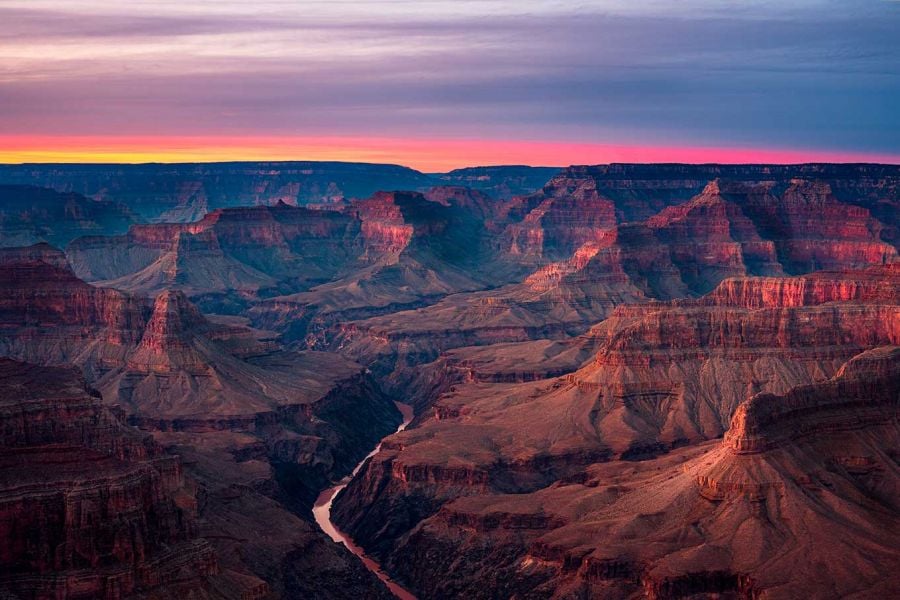
Overnight Stay (Recommended): Staying one or two nights allows you to fully appreciate the canyon’s ever-changing beauty throughout the day. You can witness the spectacular colors of sunrise and sunset, take a longer hike, enjoy ranger programs, and stargaze without the pressure of a long drive back. This option also provides more flexibility and relaxation, transforming a stressful journey into a memorable vacation. For many, spending a night or two at a hotel or resort near or in the park elevates the entire trip from a hurried checklist item to a profound natural encounter. Given the range of accommodation options available for booking and reviews on lifeoutofthebox.com, planning an extended stay can be made seamless.
The distance from Phoenix, Arizona to the Grand Canyon is more than just a measurement; it’s the gateway to an awe-inspiring natural wonder. The drive itself is an adventure through diverse Arizona landscapes, punctuated by charming towns and scenic detours. With careful planning for your route, stops, accommodation, and activities, your journey from the bustling desert metropolis to the silent majesty of the Grand Canyon will be an unforgettable part of your travel story, leaving you with memories that last a lifetime.
LifeOutOfTheBox is a participant in the Amazon Services LLC Associates Program, an affiliate advertising program designed to provide a means for sites to earn advertising fees by advertising and linking to Amazon.com. Amazon, the Amazon logo, AmazonSupply, and the AmazonSupply logo are trademarks of Amazon.com, Inc. or its affiliates. As an Amazon Associate we earn affiliate commissions from qualifying purchases.