
Embarking on a journey through the stunning Southwestern United States offers a unique blend of vibrant cityscapes, breathtaking desert landscapes, and unparalleled leisure opportunities. Two of the region’s most iconic cities, Phoenix, Arizona, and Las Vegas, Nevada, stand as beacons of entertainment, relaxation, and adventure. Whether you’re planning a thrilling road trip, a quick business jaunt, or a luxurious escape, understanding the logistics of traveling between these two destinations is key to a seamless experience.
This comprehensive guide will delve into the distance separating Phoenix and Las Vegas, explore the various transportation methods, highlight must-see attractions along the way, and provide insights into making the most of your travel, touching upon everything from accommodation to local culture.

The Journey Between Desert Oases: Distance and Driving Routes
The question of “how far” isn’t just about miles; it’s about the time it takes, the scenery you’ll encounter, and the overall experience. The direct distance between Phoenix and Las Vegas is approximately 300 miles (about 480 kilometers). This makes it a perfectly manageable drive for most travelers, typically taking between 4.5 and 6 hours without significant stops, depending on traffic conditions, particularly around urban areas and border crossings.
The primary route connecting these two bustling metropolises offers a scenic drive through diverse desert terrain, gradually transitioning from the saguaro-dotted plains of Arizona to the more rugged, mountainous landscapes bordering Nevada.
The Main Driving Route: US-93 N / I-11 N
The most common and efficient route involves taking US-93 North out of Phoenix. For a significant portion of the journey, US-93 North overlaps with Interstate 11 North (I-11 N), which is part of an ongoing initiative to improve connectivity in the Southwest. As you approach the Nevada border, the route becomes solely US-93 North, eventually leading you towards Boulder City and then seamlessly merging with I-515 N which takes you directly into the heart of Las Vegas.
This route is well-maintained and offers several opportunities for gas, food, and quick breaks. While it’s largely a straight shot, travelers should be mindful of speed limits, particularly when passing through smaller towns like Wickenburg and Kingman in Arizona, and always be prepared for the desert climate, especially during summer months when temperatures can soar. Ensuring your vehicle is in good condition, with adequate tire pressure and fluid levels, is always advisable for desert travel.
Beyond the Wheel: Alternative Transportation Options
While driving offers the ultimate flexibility and the chance to explore hidden gems, it’s not the only way to travel between Phoenix and Las Vegas. Depending on your budget, time constraints, and travel style, other options might be more suitable.
Flying: The Quickest Link
For those prioritizing speed, flying is undoubtedly the fastest way to bridge the distance. Direct flights between Phoenix Sky Harbor International Airport (PHX) and Harry Reid International Airport (LAS) in Las Vegas are frequent and typically take just over an hour in the air. When you factor in airport check-in, security, and travel to and from the airports, the total door-to-door travel time might be around 3-4 hours, which is comparable to, or slightly less than, a direct drive.
Airlines like Southwest Airlines, American Airlines, and Spirit Airlines often operate multiple daily flights on this popular route, offering competitive pricing, especially if booked in advance. This option is particularly appealing for business travelers or those on a tight schedule who want to maximize their time in either city.
Bus Services: Budget-Friendly Travel
For travelers seeking a more economical option, intercity bus services provide a viable alternative. Companies like Greyhound offer daily routes connecting Phoenix and Las Vegas. While bus travel is generally the slowest option, often taking 6-8 hours or more due to multiple stops, it allows you to relax and enjoy the scenery without the stress of driving.
Bus tickets are typically very affordable, making this an excellent choice for budget-conscious travelers or students. Passengers can enjoy amenities like Wi-Fi and power outlets on some services, making the journey more comfortable. However, it’s important to consider the overall travel time and potential for delays when opting for bus travel.
A Road Trip Adventure: Sights and Experiences Along the Way
Choosing to drive from Phoenix to Las Vegas transforms a simple journey into a potential road trip adventure. The route passes near, or offers easy detours to, some of the most iconic landmarks and natural wonders in the American Southwest.
Engineering Marvels and Natural Beauty
One of the most significant attractions you’ll encounter on the US-93 North route as you approach Las Vegas is the colossal Hoover Dam. This engineering marvel, spanning the Colorado River between Arizona and Nevada, is a sight to behold. Travelers can stop at designated viewing areas, walk across the top, or even take a guided tour to learn about its construction and historical significance. The views of Lake Mead National Recreation Area, one of the largest man-made lakes in the world, are absolutely stunning from here. Stopping at the Hoover Dam can easily add 1-2 hours to your trip but is well worth the time for its historical and visual impact.
Detours for the Adventurous
For those with more time to spare, several detours can enhance your road trip:
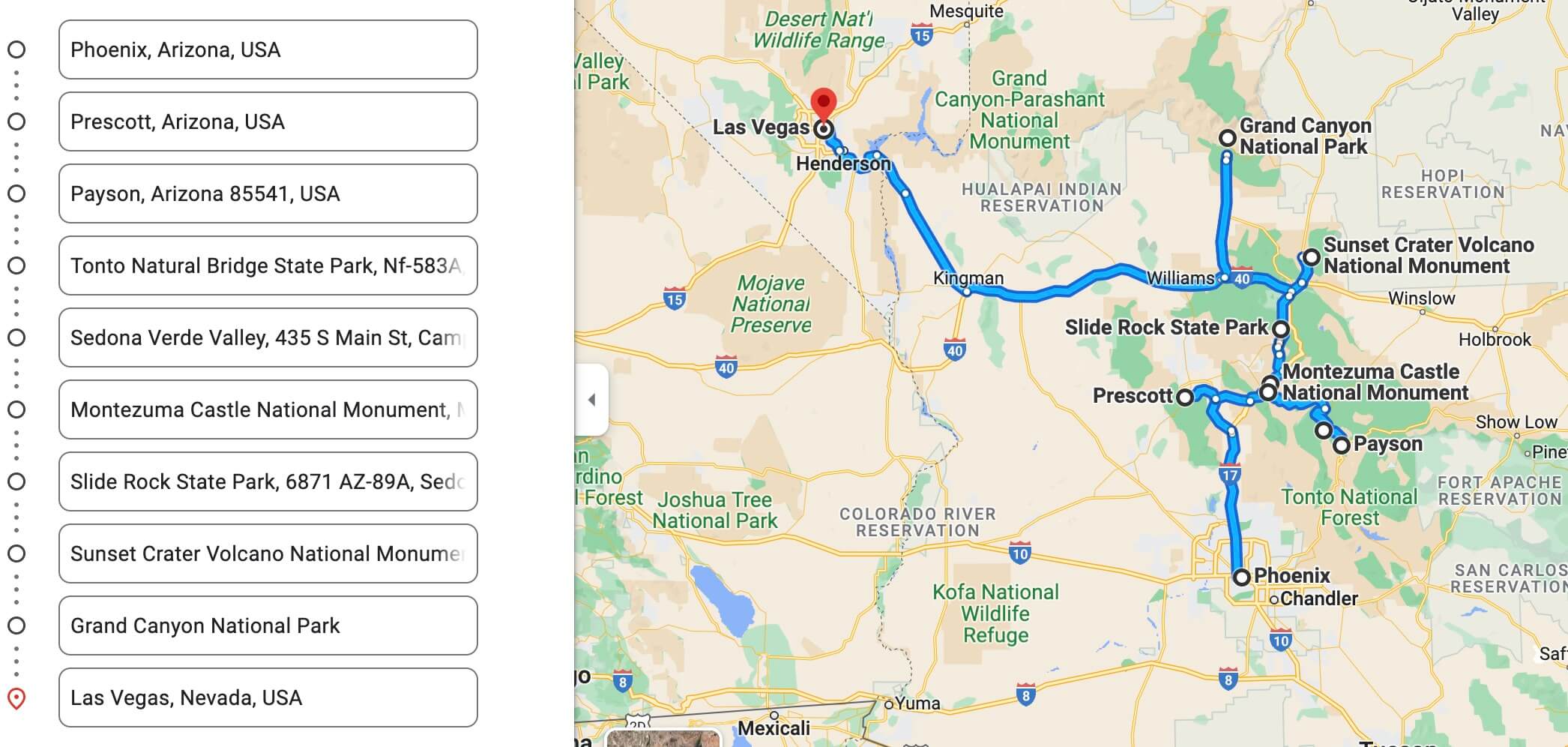
- Grand Canyon National Park (South Rim): While a significant detour (adding approximately 3-4 hours each way from the main route, depending on where you divert), visiting the Grand Canyon’s South Rim is a bucket-list experience for many. Its immense scale and breathtaking vistas are unparalleled. If you have an extra day or two, this detour is highly recommended for nature lovers.
- Grand Canyon West (Skywalk): A closer option than the South Rim, Grand Canyon West is located on the Hualapai Indian Reservation and is famous for the Grand Canyon Skywalk, a glass bridge extending over the canyon rim. This adds a couple of hours to the drive but offers a unique perspective.
- Valley of Fire State Park: Just a short detour north of Lake Mead near Las Vegas, Valley of Fire State Park is Nevada’s oldest state park and is renowned for its vibrant red sandstone formations that appear to be on fire when reflecting the sun’s rays. It’s a fantastic spot for hiking, photography, and experiencing unique desert geology.
- Historic Route 66 in Kingman, Arizona: As you pass through Kingman, you’re on a historic stretch of Route 66. Take a moment to explore the Historic Route 66 Museum and soak in the nostalgia of America’s Mother Road.
Destinations Unveiled: Why Visit Phoenix and Las Vegas?
Both Phoenix and Las Vegas are major tourism hubs, each offering distinct experiences that cater to a wide range of interests, from luxury travelers to budget adventurers, families, and business professionals.
The Allure of Phoenix: Sonoran Desert Lifestyle
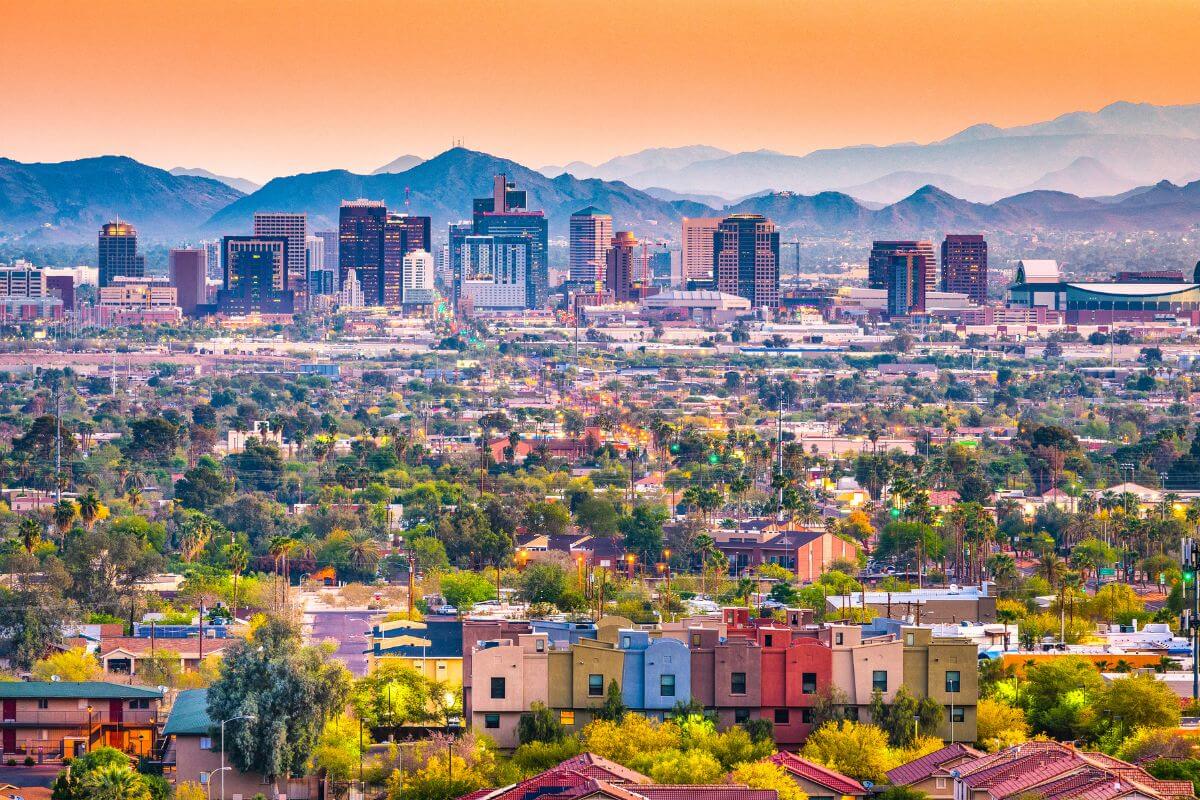
Phoenix, the capital of Arizona and the fifth-largest city in the United States, is a sprawling desert metropolis known for its sunny weather, stunning landscapes, and outdoor activities. The city and its surrounding areas, including Scottsdale, Tempe, and Mesa, offer a diverse array of attractions:
- Outdoor Adventures: Hiking trails abound, from the challenging ascent of Camelback Mountain to the scenic paths in Papago Park, home to the Desert Botanical Garden. Golf enthusiasts will find an abundance of world-class courses, making Phoenix a premier golf destination.
- Culture and Arts: Explore the vibrant arts scene in downtown Phoenix or the upscale galleries of Old Town Scottsdale. The Heard Museum offers deep insights into Native American art and culture.
- Relaxation and Wellness: Phoenix is synonymous with luxury resorts and spa experiences. Properties like The Phoenician, a Luxury Collection Resort, Scottsdale or the historic Arizona Biltmore, A Waldorf Astoria Resort provide opulent amenities and serene desert settings.
- Culinary Scene: From authentic Sonoran Mexican cuisine to upscale farm-to-table restaurants, Phoenix’s food scene is dynamic and delicious.
The Spectacle of Las Vegas: Entertainment Capital of the World
Las Vegas needs little introduction. Renowned globally as the “Entertainment Capital of the World,” it’s a city designed to dazzle and delight. Beyond the glittering casinos, Las Vegas offers a wealth of experiences:
- World-Class Entertainment: Catch a spectacular Cirque du Soleil show, a resident pop star’s concert, or a magic performance. The options for live entertainment on The Strip are virtually endless.
- Dining Extravaganza: Las Vegas boasts an incredible array of dining experiences, from celebrity chef restaurants and Michelin-starred establishments to casual buffets and unique themed eateries.
- Shopping and Nightlife: Indulge in high-end shopping at resorts like The Forum Shops at Caesars Palace or enjoy the electrifying nightlife in a myriad of clubs and bars.
- Outdoor Excursions: Don’t forget that just beyond the city lights lies stunning natural beauty. Red Rock Canyon National Conservation Area is a popular spot for hiking, rock climbing, and scenic drives, just a short distance from The Strip.
- Accommodation: From the lavish suites of the Bellagio Hotel & Casino or The Venetian Resort Las Vegas to more budget-friendly hotels off The Strip in areas like Henderson or Spring Valley, Las Vegas offers every conceivable type of accommodation.
Planning Your Trip: Practical Tips and Lifestyle Considerations
Regardless of how you choose to travel between Phoenix and Las Vegas, a little planning can go a long way in ensuring a smooth and enjoyable trip.
Best Time to Travel
The desert climate dictates the best times to visit. Spring (March-May) and Fall (September-November) offer the most pleasant weather, with warm days and comfortable evenings – ideal for outdoor activities in Phoenix and exploring Las Vegas without extreme heat. Summers (June-August) are intensely hot, especially in Phoenix, with temperatures often exceeding 100°F (38°C). While Las Vegas is air-conditioned throughout, outdoor exploration can be challenging. Winter (December-February) brings mild temperatures, though nights can be chilly, and it’s a popular escape for those fleeing colder climates.
Accommodation and Booking
Both cities offer a vast range of accommodation options. In Phoenix, you’ll find everything from luxurious spa resorts to charming boutique hotels and extended-stay apartments. Las Vegas is famed for its mega-resorts, each a destination in itself, but also provides numerous hotels for every budget, whether on The Strip, downtown, or in surrounding communities.
- Booking: Always book your accommodation in advance, especially during peak seasons or major events. Utilize comparison websites and direct hotel booking sites to find the best deals.
- Reviews: Pay attention to recent reviews regarding amenities, service, and location to ensure your chosen stay meets your expectations.
- Long-term Stays: For those considering a longer visit, serviced apartments or villas can offer more space and amenities, particularly if traveling with family or on a business trip requiring an extended stay.
Budget vs. Luxury Travel
The beauty of traveling between these cities is that experiences can be tailored to any budget.
- Budget Travel: Opt for bus travel, stay in more affordable hotels off the main tourist drags, enjoy free attractions like walking The Strip or hiking local trails, and explore local eateries.
- Luxury Travel: Indulge in first-class flights, stay in five-star resorts with private suites and world-class spas, dine at gourmet restaurants, and book exclusive tours or experiences.
Family and Business Trips
- Family Trips: Both cities offer family-friendly attractions beyond their adult-centric reputations. In Phoenix, consider the Phoenix Zoo or LEGOLAND Discovery Center. Las Vegas has attractions like the Bellagio Fountains, M&M’s World, and many hotel pools suitable for all ages.
- Business Stays: Both cities are major convention and conference centers. Consider hotels with robust business amenities, meeting spaces, and easy access to convention centers. Flying is often the preferred mode of transport for business travelers due to time efficiency.
Conclusion
The distance from Phoenix, Arizona, to Las Vegas, Nevada, is a journey of approximately 300 miles, easily traversable by car, plane, or bus. Whether you choose the open road for a scenic adventure filled with natural wonders and historic landmarks, opt for the speed of a short flight, or embrace the affordability of bus travel, the path between these two dynamic cities offers diverse opportunities for exploration. From the serene desert beauty and outdoor pursuits of Phoenix to the vibrant entertainment and luxury of Las Vegas, your travel between these Southwest gems promises memorable experiences. By considering your travel style, budget, and desired experiences, you can tailor your journey to create the perfect desert escape.
LifeOutOfTheBox is a participant in the Amazon Services LLC Associates Program, an affiliate advertising program designed to provide a means for sites to earn advertising fees by advertising and linking to Amazon.com. Amazon, the Amazon logo, AmazonSupply, and the AmazonSupply logo are trademarks of Amazon.com, Inc. or its affiliates. As an Amazon Associate we earn affiliate commissions from qualifying purchases.