
Embarking on a journey through Arizona’s breathtaking landscapes often brings travelers to two of its most iconic destinations: the spiritual red rock country of Sedona and the monumental chasm of the Grand Canyon. For many, the ultimate Southwest United States adventure involves experiencing both, raising the perennial question: “How far is the Grand Canyon from Sedona, Arizona?” The answer is more than just a number on a map; it’s an invitation to a scenic road trip, a delve into geological wonders, and an opportunity to create unforgettable travel experiences.
Connecting these two natural marvels is a relatively straightforward drive, making a combined trip not only feasible but highly recommended for those seeking a diverse array of Arizona tourism. Whether you’re planning a day trip, an overnight stay, or a longer exploration, understanding the distance, travel time, and what awaits you on the journey is key to a seamless and enriching adventure. This comprehensive guide will equip you with all the details, from driving routes and recommended stops to accommodation options, activities, and essential travel tips, ensuring your journey from Sedona to the Grand Canyon is as spectacular as the destinations themselves.
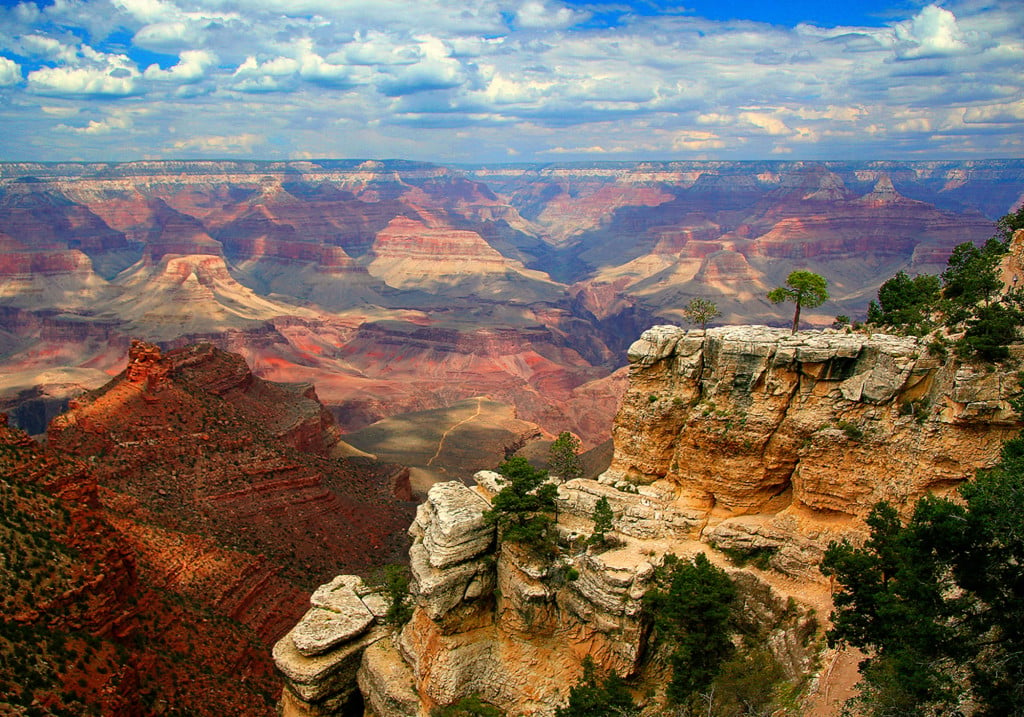
The Scenic Journey: Sedona to the Grand Canyon
The drive from Sedona to the Grand Canyon is more than just transportation; it’s an integral part of the overall experience. This route takes you through varied landscapes, from the vibrant red rocks that define Sedona to the pine forests surrounding Flagstaff, eventually opening up to the majestic vistas of the Grand Canyon National Park. The journey itself offers opportunities for sightseeing, cultural immersion, and photo ops that complement the main attractions.
Driving Routes and Distances
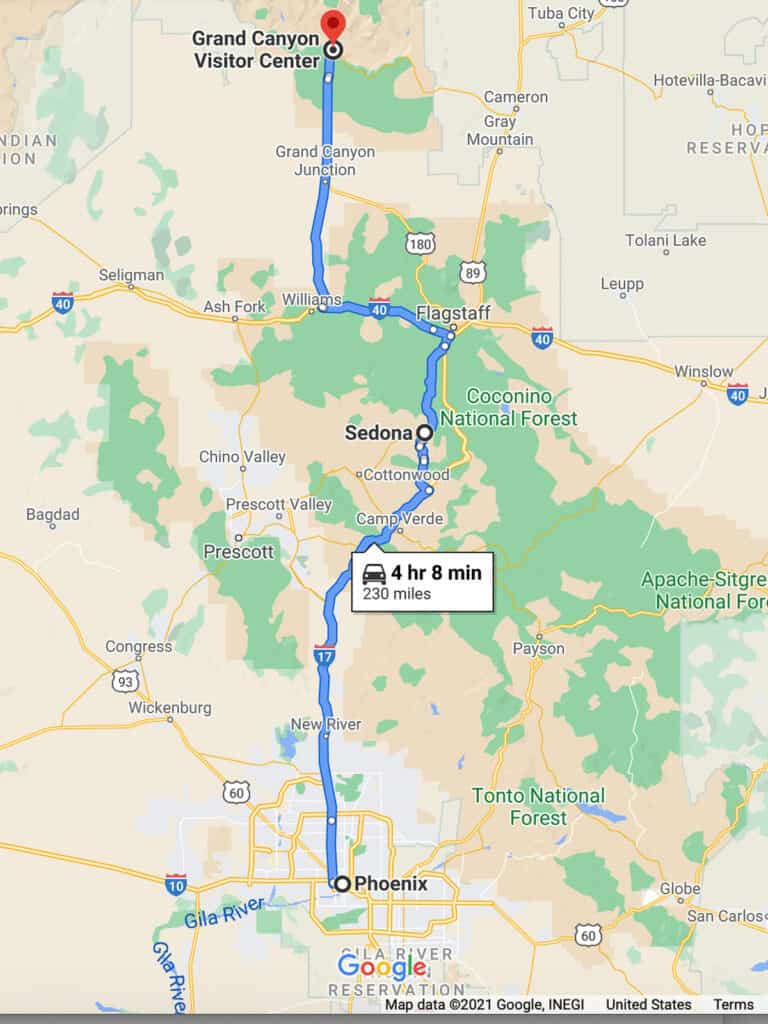
The most direct and commonly traveled route from Sedona to the Grand Canyon’s South Rim (the most popular and accessible part of the park) spans approximately 110 to 120 miles (177 to 193 kilometers). The driving time typically ranges from 2 to 2.5 hours, not accounting for stops, traffic, or road conditions.
Here’s a breakdown of the primary routes:
-
The Most Direct Route (Via I-17 N and US-180 W):
- From Sedona, you’ll head north on US-89A through the stunning Oak Creek Canyon to Flagstaff. This segment is incredibly scenic but can be winding, so exercise caution.
- From Flagstaff, take US-180 W directly to the Grand Canyon’s South Rim entrance. This is generally the quickest way once you’re past Flagstaff.
-
The Scenic Route (Via I-17 N, I-40 W, and AZ-64 N):
- Alternatively, from Sedona, you can still take US-89A to Flagstaff.
- From Flagstaff, hop onto I-40 W towards Williams.
- At Williams, take AZ-64 N (also known as the Grand Canyon Highway) directly to the South Rim. This route adds a few more miles but is less winding past Flagstaff and offers the charm of Williams, often called the “Gateway to the Grand Canyon” and home to a historic stretch of Route 66.
Both routes converge at the Grand Canyon National Park’s South Rim, offering access to popular viewpoints like Mather Point and Grand Canyon Village. Remember that winter conditions can affect travel times, especially on US-180 W, which is at a higher elevation and prone to snow.
Must-See Stops Along the Way
The journey from Sedona to the Grand Canyon is dotted with attractions that can transform a simple drive into a memorable experience.
- Oak Creek Canyon (Highway 89A between Sedona and Flagstaff): This incredibly scenic byway is often compared to a miniature Grand Canyon. With its towering cliffs, lush forests, and the meandering Oak Creek, it’s perfect for a leisurely drive, hiking, or even a picnic. There are several pull-offs and viewpoints, as well as opportunities for swimming in the creek during warmer months. The drive itself is an attraction, offering a dramatic shift in elevation and climate.
- Flagstaff: A vibrant mountain town, Flagstaff makes for an excellent stop. You can grab a meal, explore its historic downtown, or visit attractions like the Lowell Observatory, where Pluto was discovered. It’s also a good place to refuel your car and stock up on snacks and water before heading into the park. For those interested in history and geology, the nearby Walnut Canyon National Monument, Wupatki National Monument, and Sunset Crater Volcano National Monument offer fascinating insights into ancient Native American cultures and volcanic activity.
- Williams (on I-40 W route): This charming town proudly embraces its Route 66 heritage. Stroll along its historic streets, browse the unique shops, or enjoy a meal at a classic diner. Williams is also home to the Grand Canyon Railway, offering a vintage train journey directly into the park, a fantastic option for those who prefer not to drive themselves.
- Kaibab National Forest: As you approach the Grand Canyon, you’ll drive through the vast Kaibab National Forest, a beautiful landscape of Ponderosa pine trees. It’s a stark contrast to Sedona’s red rock country and signifies your nearing arrival at one of the world’s most impressive natural landmarks.
Planning Your Grand Canyon Adventure from Sedona
A trip to the Grand Canyon from Sedona requires thoughtful planning to ensure a memorable experience. From choosing the best time to visit to deciding on guided tours versus self-exploration, careful consideration will enhance your adventure.
Best Time to Visit
The Grand Canyon is a year-round destination, but each season offers a distinct experience:
- Spring (March-May) and Fall (September-November): These are often considered the ideal times to visit. The weather is generally mild, crowds are manageable (though still significant), and conditions are excellent for hiking and outdoor activities. Spring brings wildflowers, while fall paints the surrounding forests in golden hues.
- Summer (June-August): This is peak season, characterized by large crowds, hot temperatures (especially below the rim), and potential for afternoon thunderstorms. Despite the heat, it’s popular for families on summer vacation. Booking accommodations and tours well in advance is crucial during these months.
- Winter (December-February): Offers a quieter, serene experience with fewer crowds and the chance to see the canyon dusted with snow, creating truly magical vistas. Temperatures can be very cold, and some roads (like Hermit Road for private vehicles) and trails may be closed or require specialized gear. Services can also be limited.
Consider the trade-off between pleasant weather and crowd levels when choosing your travel dates. If you’re looking for a peaceful, reflective experience, winter might surprise you with its stark beauty. For an active outdoor adventure, spring and fall are unsurpassed.
Tour Options and Day Trips
While many choose to drive themselves, various tour options cater to different preferences, budgets, and travel styles, especially if you’re looking for a hassle-free day trip from Sedona.
- Self-Drive Day Trip: This is the most flexible option. Drive from Sedona to the South Rim, spend 4-6 hours exploring viewpoints like Mather Point, Yavapai Point, and Hopi Point (via the free shuttle system), maybe walk a short section of the rim trail, and then drive back to Sedona. This makes for a long day (8-10+ hours total), but it allows for maximum independence.
- Bus Tours: Numerous companies offer guided bus tours from Sedona or Flagstaff. These tours handle transportation, park entrance fees, and often include a knowledgeable guide who shares insights into the canyon’s geology, history, and ecology. They are a convenient option for those who prefer to sit back and enjoy the scenery without the stress of driving and parking.
- Helicopter Tours: For a truly spectacular and unforgettable perspective, consider a helicopter tour. These tours typically depart from Grand Canyon National Park Airport near Tusayan or sometimes even from Sedona or Las Vegas. They offer breathtaking aerial views of the canyon’s vastness and intricate formations, often flying over areas inaccessible by foot or car. While more expensive, it’s a luxury travel experience that provides unparalleled vistas.
- Grand Canyon Railway (from Williams): As mentioned, the historic Grand Canyon Railway offers a unique way to reach the South Rim from Williams. This provides a nostalgic journey, complete with musicians and cowboy characters, making the trip an attraction in itself. It’s a fantastic choice for families or those seeking a relaxed and scenic travel experience.
- Adventure Tours (Hiking, Rafting): For the more adventurous, guided hiking tours (like those along the Bright Angel Trail or South Kaibab Trail) or even white-water rafting trips on the Colorado River can be arranged. These often require more planning and physical preparation but offer profound immersion in the canyon’s natural environment.
Maximizing Your Stay: Accommodation and Experiences
To truly appreciate both Sedona and the Grand Canyon, consider spending at least one night near the canyon or extending your stay in Sedona. This allows for unhurried exploration and the chance to witness the magical sunrises and sunsets over the canyon.
Where to Stay in Sedona
Sedona offers a diverse range of accommodation options, from luxury resorts to budget-friendly hotels and charming bed & breakfasts, catering to various lifestyle preferences.
- Luxury Resorts: For an opulent experience, consider places like Enchantment Resort, known for its stunning Boynton Canyon views and world-class spa, or L’Auberge de Sedona, offering creekside cottages and a tranquil atmosphere. These resorts often provide exceptional amenities, fine dining, and curated experiences.
- Boutique Hotels and Spas: Options like Amara Resort and Spa blend comfort with a focus on wellness, often featuring pools, spa treatments, and stunning red rock views.
- Mid-Range and Budget-Friendly Hotels: Many reputable hotel chains and independent properties offer comfortable stays at a more accessible price point. Look for hotels in West Sedona or Uptown Sedona for convenience to dining and attractions.
- Vacation Rentals: For longer stays or family trips, apartments, villas, or cabins booked through platforms like Airbnb or VRBO can provide more space, privacy, and kitchen facilities, offering a home-away-from-home experience.
When booking accommodation in Sedona, consider your priorities: proximity to hiking trails, views of the red rocks, access to dining, or a peaceful retreat.
Grand Canyon Lodging: Inside vs. Outside the Park
Choosing where to stay near the Grand Canyon can significantly impact your visit, especially if you plan to experience a sunrise or sunset.
- Inside the Park (South Rim): Staying within Grand Canyon Village or other lodges on the rim offers unparalleled access to viewpoints and trails. Hotels like El Tovar Hotel, Bright Angel Lodge, Maswik Lodge, and Yavapai Lodge provide historic charm and convenience. Booking these rooms, especially for prime seasons, must be done months in advance—sometimes up to a year—due to extremely high demand. The ultimate in-canyon experience is staying at Phantom Ranch at the bottom of the canyon, which requires entering a lottery system and is often booked 15 months out.
- Outside the Park (Tusayan or Williams):
- Tusayan: Just 7 miles (11 km) south of the South Rim entrance, Tusayan offers several hotels, restaurants, and amenities. It’s a convenient option if you can’t secure lodging inside the park, providing a quick commute to the canyon. Many tour operators and the Grand Canyon IMAX Theater are located here.
- Williams: Approximately 60 miles (97 km) south of the South Rim, Williams is a larger town with more hotel choices, dining options, and attractions, including its historic Route 66 district. It’s a great base if you plan to take the Grand Canyon Railway or are looking for more budget-friendly accommodation. The drive to the park entrance from Williams is about an hour.
Booking accommodations well in advance is paramount, especially for any stays between spring and fall. Compare reviews and amenities to find the best fit for your trip.
Beyond the Views: Activities and Dining
Both Sedona and the Grand Canyon offer a wealth of activities and dining experiences that go beyond their iconic views.
- In Sedona:
- Hiking: Explore trails to Cathedral Rock, Boynton Canyon, or Airport Mesa, many of which are associated with Sedona’s vortexes.
- Jeep Tours: Popular Pink Jeep Tours offer thrilling off-road adventures into the backcountry, providing insights into the geology and history of the Red Rock Country.
- Wellness and Spirituality: Indulge in spa treatments, yoga sessions, or explore crystal shops and spiritual readings, which are central to Sedona’s unique culture.
- Dining: Sedona’s culinary scene ranges from casual cafes to upscale restaurants with stunning views. Many eateries focus on fresh, local ingredients.
- At the Grand Canyon (South Rim):
- Viewpoints: Don’t miss Mather Point, Yavapai Point, and Hopi Point for quintessential canyon views. Drive along Desert View Drive to Desert View Watchtower for panoramic vistas of the Colorado River.
- Hiking: Even short walks along the Rim Trail offer incredible perspectives. For more strenuous adventures, consider day hikes into the canyon on Bright Angel Trail or South Kaibab Trail (be aware that hiking down is easier than hiking back up!).
- Stargazing: The Grand Canyon is an International Dark Sky Park, offering unparalleled stargazing opportunities. Attend ranger-led astronomy programs during peak season.
- Ranger Programs: The National Park Service offers free ranger-led talks and walks that provide valuable insights into the canyon’s geology, wildlife, and history.
- Dining: Options range from casual cafeterias at the lodges to more upscale dining at El Tovar Dining Room. Be sure to make reservations for fine dining well in advance.
Essential Tips for a Seamless Trip
A well-prepared traveler enjoys the journey more. Here are some crucial tips for your Sedona to Grand Canyon excursion:
Packing and Preparation
- Layered Clothing: Arizona’s high desert climate means significant temperature swings between day and night, even in summer. Layers are essential.
- Sun Protection: Sunscreen, hats, and sunglasses are a must, regardless of the season. The elevation means stronger UV radiation.
- Hydration: Carry plenty of water, especially if hiking. Dehydration is a serious risk in the dry desert air.
- Comfortable Footwear: You’ll be doing a lot of walking, so comfortable, sturdy shoes are non-negotiable.
- Camera and Binoculars: Capture the stunning vistas and zoom in on distant features.
- Snacks: While food is available, having your own snacks can save time and money, especially inside the park.
- Park Pass: Consider purchasing a U.S. National Parks Pass if you plan to visit multiple national parks or monuments. It can save you money on entrance fees.
- Cell Service: Be aware that cell phone service can be spotty or non-existent in many parts of the Grand Canyon National Park. Download maps offline.
Budgeting and Travel Style
- Accommodation Costs: Lodging within the Grand Canyon National Park is often more expensive than in nearby towns like Tusayan or Williams. Sedona also has a range from luxury to budget.
- Transportation: Renting a car offers the most flexibility. Factor in fuel costs and parking fees (if any). Tour buses can be cost-effective for solo travelers or those not wanting to drive.
- Food: Eating inside the park or at resort restaurants can be pricey. Consider packing a picnic lunch or utilizing grocery stores in Flagstaff or Williams.
- Activities: Budget for specific activities like helicopter tours, jeep tours, or special excursions. Many park experiences, like ranger talks and enjoying the viewpoints, are free after the entrance fee.
- Travel Insurance: For peace of mind, especially if undertaking adventurous activities or traveling during peak seasons, consider travel insurance.
Whether you’re a budget traveler seeking incredible natural beauty or a luxury traveler looking for an exclusive experience, Arizona offers options to tailor your trip. Planning in advance allows you to optimize your spending and ensures you get the most out of your travel investment.
Why Combine Sedona and the Grand Canyon?
Combining a visit to Sedona and the Grand Canyon offers a uniquely rich and diverse Arizona experience, encapsulating the best of the state’s natural beauty and vibrant culture.
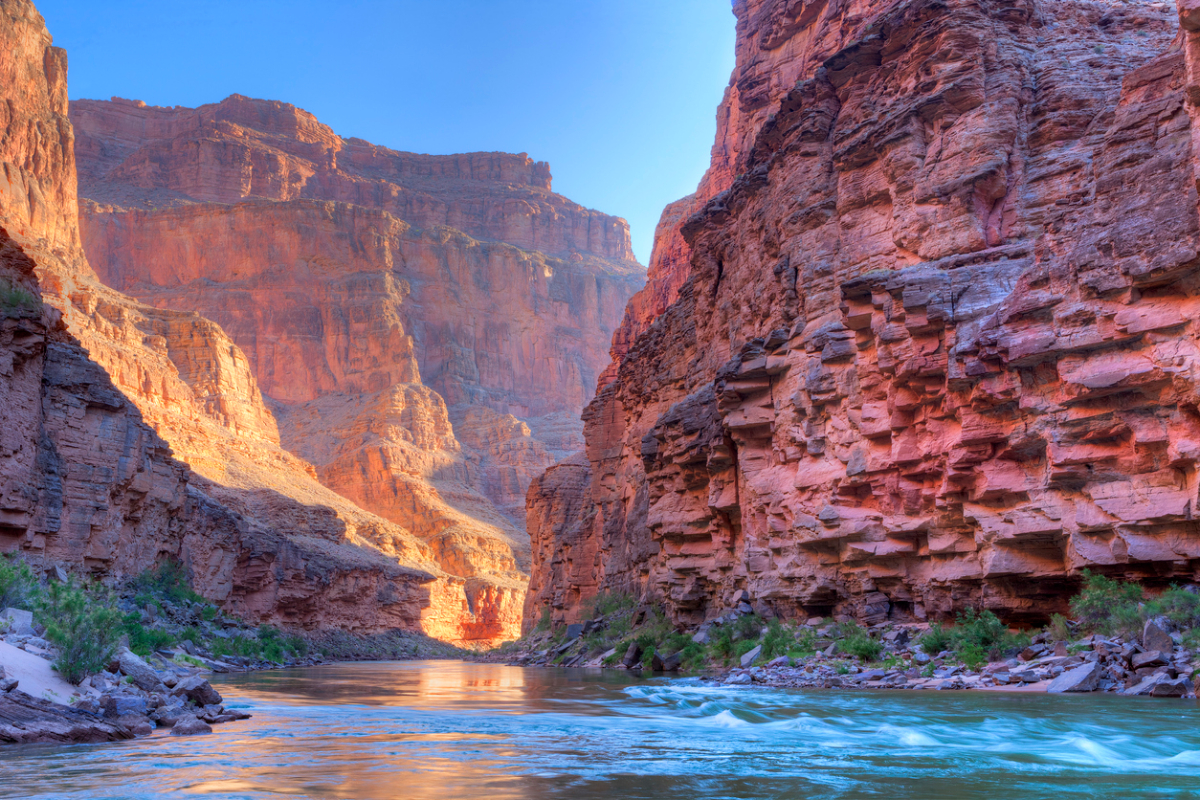
- Contrasting Landscapes: Sedona’s intimate and colorful red rock formations provide a dramatic contrast to the Grand Canyon’s immense, sprawling chasm. Experiencing both allows you to appreciate the varied geological wonders that the American Southwest has to offer.
- Diverse Experiences: From Sedona’s spiritual vortexes, wellness activities, and art galleries to the Grand Canyon’s epic hiking, mule rides, and ranger programs, the two destinations offer a broad spectrum of activities for every interest.
- Accessibility: Their relatively close proximity makes it easy to combine them into a single, cohesive travel plan. The scenic drive connecting them is an attraction in itself, enhancing the overall journey.
- Cultural and Historical Richness: Both areas are steeped in history, from ancient Native American cultures to pioneer stories, offering educational and immersive experiences.
- Ideal for Any Lifestyle: Whether you’re seeking a romantic luxury getaway, an adventurous family trip, or a solo spiritual retreat, the combination of Sedona and the Grand Canyon can be tailored to fit any travel lifestyle and budget.
In conclusion, the Grand Canyon is a manageable and highly rewarding distance from Sedona, Arizona. While the drive itself is a highlight, the true magic lies in experiencing the profound beauty and unique character of both destinations. By planning wisely, embracing the journey, and preparing for the diverse opportunities each location presents, you’re set to embark on an unforgettable Arizona adventure.
LifeOutOfTheBox is a participant in the Amazon Services LLC Associates Program, an affiliate advertising program designed to provide a means for sites to earn advertising fees by advertising and linking to Amazon.com. Amazon, the Amazon logo, AmazonSupply, and the AmazonSupply logo are trademarks of Amazon.com, Inc. or its affiliates. As an Amazon Associate we earn affiliate commissions from qualifying purchases.