
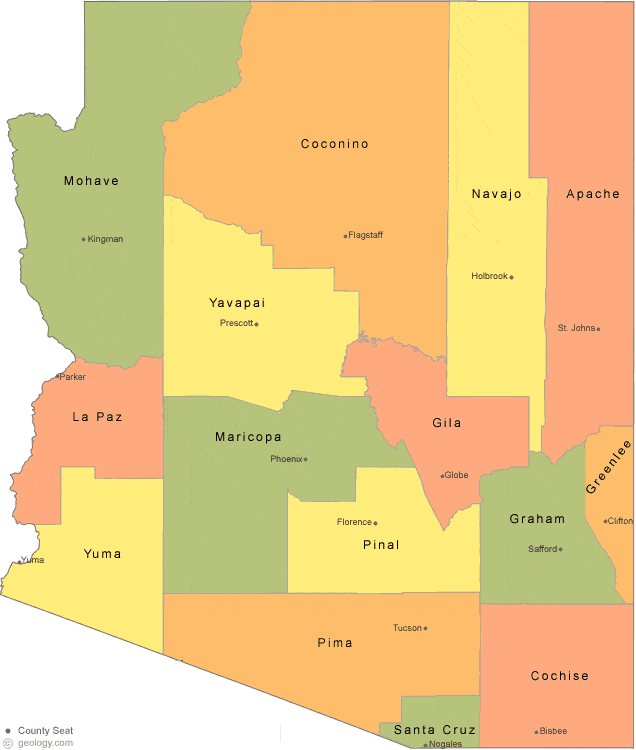
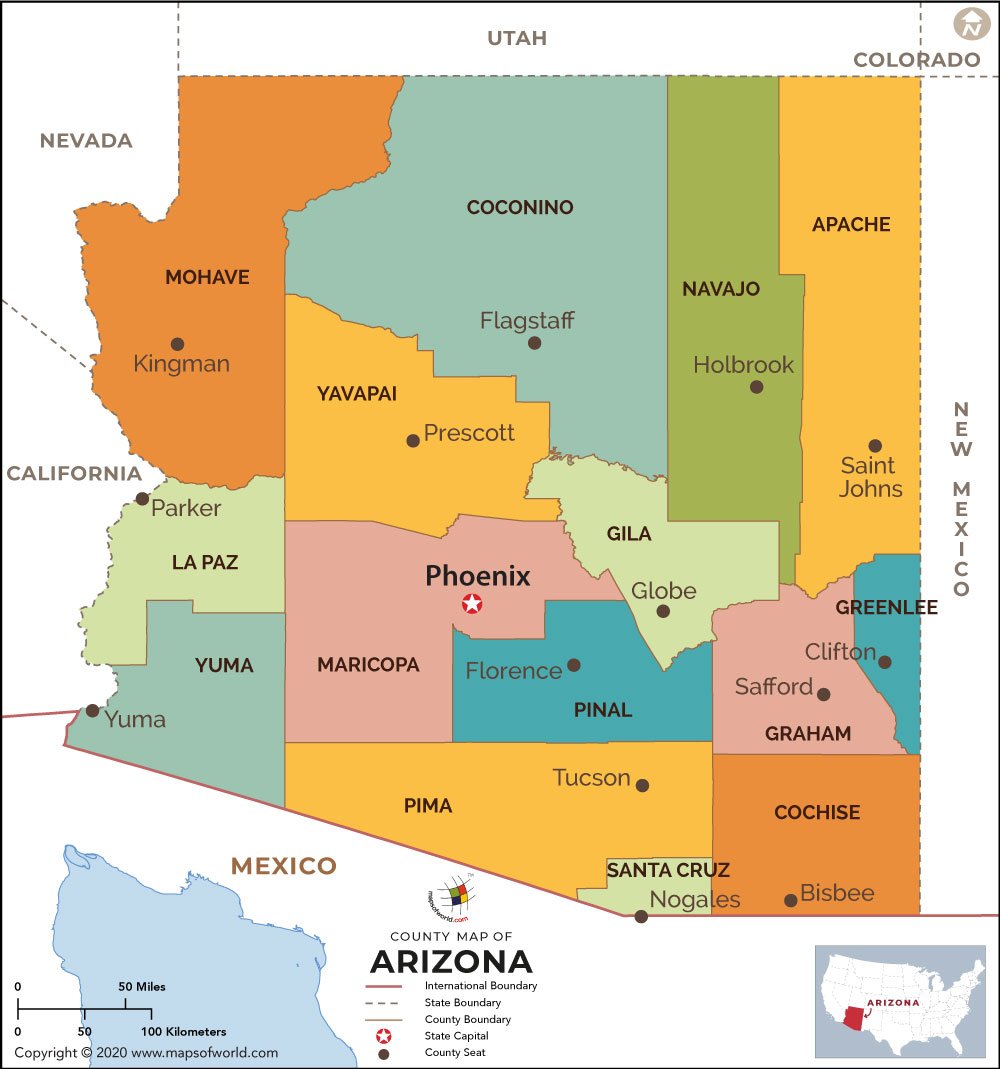
Arizona, affectionately known as the Grand Canyon State, is a land of breathtaking contrasts, where scorching deserts meet snow-capped peaks, and ancient cultures blend seamlessly with modern metropolises. For any traveler planning an immersive journey through this vibrant corner of the Southwestern United States, understanding its administrative divisions is more than just a geographical exercise; it’s a key to unlocking the diverse experiences each region offers. So, how many counties are there in the state of Arizona? The answer is fifteen. Each of these counties presents its own unique tapestry of landscapes, attractions, cultures, and opportunities for adventure, catering to every kind of lifestyle and travel preference, from luxury getaways to budget-friendly explorations.

From the towering saguaros of the south to the majestic pines of the north, and from bustling urban centers to tranquil rural expanses, Arizona’s counties serve as gateways to unforgettable memories. Whether you’re seeking a serene escape into nature, a historical deep dive, or an energetic urban adventure, the diverse counties of Arizona promise an itinerary filled with discovery.
Unveiling Arizona’s Administrative Tapestry: 15 Distinct Counties
The geographical and cultural diversity of Arizona is truly astonishing, a testament to the state’s vastness and rich history. Each of its fifteen counties contributes a unique flavor to the overall identity of the Grand Canyon State. From the sprawling Maricopa County, home to the state capital, Phoenix, and a bustling hub of commerce and tourism, to the more remote and rugged beauty of Greenlee County, known for its mining heritage, there’s an endless array of experiences awaiting. Travelers embarking on an Arizona adventure will find that these counties offer a spectrum of travel styles, from luxurious resort stays and boutique hotels to rustic campgrounds and charming long-term rentals, ensuring every visitor finds their perfect accommodation. The landscape itself acts as a grand canvas, painting scenes of red rock wonders, vast desert plains, and forested mountain ranges, each inviting exploration and promising distinct attractions.
Northern Arizona: A Realm of Peaks, Canyons, and Ancient Echoes
The northern expanse of Arizona is synonymous with dramatic landscapes and a profound sense of history. This region is home to some of the state’s most iconic natural landmarks and holds deep cultural significance for its indigenous communities.
Apache County: High Plateaus and Navajo Riches
Apache County, located in the northeastern corner of Arizona, is characterized by its vast, high plateaus and stunning natural beauty. It encompasses a significant portion of the Navajo Nation, offering visitors an unparalleled opportunity to immerse themselves in indigenous culture and history. A primary highlight is the Canyon de Chelly National Monument, a sacred place featuring ancient cliff dwellings and towering sandstone walls, providing a powerful glimpse into the lives of early inhabitants. Further south, the Petrified Forest National Park stuns with its vibrant fossilized trees and the Painted Desert’s multi-hued badlands. For those seeking outdoor adventure, the White Mountains offer year-round recreation, from skiing in winter to hiking and fishing in summer. Accommodation here ranges from charming inns in smaller towns to authentic experiences on tribal lands, perfect for those seeking cultural immersion or a peaceful retreat into nature. This county is ideal for budget-conscious travelers and families looking for unique cultural and natural experiences.
Coconino County: Grandeur and Mountain Majesty
Perhaps the most famous of Arizona’s counties, Coconino County is home to the majestic Grand Canyon National Park, one of the world’s most awe-inspiring natural wonders. Beyond the canyon, the county boasts Flagstaff, a vibrant mountain city nestled at the base of the San Francisco Peaks, offering a cooler climate, pine forests, and excellent skiing opportunities on Humphreys Peak. The artistic enclave of Sedona, famous for its stunning red rock formations, spiritual vortexes, and luxurious resorts, also falls within its borders. Oak Creek Canyon offers picturesque drives and hiking trails. Accommodation options are incredibly diverse, from opulent suites and five-star resorts in Sedona to charming boutique hotels and budget-friendly motels in Flagstaff. This county caters to all types of travelers, from luxury seekers and adventure enthusiasts to families exploring natural landmarks.
Mohave County: Desert Lakes and Route 66 Lore
Stretching across the northwestern corner of the state, Mohave County is defined by its vast desert landscapes, the mighty Colorado River, and historical ties to Route 66. Lake Havasu City, home to the relocated London Bridge, is a popular destination for water sports and recreational activities on Lake Havasu. Further north, a portion of Lake Mead and the iconic Hoover Dam provide impressive feats of engineering amidst stunning natural beauty. The historic city of Kingman serves as a hub for exploring the preserved sections of Route 66, while Laughlin, just across the river in Nevada, offers casino resorts and entertainment. Accommodation ranges from family-friendly resorts along the river to RV parks and hotels catering to those exploring the historic route. This region is perfect for those seeking water-based recreation, historical road trips, and a relaxed desert lifestyle.
Navajo County: Petrified Wonders and Hopi Heritage
Adjacent to Apache County, Navajo County further exemplifies Arizona’s rich indigenous heritage and unique geological formations. The town of Holbrook serves as a gateway to the southern entrance of Petrified Forest National Park, where ancient logs have turned to stone in a dazzling display of color. A significant part of the Navajo Nation and the entire Hopi Reservation are located within this county, offering profound cultural experiences and access to natural wonders like portions of Monument Valley. The city of Winslow gained fame from the Eagles’ song “Take It Easy” and features a park commemorating the lyric. Nearby, the Meteor Crater is a striking geological landmark. For accommodation, visitors can find comfortable motels in towns like Holbrook and Winslow, providing convenient bases for exploring the surrounding attractions. This county appeals to history buffs, nature enthusiasts, and those interested in experiencing Native American culture.
Yavapai County: Historic Charm and Prescott’s Allure
In central-northern Arizona lies Yavapai County, a region known for its mild four-season climate, historic towns, and diverse landscapes. Prescott, the county seat and former territorial capital, exudes old-west charm with its historic downtown, “Whiskey Row,” and Victorian architecture. The Verde Valley region within the county is gaining recognition for its burgeoning wine industry and includes unique towns like Jerome, a historic copper mining town perched on a hillside. The Prescott National Forest offers ample opportunities for hiking, mountain biking, and camping, with scenic spots like Watson Lake providing kayaking and rock climbing. Accommodation ranges from charming bed and breakfasts and historic hotels in Prescott to modern resorts and cabins throughout the Verde Valley. This county is perfect for history enthusiasts, outdoor adventurers, and those seeking a quieter, scenic escape.
Central Arizona: The Heartbeat of the Grand Canyon State
Central Arizona represents the dynamic core of the state, blending bustling urban centers with accessible natural beauty and significant historical sites.
Gila County: Lakes, Mountains, and Mining History
Gila County, situated in the geographic center of Arizona, offers a diverse landscape of mountains, forests, and desert. It’s an outdoor enthusiast’s paradise, with Roosevelt Lake, the largest lake entirely within Arizona, providing excellent fishing, boating, and camping. The Salt River offers opportunities for tubing and white-water rafting. Historic towns like Globe and Payson provide a glimpse into the state’s mining past and serve as gateways to the surrounding Tonto National Forest. A significant portion of the San Carlos Apache Indian Reservation is also located here, adding cultural depth. Accommodation includes rustic cabins, lakeside campgrounds, and modest hotels in Globe and Payson, appealing to budget travelers and nature lovers seeking an authentic Arizona experience.
La Paz County: River Recreation and Desert Serenity
Along the western border of Arizona and adjacent to the Colorado River, La Paz County is a haven for river recreation and desert serenity. The town of Parker is a popular spot for boating, jet-skiing, and relaxing along the riverbanks. Every winter, Quartzsite transforms into a massive hub for RVers, rockhounds, and flea market enthusiasts, attracting thousands of visitors. The county also features the Kofa National Wildlife Refuge, home to desert bighorn sheep and stunning desert landscapes. Portions of the Colorado River Indian Tribes Reservation also reside in La Paz County. Accommodation options largely consist of RV parks, campgrounds, and hotels in Parker, catering to those who love outdoor adventure and a more relaxed, seasonal lifestyle.
Maricopa County: The Bustling Core of Arizona
Maricopa County is the most populous county in Arizona and the heart of its economic and cultural activity. Home to the state capital, Phoenix, and major cities like Scottsdale, Mesa, Tempe, and Glendale, it offers a vibrant urban experience contrasted by the stunning Sonoran Desert landscape. Visitors can explore world-class museums, enjoy diverse culinary scenes, attend professional sports events, and indulge in high-end shopping. Iconic landmarks include Camelback Mountain for hiking and the expansive McDowell Sonoran Preserve. Accommodation in Maricopa County is extensive, ranging from luxurious resorts and boutique hotels to family-friendly suites and long-term stay apartments, catering to every budget and preference. This county is ideal for business travelers, luxury tourists, and families seeking a blend of urban amenities and outdoor activities.
Pinal County: Growth, Agriculture, and Outdoor Pursuits
South of Maricopa County, Pinal County is a rapidly growing region known for its agricultural roots, diverse outdoor recreation, and unique attractions. The county seat, Florence, boasts a rich history with numerous historic buildings. Casa Grande offers a glimpse into early Native American culture with the Casa Grande Ruins National Monument. Outdoor enthusiasts can hike at Picacho Peak State Park or explore the mysterious Superstition Mountains near Apache Junction. The renowned Biosphere 2, a fascinating science research facility, is also a major draw. Accommodation options include chain hotels in larger towns, comfortable vacation rentals, and ample RV parks, appealing to families, science enthusiasts, and those looking for a mix of historical exploration and outdoor adventure.
Southern Arizona: Saguaro Sentinels and Borderland Riches
Southern Arizona is a land of dramatic desert vistas, historic Old West towns, and a rich cultural fusion influenced by its proximity to the Mexican border.
Cochise County: Wild West Legends and Wine Country
Cochise County, located in southeastern Arizona, is steeped in Wild West history and is increasingly recognized for its burgeoning wine region. The legendary town of Tombstone, “The Town Too Tough to Die,” allows visitors to step back in time with reenactments and historic sites like the O.K. Corral. The charming copper mining town of Bisbee is known for its historic architecture, vibrant arts scene, and unique Queen Mine Tour. The Willcox Wine Country offers numerous vineyards and tasting rooms, attracting foodies and oenophiles. Natural wonders include the Chiricahua National Monument, a “wonderland of rocks.” Sierra Vista is a gateway to birdwatching and the military history of Fort Huachuca, while the Coronado National Memorial marks the first European expedition into the Southwest. Accommodation ranges from historic hotels and charming bed and breakfasts in Bisbee and Tombstone to modern hotels in Sierra Vista, appealing to history buffs, wine lovers, and those seeking unique cultural experiences.
Graham County: Sky Islands and Agricultural Lands
North of Cochise County lies Graham County, a less-traveled gem offering a mix of agricultural plains, rugged mountains, and unique ecosystems known as “sky islands.” Safford, the county seat, serves as a base for exploring the diverse landscapes. The towering Mount Graham, part of the Pinaleño Mountains, is a prominent sky island, home to rare species and the Mount Graham International Observatory. The Gila River flows through the county, supporting a lush riparian corridor. The Aravaipa Canyon Wilderness, a pristine desert oasis, offers incredible hiking and wildlife viewing (permits required). Accommodation is primarily found in Safford, with a selection of motels and hotels, ideal for eco-tourists, astronomers, and visitors looking for off-the-beaten-path adventures.
Greenlee County: Arizona’s Mining Heartland
Greenlee County, the smallest and least populous county in Arizona, is dominated by its mining industry, particularly the massive Morenci Mine, one of the largest open-pit copper mines in North America. The county seat, Clifton, and its neighboring town, Morenci, offer a glimpse into the industrial backbone of the state. Despite its industrial focus, Greenlee County also boasts stunning natural beauty, particularly within the Blue Range Primitive Area, part of the Apache-Sitgreaves National Forests, which provides rugged wilderness experiences. Accommodation is limited, typically consisting of smaller hotels and motels in Clifton and Morenci, catering to business travelers and those interested in industrial tourism or remote wilderness adventures.
Pima County: Tucson’s Vibrancy and Desert Beauty
Pima County is a vibrant cultural hub in southern Arizona, anchored by the dynamic city of Tucson. Known for its distinctive Sonoran Desert landscape, Pima County is home to Saguaro National Park, where thousands of iconic saguaro cacti stand sentinel. Tucson itself is a UNESCO City of Gastronomy, offering an incredible culinary scene, and boasts attractions like the Arizona-Sonora Desert Museum, Old Tucson Studios, and the historic Mission San Xavier del Bac. The Catalina Mountains, with Mount Lemmon offering skiing in winter, provide a dramatic backdrop and cooler escapes. Accommodation in Pima County is plentiful and varied, from historic hotels and luxurious resorts in Tucson to charming guesthouses and budget-friendly options, suitable for families, foodies, and cultural explorers.
Santa Cruz County: Border Culture and Sonoita’s Charm
The smallest county in Arizona, Santa Cruz County, lies directly on the Mexican border, offering a unique blend of cultures, history, and scenic beauty. Nogales, the county seat, is a bustling border town providing a distinct cross-cultural experience. The scenic towns of Sonoita and Patagonia are renowned for their burgeoning wine industry, beautiful ranchlands, and vibrant birdwatching opportunities, particularly around Patagonia Lake State Park. The historic Tumacácori National Historical Park preserves the remnants of three Spanish colonial missions, offering a deep dive into the region’s past. Accommodation includes charming guesthouses and hotels in Sonoita and Patagonia, and more standard options in Nogales, perfect for those seeking a tranquil wine country escape, birdwatching adventures, or a taste of borderland culture.
Yuma County: Sun-Drenched Deserts and Agricultural Bounty
In the southwestern corner of Arizona, bordering California and Mexico, lies Yuma County. Famous for its abundant sunshine, Yuma is a popular winter destination for snowbirds and an agricultural powerhouse, particularly for its winter vegetables. The Colorado River provides recreational opportunities, while the vast Imperial Sand Dunes offer thrills for off-road enthusiasts. History buffs will appreciate the Yuma Territorial Prison State Historic Park and the city’s role as a major crossing point. The Kofa National Wildlife Refuge (shared with La Paz County) provides opportunities for wildlife viewing and desert exploration. Martinez Lake is another popular spot for water-based activities. Accommodation includes numerous RV parks, budget-friendly hotels, and vacation rentals in Yuma, catering mainly to long-term winter stays and outdoor adventurers.
Planning Your Arizona Adventure: Navigating the Grand Canyon State’s Diversity
Understanding the distinct character of Arizona’s fifteen counties is the first step toward crafting an unforgettable travel experience. Each county offers a unique slice of the Grand Canyon State, from the rugged, untamed wilderness of Apache County and Greenlee County to the vibrant urban centers of Maricopa County and Pima County. Whether your ideal trip involves trekking through national parks, exploring historical mining towns, indulging in luxury resort amenities, savoring local cuisine, or simply relaxing by a desert lake, Arizona has a county to match your desires.
When planning your journey, consider the themes that resonate most with your travel style. For unparalleled natural beauty and outdoor adventure, focus on counties like Coconino, Mohave, or Gila. History buffs will find their niche in Cochise, Yavapai, and Navajo Counties. For those seeking an urban escape with diverse dining and entertainment, Maricopa and Pima Counties are prime choices. And for unique cultural immersion or tranquil retreats, Santa Cruz, La Paz, or Graham Counties await.
The accommodation landscape across these counties is as varied as the terrain itself. You can find everything from high-end, amenity-rich resorts offering suites and villas, especially in popular tourist destinations like Scottsdale and Sedona, to quaint apartments for long-term stays, boutique hotels with local character, and budget-friendly motels and campgrounds. Many counties also offer unique glamping experiences or charming bed and breakfasts, providing a more intimate connection to the local culture and environment.
Ultimately, the fifteen counties of Arizona are not just administrative boundaries; they are distinct worlds waiting to be explored. Each offers a piece of the Grand Canyon State’s soul, promising a travel experience that is as rich, diverse, and unforgettable as the land itself. By delving into the specific offerings of each region, travelers can tailor their itinerary to discover the hidden gems and celebrated landmarks that make Arizona a truly remarkable destination.
LifeOutOfTheBox is a participant in the Amazon Services LLC Associates Program, an affiliate advertising program designed to provide a means for sites to earn advertising fees by advertising and linking to Amazon.com. Amazon, the Amazon logo, AmazonSupply, and the AmazonSupply logo are trademarks of Amazon.com, Inc. or its affiliates. As an Amazon Associate we earn affiliate commissions from qualifying purchases.