
The sight of flags flying at half-mast, or more accurately, half-staff, is a powerful visual cue that commands attention and instills a sense of solemnity. In Texas, a state deeply rooted in tradition and respect, this symbolic gesture carries profound weight, signifying a collective moment of mourning, remembrance, or respect for an individual, a group, or a tragic event. If you notice the United States flag, the Texas state flag, or other flags lowered to this position across the Lone Star State today, it is a deliberate act, typically ordered by the President of the United States for national mourning or by the Governor for state-specific observances. Such an act is far more than mere protocol; it is a visible expression of shared grief, solidarity, and honor that resonates through communities, from bustling urban centers like Houston and Dallas to serene rural landscapes and historical landmarks. For residents and visitors alike, understanding the reasons behind this tradition offers a deeper insight into the civic fabric and emotional landscape of Texas.
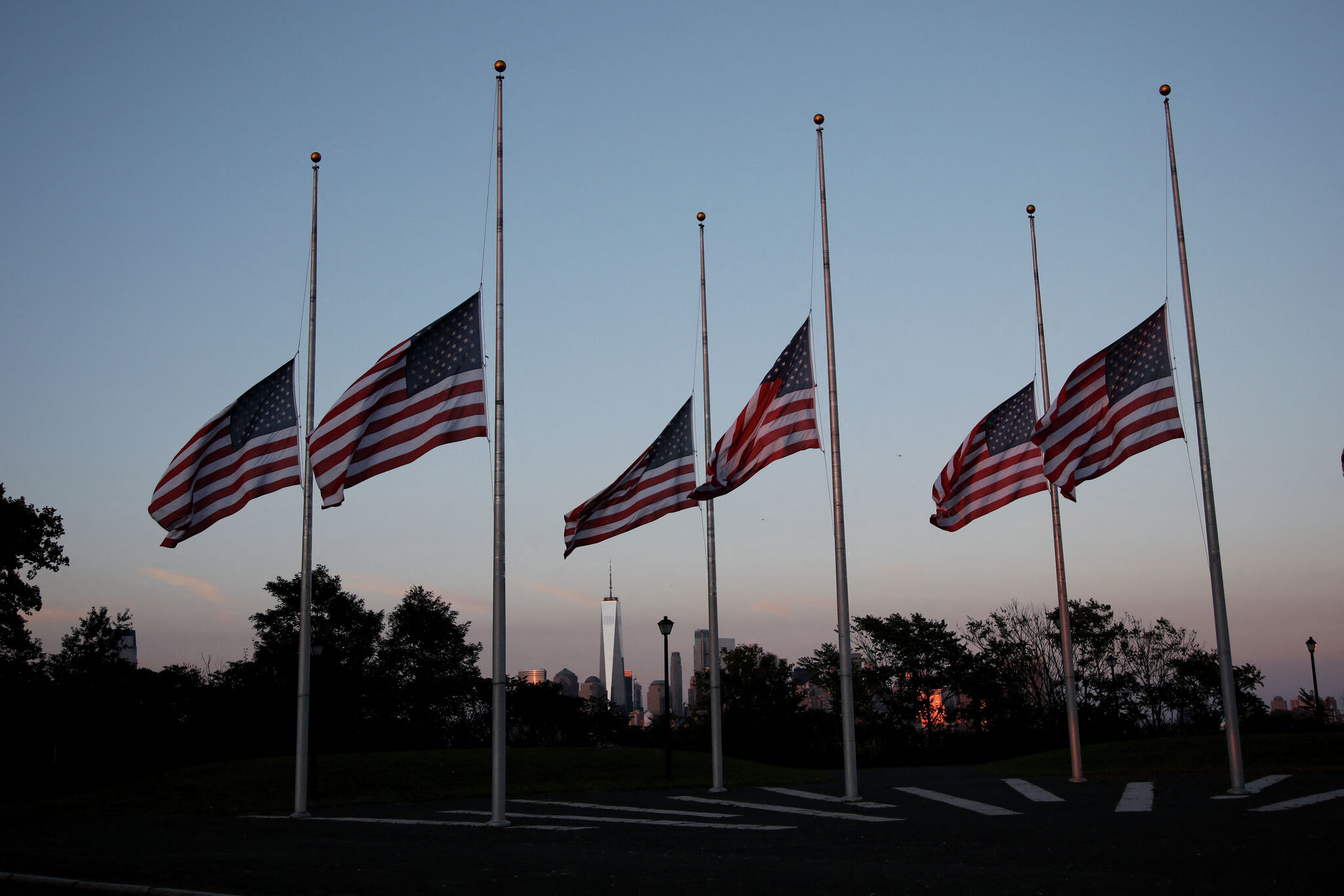
The Etiquette and Profound Symbolism of the Half-Staff Flag
The practice of flying flags at half-staff is a time-honored tradition that dates back centuries, evolving from maritime customs where a ship would lower its flag as a sign of respect or distress. Today, it serves as a universal symbol of mourning. For a state as historically rich and proud as Texas, the proper display of the flag is not just a matter of law but a point of civic pride and reverence.
Understanding the Protocol
According to the United States Flag Code, when the flag is flown at half-staff, it should first be hoisted to the peak for an instant, and then slowly lowered to the half-staff position. It should be raised to the peak again before it is lowered for the day. This brief raise to the peak before lowering signifies that the nation or state is acknowledging the full standard before respectfully bringing it down in sorrow. The half-staff position itself is defined as a position where the flag is one-half the distance between the top and bottom of the staff.
The authority to order flags to half-staff primarily rests with the President of the United States for national observances, affecting all federal buildings, grounds, and naval vessels throughout the country and its territories. For state flags, the Governor of Texas holds similar authority, enabling them to order flags flown at half-staff within the state to honor state figures or in response to state-specific tragedies. These directives are often disseminated widely through official channels, ensuring that government offices, schools, and private citizens are aware of the solemn occasion.
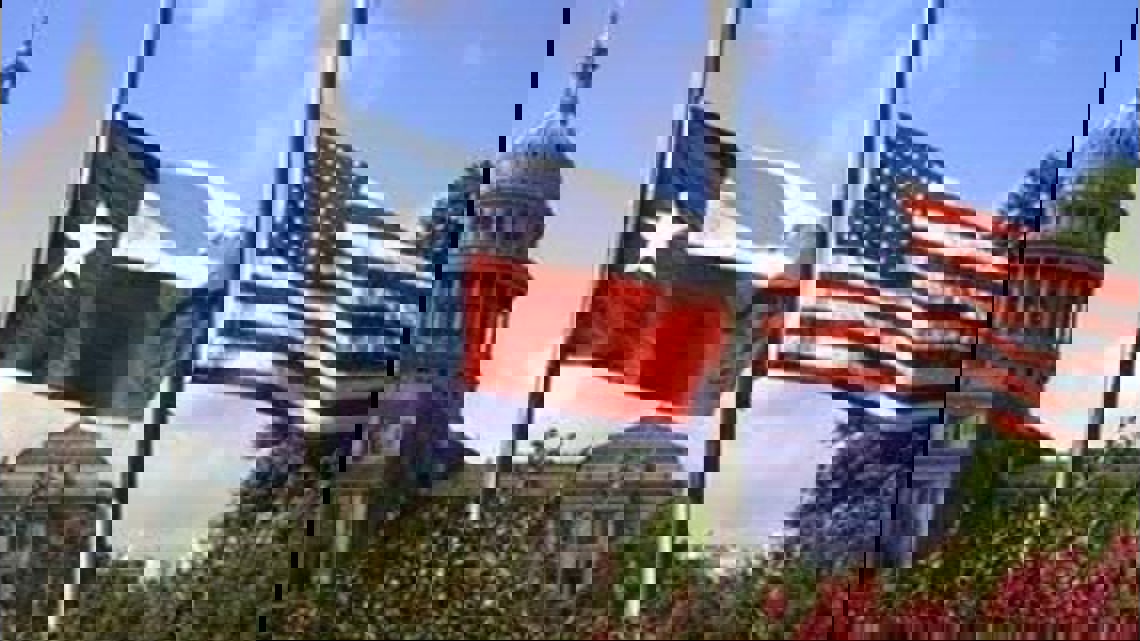
The Message of Mourning and Respect
The lowering of the flag sends an unmistakable message. It is a visual representation of collective grief, a somber acknowledgment of loss that transcends individual sorrow and unites a community, a state, or a nation in shared remembrance. When flags fly at half-staff, they honor those who have passed, particularly individuals who have served the public, such as military personnel, law enforcement officers, firefighters, and other first responders. It also serves as a poignant tribute to victims of tragedies, such as mass casualty events or natural disasters, allowing communities to collectively mourn and reflect.
Beyond specific individuals, half-staff declarations mark important national days of remembrance, such as Memorial Day, Patriot Day on September 11th, and Pearl Harbor Remembrance Day. On these days, the flag’s lowered position is a powerful historical reminder, ensuring that the sacrifices made and lessons learned from past events are never forgotten. For travelers exploring Texas, observing these traditions at sites like the Texas State Capitol in Austin or the historic Alamo in San Antonio offers a unique and often moving glimpse into the state’s values and reverence for its history and heroes.
Primary Reasons for Flag Lowering in Texas
The reasons for a flag to be lowered to half-staff in Texas are typically profound and are always determined by official decree. While specific reasons for “today” would depend on current events, they generally fall into several distinct categories.
Honoring Fallen Public Servants and Military Heroes
One of the most common reasons for flags to be flown at half-staff is to honor the passing of significant public figures or those who have made the ultimate sacrifice in service. This includes current or former Presidents, Vice Presidents, Chief Justices, Speaker of the House, Members of Congress, or the Governor of Texas. When such a prominent individual passes, the lowered flag serves as a national or statewide expression of gratitude for their service and a lament for their loss.
Beyond high-ranking officials, flags are frequently lowered to honor fallen law enforcement officers, firefighters, and military personnel, particularly those from Texas. Each time a first responder or service member from Texas dies in the line of duty, the Governor typically issues a proclamation ordering flags to half-staff to express deep respect and sorrow for their sacrifice. This is a powerful testament to the value placed on public safety and military service within the state, visible at local police stations, firehouses, and military installations, and even at community landmarks and attractions.

Responding to Tragic Events and Community Loss
In times of widespread tragedy, the lowering of flags becomes a visible symbol of collective mourning and resilience. This can include horrific events such as mass shootings, like the devastating incident in Uvalde, or natural disasters that cause significant loss of life and widespread devastation, such as Hurricane Harvey which impacted communities across the Gulf Coast region. In these situations, the flags serve as a rallying point for communities to grieve together, offering a silent tribute to victims and a visual reminder of shared vulnerability and strength.
When flags are lowered due to such events, it can temporarily shift the atmosphere of an area. Visitors to places like San Antonio or Houston might notice a quieter, more reflective mood in public spaces and at popular tourist attractions. This collective moment of sorrow can sometimes provide a deeper, albeit somber, insight into the culture and community spirit of a Texas city, revealing the depth of empathy and unity among its residents. Even at typically vibrant spots like the San Antonio Riverwalk or the Dallas Arts District, the presence of half-staff flags marks a poignant moment in the state’s ongoing narrative.
Commemorating National Observances and Historical Figures
As mentioned, certain dates are designated nationally for flags to be flown at half-staff, regardless of whether a specific event has just occurred. These include:
- Memorial Day: From sunrise until noon, to honor those who died while serving in the United States Armed Forces.
- Patriot Day (September 11th): All day, in remembrance of the victims of the 2001 terrorist attacks.
- Pearl Harbor Remembrance Day (December 7th): All day, honoring those who died in the attack on Pearl Harbor.
- Peace Officers Memorial Day (May 15th): All day, in honor of fallen federal, state, and local peace officers.
Additionally, the President or Governor may order flags to half-staff to honor other significant individuals who have shaped the state or nation, even if they were not elected officials. This could include prominent artists, scientists, business leaders, or philanthropists from Texas whose contributions have left an indelible mark. Such observances serve to remind everyone of the rich tapestry of individuals who contribute to the character and progress of the state and the nation.
How to Ascertain the Reason for Half-Staff in Texas
For those wondering why flags are at half-staff “today” in Texas, there are established methods to quickly find the official reason. This information is crucial for residents and visitors who wish to understand and respect the ongoing moment of remembrance.
Official Sources and Public Announcements
The most reliable source for information regarding flag-lowering directives in Texas is the Office of the Governor of Texas. The Governor’s website typically publishes official proclamations and press releases detailing such orders, including the reason for the directive and the duration of the half-staff period. Federal directives, issued by the President of the United States, are usually announced through the White House website or official press briefings.
Major news outlets, both local Texas news channels and national networks, are also quick to report on flag-lowering orders, providing context and details about the individuals or events being honored. Social media accounts of official government entities and news organizations can also be a timely source of information. Therefore, a quick search online for “Texas flag half-staff today” or checking the Governor’s official communications will usually yield the answer.
Engaging with Local Culture During Times of Mourning
For travelers visiting Texas, observing flags at half-staff offers an opportunity to connect with the local culture and community spirit on a deeper level. While it may mean a somber atmosphere, it also reflects the collective values and empathy of the Texan people. When staying at accommodation in Texas, such as the Grand Hyatt San Antonio River Walk or The Driskill Hotel in Austin, you might notice the flags outside these establishments also adhering to the directive, underscoring the widespread nature of the observance.
This cultural immersion can be educational. It provides insight into the individuals and events that shape the state’s identity and memory. Instead of merely observing a landmark like the Space Center Houston or the Fort Worth Stockyards National Historic District, you become a witness to a living historical moment, a collective pause in the everyday bustle. Engaging with local residents, respectfully asking questions if appropriate, or simply observing the quiet dignity of the moment can enrich your travel experience and foster a greater appreciation for the communities you visit.
The Broader Impact: Flag Etiquette Through the Lens of Travel and Culture
The act of lowering flags to half-staff, while primarily a civic and patriotic gesture, also subtly intersects with the spheres of travel, tourism, and lifestyle. It influences how visitors perceive a destination and how communities present themselves during times of remembrance.
Observing Solemnity at Texas Landmarks and Attractions
Texas boasts an incredible array of landmarks and attractions, from natural wonders like Big Bend National Park and Guadalupe Mountains National Park to iconic cultural sites such as the Dallas World Aquarium, Moody Gardens in Galveston, or the NASA Johnson Space Center in Houston. During periods of national or state mourning, the flags displayed at these very locations will be lowered, offering a striking visual contrast to their usual vibrant atmosphere.
For a tourist, encountering flags at half-staff at a major attraction can add an unexpected layer of depth to their visit. It serves as a reminder that these places are not just leisure spots but are part of a larger civic and cultural landscape. Whether you’re exploring the historic Texas State Capitol, enjoying the San Antonio Riverwalk, or even visiting a resort like the Gaylord Texan Resort & Convention Center, the respectful lowering of the flag underscores the state’s values. It encourages a moment of reflection, allowing visitors to connect with the gravity of the occasion and the shared human experience of remembrance. This solemn display, far from detracting from the travel experience, often enriches it by providing a more holistic understanding of the destination.
The Ripple Effect on Local Communities and Visitor Experiences
While the immediate impact of a half-staff declaration is symbolic, it can create a ripple effect throughout local communities. Businesses, schools, and private citizens often follow suit, creating a widespread visual narrative of shared grief. This collective mood can be palpable, particularly in smaller towns or areas directly affected by a tragedy.
For visitors, this might translate into a slightly quieter atmosphere in public spaces, perhaps more subdued conversations, or even special local commemorations. Hotels and accommodation providers, like the Four Seasons Hotel Austin or the Ritz-Carlton, Dallas, often participate in these observances, reflecting their integration into the community fabric. This shared experience can foster a unique connection between travelers and the places they visit, providing insights into the Texan lifestyle and its emphasis on community, patriotism, and respect. It highlights the resilience of the people and their ability to unite in times of sorrow, reminding us that travel is not just about seeing sights but about understanding cultures and shared human values. Observing these moments allows for a deeper appreciation of the state beyond its attractions and destinations.
A Deeper Understanding of Texan Lifestyle and Resilience
The recurring act of lowering flags to half-staff is a fundamental aspect of the Texan lifestyle, deeply intertwined with its sense of identity and history. It reflects a culture that values service, honors sacrifice, and faces tragedy with collective dignity. From the vibrant energy of Austin to the historical gravitas of San Antonio and the rugged beauty of West Texas, the symbol of a flag at half-staff transcends political divides and unites citizens in a common purpose: to remember, to honor, and to mourn.
For those engaging in budget travel or luxury travel, for family trips or business stays, encountering this tradition provides a profound cultural lesson. It speaks volumes about the character of Texas – a state that is proud, resilient, and deeply respectful of its heritage and its people. Understanding “Why Is Flag Half Mast Today In Texas?” goes beyond a simple answer; it’s an invitation to appreciate the depth of emotion and the strength of community that defines the Lone Star State. It reminds us that even amidst the pursuit of memorable experiences, there are moments when reflection and remembrance take precedence, leaving a lasting impression on the heart and mind.
LifeOutOfTheBox is a participant in the Amazon Services LLC Associates Program, an affiliate advertising program designed to provide a means for sites to earn advertising fees by advertising and linking to Amazon.com. Amazon, the Amazon logo, AmazonSupply, and the AmazonSupply logo are trademarks of Amazon.com, Inc. or its affiliates. As an Amazon Associate we earn affiliate commissions from qualifying purchases.