
Planning a trip to the Grand Canyon State is an exciting endeavor, filled with visions of vibrant red rock landscapes, sun-drenched deserts, and unique Southwestern culture. Whether you’re dreaming of a luxurious escape in Scottsdale, an adventurous hike in Sedona, or exploring the bustling city life of Phoenix, understanding the local costs is crucial for any traveler. Beyond the obvious expenses like flights, hotels, and attraction tickets, one often overlooked aspect that can significantly impact your travel budget is sales tax.
Arizona, like most states, imposes a sales tax on goods and services, but its system can be a bit more complex than a simple flat rate. It’s not just a statewide tax; various counties and cities layer their own rates on top, creating a patchwork of different sales tax percentages across the state. For tourists, this means that the price you see on a menu or a souvenir might not be the final price you pay. Being aware of these additional costs can help you better plan your finances, avoid surprises, and ensure a smoother, more enjoyable Arizona adventure. This comprehensive guide will break down the intricacies of Arizona sales tax, focusing on what travelers need to know to budget effectively for accommodation, dining, shopping, and various activities during their visit.
Understanding Arizona’s Sales Tax System
The sales tax system in Arizona is officially referred to as a Transaction Privilege Tax (TPT). While it functions similarly to a sales tax from a consumer’s perspective—you pay it on purchases—it’s legally levied on the seller for the privilege of doing business in the state. However, businesses typically pass this cost onto the consumer, which is why it’s commonly known and experienced as a sales tax. This distinction is mostly administrative, but understanding that it’s a TPT can sometimes explain the nuances in how different transactions are taxed.
The core of Arizona’s sales tax system is its multi-layered approach. There’s a state-imposed base rate, and then counties and municipalities (cities and towns) have the authority to add their own rates on top of that. This means that depending on where you are in Arizona, the total sales tax you pay can vary significantly. For travelers moving between different destinations, keeping track of these variations is key to managing expenses.
The State’s Base Rate
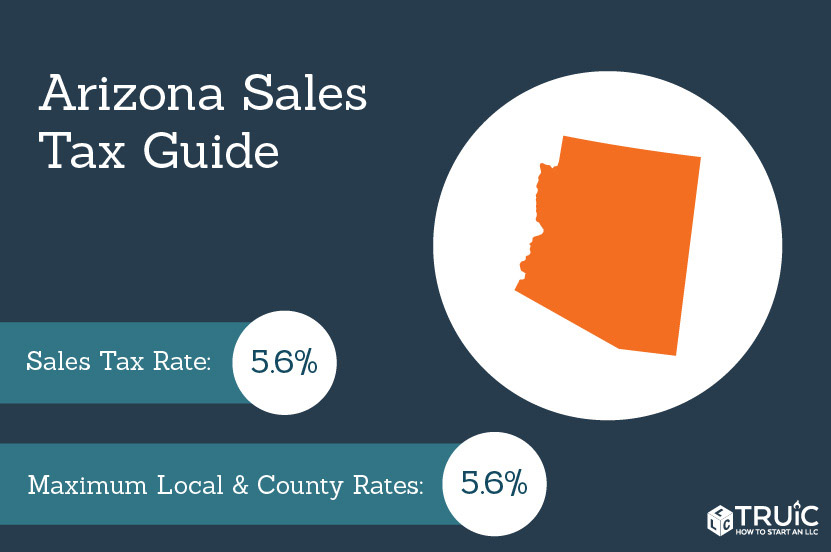
At the heart of the system is the statewide sales tax rate. This rate applies uniformly across all jurisdictions in Arizona before any local taxes are added. As of our last update, the state sales tax rate is 5.6%. This is the foundational percentage that will always be part of your sales tax calculation, no matter where you are in the state. It’s important to note that tax rates, like many economic policies, can change over time, so it’s always a good practice to check for the most current information, especially if planning a trip far in advance.
This base rate covers a wide range of tangible personal property, including most retail purchases you might make as a tourist. From souvenirs and clothing to electronics and general merchandise, the 5.6% state tax will be applied. However, certain services and specific categories of goods may be taxed differently or even exempt. For instance, groceries are generally exempt from the state’s TPT, which is a relief for those planning to cook some meals at their apartment or villa rental to save money. This exemption primarily applies to uncooked food items intended for home consumption, not prepared foods from restaurants.
Local Taxes: County and City Variations
Where the system truly introduces complexity for travelers is in the addition of local taxes. Both counties and individual cities within those counties can levy their own sales tax rates. This means that the combined sales tax rate can differ dramatically even between two towns just a short drive apart.
County Taxes: Each of Arizona’s 15 counties can impose its own sales tax. These rates are typically lower than city rates but still add to the total. For example, Maricopa County, home to Phoenix and Scottsdale, has a county tax rate. Pima County, where Tucson is located, also has its own rate. These county-level taxes are generally applied across the entire geographical area of the county, meaning any city or unincorporated area within that county will include this tax in their calculations.
City Taxes: On top of the state and county taxes, individual cities and towns across Arizona have the authority to add their own municipal sales tax. These city rates vary widely, reflecting local government needs and priorities. It’s these city taxes that often create the biggest differences in total sales tax rates from one destination to another. For instance, the city of Phoenix has a specific rate, as does Tucson, Flagstaff, and smaller towns like Sedona or Page. These rates can range from less than 1% to over 2% or even 3% in some areas, significantly impacting the final price of goods and services.
The combined effect means that when you make a purchase, you’re paying the state sales tax + the county sales tax + the city sales tax. This layered approach necessitates checking the local rates for each specific city or town you plan to visit, particularly for major purchases or extended stays. Many online resources and the Arizona Department of Revenue website offer lookup tools to determine exact rates for specific locations.
Sales Tax Impact on Your Arizona Trip
For travelers, sales tax isn’t just an abstract number; it’s a real-world cost that affects almost every aspect of their journey. From where you sleep to what you eat and the activities you enjoy, understanding how sales tax applies can help you create a more realistic travel budget. Arizona’s unique appeal lies in its diverse offerings, from luxurious resorts and vibrant city centers to serene natural landmarks. Each experience comes with its own tax implications.
Accommodation Taxes: Lodging & Resorts
Perhaps one of the most significant areas where sales tax impacts travelers is on accommodation. When you book a hotel room, a suite, an apartment, or stay at a resort or villa in Arizona, you’re not just paying the advertised room rate. You’ll also encounter what’s often referred to as a “transient occupancy tax,” “lodging tax,” or “bed tax.” These are specific taxes applied to short-term rentals and are crucial revenue sources for local governments, often earmarked for tourism promotion and infrastructure.
These accommodation taxes are typically a combination of the standard state, county, and city sales taxes plus additional specific lodging taxes imposed by the municipality or county. For example, a city might have a 5.6% state sales tax, a 0.7% county sales tax, a 2.3% city sales tax, and then an additional 3-5% lodging tax. This means that your nightly room rate could see an additional 10-14% (or even more in some popular tourist destinations) added to the bill.
For a traveler on a budget travel plan, this can be a substantial difference over several nights. Conversely, those indulging in luxury travel at a high-end resort in Scottsdale could find hundreds of dollars added to their total bill for a week-long stay due to these combined taxes. Always look for the “total price” or clarify if taxes and fees are included when booking your accommodation to avoid sticker shock upon checkout. Some online booking platforms are good at showing the full price, while others might only list the base rate initially.
Dining, Shopping, and Activities
Beyond your sleeping arrangements, sales tax will be a constant companion for almost every other expense during your trip.
- Dining: When you enjoy a meal at one of Arizona’s fantastic restaurants, cafes, or food trucks, the combined state, county, and city sales tax will be applied to your entire bill. This includes both food and beverages, alcoholic or not. While uncooked groceries are typically exempt from the TPT, prepared foods consumed on-site or purchased for immediate consumption (like takeout from a restaurant) are fully taxable. This is an important distinction for families or individuals trying to manage their food budget.
- Shopping: Whether you’re hunting for Southwestern art in Sedona, designer clothing in Scottsdale boutiques, or a practical souvenir from the Grand Canyon, you’ll pay the prevailing combined sales tax rate of that specific location on almost all tangible goods. This applies to gifts, clothing, electronics, books, and almost anything else you buy in a retail store.
- Activities & Attractions: Tickets for most tourist attractions like museums, theme parks, organized tours (e.g., jeep tours, hot air balloon rides), and entry fees for certain landmarks are also generally subject to sales tax. This means the advertised price for that Grand Canyon helicopter tour or entry to the Musical Instrument Museum in Phoenix will likely have additional sales tax added at the point of purchase. Recreational services, such as spa treatments at resorts or guided hiking experiences, also typically fall under the taxable umbrella.
Transportation and Car Rentals
If you plan on renting a car to explore the vast landscapes of Arizona, sales tax will be a factor here as well. The rental fee for vehicles is subject to the combined state, county, and city sales tax. Additionally, car rentals in Arizona often have several other surcharges and fees that are not sales tax but add to the total cost. These can include a rental car surcharge, a vehicle licensing tax, and airport concession fees if you pick up the car at an airport. While these aren’t sales tax, they contribute to the overall “tax and fee” line item on your rental agreement and are important to factor into your transportation budget. Public transportation fares, on the other hand, like bus or light rail tickets in Phoenix or Tucson, are generally exempt from sales tax, making them a more tax-efficient way to get around urban areas.
Budgeting for Sales Tax: Tips for Travelers
Navigating the sales tax landscape in Arizona doesn’t have to be daunting. With a little foresight and planning, you can incorporate these costs into your travel budget effectively, ensuring a stress-free trip. Whether you’re on a tight budget or enjoying a lavish getaway, being informed is your best tool.
Planning Ahead for Unexpected Costs
The most crucial step is to acknowledge that sales tax is an unavoidable part of nearly every transaction. Instead of calculating exact percentages for every single purchase, a good rule of thumb is to factor in an additional 10-15% on top of your estimated costs for taxable items and services. For areas with higher combined rates or significant lodging taxes, leaning towards the higher end of this range (or even slightly above) provides a safer buffer.
- Research Specific Locations: Before you finalize your itinerary, do a quick search for the combined sales tax rate in the specific cities and counties you plan to visit. The Arizona Department of Revenue website is an excellent resource, often providing a searchable database for current rates. Knowing, for example, that Phoenix has a certain combined rate, while Flagstaff has another, allows you to anticipate costs.
- Estimate Total Taxable Spending: Roughly estimate how much you expect to spend on accommodations, dining out, shopping, and activities. Then, apply a conservative estimated combined sales tax percentage to these categories. Don’t forget to account for those specific lodging taxes which can add several percentage points to your hotel bills.
- Utilize “All-Inclusive” Options (with caution): While truly all-inclusive resorts are less common for lodging-only stays in Arizona compared to international destinations, some resorts may offer packages that bundle certain meals, activities, or amenities. When considering these, always clarify if all taxes and service charges are genuinely included in the single advertised price to avoid hidden fees.
- Set Aside a Buffer Fund: Beyond your main budget, allocate a small contingency fund (e.g., 5-10% of your total estimated trip cost). This fund can absorb any unforeseen sales tax differences or other minor unexpected expenses, providing peace of mind.
Exploring Tax Exemptions
While most goods and services are subject to Arizona’s TPT, there are a few notable exemptions that can be beneficial for travelers, particularly those on a budget travel plan.
- Groceries: As mentioned earlier, most unprepared food items purchased at grocery stores for home consumption are exempt from the state’s TPT. This means if you’re staying in an accommodation with a kitchen (like an apartment rental, villa, or suite with amenities like a kitchenette), buying ingredients to prepare your own meals can lead to significant savings compared to dining out, where the full combined sales tax applies. This includes items like fresh produce, meats, dairy, and packaged staple foods. However, be mindful that prepared foods, hot foods, and restaurant meals are generally taxable.
- Prescription Medications: Prescription drugs are typically exempt from sales tax, which is important for any traveler who might need to refill a prescription during their trip.
- Certain Services: While many services are taxed, some professional services (like medical services or legal services, though hopefully not relevant for a typical tourist!) might be exempt. However, services directly related to tourism, such as guided tours or spa treatments, are usually taxable.
Understanding these exemptions can help you make informed decisions, such as opting to cook some meals or choosing where to purchase certain items. For the average tourist, the grocery exemption is likely the most relevant and impactful in terms of daily spending.
Key Arizona Destinations and Their Tax Rates
To give you a clearer picture, let’s look at some popular Arizona destinations and their typical combined sales tax rates. Remember, these are general figures and can change, so always verify the latest information.
Phoenix and Maricopa County
Phoenix is the capital and largest city in Arizona, a major hub for business, tourism, and lifestyle. It’s part of Maricopa County, which is also home to other popular tourist cities like Scottsdale, Mesa, and Tempe.
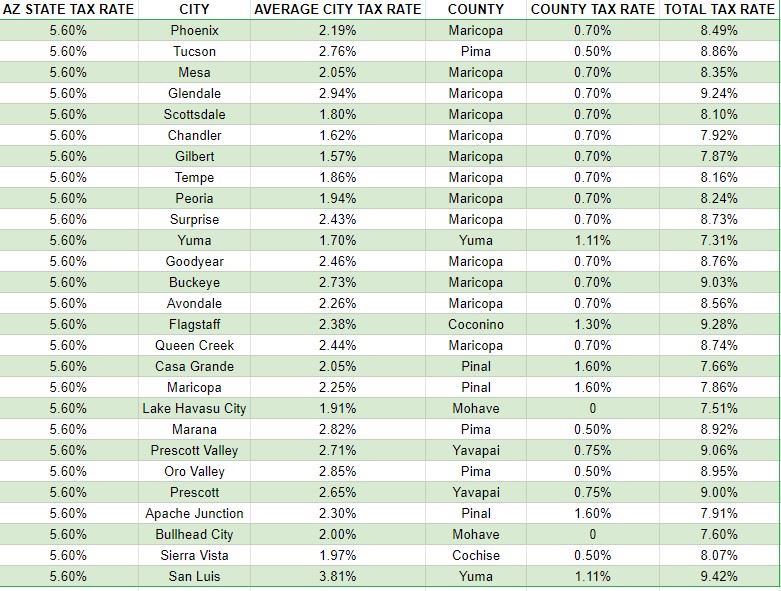
- State Sales Tax: 5.6%
- Maricopa County Sales Tax: 0.7%
- City of Phoenix Sales Tax: 2.3%
- Combined Rate in Phoenix (General): Approximately 8.6%
- Scottsdale’s Combined Rate (General): Approximately 8.05% (Scottsdale’s city rate is 1.75%)
These rates apply to most retail purchases, dining, and many services. For accommodations in Phoenix and Scottsdale, you’ll also pay additional lodging taxes, which can push the total tax on your hotel or resort bill significantly higher, often exceeding 12-14% when all taxes and specific local fees are combined. This is especially true in upscale destinations like Scottsdale, known for its luxury travel offerings and world-class resorts.
Tucson and Pima County
Tucson, located in southern Arizona, offers a distinct cultural experience with its Sonoran Desert beauty and Old West heritage. It sits within Pima County.
- State Sales Tax: 5.6%
- Pima County Sales Tax: 0.5% (This rate can vary, always check current figures)
- City of Tucson Sales Tax: 2.6%
- Combined Rate in Tucson (General): Approximately 8.7%
Similar to Phoenix, Tucson also imposes additional lodging taxes on hotel and resort stays, which will add several percentage points to your accommodation bill on top of the general sales tax.
Flagstaff, Sedona, and Northern Arizona
Northern Arizona is a diverse region encompassing the towering pine forests of Flagstaff, the iconic red rock country of Sedona, and the majestic Grand Canyon. These areas are located in Coconino County or Yavapai County.
-
State Sales Tax: 5.6%
-
Coconino County Sales Tax: 0.5% (for most of the county)
-
City of Flagstaff Sales Tax: 2.26%
-
Combined Rate in Flagstaff (General): Approximately 8.36%
-
Sedona (Partially Coconino, Partially Yavapai Counties):
- Sedona’s city sales tax is generally higher than Flagstaff’s, reflecting its status as a major tourism destination. Depending on which county you’re in, the county rate might differ slightly, but Sedona’s city tax can be around 3.5%, leading to combined rates easily over 9.5-10%.
Again, factor in specific lodging taxes for hotels, resorts, and vacation rentals in these areas. Sedona, in particular, relies heavily on tourism revenue, so expect lodging taxes to be a notable addition to your bill. For travelers visiting the Grand Canyon National Park, purchases made within the park itself, such as at gift shops or restaurants, will be subject to the prevailing state and Coconino County sales tax, plus any specific park fees.
In conclusion, understanding “how much is Arizona sales tax” is more than just knowing a single number; it’s about appreciating a dynamic, layered system that impacts nearly every aspect of your travel budget. By doing a bit of homework on your specific destinations, factoring in conservative estimates, and utilizing available exemptions, you can ensure your Arizona adventure is as financially smooth as it is unforgettable. Don’t let unexpected taxes detract from the magic of the Southwest; plan smart and enjoy every moment of your journey through this incredible state.
LifeOutOfTheBox is a participant in the Amazon Services LLC Associates Program, an affiliate advertising program designed to provide a means for sites to earn advertising fees by advertising and linking to Amazon.com. Amazon, the Amazon logo, AmazonSupply, and the AmazonSupply logo are trademarks of Amazon.com, Inc. or its affiliates. As an Amazon Associate we earn affiliate commissions from qualifying purchases.