
One of the most common questions travelers and newcomers often ask about the desert landscape of the American Southwest is regarding its time zone. When planning a trip to the vast and diverse state of Arizona, understanding its unique approach to timekeeping is not just a matter of trivial information; it’s a critical piece of the puzzle for seamless travel planning, hotel bookings, and maximizing your tourism experiences. The simple answer to “Is Arizona in the Pacific Time Zone?” is generally “no,” but the full explanation involves a fascinating quirk of time that has significant practical implications for visitors.
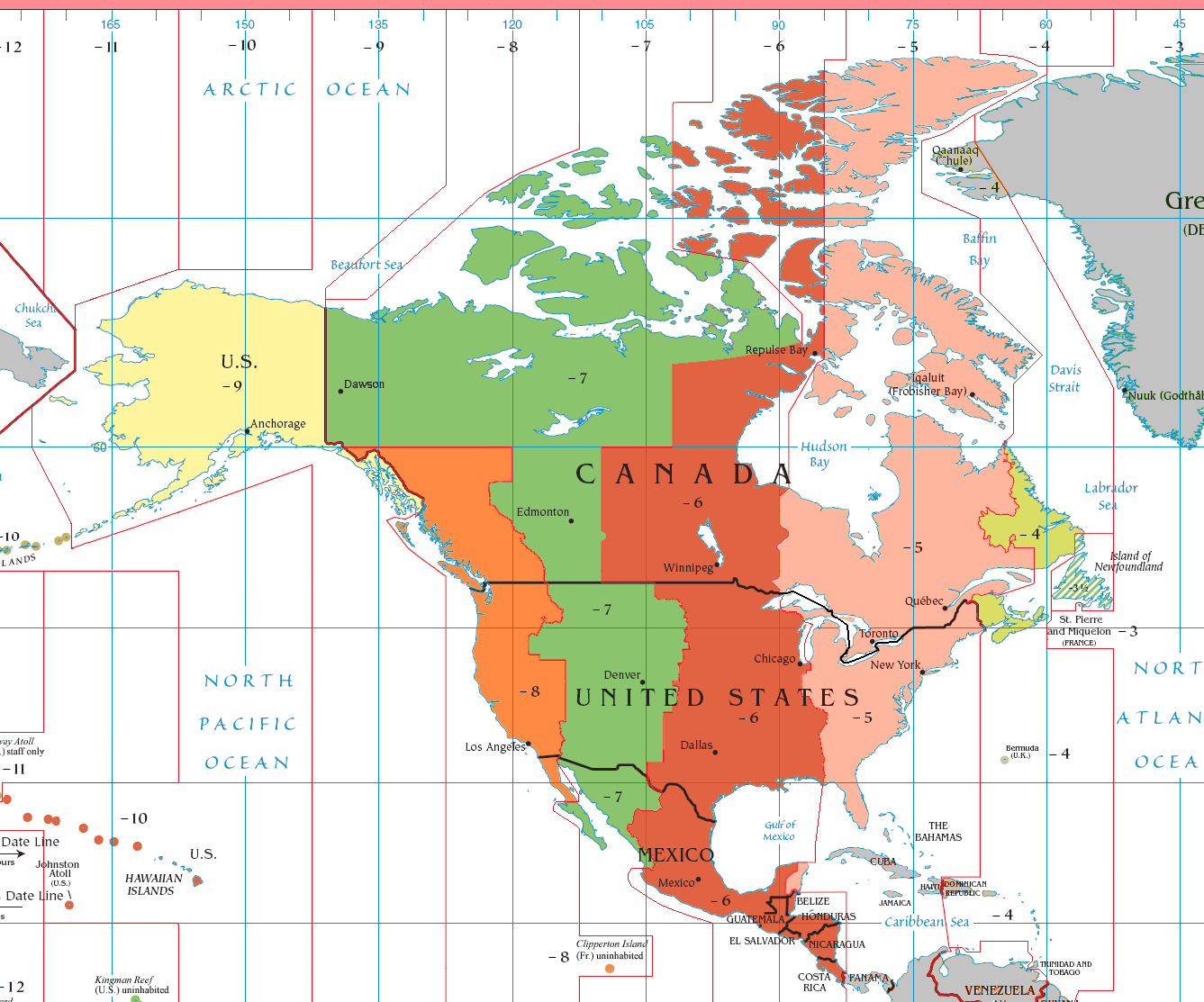
Unlike most of the United States, Arizona largely does not observe Daylight Saving Time. This singular decision creates a shifting relationship with its neighboring time zones, especially the Pacific Time Zone, which can initially confuse even the most seasoned globetrotters. This guide delves into the specifics of Arizona’s time zone, its historical reasons, the impact on different regions, and crucially, how it affects your travel plans, from coordinating accommodation to exploring iconic landmarks.
The Curious Case of Arizona’s Time Zone: Mountain Standard Time Year-Round
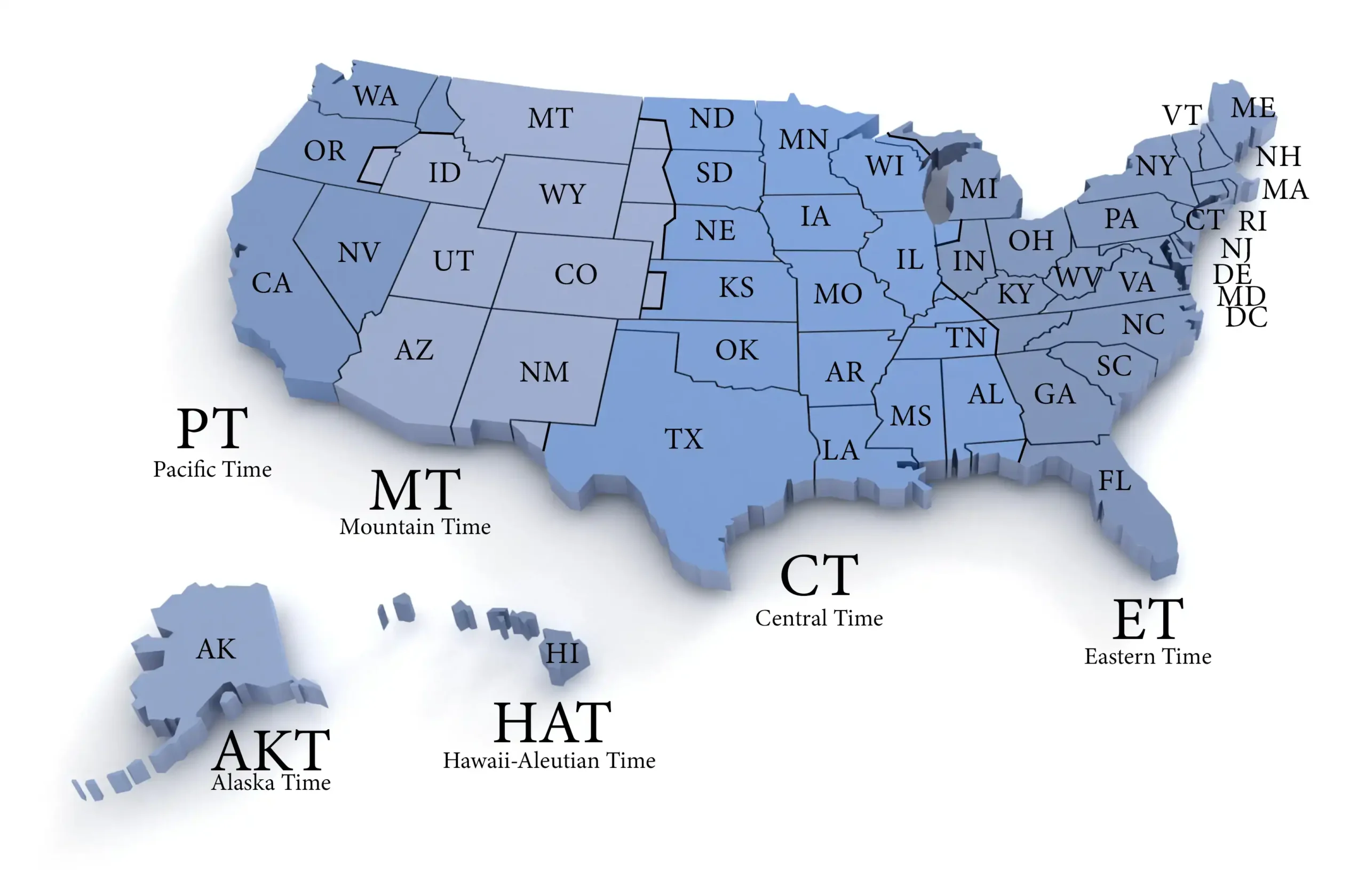
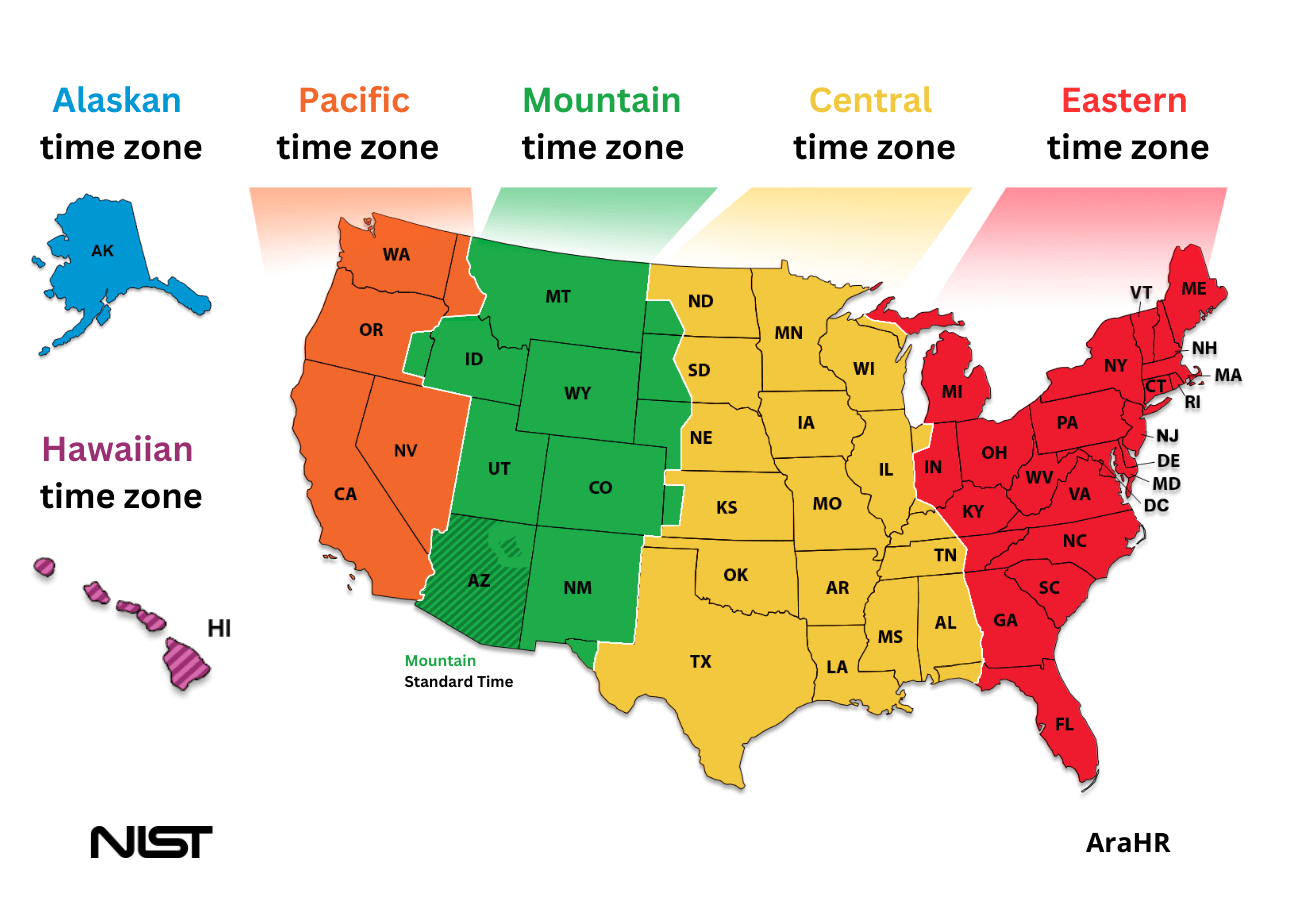
At its core, Arizona is located within the Mountain Time Zone. However, its unique distinction stems from its decision to forego Daylight Saving Time (DST). This means that while other states in the Mountain Time Zone (like Utah, Colorado, and New Mexico) “spring forward” an hour in March and “fall back” an hour in November, Arizona steadfastly remains on Mountain Standard Time (MST) throughout the entire year.
Understanding Mountain Standard Time (MST)
Mountain Standard Time is defined as UTC-7 (Coordinated Universal Time minus seven hours). When the rest of the United States and other countries observe Daylight Saving Time, they effectively move their clocks an hour forward. This shift causes the neighboring Mountain Time Zone states to switch to Mountain Daylight Time (MDT), which is UTC-6. Meanwhile, the Pacific Time Zone states like California and Nevada switch from Pacific Standard Time (PST, UTC-8) to Pacific Daylight Time (PDT, UTC-7).
This is where the confusion, and the unique alignment, arises. For roughly half the year, from March to November, when most of the United States observes Daylight Saving Time, [Arizona](https://lifeoutofthebox.com/arizona]’s constant Mountain Standard Time (UTC-7) perfectly aligns with Pacific Daylight Time (PDT, UTC-7). This means that during the warmer months, if you’re traveling from Los Angeles or Las Vegas to Phoenix, you won’t need to change your watch. They’ll both be on the same clock.
However, during the winter months, from November to March, when DST ends, California and Nevada revert to Pacific Standard Time (PST, UTC-8). At this point, [Arizona](https://lifeoutofthebox.com/arizona], still on Mountain Standard Time (UTC-7), will be one hour ahead of the Pacific Time Zone. It also means Arizona will be one hour behind other Mountain Time Zone states that are now on MST (UTC-7) again, having “fallen back.” Confused yet?
The Daylight Saving Time Anomaly: Why Arizona Opted Out
The primary reason Arizona does not observe Daylight Saving Time is rooted in its extreme desert climate. The purpose of DST is typically to extend daylight into the evening, saving energy and providing more daylight hours for activities. However, in a state where summer temperatures can regularly exceed 100°F (38°C), extending daylight into the evening means extending the hottest part of the day. Forcing residents to start their days earlier in the summer would mean more time exposed to intense heat and higher energy consumption for air conditioning.
By remaining on Mountain Standard Time year-round, Arizona effectively shifts more daylight into the cooler morning hours, allowing people to complete outdoor tasks and commute before the scorching afternoon sun reaches its peak. This practical decision aligns with the lifestyle of its residents and contributes to the overall well-being and energy efficiency of the state.
Navigating Time Across Arizona: A Traveler’s Guide
For travelers, understanding Arizona’s time zone policy is paramount for a smooth and enjoyable trip. Missing a reservation, a tour departure, or a flight connection due to a time zone miscalculation can be a frustrating experience.
Impact on Major Destinations
Major cities and landmarks across Arizona consistently adhere to Mountain Standard Time year-round. This includes bustling urban centers like Phoenix and Tucson, as well as popular tourist destinations such as Sedona, Flagstaff, and the world-renowned Grand Canyon National Park.
- Phoenix and Tucson: As the state’s largest metropolitan areas, these cities are the primary gateways for many visitors. Whether you’re flying into Phoenix Sky Harbor International Airport or Tucson International Airport, remember to set your watch to MST upon arrival. This is crucial for checking into your resort or meeting local contacts.
- Grand Canyon National Park: Perhaps the most iconic landmark in Arizona, the Grand Canyon operates on MST year-round. This is especially important for those planning sunrise or sunset viewing, guided hikes, or helicopter tours. If you’re coming from Las Vegas (Pacific Time Zone) during DST, your times will align. During standard time, you’ll gain an hour when heading east to the Grand Canyon. The Grand Canyon Village on the South Rim and the North Rim all follow this.
- Sedona and Flagstaff: These popular northern Arizona destinations, known for their stunning red rock formations and cooler climate, also stick to MST. Plan your excursions, spa appointments, and dining reservations accordingly.
The Navajo Nation Exception
Just when you thought you had a handle on Arizona’s time zone, there’s a significant exception: the Navajo Nation. This vast semi-autonomous territory, which extends into Utah and New Mexico, does observe Daylight Saving Time.
This means that for half the year, from March to November, when the rest of Arizona is on MST (UTC-7), the Navajo Nation switches to Mountain Daylight Time (MDT, UTC-6). Effectively, this puts the Navajo Nation one hour ahead of the rest of Arizona during DST.
This is extremely important for travelers visiting iconic sites located within the Navajo Nation, such as Monument Valley, Antelope Canyon, Horseshoe Bend, and Canyon de Chelly National Monument. If you drive from Flagstaff to Page (which is near Antelope Canyon but not in the Navajo Nation), you stay on MST. However, if you continue into the Navajo Nation to visit Monument Valley, you’ll need to adjust your clock forward an hour during DST.
An additional layer of complexity: The Hopi Reservation, which is entirely surrounded by the Navajo Nation, does not observe Daylight Saving Time. So, if you’re traveling through the Navajo Nation and pass into the Hopi Reservation, you’d briefly change back to MST, only to change forward again when you leave the Hopi Reservation and re-enter the Navajo Nation! While the Hopi Reservation is less frequented by tourists than the Navajo Nation, it’s a fascinating example of the intricate timekeeping landscape within Arizona. Always confirm local times for your specific destination, especially when dealing with tour operators or specific tribal lands.
Planning Your Arizona Itinerary
To avoid any confusion, always assume that [Arizona](https://lifeoutofthebox.com/arizona] (outside of the Navajo Nation) is on Mountain Standard Time year-round.
- During Daylight Saving Time (March-November): Arizona will be the same time as California and Nevada (PDT). It will be one hour behind Utah, Colorado, and New Mexico (MDT). The Navajo Nation will also be one hour ahead of the rest of Arizona (on MDT).
- During Standard Time (November-March): Arizona will be one hour ahead of California and Nevada (PST). It will be the same time as Utah, Colorado, and New Mexico (MST). The Navajo Nation will be on the same time as the rest of Arizona (both on MST).
Many smartphones and modern devices automatically adjust time zones, but it’s always wise to double-check, especially when crossing into the Navajo Nation or coordinating with people in different states.
Why Arizona’s Time Zone Matters for Your Trip
Beyond the initial confusion, Arizona’s time zone choice significantly impacts various aspects of a traveler’s journey, influencing everything from booking logistics to the enjoyment of local experiences.
Seamless Hotel Bookings and Accommodation Arrangements
When planning your stay, whether it’s a luxury resort in Scottsdale, a charming boutique hotel in Sedona, or a cozy vacation rental near the Grand Canyon, confirming check-in and check-out times is critical. Hotels across Phoenix’s Maricopa County or Tucson’s Pima County, such as The Phoenician, a Luxury Collection Resort, Scottsdale or The Ritz-Carlton, Dove Mountain, will operate on MST year-round.
If you’re flying in from California during DST, you’ll find your arrival time perfectly matches the local time, simplifying coordination. However, during standard time, if you arrive from the Pacific Time Zone, you’ll effectively “lose” an hour, so a noon flight arrival means 1 PM local time in Arizona. Planning for this can prevent unnecessary stress and ensure you make the most of your booked accommodation from the moment you land. Similarly, if you are arriving from New York, the time difference will be 3 hours during DST, and 2 hours during standard time, making it crucial for connecting with hotel staff or confirming airport transfers.
Maximizing Your Travel Experiences at Landmarks
Arizona is a treasure trove of natural wonders and historical landmarks. From the awe-inspiring vistas of the Grand Canyon to the vibrant energy vortexes of Sedona, and the ancient cliff dwellings of Montezuma Castle National Monument, precise timing is often key to unlocking the best experiences.
- Grand Canyon Sunrise/Sunset: Many visitors flock to the Grand Canyon for its spectacular sunrises and sunsets. These times are always published in local Mountain Standard Time. If you are driving from a state that observes DST, ensure your clock is correctly set to avoid missing these breathtaking moments. Operators like Xanterra Parks & Resorts, who manage many Grand Canyon accommodations and services, will always use local time.
- Antelope Canyon Tours: These popular slot canyon tours, located near Page within the Navajo Nation, are a prime example where the DST exception becomes critical. During DST, tour times will be one hour ahead of the time in Page or Flagstaff. Missing your timed entry tour could mean forfeiting your booking, as these tours are often sold out months in advance. Always confirm the local time with your tour provider.
- National Parks and State Parks: All National Park Service sites and Arizona State Parks, including Saguaro National Park, Petrified Forest National Park, and Kartchner Caverns State Park, operate on Mountain Standard Time (except for those within the Navajo Nation). Opening and closing hours for visitor centers, gift shops, and trails will strictly adhere to this time.
Embracing the Arizona Lifestyle
The decision to forgo Daylight Saving Time isn’t just a technicality; it’s deeply embedded in the Arizona lifestyle. Locals are accustomed to the consistent time, which impacts everything from school schedules to business hours and daily routines.
For visitors, this consistency can be a blessing. It means less adjustment fatigue if you’re staying for an extended period. Enjoying outdoor activities like hiking in the Sonoran Desert, playing golf in Scottsdale, or exploring historical towns like Tombstone or Bisbee can be planned with a reliable internal clock. The unique time zone helps optimize the coolest parts of the day for activity and allows for a more relaxed evening, often filled with stunning sunsets over the Superstition Mountains or along the Colorado River.
Furthermore, coordinating with local businesses for spa treatments, dinner reservations in Old Town Scottsdale, or special event tickets will be straightforward as long as you account for Arizona’s fixed MST.
Practical Tips for a Timely Arizona Adventure
To ensure your Arizona travel experience is as smooth as the Sonoran Desert landscape, here are some actionable tips regarding time zones:
- Always Verify Local Time: When booking any service, tour, or accommodation in Arizona, double-check the operating hours and appointment times against the current date. Websites and confirmation emails should clearly state the local time.
- Be Mindful of the Navajo Nation: This is the most crucial exception. If your itinerary includes Monument Valley, Antelope Canyon, or any other area within the Navajo Nation, specifically confirm whether the activities observe Daylight Saving Time. Tour companies operating in these areas are generally very clear about the time difference. The Havasupai Tribe and their iconic Havasu Falls also follow Arizona’s non-DST rule.
- Utilize Technology Wisely: While smartphones automatically update, sometimes GPS-based apps can be slow to adjust, especially in remote areas. Manually set your phone to “MST” or “GMT-7” if you want absolute certainty, or have a reliable analog watch as a backup.
- Communicate Clearly: If you’re meeting friends, family, or business contacts who are arriving from other states, explicitly confirm the meeting time in “Arizona time” or “local Mountain Standard Time.”
- Consider Your Origin: Your starting point impacts your time adjustment. If coming from the Pacific Time Zone, remember the alignment during DST and the one-hour difference during standard time. If traveling from the Central or Eastern Time Zones, simply subtract two or three hours (respectively) from the time when Arizona is on MST and the rest are on DST, and one or two hours during standard time.
In conclusion, while Arizona is geographically situated within the Mountain Time Zone, its refusal to observe Daylight Saving Time creates a unique temporal relationship with the rest of the United States. For visitors, this means that for much of the year, Arizona effectively operates on the same time as the Pacific Time Zone (specifically Pacific Daylight Time). This distinctive approach is a part of Arizona’s charm and character, an adaptation to its natural environment that ensures the comfort and convenience of its residents and contributes to its unique lifestyle. With a little awareness and careful planning, your Arizona adventure will be perfectly timed, allowing you to fully immerse yourself in its breathtaking beauty and vibrant culture.
LifeOutOfTheBox is a participant in the Amazon Services LLC Associates Program, an affiliate advertising program designed to provide a means for sites to earn advertising fees by advertising and linking to Amazon.com. Amazon, the Amazon logo, AmazonSupply, and the AmazonSupply logo are trademarks of Amazon.com, Inc. or its affiliates. As an Amazon Associate we earn affiliate commissions from qualifying purchases.