
Venturing through the heart of the American South, a journey through Alabama promises a rich tapestry of history, vibrant culture, and stunning natural beauty. From the pristine beaches of the Gulf Coast to the rolling foothills of the Appalachians, and from bustling metropolitan areas to quaint small towns, the Yellowhammer State offers an unparalleled experience for every type of traveler. Whether you’re seeking luxury resorts, charming bed and breakfasts, or budget-friendly accommodations, Alabama caters to diverse lifestyles and preferences.
However, beyond the allure of its destinations and attractions, understanding the economic undercurrents of any region can significantly enhance a traveler’s perspective and decision-making, particularly concerning budgeting and local interactions. One such crucial aspect, often overlooked by visitors but deeply impacting the local populace and the service industry they rely on, is the minimum wage. While it might seem like a purely economic topic, the minimum wage in Alabama plays a subtle yet significant role in shaping the cost of services, the vibrancy of local economies, and the overall lifestyle enjoyed by residents and those who serve the tourism sector. For travelers keen on supporting local communities and understanding the broader context of their visit, delving into Alabama’s minimum wage landscape offers valuable insights into the state’s economic fabric and the people who make it a memorable travel destination.
Understanding Alabama’s Minimum Wage Landscape
When planning a trip or considering a long-term stay in any destination, a foundational understanding of the local economy is invaluable. For Alabama, this begins with its approach to the minimum wage, which diverges from many other states across the United States. This unique position has broad implications, influencing everything from the cost of living for its residents to the operational dynamics of the hospitality sector that welcomes millions of visitors annually.
The Federal Standard: Alabama’s Default
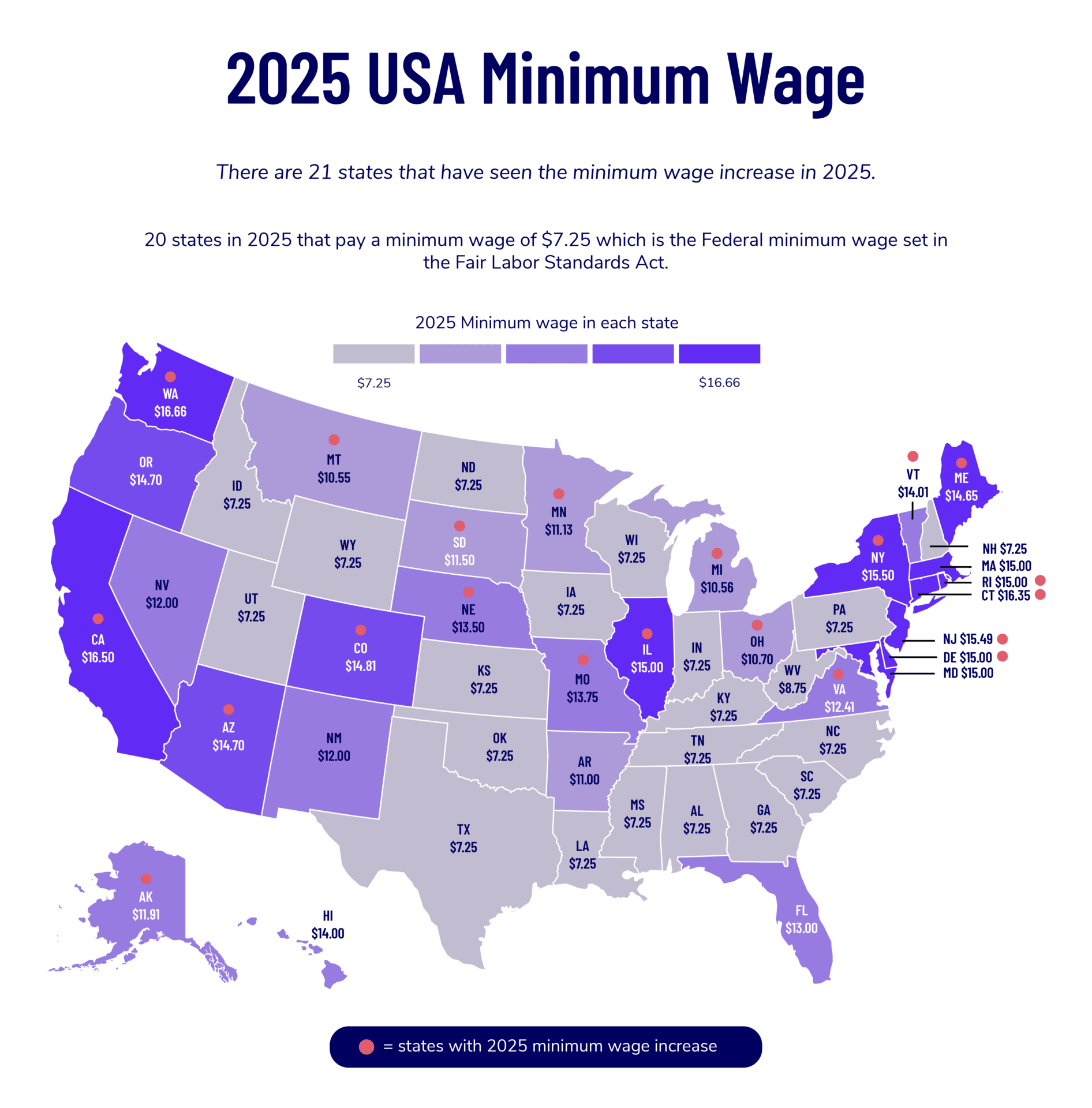
Unlike the vast majority of U.S. states that have established their own state-specific minimum wage laws, Alabama does not. This means that, by default, employers in Alabama are primarily subject to the federal minimum wage. As of the time of writing, and indeed since July 24, 2009, the federal minimum wage stands at $7.25 per hour. This figure has remained constant for over a decade, making it one of the longest periods without an increase in federal minimum wage history.
For workers in Alabama, particularly those in entry-level positions within the service, retail, and hospitality industries, this federal standard dictates their base earnings. This wage is a critical factor in the daily lives of many Alabamians, directly impacting their purchasing power, their ability to afford basic necessities, and their overall lifestyle. When considering the cost of an experience in Alabama, it’s worth noting that the individuals serving you, from hotel staff to restaurant servers, often operate within this economic framework, with tips playing a significant role in augmenting their income in many service-oriented roles.
Local Initiatives and State Preemption
While Alabama itself does not set a state minimum wage, there have been attempts by local municipalities to address the issue within their own jurisdictions. The most notable example occurred in Birmingham, Alabama’s largest city and a significant hub for travel and tourism. In 2016, Birmingham city council members passed an ordinance to raise the city’s minimum wage to $10.10 per hour, recognizing the economic challenges faced by many of its residents and workers. This initiative aimed to improve the quality of life for workers in Birmingham, potentially stimulating local consumer spending and offering a more robust economic foundation for the city’s workforce, including those employed in hotels, restaurants, and local attractions.
However, this local effort was short-lived. Just days before the Birmingham ordinance was set to take effect, the Alabama state legislature passed a preemption law. This law explicitly prohibits any local government entity within the state from establishing its own minimum wage, effectively nullifying Birmingham’s ordinance and preventing similar attempts by other cities like Montgomery or Mobile. This legislative action solidified the state’s position on adhering solely to the federal minimum wage, ensuring uniformity across all of Alabama’s cities and counties.

From a traveler’s perspective, this means that regardless of whether you’re exploring the historical sites of Selma, the vibrant culture of Mobile, or the space exploration wonders in Huntsville, the underlying wage structure for many service workers remains consistent at the federal level. This understanding can inform decisions about supporting local businesses and appreciating the economic realities faced by the friendly faces encountered during your travels.
The Economic Ripple: Cost of Living and Lifestyle in the Heart of the South
The minimum wage, while a specific economic indicator, sends ripples throughout the broader economy, deeply influencing the cost of living and the lifestyle achievable for residents. In a state like Alabama, where the federal minimum wage of $7.25 per hour remains the standard, these ripple effects are particularly pronounced, impacting everything from housing affordability to the vibrancy of local commerce.
Affordability and Quality of Life
Alabama is often lauded for its relatively lower cost of living compared to the national average, especially regarding housing. This can be an attractive factor for individuals considering relocation or for travelers planning extended stays. However, while housing costs in cities like Montgomery, Huntsville, or Tuscaloosa might be more accessible than in major metropolitan areas on the coasts, the long-standing federal minimum wage presents significant challenges for those earning at this level.
For a full-time worker at $7.25 per hour, annual earnings before taxes amount to approximately $15,080. This figure often falls below what is considered a living wage in many Alabama counties, particularly when factoring in rising costs for essentials like food, transportation, healthcare, and utilities. The disparity between wages and the escalating cost of these goods and services means that many Alabamians, particularly in the service industries that cater to tourism, navigate tight budgets. This economic reality shapes daily life, influencing everything from dining choices and leisure activities to educational opportunities and healthcare access. For a traveler, understanding this context can deepen appreciation for the genuine hospitality and resilience of the people they encounter.
Consumer Spending and the Local Economy
The purchasing power of residents earning the minimum wage directly correlates with the health and vibrancy of local economies. When a significant portion of the workforce has limited disposable income, it can temper overall consumer spending. This, in turn, affects local businesses – from the mom-and-pop shops and local restaurants that define much of Alabama’s charm to larger retail establishments.
A robust local economy is often characterized by bustling main streets, thriving culinary scenes, and diverse attractions – all elements that contribute significantly to a positive travel experience. When local workers struggle with low wages, it can indirectly impact the quality and variety of services available, as businesses may face challenges in attracting and retaining talent, or in investing in upgrades and expansions. Conversely, when local residents have more discretionary income, they are more likely to support local businesses, creating a virtuous cycle that benefits everyone, including visitors.
For travelers, this means that supporting local businesses, perhaps by choosing a locally-owned cafe over a chain, or purchasing souvenirs from a local artisan, has a more profound impact than just a transaction. It contributes to the livelihood of the community and helps sustain the unique character and offerings that make Alabama such an appealing destination. The economic choices made by the state, regarding wage policies, thus have a tangible effect on the ‘lifestyle’ experienced by both its residents and, by extension, its visitors.
Impact on Tourism and Hospitality: A Traveler’s Lens
Alabama’s tourism industry is a cornerstone of its economy, drawing millions to its historic sites, natural wonders, and vibrant cities. From the pristine beaches of Gulf Shores and Orange Beach to the dynamic culinary scene in Birmingham and the historical trails of Montgomery and Selma, visitors rely heavily on the hospitality sector for a seamless and enjoyable experience. The federal minimum wage, as the baseline for many workers in this sector, therefore, subtly influences the entire travel ecosystem.
The Workforce Behind Your Southern Experience
Think of all the individuals who contribute to your travel experience in Alabama: the front desk staff at your Marriott or Hilton Garden Inn, the servers at the charming restaurant where you savor Southern cuisine, the housekeepers meticulously preparing your suite, the tour guides sharing local history, or the attendants at popular attractions like the U.S. Space & Rocket Center in Huntsville or the Civil Rights Institute in Birmingham. Many of these dedicated professionals earn wages at or slightly above the federal minimum.
The economic reality of earning $7.25 per hour profoundly impacts these individuals and, indirectly, the quality and consistency of service. While true Southern hospitality is deeply ingrained in the culture, sustaining it requires fair compensation and job satisfaction. For many, tips become an essential component of their income, making interactions with travelers not just about service but also about livelihood. High staff turnover, difficulty in attracting skilled workers, and a workforce constantly navigating financial strain can, over time, subtly affect the overall visitor experience. A deeper understanding of these dynamics can foster greater empathy and encourage travelers to be generous with their appreciation, whether through genuine gratitude or appropriate gratuities.
Budgeting for Your Alabama Adventure
While the minimum wage primarily affects the labor costs for businesses rather than directly dictating consumer prices, it plays an indirect role in the overall economic landscape that influences travel budgeting. Travelers to Alabama will find a wide range of pricing, from highly luxurious experiences to remarkably budget-friendly options, reflecting the state’s diverse offerings.
The good news for budget-conscious travelers is that Alabama generally offers more affordable travel compared to many other popular U.S. destinations. Accommodation costs can vary significantly; boutique hotels in historic downtowns might be pricier than national chain motels or Airbnb rentals in suburban areas. Dining ranges from gourmet experiences in Mobile’s upscale restaurants to incredibly affordable and authentic local diners serving hearty Southern fare.
For attractions, many of Alabama’s natural landmarks, like its beautiful state parks and pristine beaches, offer free or low-cost access. Historical markers and scenic drives are also freely accessible. However, world-class museums and interactive centers, such as the U.S. Space & Rocket Center or the Civil Rights Institute, typically have admission fees. Understanding the minimum wage context helps travelers appreciate that while many prices might seem low, they are supported by a local workforce whose economic stability is intricately linked to these costs. Thoughtful budgeting, therefore, involves not just seeking the cheapest options, but also recognizing the value and the people behind the services.

Navigating Alabama: Budgeting for Your Southern Escape
A journey through Alabama can be as luxurious or as economical as you desire, making it an ideal destination for diverse travel styles. While the minimum wage indirectly influences the overall economic environment, smart planning and an awareness of local offerings allow travelers to craft an unforgettable experience tailored to their budget, whether seeking opulent stays or authentic, affordable adventures.
Accommodation Choices and Their Costs
Alabama provides a broad spectrum of accommodation options. For those seeking a lavish experience, destinations like Orange Beach and Gulf Shores boast high-end resorts with extensive amenities, private beach access, and gourmet dining. Major cities like Birmingham, Huntsville, and Montgomery also feature luxury hotels from prominent chains, offering suites, spas, and exceptional service. These establishments, while providing top-tier experiences, often incur higher operational costs, including competitive wages for their specialized staff, which can be reflected in their pricing.
For the mid-range traveler, popular chains like Marriott and Hilton Garden Inn are widely available across the state, offering comfortable rooms, essential amenities, and reliable service at a more accessible price point. Many charming bed and breakfasts, particularly in historic districts, provide a personalized touch and a taste of local culture, often at competitive rates.
Budget travelers will find plenty of options, including numerous motels, independent inns, and highly-rated Airbnb listings that offer self-catering facilities, proving economical for longer stays. Camping in Alabama’s beautiful state parks is another incredibly affordable way to experience its natural beauty. When booking, consider that the wages paid to hotel staff (from housekeeping to front desk) are influenced by the state’s minimum wage laws. Choosing establishments that are known for fair labor practices, or even tipping generously, is a way to positively impact the lives of those providing your comfortable stay.
Exploring Attractions and Experiences
Alabama is rich with attractions that cater to every interest and budget. For those looking to minimize expenses without sacrificing experience, the state’s natural landscapes are a treasure trove. The beautiful beaches of the Gulf Coast, the scenic trails in places like Cheaha State Park (the highest point in Alabama), and numerous other public parks offer free or minimal entry fees for hiking, swimming, picnicking, and wildlife observation. Many historical markers and monuments across the state, particularly along the Civil Rights Trail in Selma and Montgomery, can be explored at no cost, providing profound educational experiences.
Paid attractions, while requiring an admission fee, often deliver exceptional value. The U.S. Space & Rocket Center in Huntsville, the Birmingham Civil Rights Institute, and the Mobile Bay Battleship USS Alabama are world-class attractions that are well worth the investment. To manage costs, consider multi-attraction passes if available, or look for specific free museum days.
Food is another area where budgeting flexibility is key. While Alabama boasts a growing fine-dining scene, particularly in Birmingham and Mobile, its true culinary heart lies in its affordable and delicious Southern comfort food. Seek out local diners, barbecue joints, and seafood shacks for authentic flavors that are both satisfying and easy on the wallet. Enjoying picnics in parks, preparing some meals if your accommodation has a kitchen, and taking advantage of happy hour specials are also excellent ways to stretch your travel budget. By being mindful of these choices, travelers can truly immerse themselves in Alabama’s rich offerings without financial strain, all while understanding the underlying economic framework that supports these experiences.
Beyond the Paycheck: Long-Term Economic and Travel Considerations
The discussion around minimum wage is never static; it’s a dynamic debate with ongoing national implications that can eventually shape local economies and, consequently, the landscape for travel and lifestyle. Understanding these broader considerations offers a more holistic perspective for both residents and visitors to Alabama.
The Debate and Future Outlook
The federal minimum wage of $7.25 per hour has been a subject of intense national debate for years, with advocates pushing for an increase to what they consider a living wage, and opponents expressing concerns about the potential impact on businesses and job creation. While Alabama currently adheres strictly to this federal standard, the ongoing national conversation means that future changes, whether through federal legislation or a shift in state policy, are always a possibility.
Any increase in the minimum wage could significantly alter the economic landscape of Alabama. For workers, it could mean improved quality of life, greater economic stability, and increased purchasing power, potentially boosting local consumer spending. For businesses, particularly in the tourism and hospitality sectors, it could translate to higher labor costs, which might necessitate adjustments in pricing or operational strategies. However, it could also lead to reduced employee turnover, increased productivity due to better morale, and a stronger local talent pool.
From a travel perspective, such changes could indirectly influence the cost of accommodations, dining, and attractions in Alabama. While it might lead to slightly higher prices for some services, it could also contribute to a more stable and satisfied local workforce, which in turn enhances the overall visitor experience through improved service quality and a more vibrant local community. Keeping an eye on these developments is part of understanding the long-term sustainability of travel destinations.
Sustainable Tourism and Community Impact
For the conscious traveler, considering the minimum wage ties directly into the principles of sustainable tourism and fostering positive community impact. Sustainable tourism isn’t just about environmental conservation; it also encompasses social and economic well-being, ensuring that tourism benefits local communities and preserves their unique character.
When local workers earn wages that allow for a decent standard of living, it strengthens the community. A thriving local population, able to afford to live and work in their hometowns, contributes to the authenticity and welcoming atmosphere that travelers cherish. This means that supporting local businesses, choosing accommodations that are known for ethical employment practices, and being generous with tips for exceptional service are not just acts of kindness, but also investments in the sustainable future of Alabama’s tourism industry.
Ultimately, understanding what the minimum wage is in Alabama goes beyond a simple economic fact. It offers a deeper lens through which to view the state’s economy, its people, and the interconnectedness of their livelihoods with the experiences of visitors. By being informed, travelers can make more mindful choices that contribute to a more equitable and enjoyable experience for everyone involved, ensuring that the warm Southern hospitality of Alabama continues to thrive for generations to come.
In conclusion, while Alabama adheres to the federal minimum wage of $7.25 per hour, its implications are far-reaching. It shapes the daily lives of countless Alabamians, particularly those in the vital tourism and hospitality sectors, influencing the state’s cost of living, local economies, and the overall quality of services provided. For travelers, acknowledging this economic reality offers a richer, more empathetic perspective, encouraging choices that not only enhance their own journey but also contribute positively to the communities that welcome them. Alabama remains an incredibly diverse and inviting destination, and understanding its economic pulse only adds another layer of appreciation to its enduring Southern charm.
LifeOutOfTheBox is a participant in the Amazon Services LLC Associates Program, an affiliate advertising program designed to provide a means for sites to earn advertising fees by advertising and linking to Amazon.com. Amazon, the Amazon logo, AmazonSupply, and the AmazonSupply logo are trademarks of Amazon.com, Inc. or its affiliates. As an Amazon Associate we earn affiliate commissions from qualifying purchases.