
Embarking on a journey through the breathtaking landscapes of Arizona promises an unforgettable experience, from the majestic Grand Canyon to the vibrant Sonoran Desert cities. Whether your itinerary includes exploring ancient Native American ruins, indulging in luxurious resort stays, or savoring the unique Southwestern cuisine, understanding the local financial landscape is as crucial as packing your sunscreen. One often-overlooked aspect that can significantly impact your travel budget and overall experience is sales tax, or more specifically, Arizona’s Transaction Privilege Tax (TPT).
Unlike the traditional sales tax found in many other U.S. states, Arizona’s system is unique, often leading to confusion for visitors. It’s not just a flat percentage added at the register; it’s a multi-layered system that varies depending on the type of transaction and the specific city or county you’re in. For the discerning traveler planning their next adventure, navigating Arizona’s TPT is essential for accurate budgeting, avoiding surprises, and making the most of every dollar spent on accommodations, dining, attractions, and souvenirs. This comprehensive guide aims to demystify Arizona’s sales tax, providing clarity for tourists, business travelers, and anyone looking to explore the wonders of the Grand Canyon State without fiscal worries.
Understanding Arizona’s Transaction Privilege Tax (TPT)
At the heart of Arizona’s revenue system is the Transaction Privilege Tax (TPT), a concept that often puzzles those accustomed to conventional sales tax. To truly grasp its implications for your travel plans, it’s vital to understand what TPT is and how it functions.
TPT vs. Traditional Sales Tax: A Key Distinction
In most states with a sales tax, the tax is levied directly on the consumer at the point of sale for tangible goods or certain services. The retailer collects this tax from the customer and then remits it to the state. It’s a consumer tax, plainly visible and understood.
Arizona’s TPT, however, operates differently. It is technically a tax on the vendor for the privilege of conducting business within the state. While the legal incidence of the tax falls on the business, it is common practice, and legally permitted, for businesses to pass this tax burden on to the consumer by separately stating it on their receipts. For the end-user – the tourist or traveler – this distinction might seem academic, as the effect is largely the same: an additional percentage added to the cost of their purchases. However, understanding this nuance helps explain why rates can vary not just by location but also by the type of business activity (e.g., retail sales, hotel occupancy, restaurant services). This unique structure allows for different rates to apply to different categories of transactions, adding a layer of complexity not always seen in a standard sales tax model.
The State’s Base Rate and Local Variations
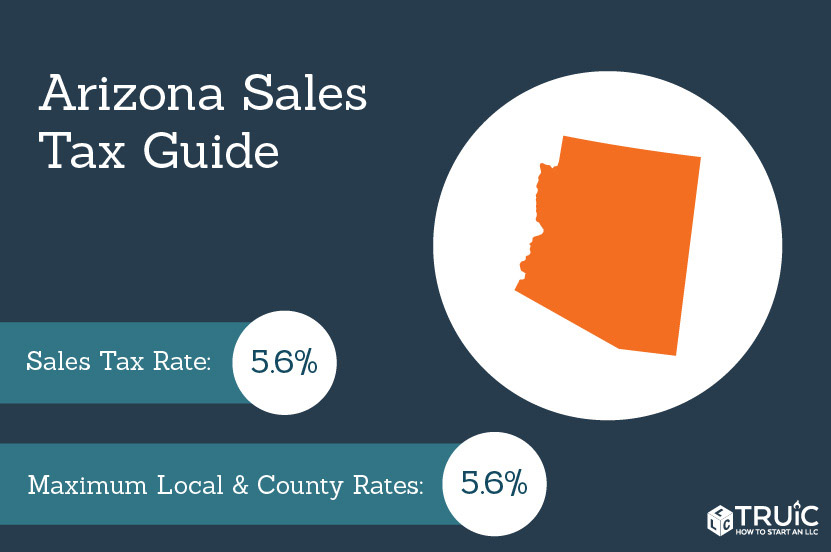
The Arizona TPT system is a combination of state-level tax and local-level taxes imposed by cities and counties. The state of Arizona levies a base TPT rate that applies across all jurisdictions. As of recent updates, the statewide Transaction Privilege Tax rate is 5.6%. This is the foundational layer of tax that you’ll encounter on most taxable transactions throughout the state.
However, the 5.6% state rate is rarely the final tax you’ll pay. Individual cities and counties have the authority to impose their own additional TPT rates. This means that the total sales tax percentage you pay can vary significantly from one city to another, or even within different parts of a county. For instance, a souvenir purchased in downtown Phoenix might carry a different combined TPT rate than the same item bought in Tucson or a small town like Sedona.
These local additions are not uniform. Cities may have different rates for retail sales, restaurant food, and especially for lodging. This tiered structure is crucial for travelers to understand because it directly impacts the final cost of their accommodation, dining experiences, shopping sprees, and entrance fees to attractions. Failing to account for these local variations can lead to budget overruns, especially during extended stays or trips that cover multiple destinations within Arizona. Therefore, when planning your trip, it’s advisable to research the specific TPT rates applicable to the cities you intend to visit, particularly for major expenditures like hotels and large purchases.
How Sales Tax Impacts Your Arizona Travel Budget
For anyone planning a trip to Arizona, from a spontaneous weekend getaway to a meticulously planned cross-state tour, understanding how the Transaction Privilege Tax (TPT) affects various aspects of your spending is paramount. It’s not just about the big purchases; every transaction, from your morning coffee to your luxury resort stay, will have TPT applied, shaping your overall travel budget.
Accommodation: Hotels, Resorts, and Vacation Rentals
Perhaps the most significant area where TPT impacts travelers is accommodation. Whether you’re booking a room at a boutique hotel in Scottsdale, a family-friendly resort in Mesa, or a cozy Airbnb in Flagstaff, you will be subject to TPT. The accommodation sector typically faces not only the state’s 5.6% TPT but also additional city-specific TPT rates.
Many Arizona cities also impose an additional “bed tax” or “lodging tax” specifically on hotel and vacation rental stays. This lodging tax is often distinct from the general city TPT and can significantly increase the final cost per night. For example, a city might have a 2% TPT rate on retail, but a 5% lodging tax on top of the state and city TPT for hotels. This means your effective tax rate on a hotel room could easily reach or exceed 12-14% in popular tourist destinations.
For instance, a stay at a luxury resort in Phoenix could incur the state’s 5.6% TPT, plus Phoenix’s city TPT (e.g., 2.3% for transient lodging), and an additional city lodging tax (e.g., 5%). This combined rate can quickly add up, especially for longer stays or high-end properties. Always check the final price including all taxes when booking accommodation, as advertised rates often exclude these additional charges. Vacation rental platforms typically include these taxes in their final price breakdown, but it’s always wise to confirm.
Dining, Shopping, and Attractions
Beyond your sleeping arrangements, TPT will also influence your daily expenditures on food, retail, and entertainment.
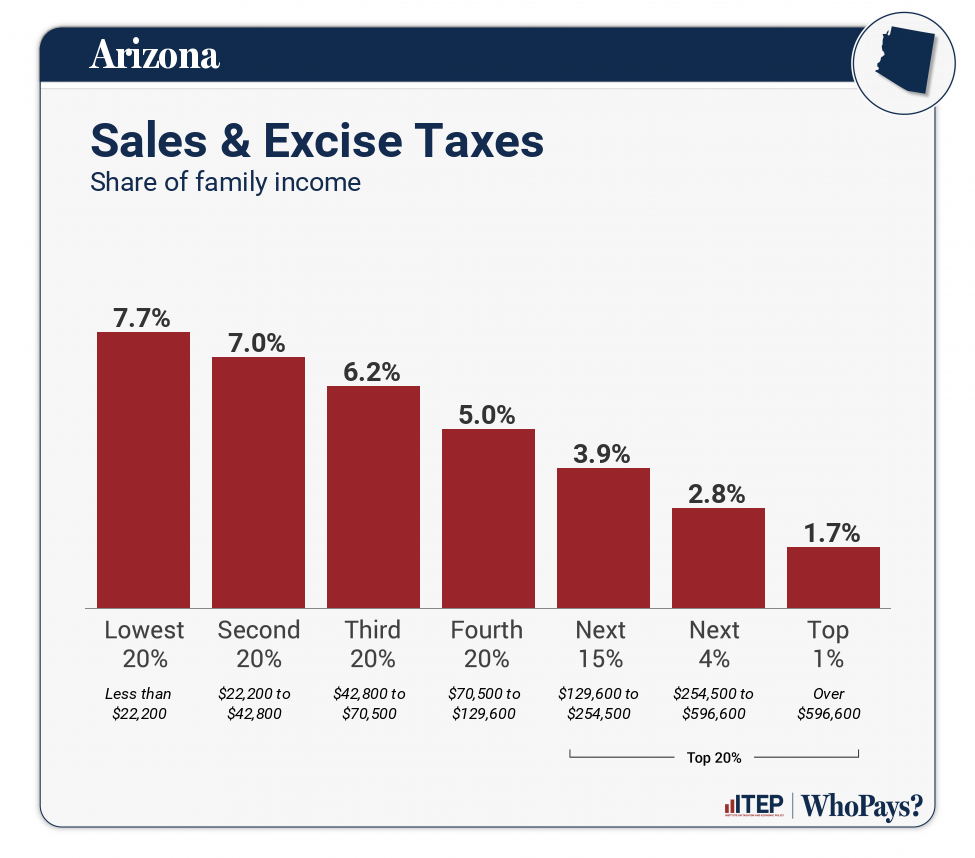
- Dining: When you enjoy the diverse culinary scene of Arizona, from a casual diner in Tucson to a fine-dining establishment in Sedona, the food you purchase at restaurants, cafes, and even fast-food outlets is subject to TPT. The combined state and city TPT rate will be applied to your total bill, sometimes separately from any gratuity you might add. Basic groceries, particularly unprepared food items, are generally exempt from state TPT, but prepared foods or items sold for immediate consumption in grocery stores may still be taxed.
- Shopping: Whether you’re hunting for unique Native American crafts, designer apparel at Scottsdale Fashion Square, or everyday essentials, virtually all retail purchases of tangible goods are subject to TPT. Again, the specific rate will depend on the city or county where the purchase is made. Remember that tourist-centric areas might have a higher volume of retail activity, meaning a greater cumulative tax impact on your souvenir budget.
- Attractions: Tickets to museums, art galleries, national parks (like the entrance fee to the Grand Canyon National Park, though federal fees have their own structure), historical sites, amusement parks, and guided tours are also typically subject to TPT. This extends to adventure activities like hot air balloon rides over Sedona or jeep tours through the desert. When budgeting for experiences, factor in that the advertised price may not include the final TPT amount.
Transportation and Other Services
Your travel budget also needs to account for TPT on certain transportation services and other common expenses.
- Car Rentals: If you plan to rent a car to explore Arizona’s vast landscapes, the rental fees will be subject to state and local TPT. Furthermore, car rentals often incur additional surcharges and fees, some of which may also be percentage-based and compound the tax burden. Always get a clear breakdown of the total cost when renting a vehicle.
- Other Services: While many personal services (like haircuts or massages) are generally not subject to TPT unless tied to a tangible product, some services that cater to tourists might be. For instance, tour operators might include TPT in their pricing for specific types of guided experiences. When in doubt, it’s always best to inquire about the tax implications before committing to a service.
Understanding these various applications of TPT across your travel expenses allows for more accurate budgeting and a smoother financial experience during your visit to the Grand Canyon State. It empowers you to make informed decisions about where to stay, dine, and shop, ensuring no unexpected financial surprises dampen your Arizona adventure.
Navigating Sales Tax in Popular Arizona Destinations
Arizona’s diverse geography is matched by its varying local tax rates. Knowing what to expect in key tourist hubs can significantly aid in budget planning and enhance your overall travel experience. Here, we delve into how TPT typically applies in some of the state’s most beloved destinations.
Urban Adventures: Phoenix and Tucson
Phoenix – The Valley of the Sun: As the state capital and largest city, Phoenix is a bustling metropolis offering everything from world-class resorts and vibrant nightlife to hiking trails and cultural attractions. The combined TPT rate in Phoenix can be among the highest for visitors.
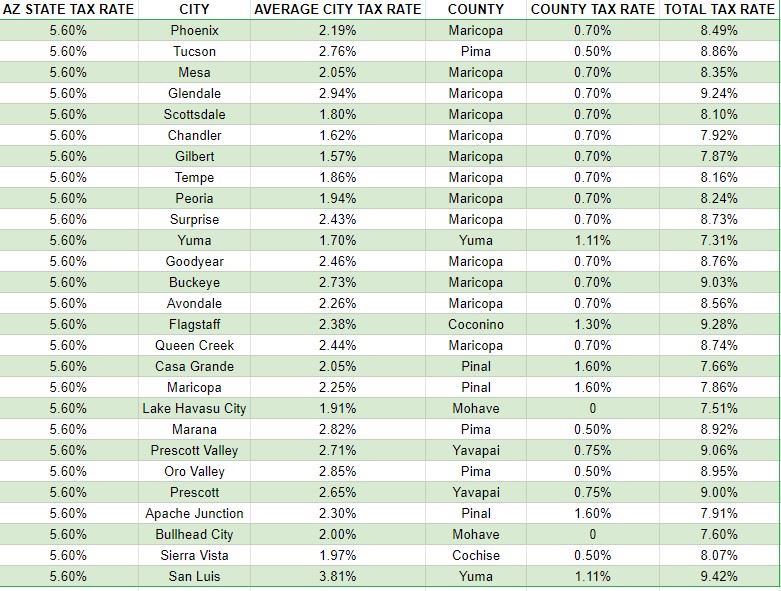
- Retail and Restaurant Sales: The total TPT rate for most retail purchases and restaurant meals in Phoenix is typically around 8.6% (5.6% state + 2.3% city).
- Accommodation: Hotels and lodging in Phoenix face a higher tax burden. In addition to the combined state and city TPT (which can vary slightly for transient lodging, but often aligns with the general city rate for businesses), Phoenix levies an additional city lodging tax, which can bring the total tax on a hotel room to approximately 12.9% or more. This makes budgeting for resort stays at places like the Arizona Biltmore or JW Marriott Desert Ridge Resort & Spa crucial.
Tucson – The Old Pueblo: Known for its rich Southwestern heritage, stunning desert landscapes, and proximity to Saguaro National Park, Tucson offers a different flavor of Arizona experience.
- Retail and Restaurant Sales: Similar to Phoenix, Tucson typically has a combined TPT rate for retail and restaurant sales that hovers around 8.7% (5.6% state + 2.6% city).
- Accommodation: Tucson also imposes a city lodging tax on top of the combined TPT for hotels and vacation rentals. This can result in a total lodging tax rate that is comparable to, or slightly lower than, Phoenix, often around 12-13%. Visitors staying at properties like the Loews Ventana Canyon Resort should account for these additional costs.
Scenic Escapes: Sedona and Flagstaff
Sedona – Red Rock Country: Famed for its breathtaking red rock formations, spiritual vortexes, and vibrant arts scene, Sedona is a magnet for nature lovers and wellness seekers.
- Retail and Restaurant Sales: Sedona’s combined TPT rate for most goods and services is often around 9.45% (5.6% state + 3.95% city). This higher city rate is something to consider when shopping for unique local art or dining with a view.
- Accommodation: Like other major tourist destinations, Sedona applies a city lodging tax on top of its general TPT for hotels and short-term rentals. The total tax on lodging can reach approximately 13.95% or higher, reflecting the high demand for accommodations in this scenic locale. Budgeting for stays at properties like L’Auberge de Sedona requires careful consideration of this rate.
Flagstaff – Gateway to the Grand Canyon: Situated amidst pine forests at a high elevation, Flagstaff offers a cooler climate, outdoor adventures, and serves as a popular base for visiting the Grand Canyon.
- Retail and Restaurant Sales: Flagstaff’s combined TPT rate for general purchases and dining is typically around 9.1% (5.6% state + 3.5% city).
- Accommodation: Flagstaff also imposes a specific city lodging tax, which, when combined with the state and city TPT, can result in a total tax rate on hotel rooms and vacation rentals of approximately 13.5% or more. This is an important factor when planning stays near the city’s historic downtown or its many outdoor attractions.
Planning Ahead: Tips for Travelers
Understanding these varying rates is just the first step. Here are some practical tips for incorporating sales tax into your Arizona travel budget:
- Research Specific City Rates: Before finalizing your itinerary, quickly look up the current combined TPT rates for retail, restaurants, and especially lodging in each city you plan to visit. The Arizona Department of Revenue website and city government sites are reliable resources.
- Factor into Accommodation Costs: Always confirm the “all-in” price for hotels and vacation rentals, including all taxes and resort fees, before booking. What appears to be a good nightly rate can quickly inflate once these additions are applied.
- Budget for Dining and Shopping: Allocate an extra 8-10% (or more, depending on the city) for sales tax on your estimated dining and shopping expenses. This buffer will prevent unpleasant surprises.
- Review Receipts: Take a moment to review your receipts, especially for larger purchases or hotel bills, to ensure the correct tax rate has been applied and that there are no unexpected charges.
- Consider the “Why”: Remember that these taxes contribute to local infrastructure, tourism promotion, and public services that enhance your visit. This perspective can help frame the additional cost.
By being informed and proactive about Arizona‘s unique Transaction Privilege Tax system, you can effectively manage your travel budget and enjoy a worry-free exploration of all the Grand Canyon State has to offer. Whether you’re chasing sunsets in the desert or exploring charming mountain towns, understanding these financial nuances will make your Arizona adventure even more rewarding.
Conclusion
Navigating the financial intricacies of travel is an essential component of any well-planned adventure, and in Arizona, understanding the Transaction Privilege Tax (TPT) is particularly crucial. Unlike a straightforward sales tax, Arizona’s TPT is a multi-faceted system levied on the privilege of doing business, which businesses typically pass on to the consumer. This distinction, coupled with varying state and local rates, means the total tax percentage you pay on everything from a resort stay to a souvenir can differ significantly across cities and even by the type of purchase.
For the modern traveler, whether you’re seeking luxury accommodation, exploring vibrant cultural landmarks, or embarking on an outdoor lifestyle adventure, the impact of TPT is pervasive. It directly influences the final cost of your hotel room in Phoenix or Scottsdale, your dining experiences in Tucson, and your retail therapy in Sedona or Flagstaff. Factoring these rates into your budget from the outset is the key to a stress-free trip.
By taking the time to research specific city rates, understanding how lodging taxes add to the base TPT, and budgeting an appropriate buffer for your expenses, you can avoid any unwelcome surprises. This proactive approach ensures that your focus remains on soaking in the breathtaking natural beauty, rich history, and unique culture that define the Grand Canyon State. Ultimately, being well-informed about “What is Sales Tax in Arizona?” empowers you to make smarter financial decisions, allowing you to immerse yourself fully in the unforgettable experiences that await you in this magnificent corner of the Southwest. Enjoy your journey!
LifeOutOfTheBox is a participant in the Amazon Services LLC Associates Program, an affiliate advertising program designed to provide a means for sites to earn advertising fees by advertising and linking to Amazon.com. Amazon, the Amazon logo, AmazonSupply, and the AmazonSupply logo are trademarks of Amazon.com, Inc. or its affiliates. As an Amazon Associate we earn affiliate commissions from qualifying purchases.