
While the precise, real-time temperature in Tucson, Arizona is a constantly fluctuating number – best checked with a quick search engine query for the most up-to-the-minute data – understanding Tucson’s climate is far more valuable for anyone planning a visit to this captivating desert city. Imagine it’s a pleasant 75°F (24°C) with clear skies and a gentle breeze, or perhaps a scorching 105°F (41°C) under the intense summer sun. Each scenario tells a different story about what to expect from your Tucson experience, shaping everything from your wardrobe choices to your daily itinerary. Tucson offers a unique blend of Sonoran Desert beauty, rich history, and vibrant culture, all intrinsically linked to its distinctive weather patterns. This guide delves deeper than just a single temperature reading, exploring how the climate influences travel, accommodation, local tourism, iconic landmarks, and the overall lifestyle in this jewel of the Southwest United States.
Understanding Tucson’s Climate: More Than Just a Number
Tucson’s location in the heart of the Sonoran Desert gifts it with a climate that is both remarkable and a defining characteristic of the city. While infamous for its summer heat, the city also boasts exceptionally mild winters and an abundance of sunshine year-round, making it a compelling destination for a diverse range of travelers. Knowing the general climate trends is crucial for maximizing your enjoyment, whether you’re seeking outdoor adventures, cultural immersion, or simply a relaxing escape.
Seasonal Variations and Best Times to Visit
Tucson’s climate follows distinct seasonal patterns that significantly impact the visitor experience.
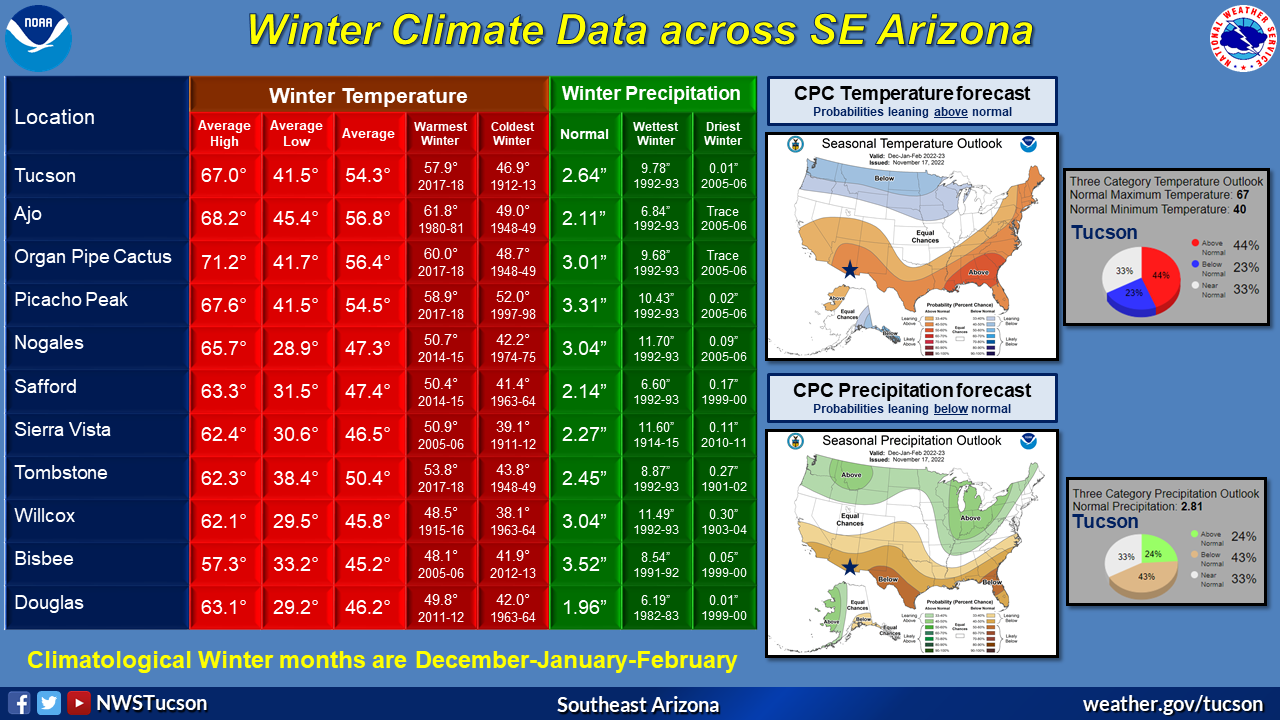
Winter (November to March): This is arguably Tucson’s peak tourist season, and for good reason. Temperatures during these months are wonderfully mild, with daytime highs typically ranging from the mid-60s to low 70s Fahrenheit (18-23°C) and overnight lows in the 40s (4-9°C). This makes it ideal for outdoor activities like hiking, biking, and golf, attracting snowbirds and those seeking refuge from colder climates. The skies are generally clear, offering perfect conditions for exploring the desert landscape.
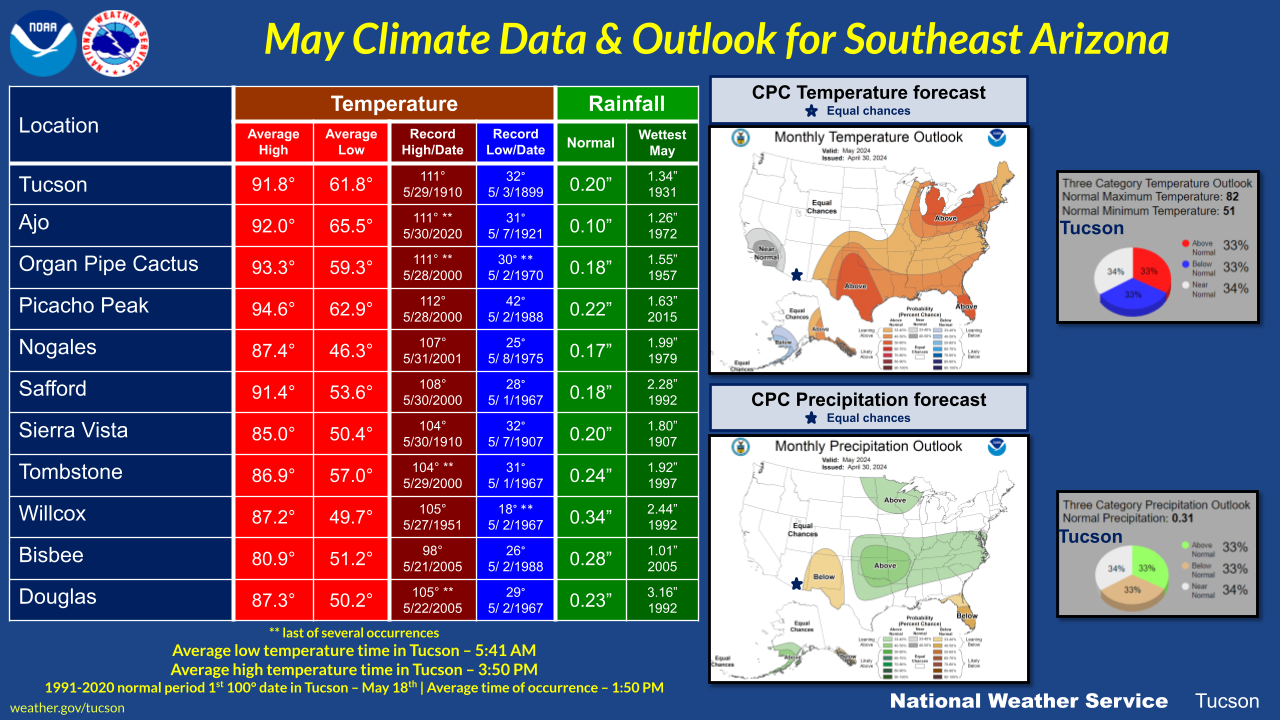
Spring (April to May): As winter transitions to spring, temperatures begin to rise steadily. April still offers very pleasant conditions, with average highs in the low 80s (27-29°C), perfect for enjoying blooming desert wildflowers. By May, the mercury climbs higher, often reaching the high 80s to low 90s (31-35°C), signaling the approach of summer. This period is excellent for those who enjoy warmth but want to avoid the intense heat of mid-summer.
Summer (June to September): Summer in Tucson is hot, with daily highs frequently exceeding 100°F (38°C) and sometimes reaching 110°F (43°C) or higher. While this can be intimidating, the dry heat is often described as more bearable than humid climates. This season is characterized by clear, scorching mornings and afternoons, often followed by the dramatic monsoon season, which typically runs from July to mid-September. Monsoons bring intense, albeit brief, thunderstorms, offering a spectacular display of nature’s power and temporary relief from the heat. Despite the heat, many hotels offer attractive off-season rates, and pools become a central part of the daily routine.
Autumn (October): October is a transitional month, bringing a welcome cooling trend. Temperatures gradually drop back into the 80s (27-31°C), making it a lovely time to visit as the desert prepares for its mild winter. The intense summer heat subsides, and outdoor activities become more enjoyable again.
The Desert Advantage: Low Humidity and Abundant Sunshine
One of the most defining characteristics of Tucson’s climate, often overlooked when simply looking at temperature numbers, is its incredibly low humidity. This dry heat means that even when temperatures soar, the air feels less oppressive and sweat evaporates quickly, providing a natural cooling effect. While 100°F in a humid climate can feel stifling, the same temperature in Tucson is often described as “a dry heat,” making it more manageable for many.
Furthermore, Tucson boasts over 300 sunny days a year, earning its reputation as a sun-lover’s paradise. This consistent sunshine is a major draw for tourists, allowing for reliable outdoor planning regardless of the season (with the exception of brief monsoon storms). The bright, clear skies are also perfect for stargazing, as Tucson has strict light pollution ordinances, contributing to its status as a premier astronomy destination. This combination of dry air and abundant sunshine makes Tucson a unique and invigorating place to visit, influencing every aspect of local life and tourism.
Tucson as a Premier Travel Destination
Beyond its appealing climate, Tucson stands out as a top-tier travel destination due to its rich tapestry of natural beauty, cultural heritage, and vibrant local scene. The Sonoran Desert itself is a living museum, offering unparalleled opportunities for exploration and discovery, while the city’s history, from Native American roots to its Old West legacy, provides a captivating backdrop for any visit.
Unveiling Tucson’s Unique Charms: Beyond the Thermometer
Tucson’s appeal extends far beyond its temperature, though the climate certainly facilitates many of its charms. The city is a gateway to the majestic Sonoran Desert, home to the iconic saguaro cactus, which stands as a silent sentinel of the landscape. This unique ecosystem, with its diverse flora and fauna, creates a stunning natural environment for hiking, birdwatching, and photography.
Culturally, Tucson is a melting pot, blending Native American, Spanish, Mexican, and Old West influences. This rich heritage is evident in its architecture, arts, and especially its renowned culinary scene. In fact, Tucson was designated the first UNESCO City of Gastronomy in the United States, a testament to its 4,000-year agricultural history and vibrant food culture. From traditional Sonoran hot dogs to innovative farm-to-table restaurants, the city offers a culinary journey as diverse as its landscape. The pleasant winter and shoulder seasons make it easy to explore these outdoor and cultural attractions comfortably, while even summer visitors can enjoy them with proper planning for early morning or late evening excursions.
Must-Visit Landmarks and Attractions
No trip to Tucson is complete without exploring its numerous landmarks and attractions, each offering a unique perspective on the region’s natural and cultural history.
-
Saguaro National Park: Divided into two districts, East (Rincon Mountain District) and West (Tucson Mountain District), this park is dedicated to preserving the magnificent saguaro cactus. Visitors can drive scenic loops, hike numerous trails, and immerse themselves in the unique desert ecosystem. The cooler months are ideal for extensive hiking, while summer visits are best enjoyed at dawn or dusk.
-
Arizona-Sonora Desert Museum: More than just a museum, this 98-acre zoo, botanical garden, art gallery, and natural history museum showcases the incredible biodiversity of the Sonoran Desert. It’s an outdoor experience, so plan for cooler times of day or year, though many indoor exhibits and shaded areas offer respite.
-
Mission San Xavier del Bac: Known as the “White Dove of the Desert,” this historic Catholic mission is a stunning example of Spanish Colonial architecture and a powerful cultural landmark. Located on the Tohono O’odham Nation reservation, its intricate frescoes and sculptures are breathtaking.
-
Pima Air & Space Museum: One of the largest non-government funded aerospace museums in the world, featuring over 400 aircraft across six hangars and outdoor displays. It’s a fantastic destination for aviation enthusiasts of all ages. Many exhibits are indoors, making it a good option even on warmer days.
-
Mount Lemmon: Offering a dramatic escape from the desert heat, a scenic drive up the Catalina Highway to Mount Lemmon takes you through diverse ecosystems, from saguaro cacti to ponderosa pines, with temperatures dropping significantly at higher elevations. It’s often 20-30°F cooler at the summit, making it a perfect summer retreat or a place to experience snow in winter.
-
Old Tucson Studios: Step back in time to the Old West at this famous movie set and theme park, where countless westerns were filmed. While currently operating as an event venue, its history and scenic beauty remain.
These landmarks provide a compelling reason to visit Tucson, offering experiences that cater to history buffs, nature lovers, and adventure seekers alike.
Where to Stay: Accommodations for Every Tucson Adventure
Tucson’s vibrant tourism scene is supported by a wide array of accommodation options, ensuring that every traveler finds the perfect place to rest and rejuvenate. From luxurious resorts offering opulent escapes to charming boutique hotels and practical budget-friendly stays, the city caters to diverse preferences and travel styles. Your choice of accommodation can significantly enhance your overall experience, providing comfort and convenience whether you’re battling the summer heat or enjoying the mild winter.
Luxurious Resorts and Spas
For those seeking an indulgent escape, Tucson is home to several world-class resorts and spas that blend seamlessly with the stunning desert landscape. These establishments often feature expansive pools, championship golf courses, and rejuvenating spa services, which are particularly welcome amenities during the hotter months.
-
Ritz-Carlton, Dove Mountain: Nestled in the foothills of the Tortolita Mountains, this resort offers unparalleled luxury, exquisite dining, and access to a Jack Nicklaus Signature Golf Course. Its serene setting provides a tranquil retreat.
-
Loews Ventana Canyon Resort: Situated against the backdrop of the Santa Catalina Mountains, this resort is famed for its stunning views, an 80-foot waterfall, and two Tom Fazio designed golf courses. Its extensive pool complex is a highlight for summer visitors.
-
Omni Tucson National Resort: Known for its championship golf courses that have hosted PGA Tour events, the Omni Tucson National Resort also offers a full-service spa, tennis courts, and elegant accommodations, making it a favorite for active travelers.

These resorts provide not just a place to sleep but a destination in themselves, offering amenities that can turn a hot day into a relaxing poolside afternoon or a cool evening into a gourmet dining experience under the stars.
Boutique Hotels and Downtown Stays
For travelers who prefer a more intimate experience or want to be at the heart of the action, Downtown Tucson and its surrounding historic districts offer a range of charming boutique hotels. These options often highlight local character and provide easy access to the city’s vibrant arts scene, dining, and nightlife.
-
Hotel Congress: A historic landmark, the Hotel Congress is a true Tucson icon, famous for its Art Deco architecture and its infamous connection to John Dillinger. It offers uniquely themed rooms, a popular restaurant (Cup Cafe), and a lively music venue.
-
AC Hotel Tucson Downtown: This modern hotel provides a sleek and comfortable stay, perfectly located to explore Downtown Tucson’s culinary delights, shops, and cultural attractions. Its rooftop pool offers refreshing views of the city.
Staying downtown places you within walking distance of many popular spots, allowing for spontaneous exploration and immersion in Tucson’s urban heartbeat, especially enjoyable during cooler evenings.
Family-Friendly and Budget-Conscious Options
Tucson also offers numerous options for families and travelers on a budget, ranging from well-known hotel chains to vacation rentals like apartments and villas. These accommodations often provide excellent value, featuring amenities such as complimentary breakfast, swimming pools, and convenient locations near major highways and attractions.
Many chain hotels like Hilton Garden Inn, Holiday Inn Express, and Hampton Inn can be found throughout the city, offering reliable comfort and consistent service. For longer stays or larger groups, booking a vacation rental through platforms like Airbnb or Vrbo can provide more space, kitchen facilities, and a home-away-from-home feel, which is particularly beneficial for managing meals and expenses. These options ensure that a memorable Tucson experience is accessible to everyone, regardless of their budget or travel style.
Lifestyle and Local Culture: Experiencing Tucson Beyond the Forecast
Tucson’s lifestyle is deeply intertwined with its desert environment and rich cultural heritage, offering visitors a chance to experience life at a different pace. Beyond the temperature, the city thrives with a vibrant arts scene, unique culinary traditions, and a strong sense of community that invites exploration. Engaging with Tucson’s local culture provides a deeper appreciation for this Southwest gem, moving beyond typical tourist itineraries.
Culinary Delights and UNESCO Gastronomy
As the first UNESCO City of Gastronomy in the United States, Tucson offers an extraordinary culinary journey. Its food scene is a flavorful reflection of its diverse history, with influences from indigenous communities, Mexico, and beyond.
- Sonoran Hot Dogs: A must-try local specialty, these bacon-wrapped hot dogs are served in a bolillo roll and topped with pinto beans, onions, tomatoes, salsa, mayonnaise, and mustard. They are a beloved street food icon.
- Regional Mexican Cuisine: Tucson’s proximity to Mexico means authentic and delicious Mexican food is abundant. From family-run taquerias to upscale restaurants, the flavors are rich and diverse.
- Farm-to-Table Experiences: Many restaurants showcase locally sourced ingredients, reflecting the region’s ancient agricultural heritage and innovative culinary spirit.
- Craft Beverages: The city also boasts a growing scene of craft breweries, distilleries, and wine producers, often incorporating local desert botanicals into their creations.
Exploring Tucson’s gastronomy is an adventure in itself, with outdoor patios and food truck parks particularly popular during the cooler months and evening hours.
Outdoor Activities and Adventure Sports
The Sonoran Desert provides a spectacular playground for outdoor enthusiasts. The mild winters and pleasant shoulder seasons are perfect for sustained activities, while even summer offers opportunities for early risers.
- Hiking and Biking: Trails abound in Saguaro National Park, the Catalina Mountains, and numerous city parks, offering everything from leisurely strolls to challenging climbs.
- Stargazing: With clear skies and minimal light pollution, Tucson is an exceptional spot for astronomy. Public observatories and remote desert locations offer breathtaking views of the night sky.
- Golf: The city is a golfer’s paradise, with numerous championship courses designed to challenge and delight, often set against stunning desert backdrops.
- Birdwatching: The diverse ecosystems attract a wide variety of bird species, making Tucson a prime destination for ornithologists and nature lovers.
Proper hydration and sun protection are paramount for all outdoor activities, regardless of the season, to ensure a safe and enjoyable experience in the desert environment.
Arts, Festivals, and Community Events
Tucson’s cultural calendar is packed with events that showcase its artistic flair, historical roots, and community spirit.
- Tucson Gem, Mineral & Fossil Showcase: Held every winter, this world-renowned event transforms the city into a hub for enthusiasts and collectors, drawing visitors from across the globe.
- Dillinger Days: A unique historical reenactment event at the Hotel Congress, commemorating the capture of infamous gangster John Dillinger.
- Tucson Folk Festival: One of the largest free folk festivals in the country, celebrating music, community, and local talent.
- Art Galleries and Museums: Downtown Tucson and its surrounding districts host numerous galleries, studios, and museums, including the Tucson Museum of Art, showcasing local, regional, and international artists.
These events and cultural institutions offer opportunities to delve into Tucson’s soul, providing entertainment and education that enrich any visit, often best enjoyed during the pleasant weather of fall, winter, and spring.
Planning Your Tucson Trip: Practical Tips for a Comfortable Stay
While the current temperature is a fleeting detail, thoughtful planning based on Tucson’s general climate patterns and local insights will ensure a comfortable and memorable trip. Being prepared for the desert environment is key to enjoying everything this unique destination has to offer.
Packing Essentials for Desert Weather
No matter the season, certain items are indispensable for a Tucson visit:
- Lightweight, Breathable Clothing: Cotton or moisture-wicking fabrics are ideal. Even in winter, daytime temperatures can be warm.
- Sun Protection: A wide-brimmed hat, sunglasses, and high-SPF sunscreen are crucial to protect against the intense Arizona sun.
- Layers: Particularly important during cooler months or if you plan to visit Mount Lemmon, as temperatures can fluctuate significantly from day to night or with elevation changes.
- Comfortable Walking Shoes: Essential for exploring parks, museums, and downtown areas.
- Reusable Water Bottle: Staying hydrated is paramount. Many locations offer water refill stations.
- Swimsuit: Most hotels and resorts have pools, a welcome amenity in any season.
Hydration and Sun Protection
These two elements cannot be overstressed when visiting Tucson. The dry climate can lead to rapid dehydration, often before you even realize you’re thirsty.
- Drink Constantly: Carry water with you everywhere and sip frequently, even if you don’t feel parched. Electrolyte drinks can also be beneficial, especially during strenuous activities.
- Seek Shade: Plan outdoor activities for early mornings or late afternoons, avoiding the peak sun hours of 10 AM to 4 PM, particularly in summer.
- Moisturize: The dry air can also affect skin and lips, so bringing a good moisturizer and lip balm is advisable.
Navigating Tucson: Transportation and Timing
Having a car is highly recommended for exploring Tucson and its surrounding attractions, as public transportation options are more limited outside of the downtown core. This provides the flexibility to venture out to Saguaro National Park, Mission San Xavier del Bac, or Mount Lemmon at your leisure.
Consider the time of day for your activities. In summer, embrace the concept of the “desert schedule” – rise early for hikes and outdoor excursions, enjoy indoor attractions or pool time during the hottest part of the day, and then venture out again in the evening for dining or stargazing. In cooler months, you’ll have more flexibility throughout the day.
Ultimately, while the current temperature in Tucson, Arizona might be a simple data point, it opens the door to a deeper understanding of this incredible destination. From its unique climate that shapes travel seasons to the diverse range of hotels, world-class landmarks, and a lifestyle rich in culture and adventure, Tucson offers an unforgettable experience. Plan wisely, embrace the desert’s rhythm, and you’ll discover why so many fall in love with the “Old Pueblo.”
LifeOutOfTheBox is a participant in the Amazon Services LLC Associates Program, an affiliate advertising program designed to provide a means for sites to earn advertising fees by advertising and linking to Amazon.com. Amazon, the Amazon logo, AmazonSupply, and the AmazonSupply logo are trademarks of Amazon.com, Inc. or its affiliates. As an Amazon Associate we earn affiliate commissions from qualifying purchases.