
Arizona, often celebrated for its stunning desert landscapes, vibrant sunsets, and year-round sunshine, is much more than a picturesque backdrop; it’s a rapidly growing hub of human activity, a dynamic blend of cultures, and a magnet for those seeking a unique lifestyle. The question “What’s the population in Arizona?” delves deeper than just a number; it unveils a story of relentless growth, economic opportunity, and an ever-evolving impact on the state’s travel, tourism, and accommodation sectors. As of early 2024, the estimated population of Arizona stands impressively at approximately 7.4 million residents. This figure isn’t static; it’s a testament to the state’s enduring appeal, consistently ranking among the fastest-growing states in the United States. This robust population expansion carries significant implications for every facet of life in the Grand Canyon State, from the bustling city centers to the serene natural wonders, shaping everything from infrastructure to the very essence of its tourist experiences.

Arizona’s Dynamic Demographics: A Magnet for Growth
The consistent surge in Arizona’s population isn’t a recent phenomenon but rather a sustained trend driven by a confluence of economic, environmental, and lifestyle factors. Understanding these dynamics is crucial to appreciating the state’s current landscape and future trajectory.
The Current Snapshot and Historical Trends
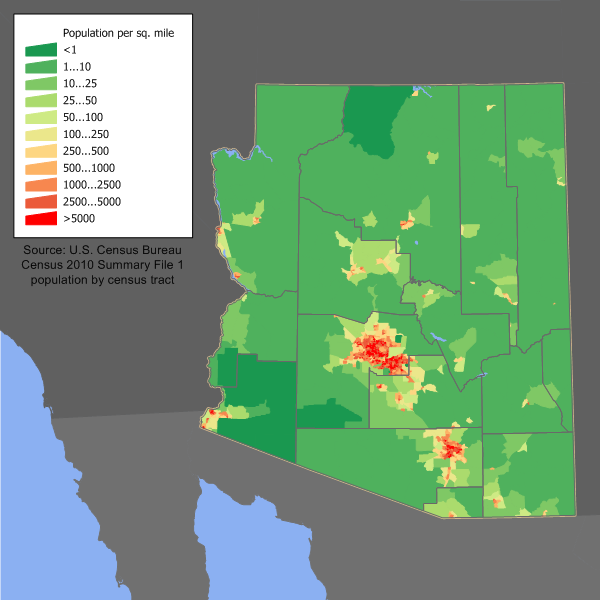
With an estimated 7.4 million residents, Arizona has seen remarkable growth, particularly over the last few decades. In 1950, the state’s population was less than 750,000, illustrating an almost tenfold increase in just over 70 years. This explosive growth places it firmly among the top states for inbound migration, attracting new residents from across the United States and beyond. Major metropolitan areas like Phoenix and Tucson have been at the forefront of this expansion, transforming from relatively modest urban centers into sprawling, diverse metropolises. The Phoenix metropolitan area alone, often referred to as the Valley of the Sun, now accounts for well over two-thirds of the state’s total population, making it one of the largest and most rapidly expanding urban regions in the nation. This historical context of rapid and sustained growth underscores the powerful draw of the state, fueled by factors that appeal to a wide demographic spectrum, from retirees seeking a warm climate to young professionals looking for career opportunities in emerging tech and innovation sectors. The demographic shift is also evident in the increasing diversity of its residents, bringing a rich cultural tapestry that enhances the state’s appeal as both a place to live and a destination to visit. The continuous influx demands careful planning for resources, infrastructure, and public services, creating a dynamic environment for both its residents and the tourism industry that thrives within its borders.
Factors Fueling the Influx
Several compelling factors contribute to Arizona’s persistent population boom. Foremost among them is the state’s enviable climate, boasting over 300 days of sunshine annually. This weather is a significant draw for retirees, often referred to as “snowbirds,” who seek respite from harsher winters. Beyond retirement, the robust job market plays a crucial role. Phoenix and Tucson have emerged as burgeoning tech hubs, attracting companies in semiconductor manufacturing, aerospace, biomedical sciences, and renewable energy. These industries offer high-paying jobs, drawing a younger, skilled workforce to the state. Furthermore, compared to coastal California or the Northeast, the cost of living in many Arizona cities remains relatively attractive, especially concerning housing, though real estate prices have appreciated significantly in recent years. The lifestyle offered is another powerful motivator. Arizona provides an unparalleled access to outdoor recreation, from hiking and mountain biking in the Sonoran Desert to skiing in Flagstaff. This blend of career opportunities, comfortable climate, and an active outdoor lifestyle creates a highly desirable living environment for individuals and families alike. The state’s natural beauty, including iconic landmarks like the Grand Canyon, also acts as a subtle lure, often converting tourists into long-term residents who fall in love with the unique blend of adventure and tranquility Arizona offers. This combination of factors ensures that the population growth trend is likely to continue, presenting both opportunities and challenges for the state’s infrastructure and natural resources.
Population Growth and its Impact on Travel & Tourism
The swelling population of Arizona doesn’t just reshape its cities; it fundamentally transforms the state’s travel and tourism landscape. A larger resident base means more domestic tourism, more demand for local attractions, and an increased need for diverse accommodation options, all while enriching the local culture.
Booming Destinations and Attractions
The influx of residents into Arizona has a dual impact on its destinations and attractions. Firstly, a larger local population creates a robust internal tourism market, with residents exploring their own state, generating consistent demand for regional parks, museums, and entertainment venues. This sustained local interest helps support smaller businesses and lesser-known attractions. Secondly, as the state gains prominence as a desirable place to live, it naturally attracts more external visitors who come to experience what makes it so appealing. Iconic natural wonders such as the Grand Canyon, Antelope Canyon, and the red rocks of Sedona see ever-increasing visitor numbers. Beyond these natural marvels, cultural and historical sites also flourish. Cities like Scottsdale with its vibrant Old Town, the historic mining towns of Jerome and Bisbee, and the various Native American cultural centers offer rich experiences that cater to diverse interests. The growing population also stimulates the development of new attractions, from sprawling entertainment districts in Phoenix and Mesa to specialized eco-tourism ventures near protected wilderness areas. This constant evolution ensures that Arizona remains a fresh and engaging destination, continually offering new reasons for both residents and tourists to explore its vast offerings. The increased footfall at these sites also drives investment in infrastructure, ensuring better access and facilities for visitors, further enhancing the overall tourism experience.
The Evolving Accommodation Landscape
With millions calling Arizona home and millions more visiting annually, the accommodation sector has undergone a significant transformation. The demand for places to stay, whether for a short vacation or an extended relocation, has spurred remarkable growth and diversification. Luxury resorts like The Phoenician in Scottsdale or Loews Ventana Canyon Resort in Tucson continue to thrive, offering world-class amenities and experiences that cater to high-end travelers and residents seeking staycations. Beyond these opulent offerings, the demand for boutique hotels, particularly in areas like downtown Phoenix and artistic Sedona, has surged, providing unique, locally-infused stays. The rise of extended-stay options and apartment-style accommodations is also notable, catering to business travelers, families on longer trips, and individuals in the process of relocating. Furthermore, the short-term rental market, facilitated by platforms like Airbnb, has exploded, providing an alternative to traditional hotels and offering a taste of local living. This diverse array of choices ensures that every type of traveler, from the budget-conscious backpacker to the luxury seeker, can find suitable lodging. The expansion isn’t just in quantity but also in quality and specialization, with an increasing number of properties offering eco-friendly features, wellness retreats, or pet-friendly amenities. This evolving landscape is a direct response to the multifaceted needs of a growing population and a thriving tourism industry, solidifying Arizona’s reputation as a top-tier destination for both temporary visits and long-term stays.

A Rich Tapestry of Local Culture and Food
The burgeoning population of Arizona, composed of individuals from diverse backgrounds and origins, has profoundly enriched the state’s local culture and culinary scene. This demographic mosaic creates a vibrant, ever-evolving tapestry that is a significant draw for tourists seeking authentic experiences. The historical roots of Arizona are deeply intertwined with Native American traditions and Mexican heritage, which continue to form foundational elements of its cultural identity, evident in art, music, and festivals. With new residents arriving from other parts of the United States and the world, the cultural landscape has broadened considerably. This diversity is most palpable in the food scene. What was once predominantly known for Southwestern and Mexican cuisine has expanded to include a phenomenal range of international flavors. In cities like Phoenix, Scottsdale, and Tucson, one can find authentic Italian trattorias, bustling Asian markets and restaurants, sophisticated farm-to-table establishments, and innovative fusion eateries. Food festivals and farmers’ markets celebrate this culinary variety, offering a taste of local produce and global influences. Beyond food, the arts and entertainment scene has also flourished, with new galleries, performance venues, and community events reflecting the diverse interests of the population. This rich cultural ecosystem not only improves the quality of life for residents but also adds immense value to the tourist experience, offering visitors a chance to engage with a dynamic and authentic local spirit that extends far beyond just scenic beauty. The blend of ancient traditions and modern influences makes Arizona a culturally vibrant destination.
Exploring Arizona’s Iconic Landmarks and Lifestyles
Arizona’s population growth is inextricably linked to its iconic landmarks and the diverse lifestyles they enable. These sites are not merely points of interest; they are fundamental to the state’s identity and a primary reason why people choose to visit, and ultimately, to live here.
Natural Wonders and Architectural Marvels
Arizona is synonymous with breathtaking natural beauty, boasting some of the most famous landmarks on the planet, which continuously draw both tourists and new residents. The unrivaled majesty of the Grand Canyon, a UNESCO World Heritage Site, remains its crown jewel, attracting millions annually who come to witness its colossal scale and ancient geological history. Beyond the Grand Canyon, the vibrant red rock formations of Sedona, nestled within Oak Creek Canyon, offer spiritual retreats, hiking adventures, and unparalleled scenic drives. Further north, the ethereal slot canyons of Antelope Canyon and the dramatic curve of Horseshoe Bend near Page captivate photographers and nature enthusiasts alike. The towering saguaros of Saguaro National Park near Tucson protect unique desert ecosystems, offering a glimpse into the Sonoran Desert’s distinct flora and fauna. But Arizona’s allure isn’t just natural; it also boasts impressive architectural marvels. Taliesin West in Scottsdale, Frank Lloyd Wright’s desert masterpiece, exemplifies organic architecture harmonizing with the landscape. Historical structures in cities like Phoenix and Tucson tell stories of early territorial days, while the mission at San Xavier del Bac near Tucson stands as a stunning example of Spanish colonial architecture. These landmarks, both natural and man-made, are integral to the state’s identity, providing endless opportunities for exploration and cementing Arizona’s position as a premier travel destination. They are also a constant reminder of the state’s beauty for residents, fostering a deep connection to their surroundings.
Diverse Lifestyles and Experiences
The diverse population and expansive geography of Arizona naturally foster a wide array of lifestyles and travel experiences, catering to every preference and budget. For those seeking luxury travel, Scottsdale is a veritable playground, renowned for its high-end resorts, championship golf courses, and upscale shopping. Here, visitors can indulge in five-star dining and world-class spa treatments, often against a backdrop of stunning desert vistas. In contrast, budget travel options are plentiful throughout the state, particularly for adventurers keen on camping in national parks or staying in more modest accommodations while exploring areas like Flagstaff or along historic Route 66. Arizona is an ideal destination for family trips, offering attractions like the Phoenix Zoo, children’s museums, and family-friendly resorts with expansive water parks. The state’s natural playgrounds, from the Red Rocks of Sedona to the numerous state parks, provide endless opportunities for outdoor adventures suitable for all ages. Business stays are also a significant component of Arizona’s travel ecosystem, particularly in Phoenix and Tucson, which host numerous conventions and conferences. These cities offer state-of-the-art facilities, excellent business hotels, and convenient access to airports. Beyond these categories, Arizona caters to niche interests too, such as wellness retreats in Sedona, historical explorations in ghost towns like Jerome, or stargazing in the clear desert skies near Kitt Peak Observatory. This rich tapestry of experiences means that whether one is seeking adrenaline-pumping adventures, serene relaxation, cultural immersion, or professional development, Arizona delivers, solidifying its reputation as a destination that truly offers something for everyone.
Navigating the Future: Sustainability and Development
Arizona’s rapid population growth, while a testament to its appeal, also presents significant challenges and opportunities, particularly concerning sustainability and future development. The state is at a critical juncture, balancing the needs of a growing populace with the imperative to preserve its unique natural heritage.
Balancing Growth with Preservation
The accelerating population in Arizona brings to the forefront the delicate balance between urban and suburban development and the preservation of the state’s fragile natural environment. Water scarcity is arguably the most pressing issue in this arid state, heavily reliant on the Colorado River and diminishing groundwater supplies. Sustainable water management practices, including conservation efforts, water recycling, and the exploration of new technologies, are paramount. The expansion of residential and commercial areas also encroaches upon natural habitats, impacting local wildlife and ecosystems. Therefore, responsible land-use planning, the creation of urban growth boundaries, and the protection of open spaces, such as those around South Mountain Park in Phoenix or the Catalina Mountains near Tucson, are crucial. Tourism, while a vital economic driver, also contributes to environmental impact through increased visitor traffic at natural landmarks, waste generation, and resource consumption. Sustainable tourism initiatives are gaining traction, promoting eco-friendly practices, educating visitors on responsible travel, and supporting local communities. These efforts aim to ensure that the beauty and resources that attract people to Arizona today will remain intact for future generations. The challenge lies in integrating sustainable practices into every new development, from residential communities to new hotels and attractions, ensuring that growth does not come at an irreversible cost to the environment. This necessitates collaboration among government agencies, private developers, and local communities to forge a path forward that champions both prosperity and ecological stewardship.
Future Outlook for Travel and Living
Looking ahead, Arizona’s population is projected to continue its upward trajectory, albeit potentially at a more measured pace, as economic and environmental factors continue to evolve. This sustained growth will undoubtedly further shape the state’s appeal as both a place to live and a premier travel destination. For residents, ongoing development will mean continued investment in infrastructure, including transportation networks, public services, and educational institutions, to support the growing communities in areas like Chandler, Gilbert, and Peoria. The real estate market will likely remain competitive, driven by consistent demand, which will also spur innovation in housing solutions and community planning. From a tourism perspective, the future of Arizona looks bright and increasingly diverse. As the population grows and diversifies, so too will the range of attractions and experiences available. We can expect to see further expansion in niche tourism markets, such as agritourism in Yuma, wellness retreats in more secluded areas, and heritage tourism celebrating the state’s deep cultural roots. Investment in smart city technologies and sustainable tourism practices will become even more pronounced, enhancing the visitor experience while minimizing environmental impact. The unique blend of urban sophistication, stunning natural beauty, and a welcoming climate will ensure that Arizona remains a top choice for individuals seeking new opportunities, families looking for a high quality of life, and travelers yearning for unforgettable adventures. The state’s ability to adapt, innovate, and preserve its core identity will be key to its continued success and allure in the decades to come, promising a future that is as vibrant and dynamic as its current demographic trends suggest.
LifeOutOfTheBox is a participant in the Amazon Services LLC Associates Program, an affiliate advertising program designed to provide a means for sites to earn advertising fees by advertising and linking to Amazon.com. Amazon, the Amazon logo, AmazonSupply, and the AmazonSupply logo are trademarks of Amazon.com, Inc. or its affiliates. As an Amazon Associate we earn affiliate commissions from qualifying purchases.