
Arizona, often envisioned as a sun-drenched desert landscape, is a land of profound climatic contrasts that profoundly shapes its appeal as a travel destination. From the scorching Sonoran Desert floor to the snow-capped peaks of its northern mountain ranges, understanding the weather across this diverse state is not merely a matter of curiosity, but a crucial element for planning an unforgettable trip. Whether you’re seeking a luxurious resort escape, an adventurous outdoor experience, a deep dive into local culture, or simply comfortable accommodation, Arizona’s weather dictates everything from what to pack to the best time to visit specific attractions. This comprehensive guide will navigate the varied climates of Arizona, offering insights into seasonal expectations, activity recommendations, and essential travel tips to help you make the most of your Southwestern adventure.
A Land of Contrasts: Arizona’s Diverse Climates
To truly grasp Arizona’s weather, one must discard the singular image of a hot, dry desert. The state is broadly divided into three distinct climatic zones, each offering unique experiences throughout the year. These zones are largely influenced by elevation, creating microclimates that feel like entirely different worlds within a few hours’ drive.
The Desert South: Phoenix, Tucson, and the Sonoran Desert
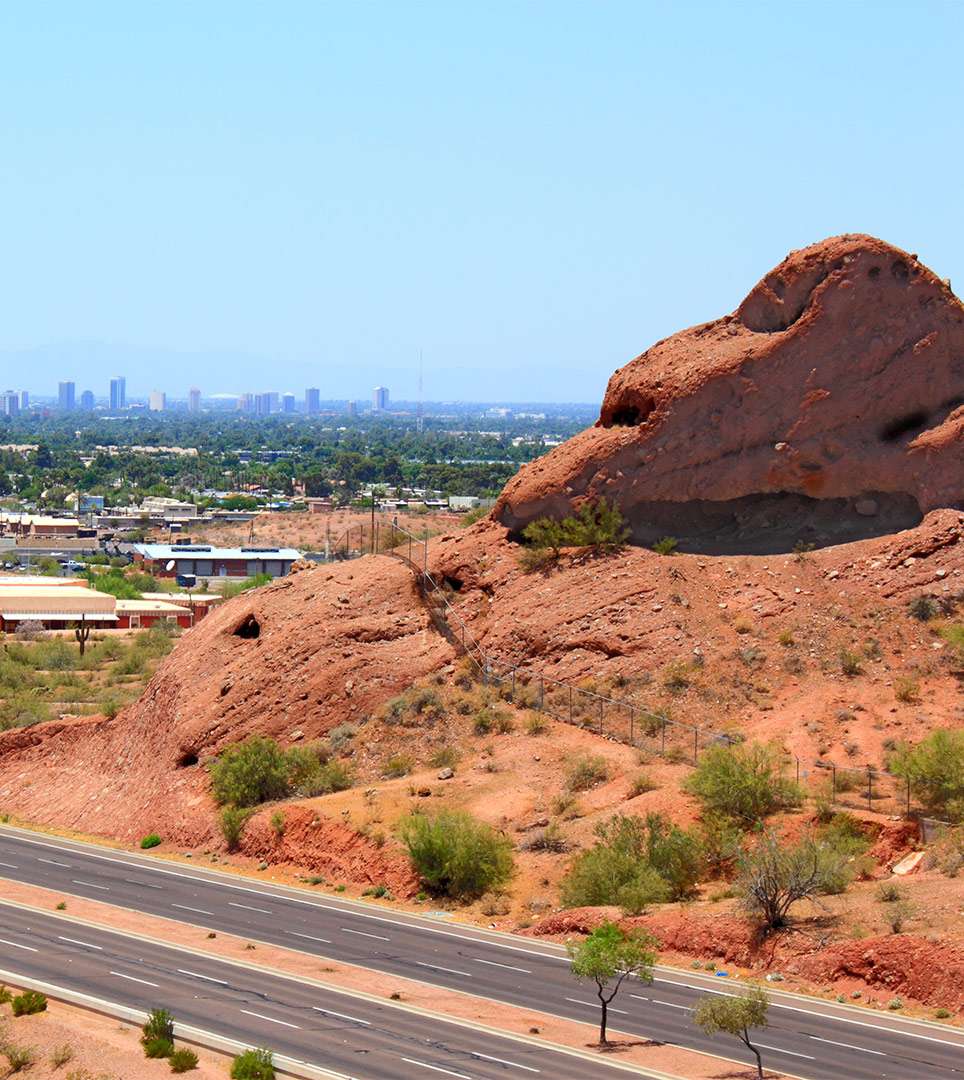
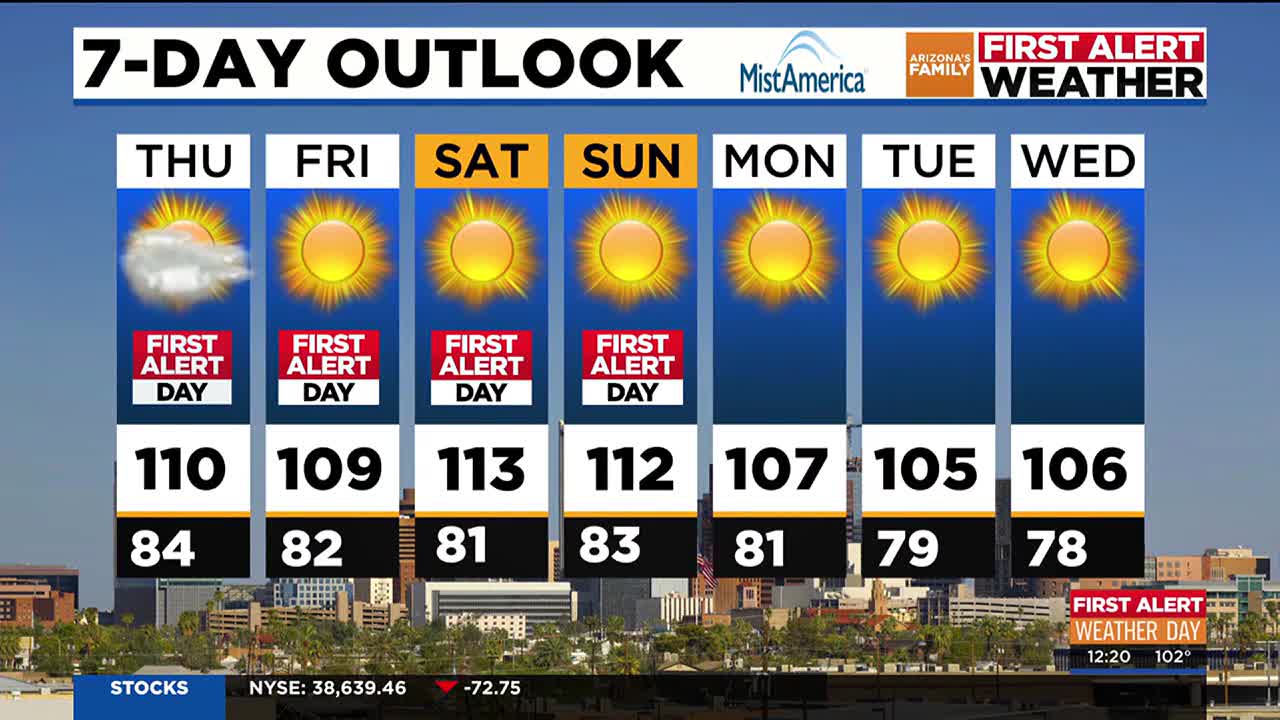
The southern half of Arizona, encompassing major metropolitan areas like Phoenix, Tucson, Scottsdale, Mesa, and Tempe, is characterized by its arid, hot desert climate. This region experiences intensely hot summers, with daytime temperatures regularly exceeding 100°F (38°C) from May through September, often reaching 110-115°F (43-46°C). The dryness of the air can make the heat feel less oppressive than in humid climates, but it also necessitates constant hydration.
Winters, however, are delightfully mild and sunny, making this period the peak tourism season. From November to April, average high temperatures range from the mid-60s to mid-80s Fahrenheit (18-29°C), with abundant sunshine and very little rainfall. Nights are cool and crisp, often dipping into the 40s (4-9°C). This perfect weather attracts “snowbirds” from colder climates and makes it ideal for outdoor activities like golf, hiking, and exploring iconic landmarks such as Camelback Mountain or Saguaro National Park.
A unique feature of the desert climate is the summer monsoon season, typically from July to September. While the heat persists, the monsoon brings dramatic afternoon thunderstorms, complete with heavy rain, strong winds, and spectacular lightning displays. These storms, though brief, can cause flash flooding and significantly increase humidity. For travelers, this means planning outdoor activities for the mornings and being prepared for potential weather disruptions in the afternoons. Accommodation in this region, whether luxury resorts in Paradise Valley or boutique hotels in Old Town Scottsdale, is almost universally equipped with robust air conditioning and often features extensive pool areas, becoming essential havens during the warmer months.
The High Country: Flagstaff, the Grand Canyon, and Beyond
Venture northward from the desert, and Arizona’s landscape transforms dramatically, giving way to the high country of the Colorado Plateau. Here, cities like Flagstaff, Williams, and areas around the Grand Canyon experience a vastly different climate, characterized by four distinct seasons. Elevations often exceed 7,000 feet (2,100 meters), leading to significantly cooler temperatures year-round.
Summers in the high country are mild and pleasant, with daytime highs typically in the 70s and 80s Fahrenheit (21-32°C) and cool evenings. This makes it a popular escape from the desert heat, ideal for hiking, camping, and exploring national parks and forests. The monsoon season also affects this region, bringing thunderstorms, but the cooler temperatures make them less oppressive.
Winters are cold, snowy, and a major draw for winter sports enthusiasts. Flagstaff and the surrounding mountains receive substantial snowfall, transforming the landscape into a winter wonderland. Ski resorts like Snowbowl become active hubs. Temperatures regularly drop below freezing, with daytime highs often in the 30s and 40s (0-9°C). Access to the Grand Canyon’s North Rim is typically closed from late fall through mid-spring due to snow, while the South Rim remains open, offering breathtaking snow-dusted vistas. Accommodation options here range from cozy lodges near the Grand Canyon to historic hotels in Flagstaff, often featuring fireplaces and robust heating systems. Tourism in this area thrives on both summer adventurers and winter sports lovers.
Central Arizona: The Transition Zones of Sedona and Prescott
Between the arid lowlands and the alpine north lies Arizona’s diverse central region, including popular destinations like Sedona (known for its stunning Red Rock Country) and the historic town of Prescott. These areas, often at elevations between 3,500 and 5,500 feet (1,000-1,700 meters), enjoy a transitional climate that offers the best of both worlds.
Summers are warm but generally milder than the desert, with highs often in the 90s Fahrenheit (32-37°C) and much cooler nights. Winters are cool, with occasional light snowfall, particularly in Prescott and higher elevations of Sedona, but without the extreme cold or heavy snow of the true high country. Spring and fall are exceptionally pleasant, making these seasons ideal for exploring the unique geological formations of Sedona, hiking through Oak Creek Canyon, or enjoying the Victorian charm of Prescott. This region experiences a less intense monsoon season than the desert but still sees afternoon showers. Boutique hotels and spa resorts in Sedona cater to a lifestyle focused on wellness and natural beauty, while Prescott offers historic charm and a more laid-back atmosphere.
Seasonal Guide to Arizona Travel: What to Expect and When to Go
Choosing the right time to visit Arizona depends entirely on your desired activities and preferred climate. Each season presents distinct advantages and considerations for travelers.
Winter (December – February)
Weather: Mild to warm in the desert (60s-70s°F/18-25°C), cold and snowy in the high country (30s-40s°F/0-9°C).
Pros:
- Desert South: Perfect weather for outdoor activities like hiking, golfing on world-class courses, cycling, and exploring cultural attractions in Phoenix, Tucson, and Scottsdale. This is prime time for luxurious resort stays.
- High Country: Excellent for skiing and snowboarding at resorts like Snowbowl near Flagstaff. The Grand Canyon South Rim offers stunning, snow-dusted views with fewer crowds.
Cons: - Desert South: Peak season means higher prices for flights, hotels, and activities. Crowds can be significant.
- High Country: Some roads and services, especially at the Grand Canyon North Rim, may be closed due to snow.
Activities: Golfing, hiking in Saguaro National Park or Desert Botanical Garden, hot air balloon rides, exploring Old Town Scottsdale’s galleries. In the north, skiing, snowshoeing, or a scenic ride on the Grand Canyon Railway from Williams.
Packing: Layers are key. Light jackets and sweaters for desert evenings, full winter gear for the high country.

Spring (March – May)
Weather: Warm and sunny statewide. Desert temperatures begin to rise (70s-90s°F/21-37°C), high country remains pleasant (50s-70s°F/10-25°C).
Pros:
- Wildflowers: Late March to April brings spectacular desert wildflower blooms, particularly in the Sonoran Desert and Organ Pipe Cactus National Monument.
- Ideal for all regions: Comfortable temperatures across the state make it suitable for combining desert and mountain experiences.
- Events: MLB Spring Training (March) brings baseball fans to Phoenix and Tucson areas.
Cons: - Still peak season in the desert, leading to higher prices and crowds. Popular landmarks like Antelope Canyon and Horseshoe Bend can be very busy.
Activities: Hiking, exploring Sedona’s vortex sites, visiting Tombstone or Jerome, rafting on the Colorado River, MLB Spring Training games, or a round of golf.
Packing: Light layers, sun protection (hats, sunglasses, sunscreen), comfortable walking shoes.
Summer (June – August)
Weather: Extremely hot in the desert (100s-115°F/38-46°C), mild and pleasant in the high country (70s-80s°F/21-32°C). Monsoon season (July-September) brings afternoon thunderstorms across the state.
Pros:
- High Country Escape: Ideal time to visit Flagstaff, the Grand Canyon, White Mountains (like Greer), and Lake Powell for hiking, boating, and cooler temperatures.
- Desert Deals: Lower hotel prices and fewer crowds in the desert regions. Perfect for resort stays centered around pools and indoor attractions.
- Monsoon: Dramatic thunderstorms offer a unique, albeit brief, spectacle.
Cons: - Desert Heat: Can be intense and potentially dangerous for prolonged outdoor activity.
- Monsoon: Afternoon storms can disrupt plans, cause flash floods, and increase humidity.
Activities: Indoor attractions like museums (Arizona-Sonora Desert Museum, Kitt Peak Observatory, Biosphere 2), water parks, early morning hikes, and enjoying resort amenities in the desert. In the north, extensive hiking, camping, exploring Canyon de Chelly National Monument, Monument Valley or water sports at Lake Havasu City or Lake Powell and Glen Canyon Dam.
Packing: Light, breathable clothing, wide-brimmed hat, extreme sun protection. For monsoon, a light rain jacket. Hydration is paramount.
Fall (September – November)
Weather: Cooling temperatures statewide. Desert remains warm in early fall but becomes pleasant (70s-80s°F/21-32°C) by November. High country enjoys crisp, cool weather (50s-60s°F/10-18°C) with stunning fall foliage.
Pros:
- Best of Both Worlds: Combines comfortable temperatures across the state with beautiful scenery, especially in the north where aspens turn golden.
- Fewer Crowds: Generally less crowded than spring, though still popular.
- Outdoor Activities: Excellent for hiking, cycling, and scenic drives like Historic Route 66.
Cons: - Still warm in the desert in September.
- Can be a busy time for festivals and events.
Activities: Fall foliage drives in Oak Creek Canyon or the White Mountains, hiking in any region, exploring national parks like Petrified Forest National Park, visiting Native American cultural sites on the Navajo Nation or Hopi Reservation, or attending local festivals. The PGA Tour’s Waste Management Phoenix Open is in early February, but many other golf events and tournaments take advantage of the fall weather.
Packing: Layers are essential. Light jacket for desert evenings, warmer layers for the high country.
Preparing for Your Arizona Adventure: Practical Tips for Every Climate
No matter when or where you plan to explore Arizona, a few practical considerations will enhance your travel experience, ensuring comfort and safety in its varied environments.
Hydration and Sun Protection: Non-Negotiables
Given the generally arid climate, regardless of the season or specific region, constant hydration is crucial. Always carry water, especially when engaging in outdoor activities. The sun in Arizona is intense year-round. Pack and use high-SPF sunscreen, wear a wide-brimmed hat, and sunglasses. Seek shade during the hottest parts of the day, particularly in the desert regions. Even in cooler temperatures, UV radiation can be strong, posing risks to uncovered skin.
Wardrobe Wisdom: Embrace Layering
The key to comfortable travel in Arizona is versatile clothing. Layering allows you to adapt to significant temperature swings between day and night, and as you change elevations. In the desert, light, breathable fabrics are best, even in winter. For the high country, insulated layers are necessary in colder months, but even in summer, a jacket is advisable for cool evenings. Comfortable, sturdy hiking shoes are a must if you plan any outdoor exploration.
Booking Accommodation: Timing is Everything
Your choice of accommodation—from luxurious spa resorts and family-friendly hotels to cozy cabins or long-term stay apartments—should align with the season and your travel plans. During peak season (winter/spring in the desert, summer in the high country), book well in advance, as popular options fill up quickly, and prices are at their highest. Conversely, travelers visiting the desert in summer can often find excellent deals on high-end properties. Always check if your accommodation offers amenities suited to the climate, such as heated pools in winter or powerful air conditioning in summer.
Travel Insurance and Flexibility: Be Prepared
While generally predictable, Arizona’s weather can occasionally throw a curveball. Monsoon storms can cause flight delays or road closures, especially in rural areas. Winter snowstorms can impact travel to the high country. Having travel insurance for unforeseen cancellations or delays, and maintaining flexibility in your itinerary, can alleviate stress. Always check local weather forecasts and road conditions before embarking on long drives, especially when heading to remote landmarks like Monument Valley or Hoover Dam.
Embracing the Outdoors Safely: Know Your Limits
Arizona offers unparalleled outdoor experiences, but safety must be a priority. If hiking in the desert during warmer months, start early, carry ample water, inform someone of your route, and be aware of heat exhaustion symptoms. In the high country, be mindful of altitude sickness, especially if coming directly from sea level. Always stick to marked trails and respect wildlife. Whether you’re planning a thrilling adventure or a leisurely stroll, a little preparation goes a long way in ensuring a safe and enjoyable trip.
In conclusion, the answer to “What’s the weather for Arizona?” is far from simple. It’s a symphony of extremes and mild perfection, a dynamic backdrop that defines the travel experience. By understanding the unique climatic nuances of its deserts, mountains, and transitional zones, and planning accordingly, visitors can unlock the full potential of this magnificent state. From seeking warmth in the desert winter to escaping the heat in the northern forests, Arizona’s diverse weather invites a variety of lifestyles and adventures, promising an unforgettable journey every season of the year.
LifeOutOfTheBox is a participant in the Amazon Services LLC Associates Program, an affiliate advertising program designed to provide a means for sites to earn advertising fees by advertising and linking to Amazon.com. Amazon, the Amazon logo, AmazonSupply, and the AmazonSupply logo are trademarks of Amazon.com, Inc. or its affiliates. As an Amazon Associate we earn affiliate commissions from qualifying purchases.