
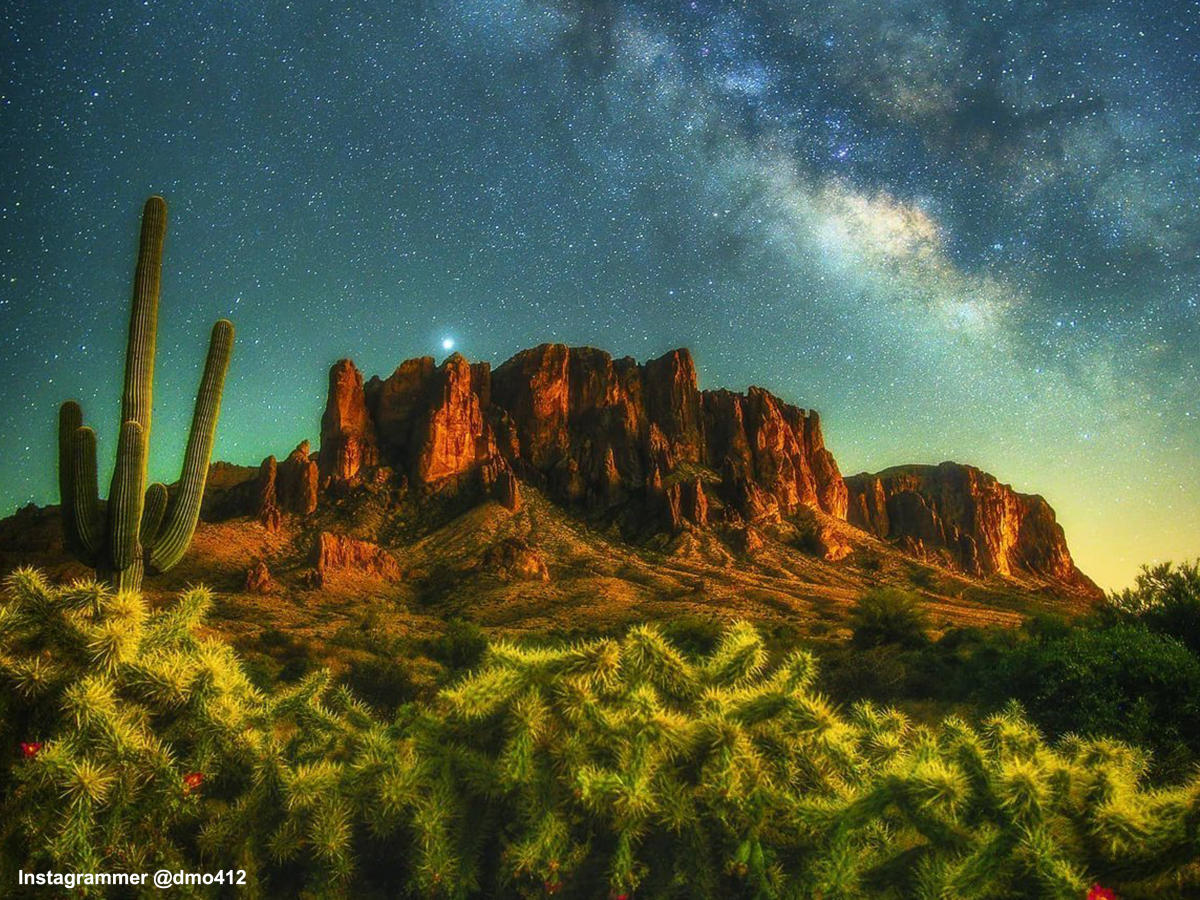
Nestled in the heart of the Sonoran Desert in Arizona, the Superstition Mountains stand as an iconic landmark, steeped in mystery, legend, and breathtaking natural beauty. For centuries, these rugged peaks have captivated the imaginations of adventurers, prospectors, and curious travelers alike. Their formidable silhouette against the desert sky promises untold stories, hidden treasures, and ancient secrets waiting to be discovered. More than just a geological formation, the Superstition Mountains represent a gateway to the Old West, a testament to Native American heritage, and a world-renowned destination for outdoor enthusiasts.
The allure of the Superstition Mountains isn’t merely in their striking appearance but also in the rich tapestry of folklore that surrounds them, most famously the legend of the Lost Dutchman Gold Mine. This tale of immense riches and tragic fates has drawn countless treasure hunters to their treacherous slopes, adding an irresistible layer of mystique to their already dramatic landscape. Whether you’re seeking an adrenaline-pumping hike, a tranquil escape into nature, or a journey through historical lore, understanding their location is the first step towards unlocking the wonders of this extraordinary range. This article delves into where exactly these fabled mountains lie, how to access them, and what makes them an unforgettable Arizona travel destination.

Unveiling the Enigma: The Location of the Superstition Mountains
The Superstition Mountains are a prominent range within the vast Tonto National Forest in the central part of Arizona, specifically situated east of the Phoenix metropolitan area. This location places them within a convenient reach for both local residents and tourists flying into the state’s largest city. Their distinct jagged peaks and deep canyons form a natural boundary that separates the bustling urban sprawl from the serene, untouched desert wilderness.
Geographically, the range is roughly bounded by the communities of Apache Junction to the west, Gold Canyon to the southwest, and the scenic Apache Trail (Arizona State Route 88) wrapping around its northern and eastern flanks. The closest major city is Mesa, which sits just west of Apache Junction and acts as a primary gateway to the mountains. From Phoenix Sky Harbor International Airport, visitors can typically reach the western foothills of the Superstition Mountains in approximately a 45-minute to one-hour drive, depending on traffic and the specific destination within the range.
Geographical Coordinates and Accessibility
The heart of the Superstition Mountains can be pinpointed around 33.47° N latitude and 111.33° W longitude. This coordinates place them firmly within the hot desert climate zone, characterized by extreme temperatures, especially during the summer months. Access to the mountains is predominantly from the west via Apache Junction, which serves as the primary jumping-off point for many explorers. State Route 88, famously known as the Apache Trail, offers the most iconic and scenic route into and around the northern and eastern sections of the range. While portions of the Apache Trail are paved, some sections, particularly east of Tortilla Flat, become unpaved, winding dirt roads that demand careful driving and are generally not recommended for low-clearance vehicles, especially after heavy rains.
For those planning to hike or explore, the Lost Dutchman State Park, located just north of Apache Junction off North Apache Trail Road, provides excellent paved access and serves as a popular trailhead for many of the western and central mountain trails. Other access points, such as the Peralta Trailhead on the southern side, require navigating unpaved roads, offering a more remote and rugged experience. These varied access points cater to different levels of adventure and preparedness, making the Superstition Mountains a versatile destination for all types of travelers.
Proximity to Major Cities and Towns
The strategic location of the Superstition Mountains makes them an accessible day trip or weekend getaway for millions residing in Arizona’s most populous regions.
- Phoenix: The state capital and largest city, Phoenix, is approximately 40 to 60 miles west of the range’s western boundary. This close proximity allows residents and visitors in Phoenix to easily escape the urban environment for a dose of nature and history. Many tour operators offer excursions from Phoenix to the mountains, catering to those who prefer guided experiences.
- Mesa: As one of the largest suburbs of Phoenix, Mesa is even closer, sitting just 20-30 miles west. Mesa offers a wide array of accommodation options, from luxury resorts to budget-friendly hotels, making it a convenient base for exploring the Superstition Mountains and other nearby attractions like Saguaro Lake.
- Apache Junction: This city is essentially the western doorstep to the Superstition Mountains. Apache Junction embraces its Old West heritage and serves as a hub for mountain visitors, providing essential services, local eateries, and a distinct character that aligns perfectly with the adventurous spirit of the region. Many smaller, locally-run motels and RV parks offer a more rustic accommodation experience here.
The accessibility from these urban centers positions the Superstition Mountains not just as a remote wilderness but as an integral part of Arizona’s vibrant tourism landscape, blending wild adventure with convenient urban amenities.
A Tapestry of Legends and Lore
Beyond their physical presence, the Superstition Mountains are defined by an enduring legacy of stories, myths, and unproven claims that have woven themselves into the very fabric of Arizona folklore. These tales range from ancient Native American spiritual beliefs to the more recent, yet equally enthralling, accounts of lost gold mines and spectral guardians. This rich oral tradition adds a profound depth to any visit, transforming a simple hike into a journey through history and legend.
The Legend of the Lost Dutchman Gold Mine
Undoubtedly the most famous legend associated with the Superstition Mountains is that of the Lost Dutchman Gold Mine. The story centers around Jacob Waltz, a German immigrant (mistakenly called “Dutchman”) who, in the late 19th century, allegedly discovered an incredibly rich gold mine deep within the mountains. According to the legend, Waltz would periodically emerge from the mountains with large quantities of gold, only to return to his secret location. On his deathbed in 1891, he supposedly gave cryptic clues about the mine’s whereabouts to a neighbor, leading to a century-long obsession for countless treasure hunters.
The Lost Dutchman Gold Mine legend is a complex web of fact and fiction, drawing elements from Native American tales, Spanish conquistador expeditions, and the experiences of the Peralta family, a Mexican mining family said to have worked rich gold veins in the area before a massacre by the Apache Tribe. Over the decades, hundreds have searched for the mine, some disappearing without a trace, others claiming to have found tantalizing clues but never the mother lode. The mountain’s rugged terrain, combined with its reputation for protecting its secrets, has only fueled the legend, making the search for the Lost Dutchman Gold Mine an enduring symbol of frontier ambition and the allure of hidden wealth. Even today, equipped with maps, metal detectors, and an unshakeable belief, seekers continue to venture into the Superstition Mountains in pursuit of Waltz’s fabled treasure.
Native American Heritage and Sacred Grounds
Long before European prospectors arrived, the Superstition Mountains were considered sacred ground by various Native American tribes, most notably the Apache Tribe and the earlier Hohokam people. For these indigenous communities, the mountains were not just a source of sustenance and shelter but a place of spiritual significance, deeply intertwined with their creation stories, rituals, and way of life.
The Apache Tribe referred to the Superstition Mountains as “Thunder Mountain” or “Mountains of the Setting Sun.” They believed that the holes and caves within the peaks were entrances to the lower world, inhabited by powerful spirits and mischievous beings. Many Apache Tribe tales speak of a “Thunder God” residing in the mountains, responsible for storms and protecting sacred sites. Legends also tell of the “Hieroglyphic Mountain,” a specific peak adorned with ancient petroglyphs, thought to be records of their ancestors and their journeys.
One poignant legend, Apache Leap, tells the tragic story of a group of Apache Tribe warriors who, cornered by U.S. Cavalry, chose to leap to their deaths from a cliff rather than surrender. The obsidian shards found at the base of the cliff are said to be the tears of the Apache Tribe women mourning their fallen men. These stories underscore the deep spiritual and historical connection between the land and its first inhabitants. Respect for these ancestral lands and the cultures they represent is paramount for any visitor, recognizing that the mountains hold much more than just gold; they hold the soul of generations. The Superstitions remain an important cultural landscape, reminding us of the enduring legacy of the United States’s indigenous peoples.
Exploring the Superstitions: Activities and Attractions
The allure of the Superstition Mountains extends far beyond their legendary status. This rugged wilderness offers a diverse range of activities for adventurers of all levels, from strenuous backcountry treks to leisurely scenic drives, making it a prime destination for outdoor enthusiasts and those seeking a unique travel experience in Arizona. The dramatic landscape, characterized by towering spires, deep canyons, and vast expanses of Sonoran Desert flora, provides a stunning backdrop for exploration.
Hiking Trails for Every Adventurer

The Superstition Mountains are a hiker’s paradise, boasting an extensive network of trails that cater to various skill levels and offer unparalleled views of the desert and mountain scenery.
- Lost Dutchman State Park Trails: This park serves as an excellent starting point for many popular hikes. Trails like the Siphon Draw Trail lead to the base of the Flatiron, a challenging and iconic climb offering panoramic views. The Discovery Trail and Treasure Loop Trail are shorter, more accessible options, perfect for families or those seeking a gentler introduction to the mountain landscape.
- Peralta Trailhead: Located on the southern side of the range, the Peralta Trailhead is the gateway to one of the most famous and breathtaking hikes: the Peralta Trail to Fremont Saddle. This moderate to strenuous trail offers stunning views of Weaver’s Needle, a distinctive volcanic plug that is a prominent landmark within the range and a strong contender for the location of the Lost Dutchman Gold Mine.
- Wave Cave Trail: A relatively new internet sensation, the Wave Cave Trail has gained popularity for its unique rock formation—a cave resembling a perfect wave—that offers incredible photo opportunities. This is a moderate, shorter hike, but it can be steep in sections.
- Backcountry Exploration: For experienced and well-prepared backpackers, the interior of the Superstition Wilderness offers multi-day treks through remote canyons and past ancient ruins. However, these areas are primitive, with no water sources and challenging navigation, requiring significant planning and self-sufficiency.
Regardless of the trail chosen, hikers are treated to vibrant desert flora, including saguaros, ocotillos, and wildflowers in season, along with opportunities to spot desert wildlife like bighorn sheep, javelinas, and various bird species.
Scenic Drives and Photography Opportunities
For those who prefer to experience the beauty of the Superstition Mountains from the comfort of their vehicle, several scenic drives offer spectacular vistas and numerous photography stops.
- The Apache Trail (Arizona State Route 88): This historic byway is arguably the most iconic scenic drive in Arizona. Starting near Apache Junction, it winds its way through rugged mountains, past glistening lakes like Canyon Lake and Saguaro Lake, and through charming, historic stops like Tortilla Flat, an authentic Old West stagecoach stop. While parts are unpaved and can be rough, the breathtaking scenery, including dramatic cliffs, sparkling water, and lush desert vegetation, makes it an unforgettable journey.
- Local Roads and Overlooks: Numerous paved roads around the base of the mountains, particularly south and west of Apache Junction and Gold Canyon, offer stunning viewpoints, especially at sunrise and sunset when the mountain faces glow with vibrant hues. These areas provide excellent opportunities for landscape photography, capturing the interplay of light and shadow on the rugged peaks.
These drives offer a chance to absorb the scale and grandeur of the Superstitions without the physical demands of hiking, making them accessible to a wider range of visitors.
Historical Sites and Museums
To fully appreciate the legends and history of the Superstition Mountains, a visit to its historical sites and museums is essential.
- Goldfield Ghost Town: Located on the historic Apache Trail near Apache Junction, Goldfield Ghost Town offers a fascinating glimpse into Arizona’s mining past. Once a bustling gold mining town in the late 1800s with a population of 4,000, it became a ghost town when the gold veins played out. Today, it’s a living history attraction with shops, historical buildings, a saloon, a narrow-gauge railroad, and even a simulated Mammoth Mine tour. It’s an entertaining and educational stop for all ages.
- Superstition Mountain Museum: This non-profit museum is dedicated to preserving and exhibiting the history, legends, and lore of the Superstition Mountains, the Lost Dutchman Gold Mine, and the Apache Trail. It houses an impressive collection of artifacts, photographs, and exhibits detailing the mining history, Native American heritage, and natural history of the region. Outside, visitors can explore a full-scale replica of a Dutchman’s cabin, a 20-stamp ore mill, and numerous other historical structures. It’s an indispensable stop for anyone looking to delve deeper into the mysteries of the mountains.
These attractions provide context and stories that bring the rugged landscape to life, enriching the overall experience and connecting visitors with the adventurous spirit that defines this unique part of North America.
Planning Your Adventure: Tips for Visiting the Superstition Mountains
Venturing into the Superstition Mountains promises an unforgettable experience, but proper planning is essential to ensure a safe and enjoyable trip. Given the rugged terrain, extreme climate, and potential for sudden weather changes, being well-prepared is key to making the most of your adventure. From choosing the best time to visit to understanding accommodation options and safety precautions, these tips will help you navigate the wonders of this legendary Arizona landmark.
Best Time to Visit and Weather Considerations
The climate of the Sonoran Desert dictates the ideal visiting seasons for the Superstition Mountains.
- Fall (October – November) and Spring (March – April): These are by far the most popular and recommended seasons. Temperatures are pleasantly mild, typically ranging from the 60s to 80s Fahrenheit (15-27°C), making it perfect for hiking, camping, and extended outdoor activities. The desert often blooms with wildflowers in spring, adding vibrant colors to the landscape.
- Winter (December – February): While cooler, with daytime temperatures often in the 50s and 60s Fahrenheit (10-20°C), winter offers crisp air and comfortable hiking conditions. Nights can drop below freezing, so layered clothing is crucial. This season typically sees fewer crowds, offering a more serene experience.
- Summer (May – September): Visiting during summer is generally discouraged due to extreme heat. Daytime temperatures frequently exceed 100°F (38°C), and can reach well over 110°F (43°C). Hiking in these conditions is dangerous and can lead to severe heatstroke or dehydration. If you must visit, restrict activities to very early mornings, carry excessive amounts of water, and be acutely aware of your physical limits. The summer months also bring the monsoon season (July-September), which can result in sudden, intense thunderstorms and dangerous flash floods in washes and canyons. Always check weather forecasts before heading out.
Accommodation Options and Nearby Stays
While there are no hotels directly within the remote wilderness of the Superstition Mountains, numerous accommodation options are available in nearby towns, catering to various lifestyle preferences and budgets.
- Apache Junction: Being the closest city, Apache Junction offers a range of motels, budget-friendly hotels, and an abundance of RV parks and campgrounds. This is an ideal base for those looking for convenience and a more rustic, Old West feel.
- Mesa and Gold Canyon: Slightly further west, Mesa provides a broader selection of hotels, including mid-range brands and some upscale options. Gold Canyon, known for its golf courses and scenic views, features several high-end resorts and vacation rentals, perfect for a more luxurious or comfortable stay after a day of exploration.
- Phoenix, Scottsdale, and Tempe: For those prioritizing amenities, dining, and nightlife, staying in the larger Phoenix metropolitan area offers countless choices, from five-star resorts and boutique hotels to family-friendly suites and budget accommodations. While a bit of a drive to the mountains, the convenience of the city can outweigh the travel time for some.
- Camping: Lost Dutchman State Park offers developed campgrounds with facilities, providing an immersive experience right at the foot of the mountains. Dispersed camping is also permitted in designated areas within the Tonto National Forest for those seeking a more primitive experience, but regulations and fire restrictions must be strictly adhered to.
When booking, consider the specific activities you plan to undertake and choose your accommodation base accordingly for optimal access and enjoyment.
Safety and Preparedness
The rugged beauty of the Superstition Mountains comes with inherent risks, making safety and preparedness paramount.
- Water, Water, Water: This cannot be stressed enough. Carry significantly more water than you think you’ll need, especially during warmer months. There are no reliable water sources in the wilderness areas. Electrolyte supplements are also advisable.
- Navigation: Trails can be poorly marked or disappear in rocky areas. Carry a map and compass, and know how to use them. A GPS device or a reliable GPS app on your phone (with downloaded offline maps) is highly recommended. Let someone know your itinerary and expected return time.
- Appropriate Gear: Wear sturdy hiking boots, layered clothing suitable for temperature fluctuations, a wide-brimmed hat, and sunglasses. Sunscreen is essential year-round.
- Wildlife Awareness: The desert is home to various wildlife, including rattlesnakes, Gila monsters, and scorpions. Be aware of your surroundings, watch where you step and place your hands, and give wildlife a wide berth.
- Flash Floods: During monsoon season, even a distant storm can cause flash floods in canyons and washes. Avoid hiking in these areas if rain is in the forecast.
- Leave No Trace: Pack out everything you pack in. Preserve the natural beauty and historical integrity of the mountains by leaving no trash or disturbing any artifacts.
- Fire Safety: Especially during dry periods, fire danger can be extremely high. Observe all fire restrictions and never leave a campfire unattended.
By adhering to these guidelines, visitors can ensure their journey into the Superstition Mountains is not only memorable but also safe, allowing them to fully immerse themselves in the rich tourism and travel experiences this remarkable landmark has to offer.
The Superstition Mountains are more than just a destination; they are an experience. Their prime location in Arizona, easily accessible from major urban centers, makes them an ideal escape into a world where natural grandeur meets captivating legends. From the relentless pursuit of the Lost Dutchman Gold Mine to the sacred echoes of Native American history, these mountains offer a profound connection to the land and its stories. Whether you come to hike their challenging trails, drive their scenic byways, or simply absorb the mystique, the Superstitions promise an adventure that will linger in your memory long after you’ve left their shadow.
LifeOutOfTheBox is a participant in the Amazon Services LLC Associates Program, an affiliate advertising program designed to provide a means for sites to earn advertising fees by advertising and linking to Amazon.com. Amazon, the Amazon logo, AmazonSupply, and the AmazonSupply logo are trademarks of Amazon.com, Inc. or its affiliates. As an Amazon Associate we earn affiliate commissions from qualifying purchases.