
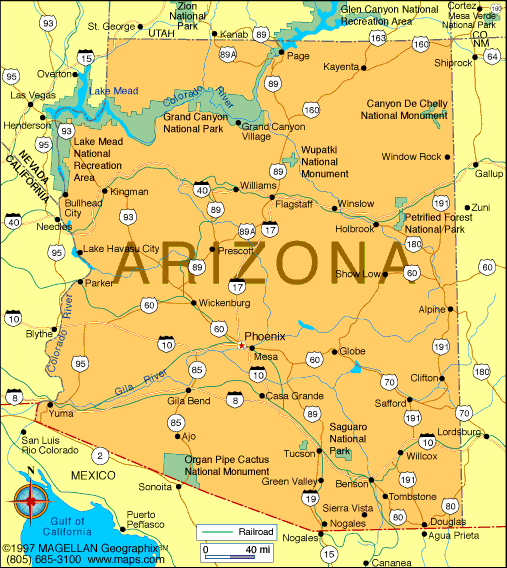
For many travelers venturing through the captivating landscapes of the American Southwest, Arizona often serves as a primary destination, beckoning with the awe-inspiring Grand Canyon, vibrant desert cities like Phoenix and Tucson, and unique cultural experiences. As road-trippers and adventure seekers plot their course, a common question arises for those looking to extend their journey or simply understand the geography of this iconic region: Which state lies directly north of Arizona?
The answer is unequivocally Utah. Sharing a significant border that spans the width of Arizona’s northern frontier, Utah presents a natural continuation of the Southwest’s dramatic beauty, offering an equally compelling, yet distinctly different, array of travel destinations, world-class accommodations, and unforgettable lifestyle experiences. For those planning a comprehensive tour of the intermountain West, understanding this geographical connection unlocks a treasure trove of possibilities, blending the red rock wonders of both states into an epic adventure.

Utah: Arizona’s Majestic Northern Neighbor and a Premier Travel Destination
The border between Arizona and Utah is more than just a line on a map; it’s a seamless transition between two states renowned for their unparalleled natural beauty. This shared frontier includes iconic landscapes such as Monument Valley, a sacred land for the Navajo Nation with its towering sandstone buttes, and the expansive waters of Lake Powell, a recreational paradise formed by the Glen Canyon Dam on the Colorado River. These shared landmarks highlight the intrinsic connection between Arizona and Utah, making them ideal to explore in tandem.
Utah itself is a wonderland for travelers, boasting a diverse topography that ranges from arid desert canyons in the south to the snow-capped peaks of the Wasatch Range in the north. Its reputation as an outdoor enthusiast’s dream destination is well-earned, attracting millions annually with opportunities for hiking, biking, skiing, rafting, and photography that are among the best in the world. The state’s commitment to preserving its natural heritage is evident in its numerous national parks, monuments, and state parks, each offering a unique glimpse into the geological marvels of the planet.
For those flying into Arizona through hubs like Phoenix Sky Harbor International Airport or Las Vegas McCarran International Airport (a convenient gateway for northern Arizona and southern Utah), the drive north into Utah is an experience in itself. Travelers can witness the landscape transform from the Saguaro-studded deserts of southern Arizona to the high desert plateaus and verdant river valleys that characterize much of southern Utah. This geographical shift underlines why Utah is not just a neighbor but a complementary destination for anyone who cherishes the beauty of the American West.
Exploring Utah’s Diverse Landscapes and Iconic Landmarks
Utah’s landscape is a masterclass in geological artistry, offering a spectacular canvas of red rock formations, deep canyons, alpine forests, and shimmering salt flats. Its natural landmarks are globally recognized, drawing visitors from every corner of the globe.
The Mighty 5: National Parks Grandeur
Utah is famously home to the “Mighty 5” National Parks, a collection of five extraordinary natural preserves that showcase some of the most breathtaking scenery on Earth. Many travelers choose to combine visits to these parks with a trip to the Grand Canyon for an unparalleled exploration of the region’s geological wonders.
- Zion National Park: Located in southwest Utah, just a short drive from the Arizona border, Zion National Park is characterized by its massive sandstone cliffs, narrow slot canyons, and the emerald pools of the Virgin River. Famous for hikes like The Narrows and Angels Landing, Zion offers a profoundly immersive experience into a vibrant desert ecosystem. The nearby towns of Springdale and Hurricane provide excellent lodging and dining options, making it a perfect base for exploration.
- Bryce Canyon National Park: A short scenic drive northeast of Zion, Bryce Canyon National Park stuns with its unique geological structures called “hoodoos.” These whimsical, irregularly shaped spires of rock are carved by frost-wedging and erosion into natural amphitheaters, creating an otherworldly landscape that changes dramatically with the light. Sunrise and sunset here are particularly magical, casting long shadows and vibrant colors across the thousands of hoodoos.
- Arches National Park: Situated near Moab in eastern Utah, Arches National Park is home to over 2,000 natural sandstone arches, along with a variety of other unique rock formations, including pinnacles, fins, and balanced rocks. Iconic arches like Delicate Arch, Landscape Arch, and Double Arch offer incredible hiking and photographic opportunities, showcasing nature’s ability to sculpt enduring masterpieces.
- Canyonlands National Park: Also close to Moab, Canyonlands National Park is Utah’s largest national park, characterized by its dramatic desert landscape carved by the Colorado River and its tributaries. The park is divided into four districts—Island in the Sky, The Needles, The Maze, and the rivers themselves—each offering distinct experiences, from easily accessible overlooks to rugged backcountry adventures. Mesa Arch, especially at sunrise, is a photographer’s dream.
- Capitol Reef National Park: Often considered the hidden gem among the Mighty 5, Capitol Reef National Park protects a 100-mile-long wrinkle in the Earth’s crust called the Waterpocket Fold. This geological monocline reveals colorful canyons, domes, and bridges, along with historic orchards planted by Mormon pioneers. It offers a more serene and less crowded experience, perfect for those seeking solitude amidst stunning scenery.
Beyond the Parks: Other Natural Wonders and Recreational Hubs
While the “Mighty 5” are undoubtedly the crown jewels, Utah abounds with countless other natural wonders and vibrant activity centers.
- Monument Valley Navajo Tribal Park: Although technically a Navajo Tribal Park, its iconic mesas and buttes straddle the Arizona-Utah border, making it a key landmark for both states. Its dramatic landscape, frequently seen in Western films, is a powerful symbol of the American Southwest and offers profound cultural insights into the Navajo Nation.
- Lake Powell: Shared between Arizona and Utah, this vast reservoir created by the Glen Canyon Dam is a mecca for water sports enthusiasts. Houseboating, kayaking, paddleboarding, and fishing are popular activities amidst its stunning red rock canyons and clear blue waters. The nearby town of Page, Arizona, serves as a popular gateway.
- Escalante Grand Staircase National Monument: A sprawling landscape of diverse ecosystems, from desert to forest, this monument offers remote backcountry experiences, slot canyon exploration, and unparalleled solitude.
- Ski Resorts of the Wasatch Front: In stark contrast to the southern deserts, northern Utah is world-renowned for its “Greatest Snow on Earth.” Resorts like Park City Mountain Resort, Deer Valley Resort, Alta Ski Area, Snowbird, and Sundance Mountain Resort offer exceptional skiing and snowboarding, luxurious amenities, and vibrant mountain town atmospheres. Park City, in particular, hosts the Sundance Film Festival, adding a touch of celebrity glamour to its alpine charm.
Accommodating Your Utah Adventure: Hotels and Stays
No matter the style of your Utah adventure, the state offers a comprehensive range of accommodation options, from opulent luxury resorts to charming boutique hotels and practical budget-friendly stays. Our travel guides and comparison tools can help you find the perfect fit for your itinerary and lifestyle.
Luxury and Resort Experiences
For travelers seeking unparalleled comfort and amenities, Utah’s luxury segment excels, especially in and around its ski towns and national parks.
- Park City and Deer Valley: These areas are home to some of the most prestigious hotels and resorts in the West. Options like the St. Regis Deer Valley, the Montage Deer Valley, and the Waldorf Astoria Park City offer ski-in/ski-out access, gourmet dining, world-class spas, and impeccably designed suites. These establishments provide a lavish base for both winter sports and summer mountain activities, complete with personalized service and breathtaking views.
- Near National Parks: While less numerous, upscale options are emerging near the southern parks. Places like Amangiri near Lake Powell and Big Water offers an ultra-luxury, immersive desert experience, blending seamlessly with the rugged landscape. Boutique hotels in Springdale (for Zion) and Moab (for Arches and Canyonlands) also provide elevated comfort after a day of exploration.
Budget-Friendly and Family Accommodation
Traveling with family or on a budget doesn’t mean compromising on comfort or convenience in Utah.
- Hotel Chains and Motels: Major hotel chains like Hilton, Marriott, and Wyndham have properties in towns like St. George, Cedar City, Kanab, and Moab, offering reliable, comfortable, and often family-friendly rooms. Many provide amenities like complimentary breakfast, pools, and easy access to attractions.
- Vacation Rentals and Apartments: Platforms offer a vast selection of vacation homes, cabins, and apartments, ideal for families or groups seeking more space, kitchens, and a home-away-from-home feel. These are particularly popular in ski towns and near national park entrances.
- Camping and Glamping: For those who want to be closer to nature, Utah boasts exceptional campgrounds within its national and state parks, as well as private sites. Glamping—glamorous camping—has also gained popularity, offering tented cabins or yurts with amenities that elevate the outdoor experience without sacrificing comfort.
Unique Stays and Long-Term Options
For an unconventional travel experience or extended visits, Utah also provides unique accommodation types.
- Boutique Hotels: From historic properties in Salt Lake City to charming inns in smaller towns, boutique hotels offer distinct character and personalized service.
- Long-Term Stays: For business travelers or those exploring for an extended period, serviced apartments and extended-stay hotels are available in urban centers like Salt Lake City and Provo, providing kitchenettes and amenities suited for longer durations.
Lifestyle and Tourism: Experiencing Utah’s Culture and Activities
Utah’s appeal extends far beyond its stunning natural beauty and diverse lodging; it’s a state rich in unique culture, vibrant cities, and an endless array of activities that cater to every type of traveler.
Culinary Delights and Local Culture
Utah’s culinary scene, particularly in Salt Lake City, has blossomed into a diverse and sophisticated landscape. From farm-to-table restaurants highlighting local produce to international cuisine and craft breweries, there’s something to satisfy every palate. The state’s cultural fabric is deeply influenced by its pioneer heritage, particularly the Church of Jesus Christ of Latter-day Saints, whose history is intertwined with the founding and development of Utah. Temple Square in Salt Lake City is a prominent landmark, offering insights into this heritage through its beautiful architecture and visitor centers.
Beyond the urban centers, regional culinary experiences include hearty Western fare, Dutch oven cooking often found at cowboy poetry festivals, and the flavors of Indigenous communities, especially near the Four Corners region. Local farmer’s markets and food trucks further showcase the state’s growing gastronomic diversity.
Activities for Every Traveler
Utah is a playground for all ages and interests, solidifying its position as a top adventure and family travel destination.
- Adventure Tourism: Hiking, mountain biking, rock climbing, canyoneering, and whitewater rafting are immensely popular, particularly in the southern red rock country. The trails of Zion, the slickrock of Moab, and the slot canyons of Escalante offer world-class challenges and unparalleled scenic rewards.
- Winter Sports: As mentioned, Utah is a mecca for skiers and snowboarders. The proximity of several world-class resorts to Salt Lake City International Airport makes it incredibly convenient for a winter getaway.
- Family-Friendly Fun: Attractions like Lagoon Amusement Park, the Loveland Living Planet Aquarium, and the Natural History Museum of Utah in Salt Lake City provide engaging experiences for children. Many national parks also offer Junior Ranger programs, making learning about nature fun for younger visitors.
- Cultural and Historical Exploration: Explore pioneer history at This Is The Place Heritage Park, delve into paleontological finds at the Dinosaur National Monument, or attend one of Utah’s many festivals, from folk music to Shakespeare.
Planning Your Journey from Arizona to Utah
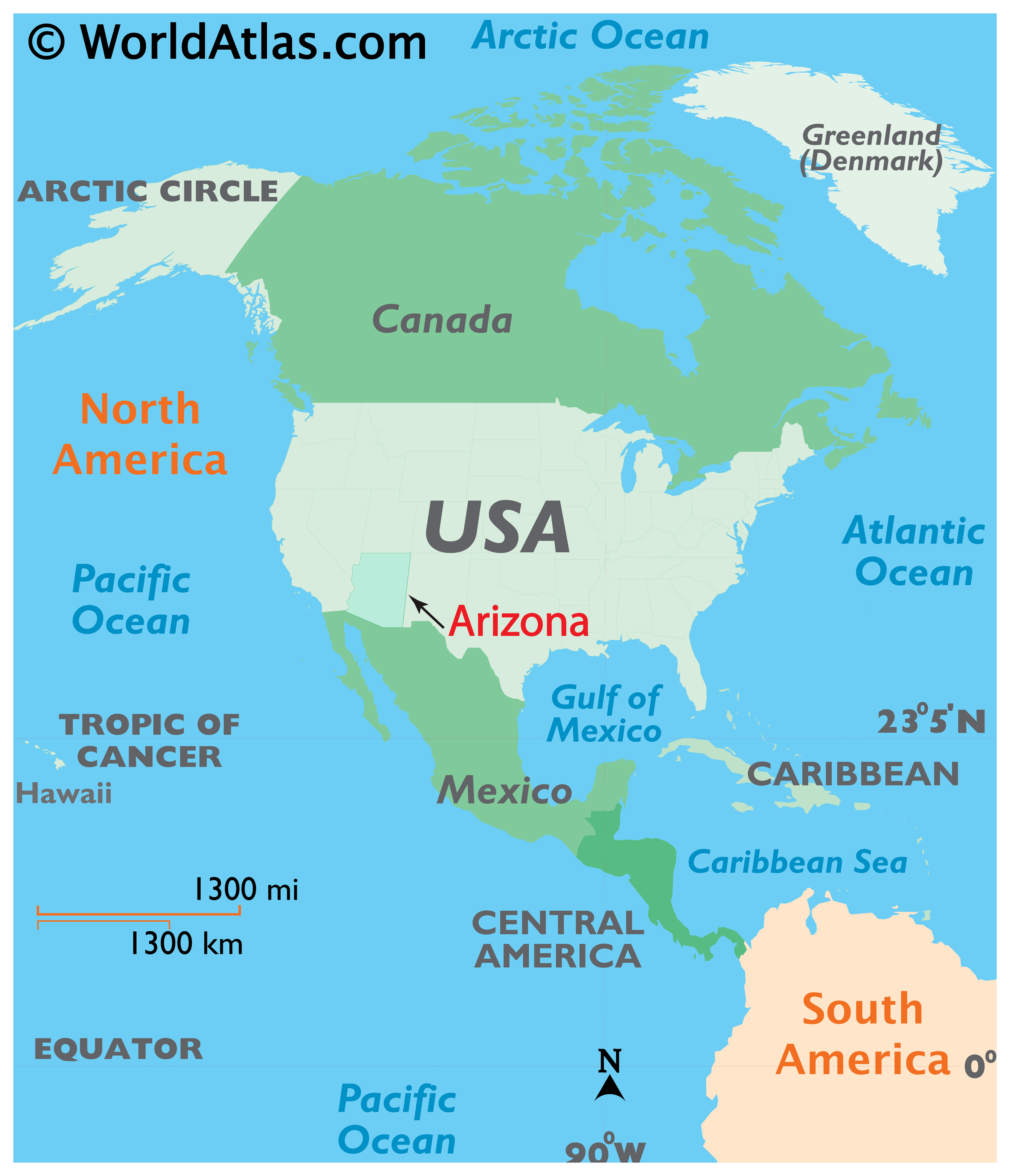
Seamlessly combining an Arizona and Utah trip is highly recommended, as the two states share many natural and cultural affinities. A common itinerary might involve flying into Las Vegas, driving to the Grand Canyon North Rim (or the South Rim via Flagstaff, Arizona), and then continuing north into Utah to explore Zion and Bryce Canyon before heading to Moab or Salt Lake City.
- Driving Routes: Interstate 15 is the primary north-south artery connecting Arizona (via Nevada) to Utah’s major cities and southern parks. Scenic Highway 89 is another popular route, offering direct access to the Grand Canyon and southern Utah parks.
- Seasonal Considerations: The best time to visit southern Utah’s national parks for hiking is spring and fall when temperatures are mild. Summer brings crowds and heat, while winter can offer stunning snowy landscapes but may limit access to certain trails. Northern Utah’s ski resorts are, of course, best visited in winter.
- Tips for Travelers: Always book accommodations and popular tours well in advance, especially during peak season. Be prepared for varying weather conditions, carry plenty of water, and respect park regulations and local customs, particularly when visiting tribal lands.
In conclusion, the state directly north of Arizona is the magnificent Utah. This neighboring state offers an incredible diversity of landscapes, from its iconic national parks and vast wilderness areas to bustling cities and world-class ski resorts. Whether you’re seeking adventure, relaxation, cultural immersion, or simply breathtaking natural beauty, Utah stands ready to deliver an unforgettable travel experience, perfectly complementing any journey through the American Southwest. Explore its wonders and discover why Utah is truly a destination out of the box.
LifeOutOfTheBox is a participant in the Amazon Services LLC Associates Program, an affiliate advertising program designed to provide a means for sites to earn advertising fees by advertising and linking to Amazon.com. Amazon, the Amazon logo, AmazonSupply, and the AmazonSupply logo are trademarks of Amazon.com, Inc. or its affiliates. As an Amazon Associate we earn affiliate commissions from qualifying purchases.