
Embarking on a journey from the bustling metropolis of New York City to the historic charm of Boston is a quintessential American experience, offering a captivating blend of urban sophistication, scenic beauty, and rich cultural heritage. This popular route connects two of the United States‘ most iconic cities, each brimming with unique attractions, world-class dining, and vibrant lifestyles. Whether you’re planning a swift business trip, a leisurely family vacation, or a solo adventure, understanding the distance, travel options, and potential detours is key to a seamless and memorable expedition. This guide delves into everything you need to know about traversing the distance between these two East Coast jewels, transforming a simple commute into an integral part of your travel story.
The Distance Between Two Icons: Unpacking the Miles and Minutes
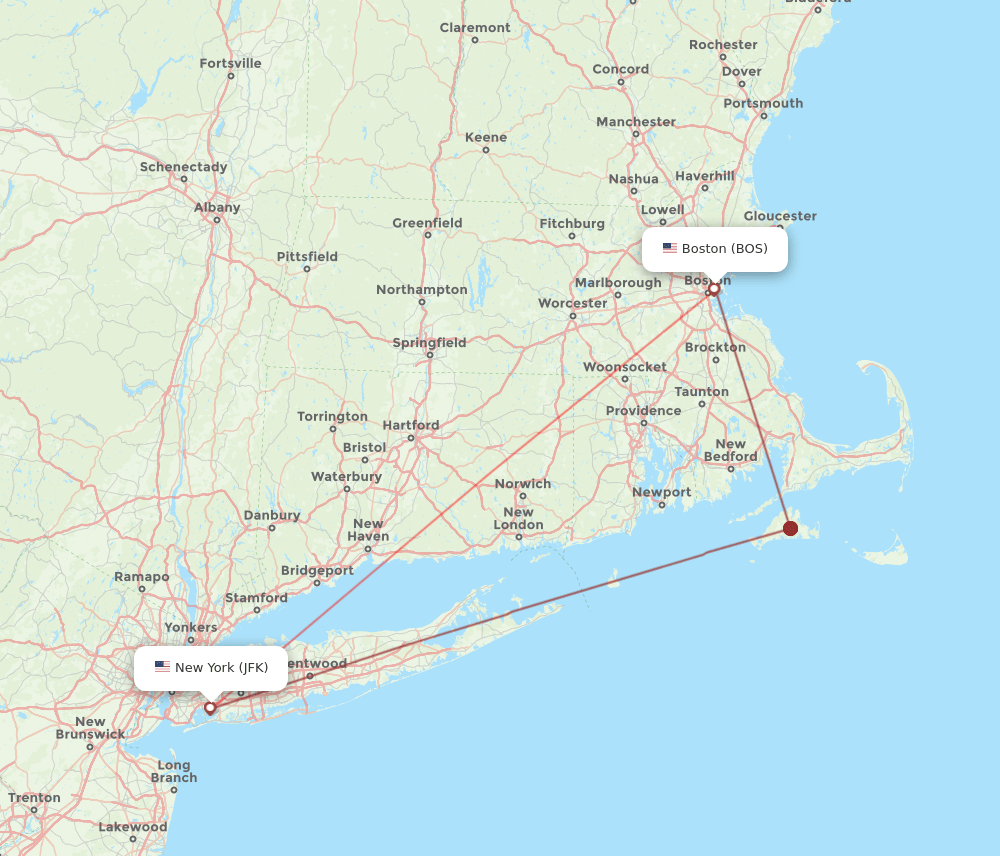
At its core, the question of “how far” from New York City to Boston is answered by a relatively straightforward distance, yet the experience of covering that ground varies dramatically based on your chosen mode of transport and desired pace. The journey typically spans approximately 200 to 220 miles (320 to 355 kilometers), depending on the exact starting and ending points within each city and the specific route taken. This makes it a perfectly manageable distance for a day trip or a weekend getaway, providing ample opportunity to explore both destinations without feeling rushed.
For most travelers, particularly those driving, the most direct path often involves a significant stretch along Interstate 95 (I-95), the major north-south artery of the East Coast. While I-95 offers the quickest route in terms of pure mileage, it’s also notorious for traffic, especially during peak hours, holidays, and summer weekends. An alternative, often more scenic driving route might involve sections of the Merritt Parkway or Route 1 in Connecticut, though these can sometimes add a bit of time to the overall journey due to lower speed limits and more local intersections.
Travel time by car, under ideal conditions with minimal traffic, can range from 3.5 to 4.5 hours. However, it’s prudent to factor in potential delays, especially when passing through major cities like Stamford, New Haven, and Providence. Factoring in a quick stop for gas, a stretch of the legs, or a bite to eat, a realistic driving time often settles around 5 to 6 hours.
By train, specifically the high-speed Acela Express operated by Amtrak, the journey can be remarkably efficient, taking as little as 3.5 hours from Moynihan Train Hall in New York City to South Station in Boston. The slower Northeast Regional service typically takes around 4 to 4.5 hours. Buses offer the most budget-friendly option, with travel times usually falling between 4 and 5 hours, though this can extend further with multiple stops or traffic. Flying, while seemingly the fastest, involves airport commute times, security checks, and flight delays, often making it less time-efficient for this particular route when compared to train travel. The flight itself is usually under an hour, but door-to-door, it rarely beats the Acela.
Understanding these variables allows travelers to select the option that best aligns with their priorities, whether it’s speed, cost, comfort, or the desire for a scenic exploration of the Northeastern corridor.
Navigating the Northeast Corridor: Your Transportation Options
The journey from New York City to Boston offers a diverse array of transportation choices, each catering to different preferences, budgets, and travel styles. Deciding which mode is best for you depends on factors like cost, time sensitivity, comfort, and whether you prefer the freedom of the open road or the convenience of public transport.
Driving: The Freedom of the Open Road
Driving remains a popular choice for many, offering unparalleled flexibility to depart and arrive on your own schedule, make spontaneous stops, and carry as much luggage as you desire. The most common route is via I-95 North, passing through Connecticut and Rhode Island before entering Massachusetts. This route involves tolls, particularly in New York and Massachusetts, which can add to the overall cost. For a more scenic, albeit slightly longer, drive, consider taking the Merritt Parkway (CT-15) through suburban Connecticut, known for its picturesque landscape and distinctive Art Deco bridges. Be aware that commercial vehicles are prohibited on the Merritt Parkway.
- Pros: Flexibility, door-to-door convenience, ability to explore off-route attractions.
- Cons: Potential for heavy traffic, tolls, parking challenges and costs in both cities, wear and tear on your vehicle or car rental expenses.
- Tips: Travel during off-peak hours (mid-morning or late evening) to avoid congestion. Utilize GPS with real-time traffic updates. Factor in rest stops for comfort. For car rentals, companies like Hertz or Enterprise have numerous locations in New York City.
Train Travel: Comfort and Convenience with Amtrak
For those prioritizing comfort, convenience, and a relaxed journey, Amtrak’s train service is an excellent option. Amtrak operates two primary services between New York City and Boston: the high-speed Acela Express and the more traditional Northeast Regional. The Acela Express is faster and more expensive, offering amenities like spacious seating, Wi-Fi, and a cafe car. The Northeast Regional is a more budget-friendly alternative, with a slightly longer travel time but still providing a comfortable experience.
- Pros: Avoids traffic, comfortable seats, Wi-Fi access, allows you to work or relax, direct city-center to city-center travel (Moynihan Train Hall to South Station).
- Cons: Less flexible schedule than driving, can be more expensive than buses, especially Acela tickets.
- Tips: Book tickets in advance, especially for Acela, to secure better prices. Consider business or first class for an even more luxurious experience.
Bus Services: The Budget-Friendly Choice
Bus travel is the most economical option for reaching Boston from New York City. Companies like Greyhound, Peter Pan Bus Lines, and various Chinatown bus operators offer frequent departures throughout the day. While typically slower than the train due to traffic and multiple stops, buses provide a straightforward and affordable way to travel.
- Pros: Most affordable option, frequent departures, often drops off at convenient locations.
- Cons: Can be less comfortable, susceptible to traffic delays, limited amenities.
- Tips: Check reviews for specific bus lines to ensure reliability and comfort. Bring entertainment, snacks, and a neck pillow for a more pleasant journey.
Flying: The Quickest in Air, Not Always Door-to-Door
While the actual flight time between John F. Kennedy International Airport (JFK), LaGuardia Airport (LGA), or Newark Liberty International Airport (EWR) to Boston Logan International Airport (BOS) is less than an hour, the overall travel time often negates the speed advantage for this relatively short distance. Commuting to and from airports, going through security, and potential flight delays can easily extend the total journey to 4-6 hours or more, making it comparable to or even longer than train or car travel.
- Pros: Fastest actual travel time in the air.
- Cons: Significant time spent on airport commutes and security, often more expensive, less practical for short distances.
- Tips: Only consider flying if you have specific reasons, such as connecting to a longer flight or having frequent flyer miles to use.
Beyond the Main Route: Making the Journey an Experience
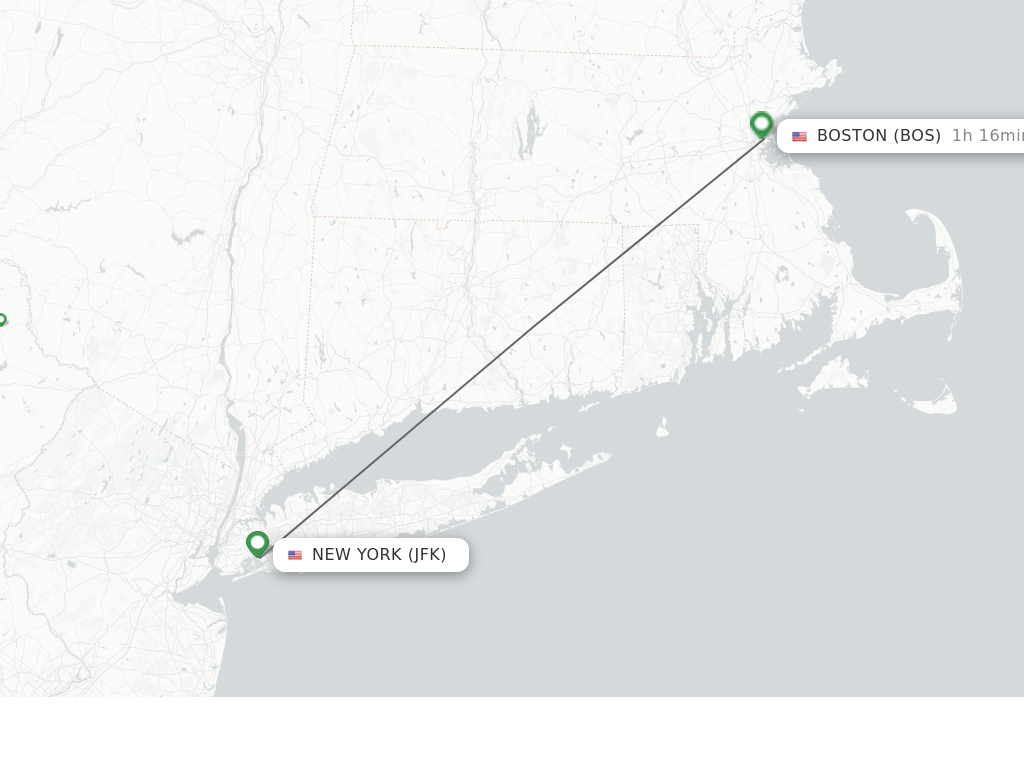
The journey between New York City and Boston doesn’t have to be a mere point-to-point transit; it can be an integral part of your adventure. The Northeast Corridor is dotted with charming towns, historical landmarks, and scenic vistas that are perfect for a stopover, especially if you’re driving or have ample time for a train journey.
Exploring Connecticut’s Charms
As you leave New York and traverse Connecticut, several captivating destinations beckon. New Haven, home to the prestigious Yale University, offers a rich academic atmosphere, stunning Gothic architecture, and a surprisingly vibrant culinary scene (don’t miss its famous pizza!). A stroll through the Yale campus, including the Beinecke Rare Book & Manuscript Library and the Yale University Art Gallery, is a rewarding experience.
Further east along the coast lies Mystic, a picturesque seaport town that transports visitors back to the 19th century. The Mystic Seaport Museum is a living history museum featuring historic ships, a re-created 19th-century seafaring village, and interactive exhibits. Adjacent to it, the Mystic Aquarium offers incredible marine life encounters, making it an ideal stop for families. For those who enjoy a bit of thrill, the Foxwoods Resort Casino and Mohegan Sun are also within easy reach.
Discovering Rhode Island’s Coastal Elegance
Crossing into Rhode Island, the smallest U.S. state, opens up a world of coastal beauty and Gilded Age grandeur. Newport is undeniably the star attraction, famous for its opulent Gilded Age mansions like The Breakers and Marble House, once summer homes for America’s wealthiest families. Exploring these architectural masterpieces offers a glimpse into a bygone era of extravagance. The scenic Cliff Walk, a 3.5-mile path along the shoreline, provides breathtaking views of the ocean and the backside of the mansions.
The state capital, Providence, is another worthwhile stop, particularly for foodies and art enthusiasts. Known for its thriving culinary scene, historic architecture, and the mesmerizing WaterFire Providence art installation (seasonal), Providence offers a vibrant urban experience that perfectly blends history with contemporary culture.
Scenic Detours and Off-the-Beaten-Path Gems
Depending on your itinerary and the season, consider a slight detour off the main highway to experience different facets of the region. During warmer months, a drive towards Cape Cod in Massachusetts can be a delightful extension, though it will add significant time. The Cape offers stunning beaches, charming towns like Hyannis and Provincetown, and fresh seafood. For those coming from upstate New York or looking for a different route into New England, exploring the Hudson Valley region (west of the main I-95 corridor) can be rewarding, with its vineyards, historic estates like Vanderbilt Mansion National Historic Site, and scenic river views. These detours transform a simple commute into a rich cultural and scenic exploration, embracing the essence of regional travel.
Planning Your Stay: Accommodation & Lifestyle in NYC and Boston
The journey between New York City and Boston is just one part of the adventure; equally important is planning where you’ll rest and recharge in these iconic destinations. Both cities boast an incredible range of accommodations, catering to every taste, budget, and travel style. From luxurious five-star resorts to cozy boutique hotels and budget-friendly apartments, finding the perfect basecamp is crucial for a memorable trip.
New York City Stays: A Universe of Choices
New York City offers a staggering array of accommodation options. For a truly lavish experience, luxury hotels like The Plaza Hotel on Central Park, the sophisticated St. Regis New York in Midtown, or the trendy Greenwich Hotel in Tribeca offer unparalleled service and amenities. These establishments often feature exquisite dining, world-class spas, and suites designed for ultimate comfort, perfect for luxury travel or special occasions.
For those seeking a more unique or intimate experience, boutique hotels are scattered throughout neighborhoods like SoHo, the West Village, and Brooklyn, each with its own distinctive character and design. If you’re traveling on a budget, numerous budget-friendly hotels and hostels can be found, particularly in areas like Long Island City (just across the river from Manhattan) or parts of Brooklyn. For longer stays or family trips, apartment rentals or serviced apartments offer the convenience of a kitchen and more space, often found through platforms specializing in long-term stays.
When choosing your New York City accommodation, consider the neighborhood’s proximity to the attractions you wish to visit, public transport access, and the overall ambiance that suits your personal lifestyle. Whether it’s the vibrant energy of Times Square or the quieter, artistic streets of Greenwich Village, each area offers a different slice of the Big Apple.
Boston Accommodations: History Meets Modernity
Boston, with its rich history and contemporary flair, presents an equally enticing range of accommodation options. For a taste of classic Bostonian elegance, historic hotels like the Omni Parker House (the longest continuously operating hotel in the U.S.) near Boston Common or The Lenox Hotel in Back Bay offer charm, character, and often prime locations. These properties often boast unique architecture and stories within their walls.
Travelers looking for stunning views and modern amenities might prefer waterfront hotels in the Seaport District or along the Boston Harbor, such as the Boston Harbor Hotel or the Envoy Hotel. These areas are particularly vibrant with restaurants and offer easy access to attractions like the New England Aquarium.
For family-friendly resorts, options slightly outside the city center, or properties with amenities like indoor pools, might be more suitable. For business travelers, many upscale hotels in the Financial District or near the Boston Convention and Exhibition Center offer dedicated services and meeting facilities, ideal for business stays. Similar to New York, apartment and condo rentals are also available for those seeking more space or an extended stay.
Lifestyle and Travel Style Considerations
Your choice of accommodation and overall travel plan often reflects your lifestyle and travel preferences.
- Luxury Travel: If indulgence is your priority, both cities deliver with Michelin-starred dining, exclusive shopping, and top-tier hotel experiences.
- Budget Travel: Savvy travelers can still enjoy the cities by opting for hostels, economy hotels, public transportation, and exploring free attractions.
- Family Trips: Look for hotels with connecting rooms, kid-friendly amenities, and proximity to parks and museums. Consider apartment rentals for more space and the ability to cook some meals.
- Business Stays: Focus on hotels with good Wi-Fi, meeting facilities, and easy access to business districts or convention centers.
Regardless of your chosen travel style, booking your accommodation in advance is always recommended, especially during peak seasons or major events, to ensure you secure the best options and rates. Utilizing websites that offer booking, reviews, and comparison tools can help streamline this process. Both New York City and Boston are destinations that promise an unforgettable experience, and with careful planning, your journey and stay will perfectly complement the rich tapestry of these East Coast gems.
In conclusion, the distance from New York City to Boston is more than just miles; it’s an opportunity to connect with the vibrant pulse of the Northeast. Whether you opt for the scenic drive, the efficient train, the economical bus, or a quick flight, each mode of transport offers a unique perspective on this iconic route. By considering your budget, time constraints, and desire for adventure, you can craft a journey that is as enriching as the destinations themselves. From exploring historic landmarks and indulging in local cuisine to finding the perfect accommodation that suits your lifestyle, the trip between New York City and Boston promises a wealth of experiences waiting to be discovered. So, pack your bags and prepare for an unforgettable adventure across the heart of the East Coast.
LifeOutOfTheBox is a participant in the Amazon Services LLC Associates Program, an affiliate advertising program designed to provide a means for sites to earn advertising fees by advertising and linking to Amazon.com. Amazon, the Amazon logo, AmazonSupply, and the AmazonSupply logo are trademarks of Amazon.com, Inc. or its affiliates. As an Amazon Associate we earn affiliate commissions from qualifying purchases.