
The journey between New York City and Boston is one of the most frequently traveled routes in the Northeastern United States, connecting two of America’s most historically significant and culturally vibrant metropolises. Whether you’re planning a weekend getaway, a business trip, or an extensive tour of New England, understanding the distance, travel options, and what to expect along the way is crucial. This comprehensive guide will delve into every aspect of this popular corridor, offering insights for every type of traveler, from budget-conscious explorers to those seeking luxury and convenience. From the bustling streets of Manhattan to the historic charm of Beacon Hill, this article covers not just “how far,” but “how best” to experience this quintessential East Coast adventure, incorporating elements of travel, accommodation, tourism, landmarks, and lifestyle.
The Geographical Reality: Distance and Key Routes
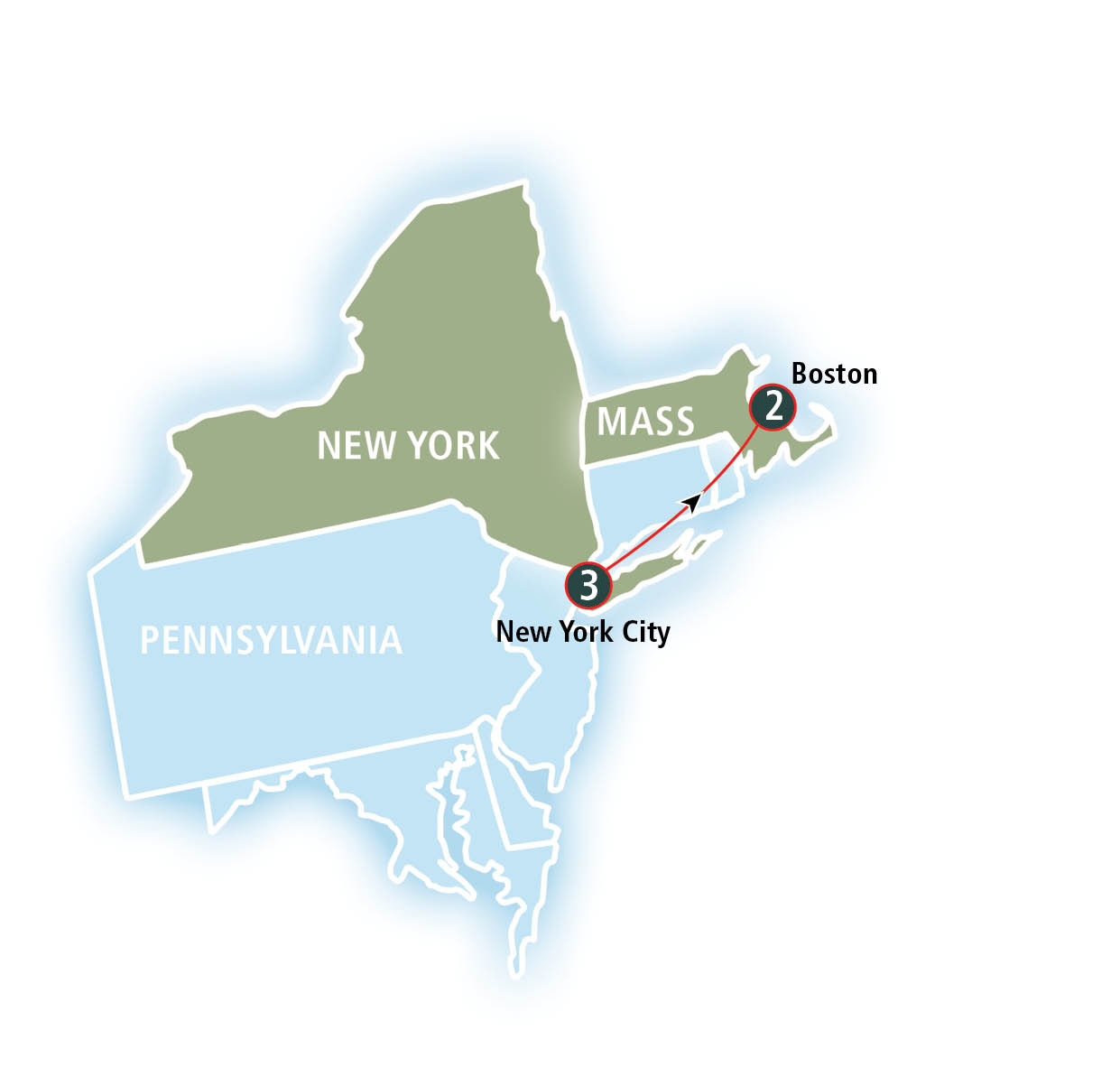
At its core, the question “How far is New York City to Boston?” seeks a precise measurement. However, the answer varies slightly depending on your exact starting and ending points within these expansive cities and the mode of transportation chosen. Generally, the straight-line, or “as the crow flies,” distance is considerably less than the practical driving or transit routes.
Direct Distances and Travel Time Estimates
The approximate distance between downtown New York City and downtown Boston is around 200 to 220 miles (approximately 320 to 355 kilometers) by road. This distance can fluctuate based on the specific route taken. In terms of travel time, under ideal conditions without significant traffic, a non-stop drive can take anywhere from 3.5 to 4.5 hours. However, this is a best-case scenario. Realistically, factoring in potential congestion, especially around urban centers like New York City, Stamford, New Haven, and Providence, travel times can easily extend to 5-6 hours or even more during peak hours, holidays, or inclement weather. For other modes of travel, times are generally more predictable, ranging from 3.5 to 4 hours by high-speed rail to just over an hour for a flight (excluding airport transit and security).
Understanding the Major Interstates
The primary artery connecting New York City and Boston is Interstate 95 (I-95). This major highway runs along the East Coast and is the most direct route. Starting from New York state, I-95 snakes through Connecticut and Rhode Island before entering Massachusetts and leading directly into Boston. While efficient, I-95 is notorious for heavy traffic, particularly along the Connecticut coastline.
An alternative for those driving from New York City (specifically Westchester County or further north) is a portion of the Merritt Parkway (Route 15) in Connecticut, which offers a more scenic, albeit slightly longer and slower, drive with classic Art Deco bridges and no large trucks. This route eventually merges back with I-95 or connects to other highways heading towards Boston, such as I-90 (the Massachusetts Turnpike or “Mass Pike”). The Mass Pike is a significant toll road that directly enters Boston, providing a relatively straightforward path once you reach Massachusetts. Planning your route with real-time traffic updates is highly recommended, especially for drivers.
Exploring Travel Modes: A Comprehensive Guide
The choice of transportation significantly impacts the overall travel experience, dictating not only the duration but also the cost, comfort, and opportunities for sightseeing.
Driving: The Ultimate Road Trip Experience
Driving offers unparalleled flexibility, making it a popular choice for families, groups, or those who prefer to travel on their own schedule. It also provides the option to explore charming towns and attractions along the way.
- Cost: Fuel expenses, tolls (which can add up significantly, especially on I-95 and the Mass Pike), and parking fees in both cities must be factored in. Parking in New York City and Boston can be very expensive.
- Flexibility: You can stop at your leisure. Popular stops include New Haven, Connecticut (for its famous pizza), Mystic Seaport for a maritime history immersion, or even the outlet shopping at Wrentham Village Premium Outlets in Massachusetts. For those interested in a bit of diversion, the major casino resorts like Mohegan Sun and Foxwoods Resort Casino are also accessible from I-95 in Connecticut.
- Lifestyle Considerations: For luxury travelers, renting a high-end vehicle can elevate the road trip experience. Budget travelers should consider carpooling or renting an economy car. Families benefit from the space and ability to carry more luggage, making multi-destination trips easier.
Rail Travel: Comfort and Scenery with Amtrak
Train travel between New York City and Boston is a comfortable and efficient option, largely dominated by Amtrak.
- Routes: The primary service is the Acela Express, a high-speed train that connects New York’s Moynihan Train Hall (and Grand Central Terminal for some Metro-North connections) to Boston’s South Station and Back Bay Station. The Northeast Regional service is a slightly slower but more affordable option.
- Duration: The Acela Express typically takes around 3.5 hours, while the Northeast Regional takes approximately 4 hours. These times are highly consistent, avoiding road traffic woes.
- Amenities & Experience: Amtrak offers spacious seating, Wi-Fi, power outlets, and a cafe car. Business Class and First Class tickets on Acela provide enhanced comfort, complimentary beverages, and quieter environments, ideal for business travelers or those seeking a more luxurious journey. The scenic views of the Connecticut coastline and quaint New England towns offer a pleasant travel experience. Booking in advance is recommended, especially for peak travel times, as fares can increase closer to the departure date.
Bus Travel: Budget-Friendly and Convenient

Bus services provide the most economical way to travel between these two cities, making them a popular choice for students, budget travelers, and spontaneous trips.
- Operators: Major bus companies like Greyhound and Peter Pan Bus Lines offer frequent daily departures. Numerous smaller, independent operators also serve this route, often departing from New York City’s Chinatown area.
- Duration: Bus journeys typically range from 4 to 5 hours, depending on traffic and the number of stops. While generally reliable, they are subject to the same traffic delays as private vehicles.
- Cost: Tickets are significantly cheaper than train or airfare, with prices often starting as low as $15-$30 for one-way travel if booked in advance.
- Amenities: Most modern buses offer amenities like Wi-Fi, power outlets, and comfortable seating, though the level of luxury varies by operator. For long-term stays or those carrying significant luggage, bus travel can be a practical solution given the generous luggage policies compared to airlines.
Flying: The Quickest Link
For those prioritizing speed above all else, flying is the fastest way to cover the distance, though it comes with additional logistical considerations.
- Duration: The actual flight time is remarkably short, often around 1 hour to 1 hour 15 minutes. However, this doesn’t account for the entire travel experience.
- Total Travel Time: When factoring in transit to and from airports, security checks, boarding, and deplaning, the total door-to-door travel time can easily stretch to 4-5 hours, sometimes rivaling or exceeding train travel, especially from downtown to downtown.
- Airports: New York City is served by three major airports: John F. Kennedy International Airport (JFK), LaGuardia Airport (LGA), and Newark Liberty International Airport (EWR). Boston is served by Boston Logan International Airport (BOS). All offer frequent flights between the cities.
- Cost: Airfares can vary widely based on booking time, airline, and demand. While sometimes competitive with Acela, they can also be significantly higher. For business travelers needing to maximize time, flying remains a viable option, though the overall convenience often leans towards train travel for this specific corridor.
Making the Most of Your Journey: Beyond Just Getting There
The trip between New York City and Boston isn’t just about covering distance; it’s an opportunity to immerse yourself in the rich tapestry of East Coast culture, history, and vibrant city life.
Iconic Landmarks and Attractions in New York City
Before or after your journey, exploring New York City’s iconic landmarks is a must. The “Big Apple” offers an unparalleled array of tourist attractions. Visitors can marvel at the majestic Statue of Liberty National Monument and Ellis Island, experience the dazzling energy of Times Square, or enjoy a serene escape in Central Park. Architectural wonders like the Empire State Building and the Brooklyn Bridge offer breathtaking views and photo opportunities.
Cultural enthusiasts can delve into the world-class collections at the Metropolitan Museum of Art or experience a spectacular show on Broadway. For a reflective experience, the 9/11 Memorial & Museum provides a poignant tribute. When it comes to local culture and food, New York City is a melting pot, offering everything from Michelin-starred dining in Midtown Manhattan to authentic street food in various neighborhoods, reflecting its diverse population.
Must-See Sights and Local Culture in Boston
Upon arrival in Boston, a city steeped in American history, there’s a wealth of experiences awaiting. The renowned Freedom Trail offers a self-guided journey through 16 historically significant sites, including Faneuil Hall, the Old North Church, and the site of the Boston Massacre. Sports fans shouldn’t miss the chance to catch a Boston Red Sox game at historic Fenway Park.
Boston’s neighborhoods each tell a unique story. Explore the cobblestone streets and elegant brownstones of Beacon Hill, indulge in authentic Italian cuisine in the North End, or wander through Boston Common, America’s oldest park. For art lovers, the Museum of Fine Arts and the Isabella Stewart Gardner Museum offer impressive collections. Education and innovation thrive around institutions like Harvard University and the Massachusetts Institute of Technology (MIT), both easily accessible from downtown Boston. Other notable attractions include the New England Aquarium and the USS Constitution Museum in Charlestown.
Planning Your Stay: Accommodation and Lifestyle Considerations
Choosing the right accommodation is key to a successful trip, whether you’re embarking on luxury travel, a budget-conscious adventure, a family vacation, or a business stay. Both New York City and Boston boast an extensive range of hotels, resorts, apartments, and villas to suit every preference and budget.
- Luxury Travel: In New York City, properties like the [Four Seasons Hotel New York Downtown](https://lifeoutofthebox.com/four-seasons-hotel-new-york- downtown) or The St. Regis New York offer exquisite suites, impeccable service, and world-class amenities. In Boston, the Ritz-Carlton, Boston or Four Seasons Hotel Boston provide similar opulent experiences, often with stunning views of the city or Boston Common.
- Budget Travel & Mid-Range Options: Both cities have numerous well-regarded boutique hotels, comfortable chain hotels, and serviced apartments that offer excellent value. Exploring neighborhoods slightly outside the immediate city center, but still with good public transport links, can also yield more affordable rates.
- Family Trips: Look for hotels offering family suites, pools, and convenient access to family-friendly attractions. Apartments and villas can be a great option for longer stays or larger families, providing more space and the ability to cook some meals, which can save on dining costs.
- Business Stays: Hotels near convention centers (like Boston Convention and Exhibition Center in the Seaport District or Javits Center in New York City) or in business districts (like Boston’s Financial District or New York’s Financial District) often cater specifically to business travelers, offering amenities such as meeting rooms, executive lounges, and high-speed internet.
- Booking Tips: Always compare prices across different booking platforms. Look for deals that include breakfast or other perks. Consider joining hotel loyalty programs for potential upgrades or discounts on future stays. For long-term stays, specialized accommodation providers can offer competitive rates and home-like comforts. Reviews from previous guests are invaluable for assessing the quality and suitability of an accommodation option.
Choosing Your Adventure: Practical Tips and Considerations
Ultimately, the best way to travel from New York City to Boston depends on your priorities: budget, time, comfort, and the desired travel experience.
If speed is your top priority for city-to-city transit, the Acela Express train or a quick flight (if you factor in efficient airport transfers) will serve you best. For flexibility and scenic detours, driving is the clear winner, allowing you to stop at charming New England towns or attractions like Cape Cod (though this would add significant time to the direct journey). If cost-effectiveness is paramount, bus travel is unrivaled, offering a reliable, albeit potentially longer, journey.
Regardless of your chosen mode, advanced planning is key. Booking train or bus tickets ahead of time often secures better rates. For drivers, checking real-time traffic conditions, especially around rush hour in Connecticut, is essential. Consider the time of year as well; summer weekends and fall foliage season can lead to increased traffic and higher prices for accommodation and transportation.
The journey from New York City to Boston is more than just covering 200-220 miles; it’s an opportunity to experience the diverse landscapes and vibrant cultures of the Northeastern United States. By understanding the distance, evaluating the various travel modes, and planning for your stay in these magnificent cities, you can ensure a smooth, enjoyable, and memorable adventure.
LifeOutOfTheBox is a participant in the Amazon Services LLC Associates Program, an affiliate advertising program designed to provide a means for sites to earn advertising fees by advertising and linking to Amazon.com. Amazon, the Amazon logo, AmazonSupply, and the AmazonSupply logo are trademarks of Amazon.com, Inc. or its affiliates. As an Amazon Associate we earn affiliate commissions from qualifying purchases.