
Embarking on a journey from the historic streets of Boston to the architectural marvels of Chicago promises an exciting adventure, whether you’re traveling for business, a family vacation, or a solo exploration. While the direct flight duration might seem straightforward, the actual travel time from your doorstep in Boston to your final destination in the heart of Chicago encompasses much more than just the hours spent airborne. Understanding the various factors that influence your travel time, from airport procedures to ground transportation, is key to planning a seamless and enjoyable trip.
This comprehensive guide delves into every aspect of flying between these two iconic United States cities. We’ll explore the typical flight times, break down the full travel journey from start to finish, provide insights into the major airports you’ll encounter, and offer valuable tips for optimizing your travel experience. Furthermore, we’ll touch upon the vibrant attractions, diverse culinary scene, and excellent accommodation options awaiting you in the Windy City, ensuring your trip planning is as thorough as possible.
Understanding the Flight Duration: More Than Just Airtime
When travelers ask, “How long is the flight from Boston to Chicago?”, they’re often seeking the raw airtime. However, a realistic estimate of your journey needs to encompass a broader spectrum of factors, extending beyond the moment the wheels leave the tarmac until they touch down again.
The Direct Flight: Averages and Realities
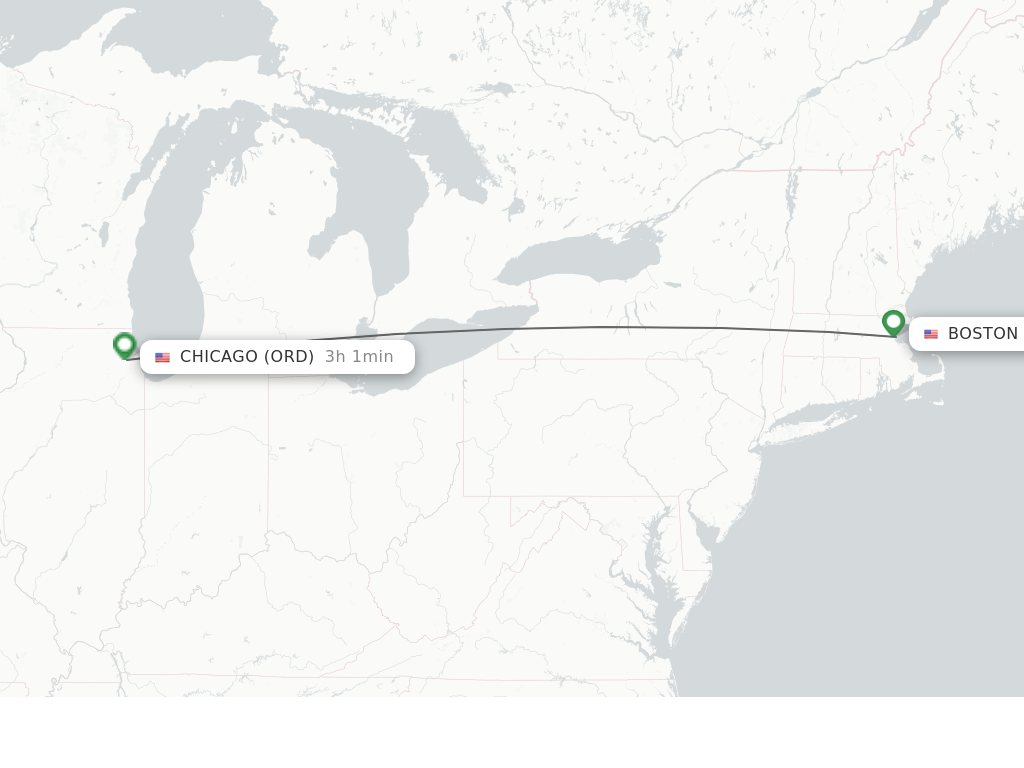
A direct flight between Boston Logan International Airport (BOS) and Chicago’s major airports, O’Hare International Airport (ORD) or Midway International Airport (MDW), typically spans approximately 2 hours and 30 minutes to 3 hours. This duration covers the actual time the aircraft is in the air, traversing the roughly 850-mile distance between the two cities.
However, several variables can influence this estimated airtime:
- Weather Conditions: Strong headwinds can add significant time to a flight, potentially extending it by 15-30 minutes or more. Conversely, tailwinds can shave off some time. Severe weather events like thunderstorms or snowstorms can also lead to delays or rerouting, impacting the overall travel duration.
- Air Traffic Control (ATC) Restrictions: Busy air corridors and airport congestion, particularly around major hubs like Chicago, can lead to holding patterns, ground delays, or rerouting, all of which extend flight time.
- Aircraft Type: Different aircraft models have varying cruising speeds, which can subtly affect the flight duration.
- Airline Schedules: Airlines often build a buffer into their scheduled flight times to account for minor delays, meaning the actual flight might sometimes be shorter than the published duration.
Major airlines that frequently operate this route include American Airlines, United Airlines, Delta Air Lines, Southwest Airlines, and JetBlue Airways, offering a competitive range of schedules and services.
Beyond the Air: The Full Travel Journey
To truly understand the “how long” of your trip, you must account for the entire door-to-door experience. The actual air travel is just one component of a larger journey:
- Pre-Flight Airport Arrival: It’s recommended to arrive at the airport at least 1.5 to 2 hours before a domestic flight, especially if you’re checking bags. This time is allocated for:
- Check-in: Dropping off luggage and obtaining boarding passes.
- Security Screening: Navigating TSA checkpoints, which can vary significantly in wait times based on day, time, and airport congestion.
- Walking to Gate: Many airports are large, and gates can be a considerable distance from security.
- Boarding Process: The boarding process typically begins 30-45 minutes before the scheduled departure time and can take 15-25 minutes.
- Taxi, Takeoff, and Landing: These phases involve taxiing to the runway, waiting for clearance, and then taxiing from the runway to the gate upon arrival. This can add 20-40 minutes to the journey at each end, depending on airport traffic.
- Deplaning and Baggage Claim: Once the plane arrives at the gate, it takes time for passengers to deplane. If you checked a bag, factor in another 15-30 minutes (or more during peak times) to retrieve your luggage at baggage claim.
- Ground Transportation at Destination: The time it takes to get from the airport to your final destination in Chicago varies based on traffic, mode of transport (taxi, ride-share, public transit), and your exact lodging location. This could range from 30 minutes to over an hour.
Considering all these elements, the total travel time from leaving your home in Boston to arriving at your Chicago hotel could easily be 5 to 7 hours, or even more during peak travel seasons or with unforeseen delays. This comprehensive perspective is crucial for effective travel planning, especially for those with tight schedules or connecting onward journeys.
Navigating the Airports: Boston Logan and Chicago’s Gateways
The airports at both ends of your journey play a significant role in the overall travel experience and total duration. Familiarizing yourself with Boston Logan International Airport (BOS) and Chicago’s two main airports, O’Hare International (ORD) and Midway International (MDW), can help you navigate efficiently.
Departing from Boston Logan International Airport (BOS)
Boston Logan International Airport (BOS) is a major international gateway and one of the busiest airports in New England. Located just a few miles northeast of Downtown Boston, it offers various transportation options for travelers:
- Public Transportation: The Massachusetts Bay Transportation Authority (MBTA) provides convenient access via the Silver Line bus rapid transit, which connects directly to South Station. The Blue Line subway also serves the airport via a free shuttle bus from Airport Station.
- Logan Express: Dedicated bus services operate from several suburban locations directly to the airport terminals, offering a cost-effective and often quicker alternative to driving.
- Ride-shares/Taxis/Private Cars: Standard options are readily available, though traffic, especially during rush hour, can significantly impact travel time to the airport.
BOS features multiple terminals (A, B, C, E), each equipped with a range of amenities including dining options, retail stores, and airline lounges. Knowing which terminal your flight departs from ahead of time can save valuable minutes upon arrival. Given its high traffic, especially during peak hours or holidays, always allow ample time for check-in and security at Boston Logan.
Arriving in Chicago: O’Hare International (ORD) vs. Midway International (MDW)
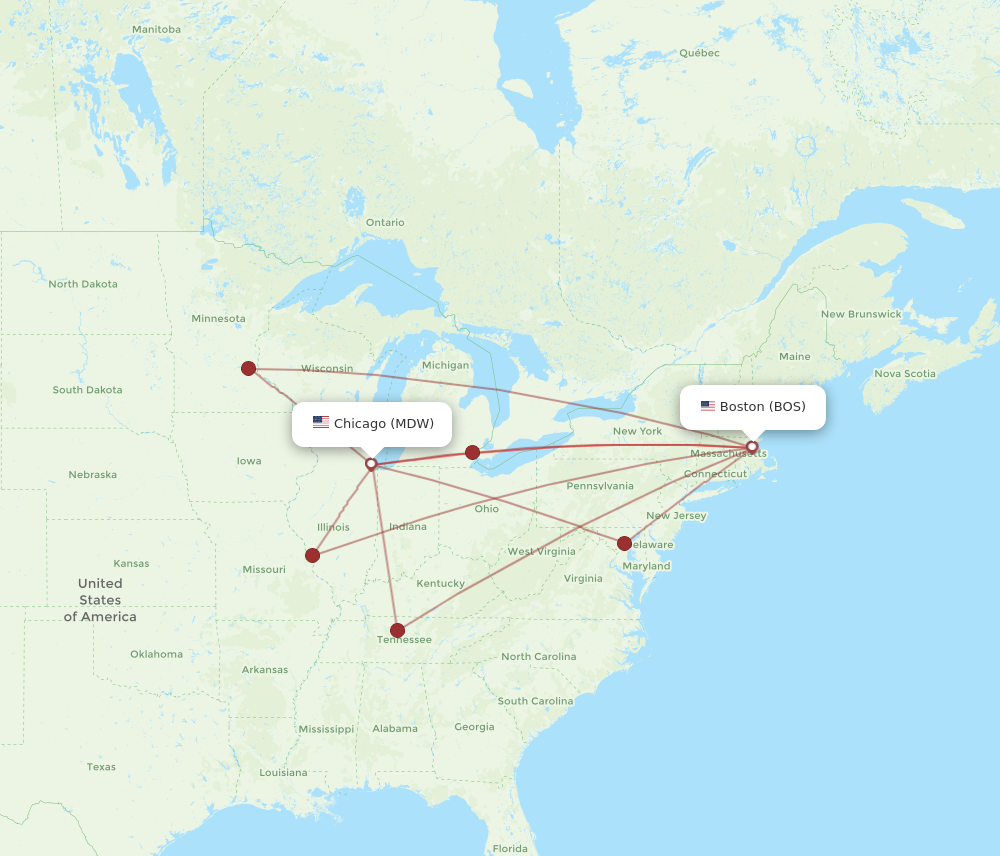
Chicago is unique in having two major airports serving the metropolitan area. Most flights from Boston will land at either O’Hare International Airport (ORD) or Midway International Airport (MDW), and your arrival airport significantly impacts your onward journey into the city.
O’Hare International Airport (ORD)
O’Hare is one of the busiest airports in the world, located about 17 miles northwest of Downtown Chicago. It’s a massive hub, boasting four passenger terminals and a vast array of services, including numerous dining and shopping options, currency exchange, and multiple airline lounges.
- Connectivity to Downtown Chicago: The most efficient way to get from O’Hare to Downtown Chicago is via the CTA Blue Line train, which runs 24/7. The journey typically takes 45-60 minutes, depending on your exact destination in the Loop. Taxis and ride-shares are also available, but traffic on the Kennedy Expressway (I-90/94) can lead to substantially longer travel times, especially during rush hour.
- Considerations: Due to its size and volume, navigation within O’Hare can be time-consuming. Factor in extra time for walking between gates or terminals if you have a connecting flight, or simply for exiting the airport.
Midway International Airport (MDW)
Midway is smaller and often preferred by travelers seeking quicker access to Downtown Chicago. It is situated approximately 10 miles southwest of the city center, making it generally more convenient for urban destinations.
- Connectivity to Downtown Chicago: The CTA Orange Line provides direct train service from Midway to the Loop, with a travel time of about 20-25 minutes. Taxis and ride-shares are also efficient from Midway due to its closer proximity and typically less congested roadways compared to O’Hare.
- Considerations: While smaller, Midway still offers a good selection of dining and shopping. It is often a hub for budget airlines like Southwest Airlines, which might influence your airline choice. The streamlined nature of Midway often means shorter lines and faster processing times, contributing to a quicker overall journey into the city.
Your choice of airport in Chicago can significantly affect your ground transportation time and cost, so it’s a crucial decision when booking your flight.
Optimizing Your Travel Experience: Tips for a Smooth Journey
A trip from Boston to Chicago, while relatively short in airtime, offers plenty of opportunities to enhance your comfort and efficiency. From smart booking strategies to in-flight tips and considerations for connecting flights, a little planning goes a long way.
Booking Your Flight: Timing and Flexibility
The timing of your flight booking can significantly impact both cost and convenience.
- Best Time to Book: Generally, booking domestic flights 1-3 months in advance yields the best prices. Prices tend to fluctuate, increasing closer to the departure date. For peak travel seasons (holidays, summer), consider booking even earlier.
- Flexibility with Dates and Times: If your schedule allows, being flexible with your travel dates can lead to substantial savings. Mid-week flights (Tuesday, Wednesday) are often cheaper than weekends. Similarly, early morning or late-night flights can sometimes offer lower fares and less crowded airports. Using flight comparison websites that allow you to view prices across a month can be incredibly helpful.
- Considering Different Airlines: Don’t limit your search to just one or two carriers. Airlines like American Airlines, United Airlines, Delta Air Lines, Southwest Airlines, and JetBlue Airways all operate this route, often with varying price points and amenities.
- Loyalty Programs and Rewards: If you frequently fly with a particular airline or use a travel rewards credit card, leverage those points and miles for upgrades or even free flights. Joining airline loyalty programs can also provide benefits like priority boarding, extra baggage allowance, or lounge access.
In-Flight Comfort and Entertainment
While a 2.5-3 hour flight is not excessively long, making it comfortable can improve your overall travel experience.
- Seat Selection: If available, choose a seat that best suits your needs. A window seat offers views and a place to rest your head, while an aisle seat provides easier access to restrooms and the ability to stretch your legs without disturbing others. Consider paying for extra legroom if comfort is a high priority.
- Packing Essentials: Even for a short flight, a small carry-on with essentials like a good book or e-reader, noise-canceling headphones, a portable charger for your devices, and some light snacks can make a big difference. Many airlines offer in-flight entertainment, but having your own ensures you’re never without options.
- Staying Hydrated: Airplane cabins are notoriously dry. Bring an empty reusable water bottle to fill up after security or purchase a drink before boarding to stay hydrated.
- Dress Comfortably: Wear loose-fitting clothing and layers to adjust to varying cabin temperatures.
Connecting Flights: A Different Perspective on Travel Time
While direct flights are the quickest in terms of airtime, connecting flights can sometimes be more affordable or offer better schedule flexibility. However, they significantly increase your total travel duration.
- Layover Duration Considerations: If you opt for a connecting flight, ensure you have an adequate layover time. For domestic flights, 1.5 to 2 hours is generally sufficient to deplane, navigate to your next gate, and pass through any necessary security re-screening. Too short a layover risks missing your connection, while too long can lead to unnecessary waiting.
- Benefits and Drawbacks: Connecting flights can be a good option if direct flights are too expensive or unavailable at your desired times. They also offer a chance to stretch your legs in another airport. However, they introduce the risk of delays, missed connections, and the added hassle of changing planes and terminals.
- Choosing Layover Airports: Some airports are more efficient for connections than others. Research the typical on-time performance and ease of navigation for potential layover airports. For a Boston to Chicago route, a connecting flight might typically route through hubs like Detroit, Cleveland, or Minneapolis.
By thoughtfully considering these aspects, you can transform the potentially stressful act of flying into a more relaxed and efficient part of your overall travel experience.
Exploring Your Destination: What Awaits You in Chicago
Once you’ve successfully navigated your flight and arrived in Chicago, a world of urban exploration, cultural enrichment, and culinary delights awaits. As a major hub for travel and tourism, Chicago offers something for every type of traveler, aligning perfectly with a lifestyle focused on experiences.
Must-Visit Landmarks and Attractions
Chicago’s skyline is legendary, dotted with architectural masterpieces and iconic landmarks. Its vibrant neighborhoods are brimming with attractions:
- Millennium Park: A civic gem, home to the famous Cloud Gate sculpture (affectionately known as “The Bean”), Jay Pritzker Pavilion, and Crown Fountain. It’s a fantastic spot for photography and people-watching.
- Art Institute of Chicago: One of the oldest and largest art museums in the United States, boasting an encyclopedic collection that spans centuries and cultures.
- Navy Pier: Extending into Lake Michigan, this historic landmark offers entertainment, dining, shops, and the iconic Centennial Wheel, providing stunning city and lake views.
- Skydeck Chicago at Willis Tower: Dare to step out onto The Ledge, a glass balcony extending four feet outside the 103rd floor of the Willis Tower (formerly the Sears Tower), for unparalleled panoramic views of the city and four states on a clear day.
- Magnificent Mile: A stretch of Michigan Avenue renowned for its upscale shopping, luxury hotels, and diverse dining experiences.
- Museum Campus: Home to three of Chicago’s most esteemed museums: the Field Museum (natural history), the Shedd Aquarium, and the Adler Planetarium, all set against a beautiful backdrop of the city skyline and Lake Michigan.
- Architectural Boat Tour: A must-do for history and architecture enthusiasts, these tours offer a unique perspective on Chicago’s world-renowned buildings from the Chicago River.
Culinary Delights and Local Culture
Chicago’s food scene is as diverse as its population, but two items stand out as quintessential Chicago experiences:
- Deep-Dish Pizza: A visit to Chicago isn’t complete without indulging in a slice of its famous deep-dish pizza. Popular spots include Lou Malnati’s Pizzeria and Giordano’s, each offering their own unique take on this hearty pie.
- Chicago-Style Hot Dogs: Forget ketchup! A true Chicago-style hot dog is an all-beef frankfurter on a poppy seed bun, topped with yellow mustard, chopped white onions, bright green sweet pickle relish, a dill pickle spear, tomato slices or wedges, pickled sport peppers, and a dash of celery salt.
Beyond these iconic foods, Chicago is a culinary powerhouse, offering everything from Michelin-starred restaurants to vibrant street food.
The city also boasts a rich cultural scene, particularly renowned for its jazz and blues clubs, especially in neighborhoods like Lincoln Park and Uptown. Live music venues abound, offering a taste of Chicago’s soulful heritage.
Accommodation in Chicago: Finding Your Perfect Stay
Chicago provides a vast array of accommodation options to suit every budget and travel style, from luxurious five-star hotels to charming boutique stays and budget-friendly alternatives.
- Popular Areas:
- Loop: Ideal for business travelers and those wanting to be at the heart of the city’s financial and cultural district, close to Millennium Park and the Art Institute.
- Magnificent Mile / Streeterville: Perfect for luxury travelers and shoppers, offering proximity to high-end retail, fine dining, and Navy Pier.
- River North: Known for its vibrant nightlife, art galleries, and diverse restaurants, popular among those seeking entertainment and culinary exploration.
- Gold Coast: An upscale residential area with beautiful historic architecture, boutique shops, and a more serene atmosphere, yet still close to attractions.
- Examples of Hotels:
- Luxury: The Langham Chicago (a top-rated hotel with stunning Chicago River views), The Peninsula Chicago, Four Seasons Hotel Chicago.
- Boutique/Lifestyle: Virgin Hotels Chicago (known for its trendy design and amenities), Hotel EMC2, Autograph Collection.
- Mid-Range/Business: Hyatt Regency Chicago (one of the largest hotels in the city, offering extensive facilities), Hilton Chicago.
Booking in advance, especially during peak season or major conventions, is highly recommended to secure your preferred accommodation and potentially better rates.
Conclusion: Making the Most of Your Boston-Chicago Journey
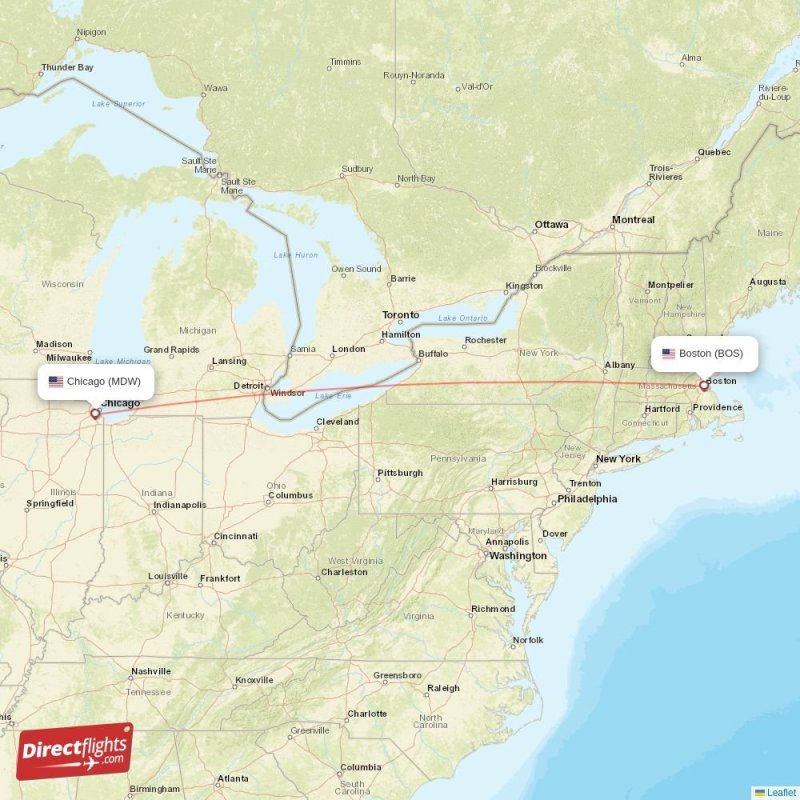
The flight from Boston to Chicago is a relatively short and common route, typically taking around 2.5 to 3 hours in the air. However, a comprehensive understanding of your entire journey – from navigating Boston Logan International Airport to choosing between O’Hare and Midway and reaching your final destination in the Windy City – is crucial for a smooth and stress-free trip.
By accounting for pre-flight procedures, potential delays, and ground transportation, you can realistically plan for a total travel time of 5 to 7 hours. Utilizing smart booking strategies, packing mindfully, and familiarizing yourself with airport layouts will further enhance your travel experience. Once you arrive, Chicago unfolds as a vibrant metropolis, offering world-class landmarks, a distinctive culinary scene, and an impressive array of accommodation options. Whether your visit is for business or leisure, planning with foresight ensures that your journey is as enjoyable and efficient as your stay in this magnificent Illinois city.
LifeOutOfTheBox is a participant in the Amazon Services LLC Associates Program, an affiliate advertising program designed to provide a means for sites to earn advertising fees by advertising and linking to Amazon.com. Amazon, the Amazon logo, AmazonSupply, and the AmazonSupply logo are trademarks of Amazon.com, Inc. or its affiliates. As an Amazon Associate we earn affiliate commissions from qualifying purchases.