
The Boston Marathon is a legendary event, a grueling test of endurance, and a celebrated tradition that draws athletes and spectators from across the globe to Massachusetts, United States. For anyone pondering the challenge or planning a trip to witness this historic race, one of the most fundamental questions often arises: exactly how many miles constitute the iconic Boston Marathon? The definitive answer is 26 miles and 385 yards, which translates to precisely 42.195 kilometers. This seemingly specific distance, rather than a round number, carries a rich history and significance that defines not just the Boston Marathon but all modern marathons worldwide.

Beyond the numerical answer, understanding the Boston Marathon involves delving into its storied past, the demanding route it traverses, and the vibrant atmosphere that transforms the entire region into a grand festival of human spirit and athletic achievement. For those planning their next adventure, whether as participants or eager spectators, the event offers a unique blend of travel, tourism, and an immersion into local culture, making it an unmissable entry on any avid traveler’s list of destinations.
The Iconic Distance: A Legacy of Athletic Endurance
The exact mileage of the modern marathon, and consequently the Boston Marathon, is a direct result of a fascinating historical evolution, rooted in ancient legend and solidified by a royal whim.
From Ancient Games to Modern Spectacle
The concept of a marathon race harks back to ancient Greece and the legend of Pheidippides, a Greek messenger said to have run from the Battle of Marathon to Athens to announce the Greek victory, collapsing and dying upon delivering his message. The distance of this legendary run was approximately 25 miles (40 kilometers). When the modern Olympic Games were revived in 1896 in Athens, the organizers sought to commemorate this feat by including a long-distance footrace of roughly the same length.
The initial Olympic marathons varied slightly in distance, reflecting the logistical challenges and local geography of their host cities. The Boston Marathon, established in 1897, one year after the first modern Olympic Games, initially measured about 24.5 miles, a distance chosen to closely mirror the perceived length of Pheidippides’s historic dash. This makes the Boston Marathon the world’s oldest continuously run annual marathon, a testament to its enduring appeal and historical significance.
The Precision of the Marathon Distance
The precise distance of 26 miles and 385 yards was not universally adopted until after the 1908 London Olympics. The original course for the 1908 London race was set at 26 miles from Windsor Castle to the Olympic Stadium’s royal box. However, a slight extension was made to allow the finish line to be directly in front of the royal family’s viewing area, adding the now-famous 385 yards. This specific length captured the public’s imagination, largely due to the dramatic finish of the 1908 race. By 1921, the International Amateur Athletic Federation (now World Athletics) officially standardized the marathon distance at 26 miles, 385 yards (42.195 km). The Boston Marathon adopted this standardized distance in 1924, cementing its place within the global marathon community and ensuring that all races, from its quaint beginnings to modern spectacles, adhered to the same monumental challenge. This standardization allows for accurate comparisons of athletic performances across different races and eras, underscoring the universal nature of this incredible human endeavor.
Tracing the Historic Route: A Journey Through Massachusetts
The Boston Marathon is not just a race of a specific distance; it’s a journey through history, scenic towns, and the collective spirit of Massachusetts. The route itself is a significant part of the experience, offering both runners and spectators a dynamic perspective of the region’s charm and challenges.
The Starting Line: Hopkinton’s Grand Tradition
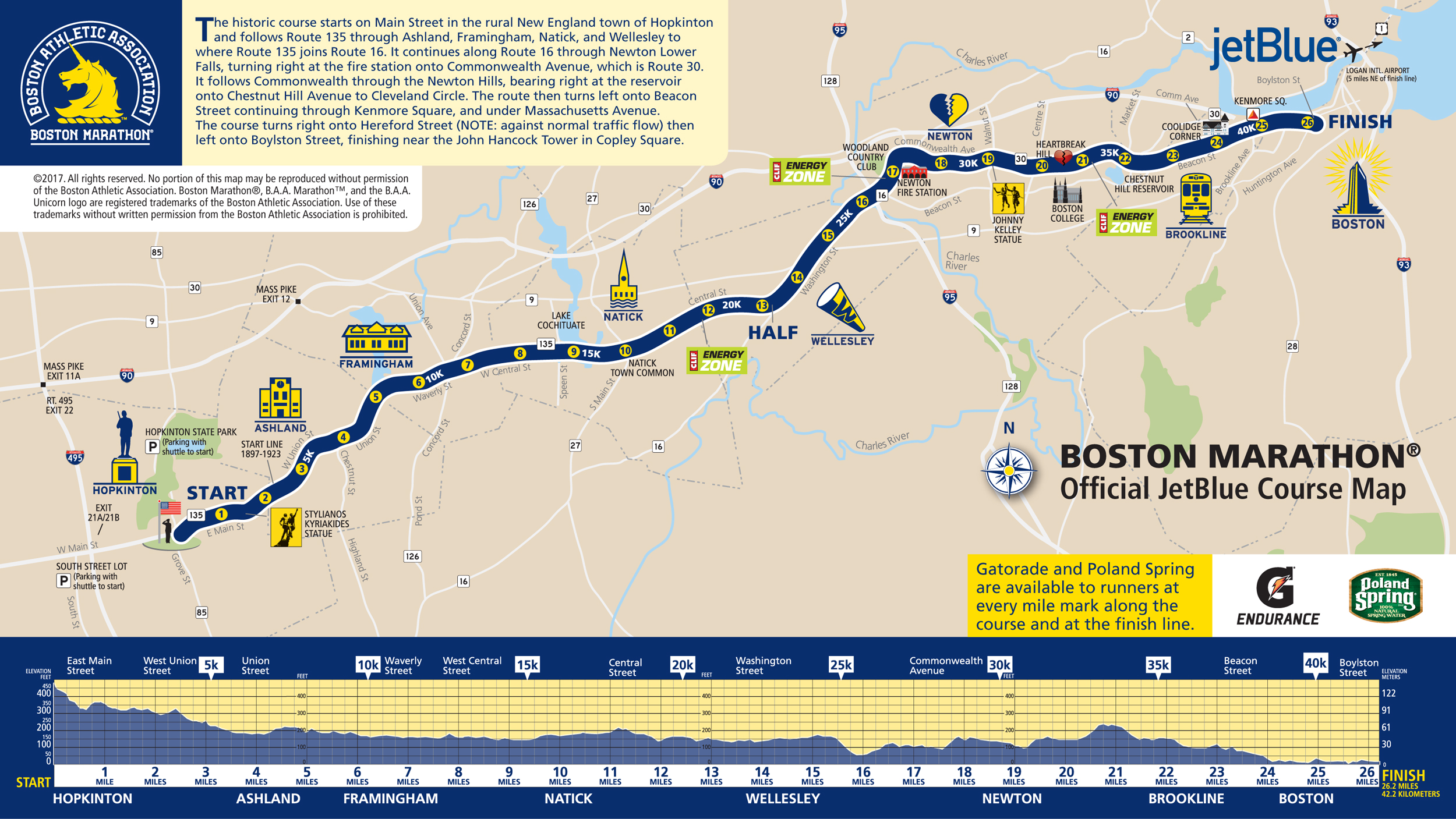
The race famously begins in the quaint rural town of Hopkinton, approximately 26 miles west of Boston. The atmosphere here on Marathon Monday is electric, a mix of nervous energy and eager anticipation. Thousands of runners, many having qualified with rigorous standards, gather before dawn, preparing for the monumental task ahead. The starting line in Hopkinton is more than just a geographical marker; it’s a symbol of hope, dedication, and the culmination of months, if not years, of training. Spectators arriving early can witness the incredible logistics of the event and feel the palpable excitement as waves of runners set off, embarking on their epic trek.
The Challenging Course: Hills, Cheers, and Heartbreak
From Hopkinton, the course is a point-to-point race, largely following Route 135 and Route 16 through a string of charming suburban towns before entering the bustling city of Boston. Each town along the route – Ashland, Framingham, Natick, and Wellesley – embraces the event with enthusiastic crowds, creating an almost continuous tunnel of cheers and support.
- Wellesley Scream Tunnel: Around the halfway point, runners pass through Wellesley College, where students famously line the road, offering loud cheers and even kisses, providing a much-needed morale boost. This section is one of the most iconic and highly anticipated parts of the course for both runners and spectators, embodying the unique local culture of the race.
- The Newton Hills: As runners enter Newton around mile 16, the real challenge begins: a series of four formidable inclines known collectively as the Newton Hills. The most famous of these is Heartbreak Hill, occurring around mile 20. It’s not the steepest hill, but its placement late in the race, when runners are already exhausted, makes it a true test of mental and physical fortitude. Conquering Heartbreak Hill is often seen as the last major hurdle before the final push to the finish.
- Entering Boston: After navigating the hills, the course flattens out, guiding runners through Brookline and eventually into Boston proper. The cityscape begins to emerge, transforming the scenery from tree-lined suburban streets to urban avenues. The approach to Kenmore Square, with the iconic Citgo Sign visible, signals that the finish line is tantalizingly close.
The Finish Line: Boylston Street in Boston
The final miles of the Boston Marathon are run on Commonwealth Avenue and then onto Boylston Street in Boston’s Back Bay neighborhood. The crowds here are immense, roaring with encouragement, creating an unforgettable sensory experience. The sight of the finish line on Boylston Street, with the Boston Public Library and other grand landmarks as a backdrop, is an emotional moment for every runner. Crossing that line represents the culmination of immense effort, discipline, and perseverance, a truly profound achievement in the world of athletic experiences.
The Boston Marathon Experience: More Than Just a Race

The Boston Marathon is far more than its 26 miles and 385 yards; it’s a global event that embodies the spirit of determination, community, and triumph. For those contemplating a visit, understanding the broader experience is crucial for planning an unforgettable trip.
A Spectator’s Guide to Marathon Monday
Marathon Monday, observed on Patriots’ Day (the third Monday in April), is a public holiday in Massachusetts, transforming the entire region into a vibrant celebration. Spectating is an experience in itself. To make the most of it, consider these tips:
- Early Start: The earliest waves of runners begin around 9:00 AM, but the energy builds long before. Arrive early to secure a good viewing spot, especially in popular areas.
- Public Transportation: The MBTA (Boston’s public transport system, often called “the T”) is your best friend. Many subway and commuter rail stations are along or near the route. Plan your travel in advance, as roads are closed and parking is limited.
- Strategic Viewing Spots:
- Wellesley College (Mile 13): For unparalleled enthusiasm and the famous “scream tunnel.”
- Newton Fire Station (Mile 16): Near the start of the Newton Hills for a front-row seat to the challenge.
- Heartbreak Hill (Mile 20): Witness pure grit and determination.
- Kenmore Square (Mile 25): The atmosphere here is electric as runners realize the finish is within reach.
- Boylston Street (Finish Line): While incredibly crowded, the energy at the finish is unmatched. Secure a spot early or consider watching from a restaurant or bar with street views.
- Support the Runners: Bring signs, cheer loudly, and offer water or snacks if permitted. The camaraderie is infectious.
- Weather: April weather in Boston can be unpredictable, ranging from warm and sunny to cold and rainy. Dress in layers and be prepared for anything.
Planning Your Visit: Accommodation and Travel Tips
Visiting Boston for the marathon requires careful planning, especially regarding accommodation. As a premier tourism event, demand for hotels and lodging skyrockets around Marathon Weekend.
- Book Early: This is the single most important tip. Hotels in Boston and surrounding towns can book up a year in advance. Start your booking process as soon as your travel dates are firm. Consider a variety of accommodation types, from luxury suites and resorts to boutique hotels, apartments, or even villas further out. Websites offering comparison and reviews can be incredibly useful.
- Location, Location, Location: Decide whether you want to be near the start, along the course, or at the finish line. Downtown Boston hotels offer proximity to the finish line festivities and easy access to other attractions, but will be the most expensive. Towns along the route, like Framingham or Newton, might offer more budget-friendly options and a different perspective of the race.
- Travel Logistics: Fly into Boston Logan International Airport (BOS). From there, public transport or ride-shares can get you to your accommodation. Familiarize yourself with the MBTA routes to navigate the city efficiently. For runners, specific shuttle services are available to the starting line from Boston.
- Embrace the Lifestyle: The Boston Marathon fosters a unique lifestyle during its weekend. Expect runners carb-loading at restaurants, expo events, and a general buzz of excitement throughout the city.
Beyond the Race: Exploring Boston’s Landmarks and Culture
While the Boston Marathon is a monumental draw, Boston itself is a city steeped in history and vibrant culture, offering countless attractions for any visitor. Extend your stay to explore these famous places and dive into the local culture.
- The Freedom Trail: A 2.5-mile red-lined path through downtown Boston connects 16 historically significant sites, including the Paul Revere House, Old North Church, and Faneuil Hall Marketplace. It’s an excellent way to absorb the city’s role in American history.
- Boston Common and Public Garden: America’s oldest park, the Boston Common, offers a tranquil escape, while the adjacent Public Garden is famous for its Swan Boats and beautiful floral displays.
- Museums: Immerse yourself in art at the Museum of Fine Arts or explore cutting-edge science at the Museum of Science. The Isabella Stewart Gardner Museum offers a unique glimpse into a Venetian-style palazzo.
- Fenway Park: Catch a Boston Red Sox game at America’s Most Beloved Ballpark, a true pilgrimage for sports fans.
- Harvard University and Cambridge: Just across the Charles River, explore the historic grounds of Harvard University and the vibrant squares of Cambridge, home to academic brilliance and lively street scenes.
- New England Aquarium: A fantastic attraction for families, featuring a giant ocean tank and diverse marine life.
- Dining: Boston’s food scene is rich and varied, from fresh seafood in the Seaport District to Italian delights in the North End. Don’t leave without trying clam chowder or a lobster roll.
Whether you’re visiting for a luxury travel experience or a budget travel adventure, Boston offers something for every type of traveler. The city’s blend of colonial history, academic prowess, and modern vibrancy, all set against the backdrop of the Boston Marathon’s enduring spirit, ensures a memorable trip filled with experiences that transcend the ordinary.
Preparing for the Journey: Training, Travel, and Logistics
The Boston Marathon is a massive undertaking, not just for the athletes but also for the city and its visitors. Preparing adequately, whether you’re running or spectating, ensures a smoother and more enjoyable journey.
For Runners: Qualifying and Training
The Boston Marathon is unique in that it is primarily a “qualifier” race, meaning most participants must achieve a specific time in a previous certified marathon to earn a coveted bib number. This rigorous entry standard contributes to its prestige and challenge.
- Qualification Standards: These vary by age and gender and are updated periodically by the Boston Athletic Association (B.A.A.). Meeting a “BQ” is a significant goal for serious amateur runners.
- Training: For those who qualify, the 26 miles, 385 yards require meticulous preparation. Training often spans months, focusing on long runs, speed work, and hill training to tackle the notorious Newton Hills. Many runners meticulously plan their travel and accommodation around their race preparation.
- Race Week Logistics: Runners arrive a few days before Marathon Monday to acclimate, pick up their race packets at the Boston Marathon Expo, and manage pre-race jitters. The expo itself is a significant event, offering insights, gear, and an opportunity to connect with fellow athletes.
For Visitors: Making the Most of Marathon Weekend
Whether you’re supporting a runner, enjoying a family trip, or on a business stay that coincides with the event, planning for the overall Marathon Weekend can enhance your experience of Boston.
- Beyond Marathon Monday: Arrive a few days prior to the race. This allows time to explore the city without the full race-day crowds, visit the Boston Marathon Expo, and enjoy some pre-race carb-loading meals. The city is abuzz with related activities and events leading up to the race.
- Dining Reservations: Restaurants, especially popular ones, will be extremely busy. Make dinner reservations well in advance, particularly for the nights leading up to and including Marathon Monday.
- Packing Essentials: Beyond layers for unpredictable weather, consider comfortable walking shoes as you’ll likely do a lot of exploring. A portable charger for your phone is also highly recommended, especially if you’re using it for navigation and photos throughout the long day.
- Embrace the Energy: The entire city of Boston comes alive during the Marathon Weekend. Even if you’re not intensely following the race, the festive atmosphere, the palpable excitement, and the shared sense of community are infectious. Engage with the local culture, enjoy the food, and soak in the unique spirit of one of the world’s greatest sporting events.
In conclusion, the answer to “How many miles in the Boston Marathon?” is a precise 26 miles and 385 yards. However, this number merely scratches the surface of what makes this event so extraordinary. It represents not just a physical distance, but a journey through history, an iconic route, and a profound celebration of human perseverance that attracts travelers and athletes alike to the historic streets of Massachusetts. Planning your visit well in advance, securing accommodation, and embracing both the race and the rich tapestry of Boston’s attractions will ensure an unforgettable experience.
LifeOutOfTheBox is a participant in the Amazon Services LLC Associates Program, an affiliate advertising program designed to provide a means for sites to earn advertising fees by advertising and linking to Amazon.com. Amazon, the Amazon logo, AmazonSupply, and the AmazonSupply logo are trademarks of Amazon.com, Inc. or its affiliates. As an Amazon Associate we earn affiliate commissions from qualifying purchases.