
The question “How many people died in the Boston Bombing?” addresses a profound tragedy that shook the city of Boston and the world. On April 15, 2013, two homemade pressure-cooker bombs detonated near the finish line of the annual Boston Marathon on Boylston Street. This horrific act resulted in the immediate deaths of three spectators, with a fourth victim, a police officer, dying days later due to injuries sustained during the subsequent manhunt. While the direct fatality count was four, the incident caused hundreds of injuries, many of which were life-altering, and left an indelible mark on the community and beyond. The Boston Marathon bombing serves as a stark reminder of vulnerability, but also of incredible resilience, a spirit that continues to define this historic Massachusetts city. For those exploring Boston today, understanding this event offers a deeper appreciation for its character, its people, and the landmarks that quietly tell stories of both sorrow and strength.
The Immediate Human Toll and Its Lasting Impact
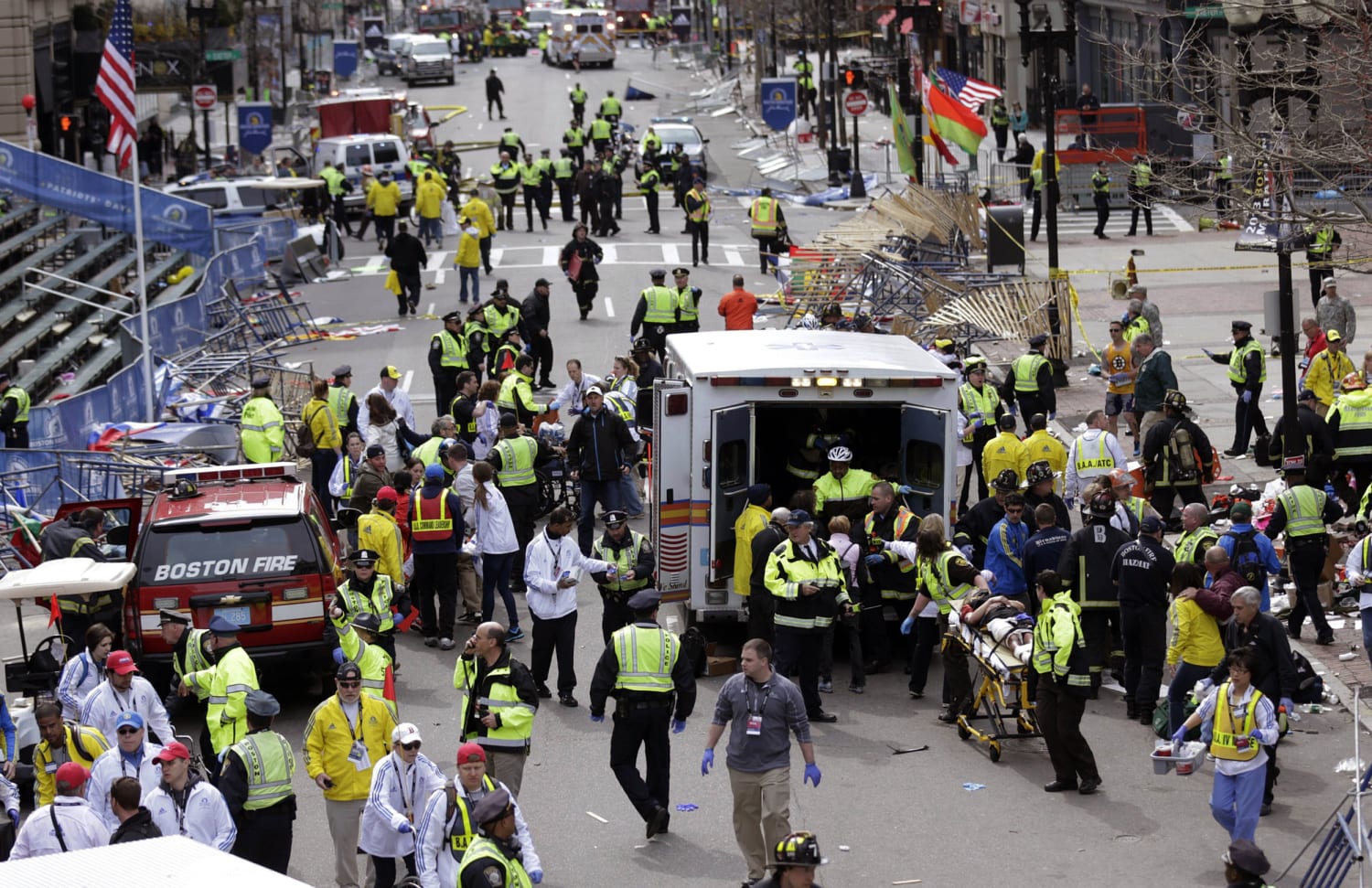
The morning of April 15, 2013, was a day of celebration, a quintessential Patriots’ Day in Boston. Thousands of runners were nearing the finish line of one of the world’s most prestigious races, the Boston Marathon, while countless spectators cheered them on. The vibrant atmosphere was shattered in an instant by two explosions that transformed a scene of athletic triumph into one of unimaginable horror.
A Day Forever Etched in Memory
The first bomb detonated at 2:49 PM EDT, followed by a second explosion just 12 seconds later, about 210 yards away. Both blasts occurred along Boylston Street, a bustling thoroughfare in the heart of Boston, mere steps from the official finish line in Copley Square. The immediate aftermath was chaotic: smoke, confusion, and the cries of the injured. First responders, medical personnel, and even ordinary citizens rushed to provide aid, showcasing an immediate display of courage and compassion that would come to define the city’s response. The incident quickly galvanized a massive law enforcement effort and a profound outpouring of grief and support worldwide. The Boston Public Library, a landmark facing Copley Square, became a makeshift triage center in the initial moments, highlighting how deeply the event permeated the city’s vital spaces.
The Civilian Victims and Their Stories
The three individuals who tragically lost their lives directly at the scene were:
- Krystle Campbell: A 29-year-old restaurant manager from Medford, Massachusetts, who was watching the race with a friend. She was known for her kindness and vibrant personality.
- Lu Lingzi: A 23-year-old graduate student from Shenyang, China, who was studying at Boston University. She had come to enjoy the marathon, a quintessential Boston experience.
- Martin Richard: An 8-year-old boy from Dorchester, Massachusetts, who was watching the race with his family. His famous handwritten sign, “No more hurting people. Peace,” became a symbol of the city’s longing for healing and unity.
In addition to these three, Massachusetts Institute of Technology (MIT) police officer Sean Collier, 27, was shot and killed three days later by the bombers during their attempt to evade capture. He is widely recognized as the fourth fatality directly related to the bombing incident. The sheer scale of injuries was also staggering, with over 260 people wounded, many suffering traumatic amputations and other severe, life-altering injuries. The long-term physical and psychological impacts on survivors and their families continue to be a significant part of the bombing’s legacy. For those traveling to Boston, these stories offer a powerful insight into the community’s heart and history, revealing layers beyond the typical tourist attractions.
The Spirit of Boston: Resilience and Recovery
In the wake of such a devastating event, the world watched to see how Boston would respond. What emerged was a powerful narrative of resilience, unity, and unwavering determination that resonated far beyond the city limits. The phrase “Boston Strong” quickly became a rallying cry, symbolizing the city’s collective spirit to heal, rebuild, and never be defeated. This spirit is a crucial aspect of Boston’s identity, influencing its local culture and the experience for visitors.
The City’s Unwavering Resolve
The immediate aftermath saw an extraordinary collaboration between law enforcement agencies, first responders, and medical professionals. Hospitals across the Boston area, including Massachusetts General Hospital, Brigham and Women’s Hospital, and Beth Israel Deaconess Medical Center, worked tirelessly to treat the injured, demonstrating an unparalleled level of preparedness and dedication. The “shelter-in-place” order during the manhunt brought the city to a standstill, but also showcased its residents’ willingness to cooperate for the common good.
Beyond the immediate crisis, the city’s recovery was marked by acts of profound generosity and community support. Funds like The One Fund Boston were established to help victims and their families, raising millions through donations from around the globe. The subsequent Boston Marathon in 2014 saw an unprecedented surge in participation and spectators, all united in a defiant celebration of strength and solidarity. For travelers interested in the human spirit and how communities overcome adversity, Boston’s story offers a compelling narrative. Even walking through vibrant neighborhoods like the North End or along the Freedom Trail, one can sense the underlying strength that defines this city.
Memorials and Sites of Remembrance
While the physical scars of the bombing have largely healed, the memory of the event is carefully preserved through various memorials and acts of remembrance. These sites offer visitors a chance for quiet reflection and an understanding of the impact and recovery.
- The Finish Line Memorials: Located on Boylston Street, near where the bombs detonated, are two permanent memorials. These beautifully designed bronze and stone markers honor the victims, survivors, and first responders. They feature bronze spires with etched names and quotes, surrounded by benches and trees, creating a peaceful space for contemplation amidst the bustling city. Visiting these memorials can be a poignant part of exploring Boston’s history and its contemporary identity.
- The Martin Richard Park: This inclusive and accessible playground and public space in the Seaport District is dedicated to Martin Richard, embodying his message of peace and community. It’s a vibrant example of how spaces can be transformed from tragedy into places of joy and connection.
- The Boston Marathon Finish Line: The actual finish line on Boylston Street remains a powerful symbol. Every year, thousands of runners cross it, each step a testament to perseverance and hope. For many, simply seeing the painted line evokes a sense of both solemnity and triumph, making it an unintentional landmark with profound significance.
- Boston Public Garden: While not a direct memorial, the Public Garden, along with the adjacent Boston Common, served as a natural gathering point for the community in the days and weeks after the bombing, where people left flowers, notes, and shoes in informal tributes. These green spaces remain central to Boston’s public life, offering tranquility and beauty.
These sites are not just places of remembrance but also testaments to Boston’s enduring character. They seamlessly integrate into the urban landscape, making them accessible for visitors who wish to pay their respects or simply gain a deeper understanding of the city’s narrative.
Boston’s Enduring Appeal for Travelers
Despite the tragic events of 2013, Boston has not only recovered but has continued to thrive as a premier travel destination. Its unique blend of rich history, vibrant modern culture, world-class institutions, and spirited local community makes it an irresistible draw for travelers seeking diverse experiences. The city’s resilience, often underscored by the “Boston Strong” ethos, adds another layer to its appeal, showcasing a destination that celebrates life and community even in the face of adversity.
Exploring a City of History and Modernity
Boston offers an unparalleled journey through American history, from the cobblestone streets of the North End to the iconic Freedom Trail that weaves through 16 historically significant sites. Visitors can walk in the footsteps of revolutionaries, explore the USS Constitution, and immerse themselves in the stories that shaped a nation. Landmarks like Faneuil Hall Marketplace continue to buzz with activity, offering a mix of shopping, dining, and street performances.
Beyond its historical roots, Boston is a hub of innovation and contemporary culture. The Seaport District exemplifies this modernity, with sleek architecture, gourmet restaurants, and cutting-edge businesses. World-renowned institutions such as the Museum of Fine Arts and the Isabella Stewart Gardner Museum offer cultural enrichment, while the lively atmosphere around Fenway Park provides an authentic taste of Boston’s passion for sports. The city’s culinary scene, from fresh seafood at Legal Sea Foods to authentic Italian in the North End, promises delightful gastronomic adventures.
Annual Commemorations and Community Spirit
Each year, on April 15th, Boston observes One Boston Day, a day dedicated to acts of kindness and community service. This initiative transforms a day of tragedy into an occasion for positive action, encouraging residents and visitors alike to engage in charitable deeds and reflect on the city’s unity. The Boston Marathon itself, run annually on Patriots’ Day, continues to be a powerful symbol. The event draws hundreds of thousands of spectators and runners from around the globe, creating an electric atmosphere that celebrates athletic achievement, human perseverance, and the enduring spirit of Boston. Experiencing the marathon, even as a spectator, is a profound way to witness the city’s collective heart. These annual events are not just commemorations; they are vibrant expressions of a community that refuses to be defined by a single moment of terror, instead choosing to focus on hope and collective strength.
Planning Your Visit: Experiencing Boston Today
Boston welcomes millions of visitors each year, offering a blend of historical depth, cultural richness, and modern vibrancy. Planning a trip to this iconic New England city means embracing a variety of experiences, from exploring its renowned landmarks to immersing oneself in its unique lifestyle. Understanding the city’s history, including the events of 2013, adds a meaningful layer to any travel itinerary, allowing visitors to connect with the city on a deeper level.
Accommodation and Travel Insights
Boston boasts a wide range of accommodation options to suit every budget and travel style. From luxury hotels in the Back Bay area, like The Mandarin Oriental, Boston or The Ritz-Carlton, Boston, offering exquisite suites and amenities, to charming boutique hotels in Beacon Hill and budget-friendly options near Logan International Airport, visitors have ample choice. Many hotels offer easy access to public transportation, making it convenient to explore the city’s various districts. Booking in advance, especially during peak seasons like autumn or around the Boston Marathon, is highly recommended. For those considering long-term stays, apartments and villas can provide a more localized experience, allowing deeper immersion into Boston’s neighborhoods.
The city’s compact nature makes it highly walkable, particularly downtown and along the Freedom Trail. The “T,” Boston’s subway system, provides efficient transport to areas further afield, such as Cambridge, home to Harvard University and MIT. Travel guides often emphasize navigating the city on foot to fully appreciate its historical charm and architectural beauty. Whether planning a luxury travel escape or a budget travel adventure, Boston offers flexible options for family trips, business stays, and solo explorations.

Embracing Local Culture and Landmarks
A trip to Boston is an opportunity to engage with a city that has not only shaped history but continues to evolve. Beyond the historical markers and solemn memorials, visitors can enjoy a diverse range of attractions. Take a stroll through the Boston Common and Public Garden, enjoy a Swan Boat ride, or explore the New England Aquarium. Embrace the local culture by catching a Red Sox game at Fenway Park, sampling craft beers at the Samuel Adams Brewery, or having a drink at the iconic Cheers Bar on Beacon Hill.
The events of 2013, while tragic, forged an even stronger sense of community and empathy in Boston. By visiting the memorials on Boylston Street or participating in One Boston Day activities if your trip aligns, you can experience a profound aspect of the city’s enduring spirit. Engaging with these elements of Boston’s recent history enriches your understanding of the destination, transforming a mere vacation into a deeply meaningful experience. From its historic architecture to its resilient people, Boston remains a landmark city with a story that continues to inspire.
LifeOutOfTheBox is a participant in the Amazon Services LLC Associates Program, an affiliate advertising program designed to provide a means for sites to earn advertising fees by advertising and linking to Amazon.com. Amazon, the Amazon logo, AmazonSupply, and the AmazonSupply logo are trademarks of Amazon.com, Inc. or its affiliates. As an Amazon Associate we earn affiliate commissions from qualifying purchases.