
Boston, Massachusetts, is a city renowned for its rich history, vibrant culture, and distinct four-season climate. For anyone planning to visit this iconic New England destination, understanding the local temperature patterns is paramount to a fulfilling and comfortable travel experience. Whether you’re a first-time tourist or a seasoned traveler, knowing what to expect from Boston, Massachusetts’s weather will significantly influence your packing choices, activity planning, and even your accommodation decisions. This guide delves into the nuances of Boston’s temperatures throughout the year, offering insights tailored for tourism, travel, and lifestyle choices.
Boston’s Climate Overview: A Dynamic Four-Season Destination
Boston experiences a humid continental climate, characterized by warm, humid summers and cold, snowy winters. Spring and autumn serve as transitional periods, each offering its unique charm and a range of temperatures. This distinct seasonality means that the city transforms dramatically from one quarter to the next, impacting everything from the types of activities available to the local lifestyle and even the availability and pricing of hotels and resorts.

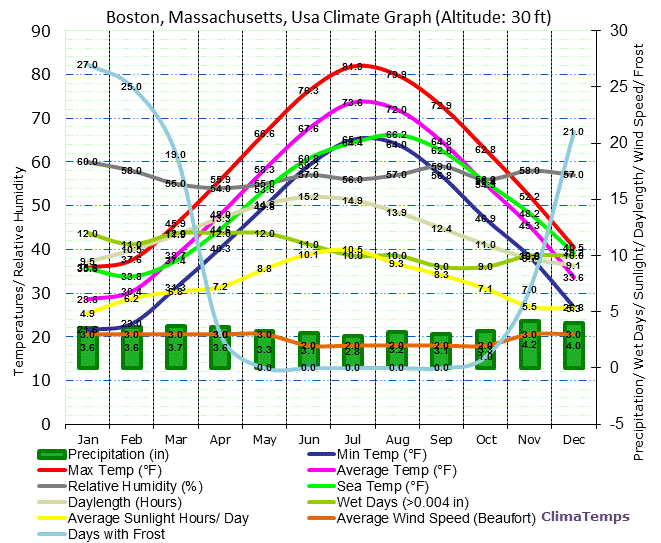
Understanding these seasonal shifts is crucial for any visitor. The average annual temperature in Boston hovers around 50°F (10°C), but this figure masks the wide fluctuations that occur monthly. January is typically the coldest month, with average daily temperatures around 29°F (-1.7°C), often dropping well below freezing. July, on the other hand, is the warmest, averaging 74°F (23.3°C), with daytime highs frequently reaching into the 80s and sometimes even 90s°F (27-32°C). Precipitation is relatively consistent throughout the year, meaning rain or snow can be expected in any season, adding another layer of consideration for travelers. This variability requires visitors to be prepared for diverse conditions, emphasizing the importance of checking forecasts close to their travel dates and packing accordingly to ensure maximum enjoyment of the city’s many attractions.
Embracing the Seasons: What to Expect and When to Visit
Each season in Boston presents a different facet of the city, offering distinct experiences for visitors. From blossoming parks to snowy landscapes, the temperature plays a pivotal role in shaping the atmosphere and the recommended activities.
Spring: Awakening and Mild Weather (March – May)
Spring in Boston is a period of reawakening, as the city sheds its winter coat and bursts into bloom. Temperatures gradually rise, transitioning from crisp lows in the 30s-40s°F (0-10°C) in March to comfortable highs in the 60s-70s°F (15-25°C) by May. While early spring can still bring chilly days and even late snowfall, April and May typically offer mild, pleasant weather ideal for exploring. However, spring showers are common, so an umbrella or raincoat is a wise addition to your packing list.
This season is perfect for outdoor exploration before the summer crowds arrive. Stroll through the historic Boston Common and the Public Garden, where vibrant tulips and cherry blossoms create picturesque scenes. Walking the Freedom Trail is a fantastic way to immerse yourself in revolutionary history without the intense heat of summer. Lifestyle in spring is characterized by renewed energy, with outdoor cafes reopening and locals emerging to enjoy the warmer days. For tourism, the Boston Marathon in April is a major event, drawing crowds and creating a festive atmosphere. Accommodation prices during early spring can be more moderate, but they begin to climb as May approaches, especially around major events or university graduations, which makes pre-booking highly advisable. Hotels like the Hyatt Regency Boston or The Lenox Hotel offer comfortable bases for exploring during this delightful season.
Summer: Warmth, Vibrancy, and Coastal Breezes (June – August)
Boston summers are generally warm to hot and humid, with average temperatures ranging from the low 60s°F (16°C) at night to the mid-80s°F (30°C) during the day. Heatwaves pushing temperatures into the 90s°F (32°C) are not uncommon, but coastal breezes, particularly near the Boston Harbor, can offer some relief. This is peak tourism season, drawing visitors from all over the world to enjoy the city’s vibrant outdoor lifestyle.
Activities during summer are largely centered around enjoying the warm weather and longer daylight hours. Harbor cruises, whale watching tours from the New England Aquarium, and exploring the historic waterfront districts are popular choices. Day trips to nearby coastal destinations like Cape Cod, Martha’s Vineyard, or Provincetown become easily accessible, offering beautiful beaches and charming towns. Sporting events, particularly Boston Red Sox games at Fenway Park, are quintessential summer experiences. Due to high demand, accommodation during summer is at its most expensive, and hotels and resorts often require advance booking. Air conditioning is a must-have amenity. Luxury Hotels such as the Four Seasons Hotel Boston or the Omni Boston Hotel at Seaport are often fully booked. Travelers seeking budget travel options might consider serviced apartments or staying slightly outside the city center, perhaps in nearby Cambridge.
Autumn: Crisp Air and Fiery Foliage (September – November)
Autumn is arguably Boston’s most celebrated season, offering a spectacular display of fall foliage and wonderfully crisp temperatures. September remains mild, often feeling like an extension of summer, with averages in the 60s-70s°F (15-25°C). As October progresses, temperatures cool to the 50s°F (10-15°C), and by November, daytime highs are typically in the 40s°F (5-10°C), with nights dipping close to freezing. The air becomes invigoratingly fresh, and the humidity drops, making it an ideal time for outdoor activities.
The prime attraction of autumn tourism is the breathtaking fall foliage. While Boston itself offers beautiful colors in parks and along the streets of Beacon Hill and Back Bay, scenic drives to surrounding New England states like New Hampshire or Vermont offer unparalleled experiences. Even a day trip to Concord and Lexington provides a historical tour amidst vibrant autumn hues. Apple picking, pumpkin patches, and harvest festivals are popular regional activities. The lifestyle shifts towards cozy indoor gatherings and enjoying hearty seasonal cuisine. Accommodation demand remains high through October due to the foliage season and university events (e.g., at Harvard University and MIT), making early booking essential for hotels and other types of apartments. By November, as the weather turns colder, prices for hotels typically become more favorable, presenting opportunities for those on a budget travel plan.
Winter: A Wonderland of Cold and Charm (December – February)
Winter in Boston is cold, often snowy, and can be quite blustery. Average temperatures range from the low 20s°F (-6°C) to the mid-30s°F (2°C), with periods of much colder weather, especially in January and February. Snowfall is common, sometimes heavy, transforming the city into a picturesque, albeit chilly, wonderland. Despite the cold, Boston embraces winter with a unique charm.
While outdoor time is limited, there are still many ways to enjoy the season. Ice skating on the Frog Pond in Boston Common is a quintessential winter activity. The city’s world-class museums, such as the Museum of Fine Arts and the Isabella Stewart Gardner Museum, provide warm and enriching escapes. Indoor markets like Faneuil Hall Marketplace and Quincy Market offer shopping and dining experiences. For those interested in winter sports, skiing and snowboarding resorts are within a few hours’ drive in Massachusetts, New Hampshire, and Vermont. The lifestyle becomes more focused on cozy indoor dining, theater, and holiday festivities in December. Winter generally sees the lowest accommodation prices outside of the immediate holiday period, making it an excellent time for budget travel. Hotels with amenities like indoor pools and robust heating systems are highly desirable. Business travelers may find this a less crowded time to visit, although weather can impact travel plans.

Planning Your Boston Journey: Temperature’s Influence on Travel & Accommodation
The temperature in Boston is arguably the single most important factor influencing how you plan your trip. It dictates not just what you pack, but also where you stay, what you do, and even how much you spend.
Travel Tips and Packing Essentials
Regardless of the season, layering is a key packing strategy for Boston. The weather can be changeable, with sunny mornings giving way to cooler afternoons or vice versa.
- Spring: Light jackets, sweaters, an umbrella, and waterproof shoes are essential.
- Summer: Light clothing, sunscreen, hats, and comfortable walking shoes. Evenings can be cooler, so a light cardigan is wise.
- Autumn: Layers are crucial – medium-weight jackets, sweaters, scarves. The temperature can vary significantly between morning and afternoon.
- Winter: Heavy winter coat, hats, gloves, scarves, and waterproof boots are non-negotiable. Thermal layers are also highly recommended.
Always check the local forecast a few days before your departure. Websites and apps provide accurate hourly and daily predictions, which can help fine-tune your packing. Remember that while Boston is a walkable city, comfortable footwear suitable for the expected temperatures and precipitation is a must for exploring its many landmarks and neighborhoods like the North End or South End.
Accommodation Choices and Seasonal Booking Strategies
Temperature plays a direct role in your choice of accommodation and how you approach booking.
- Summer: With high demand and hot temperatures, ensuring your hotel has reliable air conditioning is paramount. Booking well in advance is crucial, sometimes 6-12 months out for peak summer weekends or specific resorts on Cape Cod. Prices for luxury hotels and even mid-range boutique hotels will be at their highest.
- Winter: Good heating is essential. Hotels with indoor pools, spas, or cozy lounges become more appealing. While December for the holidays can see price spikes, January and February often present the best deals for budget travel. Long-term stay apartments might offer better value for extended winter visits.
- Spring and Autumn: These shoulder seasons offer a balance. Early spring and late autumn can provide better value for accommodation with comfortable temperatures. However, specific event dates (e.g., Boston Marathon in spring, Head of the Charles Regatta in autumn) will drive up prices significantly, necessitating early booking. Consider serviced apartments for more space and flexibility, especially for family trips.
Lifestyle Considerations: Business Stays and Family Trips
The temperature also impacts different traveler lifestyles. For business stays, spring and autumn offer the most comfortable commuting conditions, although Boston’s public transport, the “T,” operates reliably year-round. Summer humidity or winter snow can make walking to meetings less pleasant. For family trips, summer is popular due to school holidays, but the heat can be intense for young children. Winter offers charming holiday experiences, but requires careful planning for cold weather activities.
Local Culture, Food, and Activities: A Seasonal Bostonian Lifestyle
Boston’s cultural fabric, culinary scene, and daily activities are deeply intertwined with its climate.
Seasonal Cuisine
- Winter: Hearty New England comfort foods are king. Think rich clam chowder, roasted meats, and warm apple crisp. Restaurants in the North End offer cozy Italian fare, perfect for a cold evening.
- Spring: As local produce becomes available, menus lighten up. Fresh seafood returns to prominence, and outdoor dining begins to emerge.
- Summer: Seafood, especially lobster rolls, clam bakes, and fresh oysters, dominates. Light salads and al fresco dining are popular. Ice cream shops flourish.
- Autumn: Harvest flavors take over: pumpkin spice, apple cider, and cranberry-infused dishes. Farm-to-table restaurants highlight seasonal vegetables.
Seasonal Activities and Events
Beyond sightseeing, Boston hosts a plethora of events throughout the year, many tied to the season:
- Summer: Concerts on the Boston Common, Fourth of July celebrations along the Charles River, outdoor movies, and numerous street festivals. Baseball season with the Boston Red Sox is in full swing.
- Autumn: Head of the Charles Regatta, various harvest festivals, and Halloween events, particularly in nearby Salem, known for its witch trials history.
- Winter: Holiday markets, festive light displays, New Year’s Eve First Night celebrations, and ice hockey games featuring the Boston Bruins.
- Spring: Patriot’s Day celebrations (including the Boston Marathon), university commencement ceremonies, and the opening of outdoor attractions.
In conclusion, while the question “What is the temperature in Boston, Massachusetts?” seems simple, the answer is a complex tapestry woven across four distinct seasons. Each season offers a unique temperature profile that profoundly impacts every aspect of a traveler’s journey, from wardrobe to accommodation and activity choices. By understanding Boston’s dynamic climate and planning accordingly, visitors can unlock the best experiences the city has to offer, ensuring a memorable adventure regardless of when they choose to explore this captivating New England gem.
LifeOutOfTheBox is a participant in the Amazon Services LLC Associates Program, an affiliate advertising program designed to provide a means for sites to earn advertising fees by advertising and linking to Amazon.com. Amazon, the Amazon logo, AmazonSupply, and the AmazonSupply logo are trademarks of Amazon.com, Inc. or its affiliates. As an Amazon Associate we earn affiliate commissions from qualifying purchases.