
Boston, a city steeped in history, vibrant culture, and undeniable charm, stands as a premier travel destination in the United States. From its historic Freedom Trail to its world-class museums and bustling waterfront, Boston offers a myriad of experiences for every kind of traveler. However, one of the most crucial elements in planning an unforgettable trip to this iconic New England metropolis is understanding its weather. Boston is renowned for its distinct four-season climate, each bringing its own unique character, challenges, and opportunities for tourism and exploration. Whether you’re considering a springtime stroll through the Public Garden, a summer adventure on the Boston Harbor Islands, an autumn foliage tour, or a cozy winter retreat, knowing what to expect from the skies above Boston will significantly enhance your travel experience. This comprehensive guide delves into Boston’s meteorological patterns, offering insights into each season’s typical conditions, recommended activities, and essential packing tips to ensure your visit is as comfortable and enjoyable as possible.
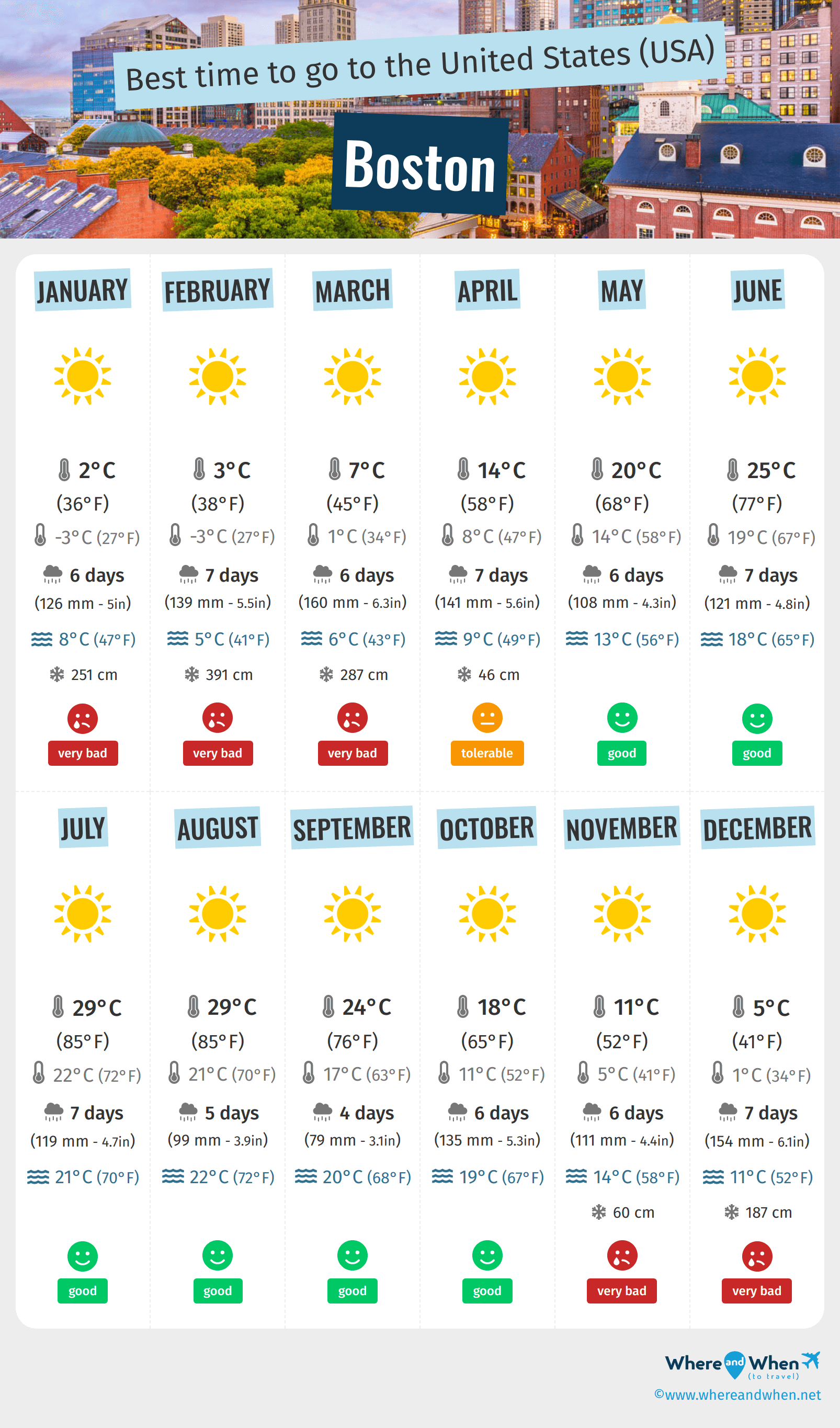
Boston’s Distinct Four Seasons: A Traveler’s Guide
Boston’s climate is classified as humid continental, characterized by warm, humid summers, cold, snowy winters, and relatively mild, yet often unpredictable, spring and autumn seasons. This variability means that planning your trip requires a careful look at the calendar and a flexible mindset.
Spring in Boston (March – May): Awakening City, Unpredictable Skies
As winter’s grip loosens, Boston slowly awakens to the vibrancy of spring. March can often feel like an extension of winter, with lingering cold temperatures and occasional snow showers. However, as April progresses into May, the city truly blossoms.
Temperatures and Rainfall:
- March: Average temperatures range from 30°F (-1°C) to 45°F (7°C). Expect a mix of chilly days and the possibility of late-season snowfall, especially in early March.
- April: Temperatures climb to an average of 40°F (4°C) to 55°F (13°C). Rainfall becomes more common, often in the form of showers, but sunny days are increasingly frequent.
- May: This is arguably one of Boston’s most pleasant spring months, with average temperatures between 50°F (10°C) and 68°F (20°C). Days are generally mild and sunny, perfect for outdoor activities, though occasional rain showers still occur.
Activities and Attractions:
Spring is an ideal time for exploring Boston’s historic sites and green spaces. The trees in Boston Common and the Public Garden begin to bud, and the famous swan boats return to the Public Garden lagoon. Walking the entire Freedom Trail becomes a delightful experience as the weather warms. Fenway Park, home of the Boston Red Sox, kicks off its baseball season, offering an authentic slice of local lifestyle. Indoor attractions such as the Museum of Fine Arts or the Isabella Stewart Gardner Museum provide excellent alternatives on cooler or rainy days.
What to Pack:
Layering is key for spring in Boston. Pack a waterproof or water-resistant jacket, sweaters, long-sleeved shirts, and comfortable walking shoes. A hat and gloves might still be necessary for early spring evenings, while lighter layers will be appreciated in May. An umbrella is a must-have.
Accommodation Considerations:
Spring, particularly early spring, can be a great time for budget travel as it falls outside the peak tourist season. You might find better deals on hotels, apartments, or suites compared to summer rates. As the weather improves, demand increases, so consider booking your accommodation in advance for May, especially if your trip coincides with college graduations or other major events.
Summer in Boston (June – August): Sunshine, Festivals, and Coastal Breezes
Summer in Boston is a vibrant affair, characterized by warm temperatures, often high humidity, and a bustling calendar of outdoor events. It’s the peak season for tourism, drawing visitors from around the globe to enjoy the city’s lively atmosphere.
Temperatures and Rainfall:
- June: Average temperatures range from 60°F (16°C) to 75°F (24°C). The weather is generally pleasant, with increasing sunshine and humidity.
- July: Typically the warmest month, with averages between 68°F (20°C) and 82°F (28°C). Heatwaves are not uncommon, pushing temperatures into the 90s°F (30s°C), often accompanied by high humidity.
- August: Similar to July, with averages from 67°F (19°C) to 80°F (27°C). Humidity can still be high, but towards the end of the month, a subtle crispness might hint at the approaching autumn. Thunderstorms can occur, especially during hot, humid periods.
Activities and Attractions:
Summer is perfect for enjoying Boston’s waterfront and outdoor spaces. Take a whale watching tour from Boston Harbor, explore the Boston Harbor Islands, or relax along the Charles River Esplanade. Catch a Red Sox game at Fenway Park, stroll through Faneuil Hall Marketplace, and enjoy outdoor dining in neighborhoods like the North End. Numerous festivals and concerts take place throughout the city, offering diverse cultural experiences. The New England Aquarium is a fantastic indoor option that provides a cool escape from the heat, as do many other museums.
What to Pack:
Lightweight, breathable clothing is essential. Think shorts, t-shirts, dresses, and sandals. A light sweater or jacket for cooler evenings or air-conditioned indoor spaces is advisable. Don’t forget a swimsuit, sunscreen, a hat, and sunglasses. Comfortable walking shoes are still important for exploring.
Accommodation Considerations:
Summer is peak season, so hotels, resorts, and villas in Boston book up quickly and command higher prices. It’s crucial to make your accommodation reservations well in advance, especially if you’re looking for specific amenities or locations. Consider booking suites or larger apartments if traveling with family. This is not typically the time for budget travel in Boston, but rather when many visitors opt for luxury travel experiences.
Autumn in Boston (September – November): Iconic Foliage and Crisp Air
Autumn is arguably Boston’s most beautiful season, drawing visitors specifically for the spectacular fall foliage that paints New England in a riot of reds, oranges, and golds. The weather is generally crisp, comfortable, and ideal for sightseeing.
Temperatures and Rainfall:
- September: Averages range from 58°F (14°C) to 72°F (22°C). Days are often sunny and warm, gradually cooling as the month progresses. The humidity of summer begins to dissipate.
- October: The heart of fall foliage season, with average temperatures between 47°F (8°C) and 60°F (16°C). Days are generally cool and pleasant, with clear skies perfect for enjoying the vibrant colors.
- November: Temperatures drop further, averaging 38°F (3°C) to 50°F (10°C). The vibrant leaves fall, and the weather can become quite chilly, sometimes introducing the first hints of winter with cold rain or even early snow flurries.
Activities and Attractions:
Autumn is prime time for scenic drives through New England to experience the legendary foliage, with Boston serving as an excellent base. Within the city, walking tours of historic neighborhoods like Beacon Hill or Charlestown are particularly delightful. Visit nearby Salem for its notorious Halloween festivities, or simply enjoy a stroll through the Boston Common as the leaves change. Cultural events and sports continue, with the National Hockey League (NHL) season for the Boston Bruins and National Basketball Association (NBA) season for the Boston Celtics beginning.
What to Pack:
Layering remains crucial. Pack sweaters, long-sleeved shirts, jeans or sturdy trousers, and a medium-weight jacket or coat. A warm scarf and comfortable, waterproof walking boots are highly recommended, especially for late autumn or if you plan to venture out of the city for foliage viewing.

Accommodation Considerations:
Like summer, autumn, especially late September and October, is a very popular time to visit Boston due to the foliage. Accommodation prices can be high, and availability tight. Booking in advance is strongly advised. Many travelers seek boutique hotels or charming villas that complement the seasonal aesthetic. It’s a fantastic season for family trips and romantic getaways.
Winter in Boston (December – February): Snowy Charm and Cozy Retreats
Winter in Boston is undeniably cold, often snowy, and can be harsh, but it also transforms the city into a picturesque wonderland, offering unique charm and cozy experiences.
Temperatures and Rainfall/Snowfall:
- December: Average temperatures range from 28°F (-2°C) to 40°F (4°C). Expect cold days and the increasing likelihood of snow.
- January: Typically the coldest month, with averages between 22°F (-6°C) and 35°F (2°C). Snowfall is common, and severe winter storms (nor’easters) can bring significant accumulations and blizzards.
- February: Similar to January, with averages from 24°F (-4°C) to 38°F (3°C). The cold persists, and snow is still frequent. Towards the end of February, glimpses of approaching spring might occasionally appear.
Activities and Attractions:
Embrace the winter magic with ice skating on the Frog Pond in Boston Common, exploring the festive decorations at Faneuil Hall Marketplace, or enjoying a warm beverage in one of Boston’s many cozy cafes or historic pubs. This is an excellent time to delve into indoor attractions like the Museum of Science, the Boston Children’s Museum, or catch a Celtics or Bruins game. The holiday season brings special events and markets, adding to the city’s appeal.
What to Pack:
Warmest clothing is essential. Think heavy winter coat (waterproof/windproof), layers of thermal underwear, sweaters, warm trousers, a hat, gloves or mittens, and a scarf. Waterproof, insulated boots with good traction are a must for navigating snowy or icy sidewalks.
Accommodation Considerations:
Winter can be an excellent time for budget travel, as accommodation prices often drop, especially in January and February, outside of the holiday season. If you don’t mind the cold and snow, you can find great deals on hotels or even consider a long-term stay to experience Boston’s winter charm without the crowds. However, luxurious winter experiences are also plentiful, with many upscale hotels offering cozy retreats and premium amenities.
Preparing for Boston’s Weather: Tips for Travelers
No matter the season, a well-prepared traveler will always have a better experience. Boston’s dynamic weather requires thoughtful planning.
What to Pack for Each Season
- Spring: Layers, waterproof jacket, umbrella, comfortable walking shoes.
- Summer: Lightweight, breathable clothing, swimsuit, hat, sunglasses, sunscreen, light sweater for evenings/AC.
- Autumn: Layers, medium-weight jacket/coat, warm scarf, waterproof walking boots.
- Winter: Heavy, waterproof/windproof winter coat, thermal layers, warm hat, gloves/mittens, scarf, insulated waterproof boots.
Always pack comfortable walking shoes, regardless of the season, as Boston is a city best explored on foot.
Staying Informed and Embracing the Elements
The weather in Boston, especially in spring and fall, can be famously fickle. It’s not uncommon to experience multiple seasons in a single day.
- Check Forecasts Regularly: Before and during your trip, frequently check reputable weather forecasts. The forecast can change rapidly, so staying updated is key.
- Be Flexible: Have backup plans for outdoor activities in case of sudden rain or unexpected temperature drops. Boston has a wealth of indoor attractions to enjoy.
- Embrace the Weather: Part of the charm of Boston is its distinct seasons. Whether it’s the vibrant spring blooms, the lively summer heat, the stunning autumn colors, or the serene winter snow, each season offers a unique perspective on the city. Equip yourself properly, and you’ll find beauty and enjoyment in every condition.
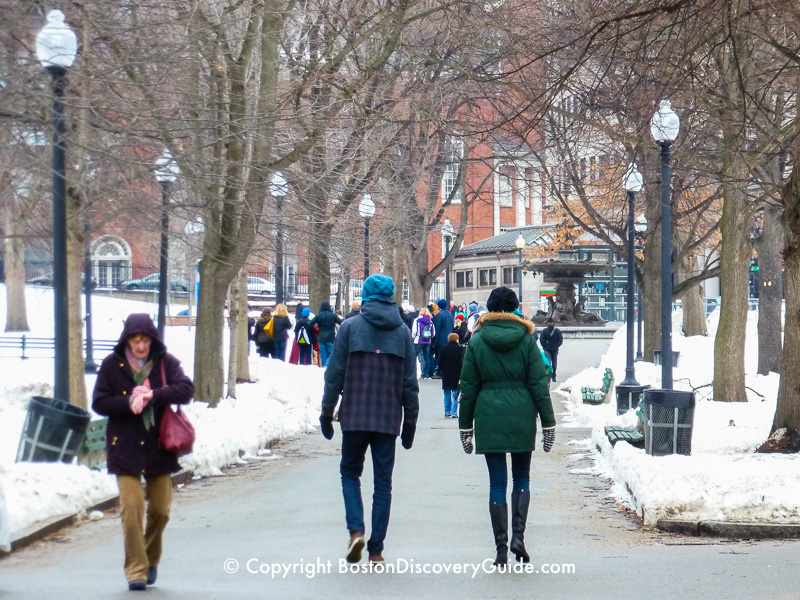
Seasonal Activities and Accommodation Considerations
The choice of season for your Boston trip profoundly influences not only the activities you’ll enjoy but also your accommodation options and overall budget. Understanding these dynamics is key to a seamless travel experience.
Spring (March – May):
- Activities: Ideal for historical walking tours like the Freedom Trail and exploring newly green parks. The Boston Marathon in April is a major event.
- Accommodation: Early spring can offer excellent value for hotels, apartments, and even suites before the summer rush. As May approaches, prices rise, so booking ahead is smart. Consider boutique hotels in neighborhoods like Beacon Hill for a quaint springtime experience.
Summer (June – August):
- Activities: Focus on outdoor events, waterfront activities, Red Sox games, and day trips to nearby coastal towns or the Boston Harbor Islands.
- Accommodation: This is peak season, so expect higher prices and limited availability. Luxurious resorts and waterfront hotels are in high demand. Booking 6-12 months in advance is not uncommon for prime locations or specific amenities. Lifestyle travelers seeking vibrant nightlife and social scenes should book hotels in areas like Downtown Crossing or the Seaport District.
Autumn (September – November):
- Activities: Famous for fall foliage tours both within Boston’s parks and in wider New England. This season is fantastic for historical landmarks and cultural events without the intense summer heat.
- Accommodation: Also a very popular season, especially late September and October. Expect prices similar to, or sometimes even higher than, summer. Consider charming bed-and-breakfasts or unique villas for a quintessential New England experience. Early booking is essential for prime viewing periods.
Winter (December – February):
- Activities: Enjoy ice skating, holiday markets (in December), cozy indoor attractions like museums, and NHL/NBA games. Explore Boston’s culinary scene in its renowned restaurants.
- Accommodation: Often the best time for budget travel, with significant reductions in hotel rates, particularly in January and February (excluding the Christmas/New Year holiday period). This period might offer opportunities for a long-term stay at a more affordable rate, allowing you to immerse yourself in local culture without the tourist crowds. Even luxury travel becomes more accessible price-wise, allowing visitors to indulge in premium suites or resorts with excellent amenities at off-peak prices.
In conclusion, the weather in Boston, USA, is a dynamic and integral part of its identity. Each season presents a different facet of this historic city, offering unique opportunities and requiring specific preparations. By understanding the typical conditions and adapting your plans accordingly, you can ensure that your visit to Boston is not just a trip, but a truly memorable travel experience, irrespective of when you choose to explore its captivating streets and rich history. From the vibrant energy of summer to the serene beauty of a snow-covered winter, Boston truly is a year-round destination, waiting to be discovered under every sky.
LifeOutOfTheBox is a participant in the Amazon Services LLC Associates Program, an affiliate advertising program designed to provide a means for sites to earn advertising fees by advertising and linking to Amazon.com. Amazon, the Amazon logo, AmazonSupply, and the AmazonSupply logo are trademarks of Amazon.com, Inc. or its affiliates. As an Amazon Associate we earn affiliate commissions from qualifying purchases.