
The Boston Marathon is not just another race; it’s a legendary journey, a benchmark of endurance, and for many runners, the pinnacle of their athletic aspirations. Held annually on Patriots’ Day in April, it’s the world’s oldest annual marathon and one of the most prestigious road races globally. Unlike most major marathons that offer open registration through lotteries, the Boston Marathon demands that participants meet stringent qualifying standards based on age and gender. This rigorous entry system ensures a field of dedicated, high-performing athletes, but it also creates a unique challenge and a powerful motivation for runners worldwide.

For anyone dreaming of running those iconic 26.2 miles from Hopkinton to Boylston Street in Boston, understanding the qualifying times is the first, crucial step. It’s more than just a number; it represents countless hours of training, unwavering discipline, and a deep commitment to the sport. Beyond the clock, aspiring Boston qualifiers must also navigate the nuances of race registration, ensuring their hard-earned time translates into a coveted bib number. This guide will delve into the specifics of Boston Marathon qualification, offering insights into the times required, the registration process, and how to plan the ultimate trip to experience this historic event, blending athletic pursuit with world-class travel and tourism.
Understanding Boston Marathon Qualification Standards
The qualification process for the Boston Marathon is meticulously managed by the Boston Athletic Association (B.A.A.). These standards are updated periodically, so it’s essential for aspiring participants to always refer to the most current guidelines published on the official B.A.A. website. The core of the qualification lies in achieving a specific time in a certified marathon within a designated qualifying window.
Age and Gender-Specific Qualifying Times
The Boston Marathon recognizes that athletic performance varies with age and gender. As such, qualifying times are stratified across different age groups for both men and women. These standards are typically based on the runner’s age on the date of the Boston Marathon they intend to run, not their age on the day of their qualifying race.
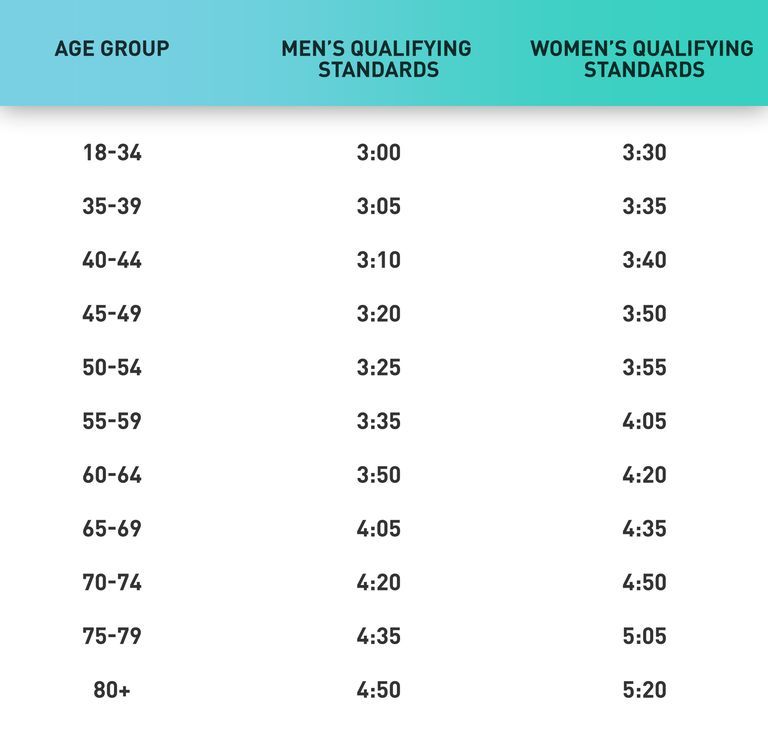
For example, current qualifying times generally look something like this (these are illustrative and subject to change by the B.A.A.):
-
Men:
- 18-34: 3 hours 00 minutes 00 seconds
- 35-39: 3 hours 05 minutes 00 seconds
- 40-44: 3 hours 10 minutes 00 seconds
- 45-49: 3 hours 20 minutes 00 seconds
- 50-54: 3 hours 25 minutes 00 seconds
- 55-59: 3 hours 35 minutes 00 seconds
- 60-64: 3 hours 50 minutes 00 seconds
- 65-69: 4 hours 05 minutes 00 seconds
- 70-74: 4 hours 20 minutes 00 seconds
- 75-79: 4 hours 35 minutes 00 seconds
- 80 and over: 4 hours 50 minutes 00 seconds
-
Women:
- 18-34: 3 hours 30 minutes 00 seconds
- 35-39: 3 hours 35 minutes 00 seconds
- 40-44: 3 hours 40 minutes 00 seconds
- 45-49: 3 hours 50 minutes 00 seconds
- 50-54: 3 hours 55 minutes 00 seconds
- 55-59: 4 hours 05 minutes 00 seconds
- 60-64: 4 hours 20 minutes 00 seconds
- 65-69: 4 hours 35 minutes 00 seconds
- 70-74: 4 hours 50 minutes 00 seconds
- 75-79: 5 hours 05 minutes 00 seconds
- 80 and over: 5 hours 20 minutes 00 seconds
Runners with disabilities also have specific qualifying categories and standards, further emphasizing the marathon’s commitment to inclusivity while maintaining its competitive integrity.
The Importance of a Certified Course and Qualifying Window
To be considered valid, a qualifying marathon time must be achieved on a course certified by a national governing body such as USATF (USA Track & Field) for races in the United States, or by IAAF (now World Athletics) or AIMS (Association of International Marathons and Distance Races) for international events. This certification ensures that the course distance is accurate and that the race conditions meet international standards, preventing runners from qualifying on short or unfairly advantageous courses.
Furthermore, there is a specific “qualifying window” during which a marathon time must be achieved to be eligible for the upcoming Boston Marathon. This window typically spans about 18 months, usually starting from mid-September of two years prior to the target Boston Marathon and ending around mid-September of the year before. For example, to qualify for the April 2025 Boston Marathon, your qualifying race would need to have been run within the B.A.A.’s designated period, perhaps starting from September 1, 2023, and ending around September 15, 2024. Staying informed about these dates is critical for race planning.
Beyond the Basics: The Nuances of Boston Marathon Registration
While meeting the stated qualifying time is essential, it’s not always a guarantee of entry. The Boston Marathon registration process is highly competitive, often requiring runners to achieve times significantly faster than their age-group standard.
The “Cut-Off” Time and the Need for a Buffer
Due to the overwhelming number of qualifiers each year, the Boston Marathon frequently implements a “cut-off” time. This means that if more runners qualify than there are available spots, the B.A.A. will accept those who are the fastest relative to their age group standard. For example, if 30,000 runners qualify but only 20,000 spots are available, the B.A.A. might accept only those who ran 5 minutes, 29 seconds, or more under their qualifying standard. This cut-off varies annually based on the applicant pool’s depth and the total number of entries available.
This competitive environment means that simply running at your qualifying time might not be enough. Most veteran Boston hopefuls aim to run a “buffer” time – anywhere from 5 to 15 minutes faster than their standard – to increase their chances of acceptance. This strategy transforms the qualification from a minimum requirement into a target for peak performance.
The Phased Registration Process
The Boston Marathon utilizes a staggered registration system, typically opening in mid-September for the following April’s race. This system prioritizes the fastest runners:
- Fastest Qualifiers First: Initially, registration opens for those who have run the fastest buffer times (e.g., 20 minutes or more under their standard).
- Tiered Registration: After a few days, registration opens for those with slightly smaller buffer times (e.g., 10 minutes or more under).
- All Qualifiers: Finally, if spots remain, registration opens for all who have met their age-group qualifying standard, even by just a few seconds.
This phased approach means that early registration is not just a convenience; it’s often a necessity for those whose buffer times are more modest. Runners are encouraged to register as soon as their eligible wave opens, as spots fill rapidly.
Planning Your Boston Marathon Journey: Travel, Accommodation, and Experience
Achieving a Boston Marathon qualifying time is a monumental feat, but the journey doesn’t end there. For out-of-town participants, planning the trip to Boston is an equally exciting and critical part of the experience. The event transforms the city into a global hub for runners and spectators, making travel logistics a key consideration for enjoying the full marathon week.
Travel Logistics to Boston, Massachusetts
Boston is a major metropolitan area with excellent connectivity. Logan International Airport (BOS) serves as the primary gateway, offering flights from destinations across the globe. Travelers can easily reach downtown Boston from the airport via the MBTA’s Silver Line, taxi, or ride-share services. For those driving, Boston is accessible via major interstates, though navigating city traffic and parking can be challenging, especially during marathon week. Many runners opt to use Boston’s efficient public transportation system, the “T,” throughout their stay.
Given the popularity of the event, it’s highly recommended to book flights and ground transportation far in advance. Prices for airfare and rental cars can skyrocket closer to Patriots’ Day.
Accommodation: Finding Your Ideal Base
Accommodation in Boston during marathon week is at a premium. Hotels, suites, and apartments fill up quickly, and prices surge. Runners have several options depending on their budget, preferences, and proximity needs:
- Luxury Hotels: For those seeking an elevated experience, Boston boasts a range of luxury hotels. Properties in the Back Bay area, particularly near the finish line in Copley Square, such as the Fairmont Copley Plaza or the Mandarin Oriental, Boston, offer unparalleled convenience and amenities like concierge services, fine dining, and spas. These cater to a luxury travel lifestyle, ensuring comfort and relaxation before and after the big race.
- Mid-Range & Boutique Hotels: Options like the Hyatt Regency Boston or The Godfrey Hotel Boston provide excellent service and comfortable stays without the top-tier price tag. Many are strategically located near T-stops, offering easy access to the marathon expo and race day buses.
- Apartments & Villas: For families or groups, booking an apartment or a larger suite through services like Airbnb or VRBO in neighborhoods such as Beacon Hill, the South End, or even across the Charles River in Cambridge can be a cost-effective and comfortable long-term stay solution. These often come with kitchen facilities, which can be ideal for pre-race meal preparation.
- Budget-Friendly Options: While central Boston accommodations can be expensive, expanding your search to nearby towns like Brookline, Somerville, or Allston can yield more affordable hotel or hostel options. These areas are typically well-connected by the MBTA, allowing for budget travel without sacrificing accessibility.
Regardless of your choice, early booking (often 6-12 months out) is crucial to secure the best rates and availability. Comparing hotel reviews and amenities is also important to ensure your chosen accommodation supports your pre-race needs, such as quiet rooms and proximity to healthy dining options.
Embracing Boston’s Tourism and Lifestyle
Beyond the race itself, marathon week offers an incredible opportunity to explore Boston’s rich history, vibrant culture, and culinary scene. Integrating tourism into your marathon trip can enhance the overall experience.
- Historic Landmarks and Attractions: Before or after race day, take time to visit iconic Boston landmarks. Walk the Freedom Trail, a 2.5-mile path leading to 16 historically significant sites, including the Massachusetts State House, Paul Revere House, and the Bunker Hill Monument. Stroll through Boston Common and the Public Garden, or explore the bustling Faneuil Hall Marketplace for food and shopping. The Museum of Fine Arts and the Isabella Stewart Gardner Museum offer world-class art collections, providing a tranquil escape from the pre-race buzz.
- Local Culture and Food: Boston’s culinary scene is diverse. Indulge in fresh seafood, particularly clam chowder and lobster rolls, or explore the Italian North End for authentic pasta and pastries. Pre-race, many restaurants offer special “pasta party” menus for runners. After the race, celebrating with a local craft beer or a classic Boston cream pie is a well-deserved treat.
- The Marathon Expo and Athletes’ Village: The John Hancock Sports & Fitness Expo is a must-visit, not just for bib pickup but also for an immersive experience of the running world. It features vendors, seminars, and a palpable sense of excitement. On race day, the Athletes’ Village in Hopkinton is an experience in itself, a gathering point for thousands of runners before embarking on their journey.
- Family and Spectator Experience: The Boston Marathon is a fantastic event for family trips. Spectators line the entire course, creating an electric atmosphere. Iconic cheer zones include the scream tunnel at Wellesley College and the challenging climbs of Newton’s Heartbreak Hill. Planning meeting points and transportation for family and friends is essential for them to fully enjoy supporting their runner.
The Lifestyle of a Boston Marathon Qualifier
Qualifying for the Boston Marathon isn’t just about a single race time; it embodies a dedicated lifestyle. It’s a testament to consistency, discipline, and a relentless pursuit of personal bests.
Training for Success
The journey to a Boston Qualifier (BQ) often spans years, involving rigorous training cycles, strategic race selection, and meticulous attention to nutrition and recovery. Runners dedicate themselves to long runs, speed work, tempo runs, and strength training, often balancing these demands with work, family, and social commitments. This commitment shapes a lifestyle focused on health, endurance, and mental fortitude. The pursuit of a BQ teaches invaluable lessons in goal setting, resilience, and the power of incremental progress.

The Race Day Experience: From Hopkinton to Boylston Street
Finally, race day arrives, a culmination of months, if not years, of effort. The experience begins early in Boston with buses transporting thousands of runners to the starting line in Hopkinton. The energy in the Athletes’ Village is palpable – a mixture of nervous excitement and shared camaraderie.
The course itself is a journey through a series of distinct towns, each offering its own flavor of spectator support:
- The start in Hopkinton, where the dream truly begins.
- Through Framingham and Natick, where the crowds begin to thicken.
- The exhilarating “scream tunnel” at Wellesley, providing an unparalleled energy boost.
- The challenging hills of Newton, culminating in the infamous Heartbreak Hill, where physical and mental strength are truly tested.
- The final miles through Brookline and into the heart of Boston, with the finish line feeling both distant and incredibly close.
The final stretch down Boylston Street, with thousands of cheering spectators, is an unforgettable moment, a triumphant end to a demanding race and a testament to every mile logged in training.
In conclusion, qualifying for and running the Boston Marathon is a holistic experience that intertwines athletic achievement with rich travel opportunities, deep cultural immersion, and a committed lifestyle. It’s a journey that challenges runners physically and mentally, while offering the reward of being part of one of the world’s most historic and celebrated sporting events. For those who meet the time, it’s not just a race; it’s an unforgettable pilgrimage.
LifeOutOfTheBox is a participant in the Amazon Services LLC Associates Program, an affiliate advertising program designed to provide a means for sites to earn advertising fees by advertising and linking to Amazon.com. Amazon, the Amazon logo, AmazonSupply, and the AmazonSupply logo are trademarks of Amazon.com, Inc. or its affiliates. As an Amazon Associate we earn affiliate commissions from qualifying purchases.