
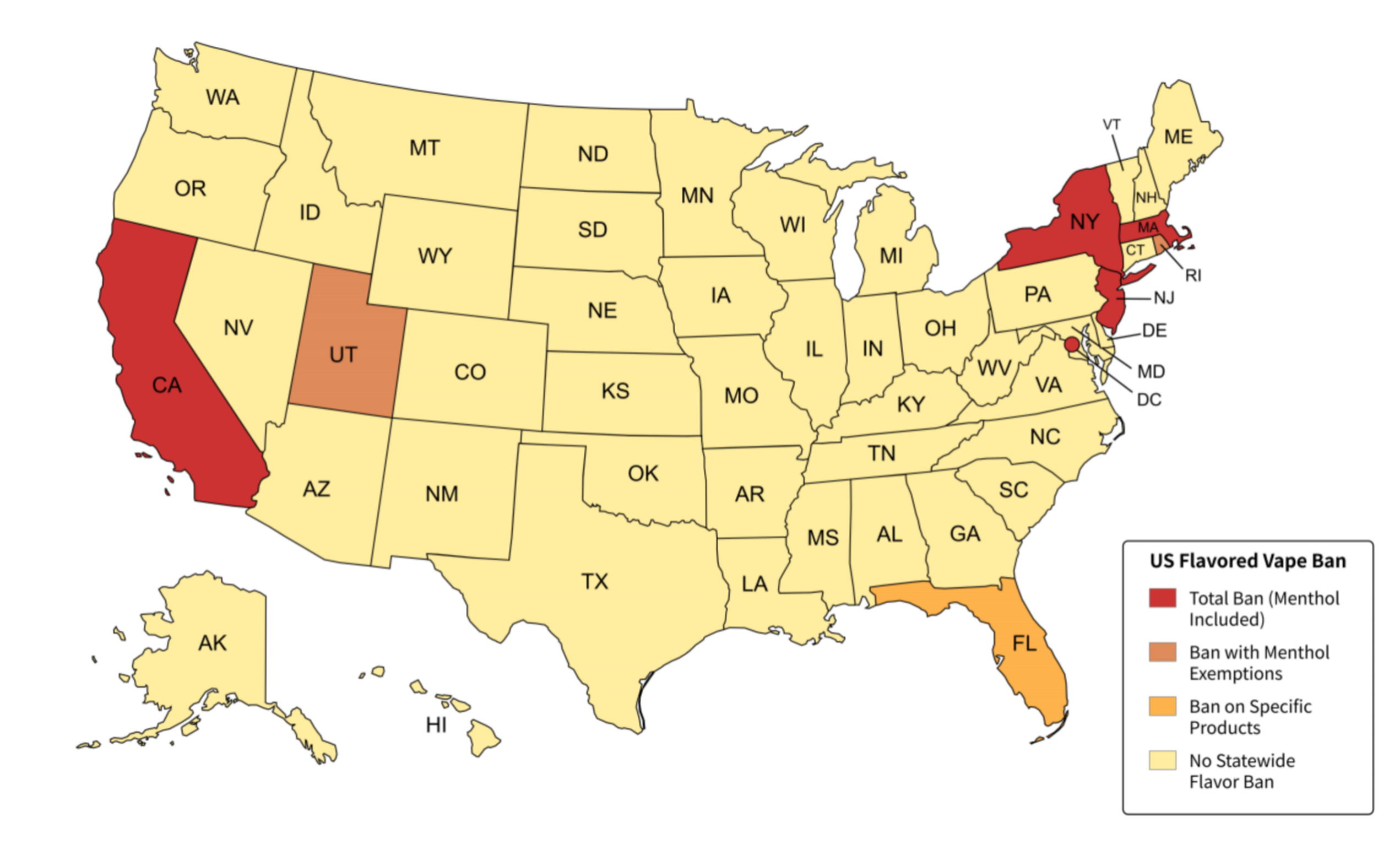
For travelers and residents alike, understanding local regulations is paramount to a smooth and enjoyable experience, particularly when it comes to lifestyle choices. [California], a state renowned for its diverse [travel destinations], innovative spirit, and commitment to public health, has taken a definitive stance on flavored vaping products. The short answer to the question “Are flavored vapes banned in [California]?” is a resounding yes. This comprehensive ban, enacted to protect public health, particularly among youth, carries significant implications for anyone visiting or residing in the Golden State. From the bustling streets of [Los Angeles] and the iconic landmarks of [San Francisco] to the serene vineyards of [Napa Valley] and the pristine beaches of [San Diego], this regulation applies statewide, shaping the retail landscape and influencing personal choices. Understanding the nuances of this ban is essential for travelers planning their next Californian adventure, ensuring they navigate their trip without unexpected legal hurdles.

The Legislative Landscape: Unpacking California’s Flavored Vape Ban
[California] has long been a trailblazer in public health initiatives, often setting precedents that are later adopted by other states and even countries. The ban on flavored tobacco products, including flavored vapes, is a prime example of this proactive approach. This legislation didn’t happen overnight; it was the culmination of years of advocacy, research, and public debate, ultimately reflecting the state’s prioritization of community well-being over commercial interests related to these specific products.Proposition 31 and Senate Bill 793: The Legal Framework
The journey to a statewide ban on flavored tobacco products in [California] was a complex one, involving both legislative action and direct democracy. The initial legislative effort came in the form of [Senate Bill 793], signed into law by Governor Gavin Newsom in August 2020. This bill sought to prohibit the sale of most flavored tobacco products, including e-liquids, smokeless tobacco, and menthol cigarettes, in all retail locations across the state. The rationale behind [Senate Bill 793] was clear: to curb the alarming rise in youth vaping rates, which health officials linked directly to the appeal of sweet and enticing flavors. These flavors, ranging from fruit and candy to mint and menthol, were seen as marketing tactics designed to hook new, younger users, making it easier for them to start using nicotine products and potentially transition to traditional tobacco.
However, the implementation of [Senate Bill 793] was temporarily stalled by a referendum petition, which successfully placed the issue on the November 2022 ballot as [Proposition 31]. This allowed voters to directly decide the fate of the flavored tobacco product ban. After a vigorous campaign on both sides, [Proposition 31] was overwhelmingly approved by voters, effectively upholding and implementing the provisions of [Senate Bill 793]. This public endorsement solidified the ban, making it official and irreversible through legislative means alone.
The core of the ban, as outlined by [Senate Bill 793] and affirmed by [Proposition 31], prohibits the sale of any flavored tobacco product or e-liquid, regardless of nicotine content, within the state’s borders. This includes, but is not limited to, products with flavors such as:
- Fruit (e.g., mango, strawberry, blueberry)
- Candy (e.g., gummy bear, cotton candy)
- Dessert (e.g., vanilla custard, chocolate)
- Mint
- Menthol (a particularly significant inclusion due to its widespread use and appeal)
- Spice and Herb
- Beverage (e.g., coffee, soda)
There are specific, albeit limited, exceptions to this broad prohibition. The ban does not apply to “tobacco-flavored” e-liquids or tobacco products, nor does it typically extend to FDA-approved cessation products or premium cigars priced over a certain threshold and meeting specific criteria. The distinction is critical: if a product’s primary flavor profile is anything other than traditional tobacco, it falls under the ban. This means that a traveler hoping to find their favorite cherry-flavored vape juice in a convenience store in [Sacramento] or a specialty shop in [Orange County] will be disappointed.
Impact on Retailers and Consumers
The implementation of [California]’s flavored vape ban has had a profound impact on both retailers and consumers across the state. For many small businesses, particularly convenience stores, gas stations, and dedicated vape shops, flavored tobacco products represented a significant portion of their sales. The ban necessitated a complete overhaul of inventory and sales strategies, forcing many to remove popular items from their shelves. This led to considerable economic strain for some establishments, particularly those that relied heavily on flavored product sales. Local governments, in areas like [Oakland] or [Riverside], have had to provide guidance and enforcement mechanisms, adding another layer of complexity to local commerce.
For consumers, especially those who previously used flavored vapes as an alternative to traditional cigarettes, the ban has created a new landscape. Many have had to either switch to tobacco-flavored e-liquids, seek out cessation methods, or potentially look for alternatives outside the state, though bringing banned products into [California] for sale is also illegal. While the ban primarily targets the sale of these products, not their possession for personal use, it significantly limits access within the state. This means that while a tourist might possess a flavored vape they brought from another state, they would be unable to legally purchase refills or new devices with flavored e-liquids within [California].
A critical aspect of the ban’s impact relates to online sales. While the statewide ban prohibits brick-and-mortar retailers from selling flavored products, the enforcement of online sales can be more challenging, though [California] law also prohibits the delivery of flavored tobacco products to consumers within the state. However, consumers might still attempt to purchase products from out-of-state online vendors, creating a potential loophole that regulators are continually working to address. This highlights the ongoing challenge of regulating digital commerce in an evolving regulatory environment. The overarching goal remains to reduce the prevalence of these products, particularly among young people who might be tempted by their appealing flavors.
Navigating Vape Policies as a Traveler in California
For anyone planning a trip to [California], whether for a luxurious stay in a [Beverly Hills resort] or a budget-friendly adventure exploring national parks like [Yosemite], understanding local regulations, including those concerning vaping, is crucial. [California]’s robust stance on flavored vapes means that what might be legal in your home state or country could be prohibited here. This awareness ensures a hassle-free vacation and helps travelers avoid unintentional infractions.
What Tourists Need to Know Before Visiting
When preparing for your [California] adventure, it’s essential to pack smart and be informed. The statewide ban on flavored vapes applies uniformly across all cities and counties, from the vibrant arts scene of [Palm Springs] to the historic charm of [Monterey] and the innovative tech hub of [San Jose]. This means that the prohibition is not restricted to specific urban centers; it is a blanket rule for the entire state.
Key considerations for tourists include:

- No Flavored Vape Purchases: You will not be able to legally buy any flavored vape products, including e-liquids with fruit, candy, mint, or menthol profiles, from any retail outlet in [California]. This applies to vape shops, convenience stores, gas stations, and even online retailers shipping to a [California] address.
- Tobacco-Flavored Options Only: If you wish to vape while in [California], your only legal option for purchasing e-liquids will be those explicitly labeled as “tobacco-flavored.” It’s wise to plan accordingly, perhaps bringing enough tobacco-flavored e-liquid for your trip or preparing to switch to this flavor profile during your stay.
- Possession vs. Sale: The ban primarily targets the sale of flavored products. While personal possession of flavored vapes you brought from outside [California] for personal use is generally not the focus of enforcement, attempting to purchase, sell, or distribute them within the state is prohibited. It’s always best to err on the side of caution and adhere to local norms.
- Beyond the Ban: General Vaping Rules: Even for legal tobacco-flavored vapes, [California] has strict regulations regarding where you can vape. Vaping is prohibited in most indoor public places, workplaces, and within a certain distance of entrances, windows, and ventilation systems. Many cities also have local ordinances restricting vaping in outdoor public areas, parks, beaches, and dining patios. Always look for “No Smoking” or “No Vaping” signs, and when in doubt, refrain.
- Accommodation Policies: [Hotels], [resorts], [apartments], and other [accommodation] providers in [California] often have their own comprehensive smoking and vaping policies, which are typically stricter than state law. Most prohibit vaping in rooms, common areas, and sometimes even on balconies. Before booking, or upon arrival, inquire about the specific vaping policy of your [hotel] or [villa] to avoid fines or an uncomfortable situation. A [luxury hotel] in [Santa Monica] or a [boutique hotel] in [Napa Valley] will almost certainly have strict non-smoking/vaping rules.
Vaping Etiquette and Local Culture
Integrating respectfully into the local culture is a cornerstone of responsible [tourism]. In [California], where health and environmental consciousness are deeply ingrained, adhering to vaping etiquette goes beyond merely following the law; it reflects an understanding and respect for the community. The cultural expectation in many parts of [California] is that public spaces should be free from all forms of smoke and vapor. This aligns with the broader [lifestyle] trends of health and wellness prevalent throughout the state.
When visiting iconic [landmarks] like the [Golden Gate Bridge], strolling through [Disneyland], or exploring the vibrant [Santa Monica Pier], remember that many outdoor areas are designated as smoke- and vape-free. Observing these unwritten rules, as well as the posted signage, is a sign of respect for both residents and fellow travelers. The friendly, health-conscious atmosphere of [California] means that public vaping is generally less accepted than in some other regions, and travelers should be mindful of this.
Consider the example of a traveler visiting [San Francisco]. While enjoying the city’s unique charm, they might encounter numerous public parks and outdoor dining areas. Even if they are using a tobacco-flavored vape, choosing to step away from crowds and communal spaces to vape is a gesture of consideration. This thoughtful approach enhances the experience not only for the traveler but for everyone around them, fostering a positive interaction with the local environment and its inhabitants.
The Broader Implications for California’s Tourism and Economy
The ban on flavored vapes in [California] is not an isolated policy; it is part of a larger, ongoing effort to shape public health outcomes and, by extension, influence the state’s social and economic landscape. While the primary objective is public health, particularly the protection of youth, such a significant regulatory change inevitably has ripple effects that touch upon various sectors, including [tourism] and local commerce.
Balancing Public Health with Economic Considerations
The immediate economic impact of the ban was most acutely felt by retailers who had to remove vast quantities of products from their shelves. Small businesses, which are often the backbone of local economies in cities like [Fresno] or [Bakersfield], bore a significant burden of adjustment. The argument from opponents of the ban often centered on these economic disruptions, potential job losses, and the creation of a black market for prohibited products. However, proponents, including public health advocates and many medical organizations, argued that the long-term health benefits and reduced healthcare costs associated with preventing nicotine addiction, especially among youth, far outweigh these immediate economic concerns.
From a [tourism] perspective, the ban adds to the distinct regulatory environment that travelers encounter in [California]. While it might deter a niche group of vapers who specifically seek out flavored products, it is unlikely to significantly impact the broader appeal of [California] as a premier travel destination. The state’s draw lies in its unparalleled natural beauty, world-class attractions, diverse cultural experiences, and renowned culinary scene. A traveler planning a wine tour in [Sonoma County] or a beach getaway in [Malibu] is unlikely to cancel their trip due solely to the unavailability of flavored vapes. Instead, it becomes another aspect of the local legal and cultural landscape that visitors are expected to respect and adapt to, much like alcohol laws or environmental regulations.
California’s Position in a National and Global Context
[California]’s flavored vape ban places it among a growing number of jurisdictions globally that are taking aggressive steps to curb the appeal and availability of these products. Various cities and states across the [United States], as well as countries like [Canada] and several in the [European Union], have implemented similar restrictions or are considering them. This trend reflects a global concern about the public health implications of vaping, particularly for younger generations.By implementing such a comprehensive ban, [California] reinforces its image as a leader in public health policy. This progressive stance is often viewed positively by many visitors and residents who value a healthy environment and proactive governance. For international visitors, especially those from countries with similar restrictions, [California]’s policies might feel familiar. For others, it serves as an important lesson in understanding diverse global regulations when embarking on international [travel]. The state’s commitment to protecting its citizens, particularly its youth, through bold legislative action is a defining characteristic of the Californian [lifestyle]. It signals that public well-being is a fundamental pillar of the state’s identity, influencing everything from local ordinances to the amenities available in [hotels] and the overall visitor experience.
In essence, while the ban on flavored vapes is a specific regulatory measure, it is also a manifestation of [California]’s broader ethos. It is a state that embraces innovation but also takes seriously its responsibility to foster a healthy, sustainable environment for both its residents and the millions of tourists who come to experience its unique charm each year.
Conclusion
The answer to whether flavored vapes are banned in [California] is unequivocal: yes, they are. Through the combined force of [Senate Bill 793] and the affirmative vote on [Proposition 31], [California] has enacted a comprehensive statewide prohibition on the retail sale of most flavored tobacco products, including e-liquids with fruit, candy, mint, and menthol flavors. This landmark decision underscores the state’s unwavering commitment to public health, particularly in safeguarding its youth from nicotine addiction.
For travelers embarking on a journey through [California]’s diverse landscapes, from the vibrant urban centers to its breathtaking natural [landmarks], understanding this ban is more than just a legal formality. It’s an essential aspect of responsible [tourism] and respectful engagement with local culture. Tourists should be aware that they cannot purchase flavored vape products within the state and should familiarize themselves with general vaping etiquette, including prohibitions in most public indoor spaces and many outdoor areas. [Accommodation] providers, from [luxury resorts] to [budget-friendly hotels], will also have their own strict policies.
Ultimately, [California]’s flavored vape ban is a reflection of its progressive [lifestyle] and dedication to fostering a healthy environment. While it may require some adjustment for visitors accustomed to different regulations, embracing these policies ensures a seamless and enjoyable exploration of one of the world’s most captivating [travel destinations]. By staying informed and respecting local laws, travelers can fully immerse themselves in the unparalleled experiences that the Golden State has to offer, without any unexpected disruptions.
LifeOutOfTheBox is a participant in the Amazon Services LLC Associates Program, an affiliate advertising program designed to provide a means for sites to earn advertising fees by advertising and linking to Amazon.com. Amazon, the Amazon logo, AmazonSupply, and the AmazonSupply logo are trademarks of Amazon.com, Inc. or its affiliates. As an Amazon Associate we earn affiliate commissions from qualifying purchases.