
The question “Are there fireflies in California?” often evokes a mixture of surprise and skepticism. For many who grew up on the East Coast of the United States, the quintessential summer evening experience is defined by the mesmerizing dance of countless fireflies, their tiny, intermittent lights illuminating warm, humid nights. This vivid image often leads visitors to the Golden State to wonder if they can replicate that magical experience amidst California’s diverse landscapes. The short answer is yes, but with a significant caveat: finding fireflies in California is a much rarer and more specialized endeavor, a treasure hunt rather than an expected spectacle. It requires patience, local knowledge, and an understanding of the specific ecological niches these fascinating insects inhabit.
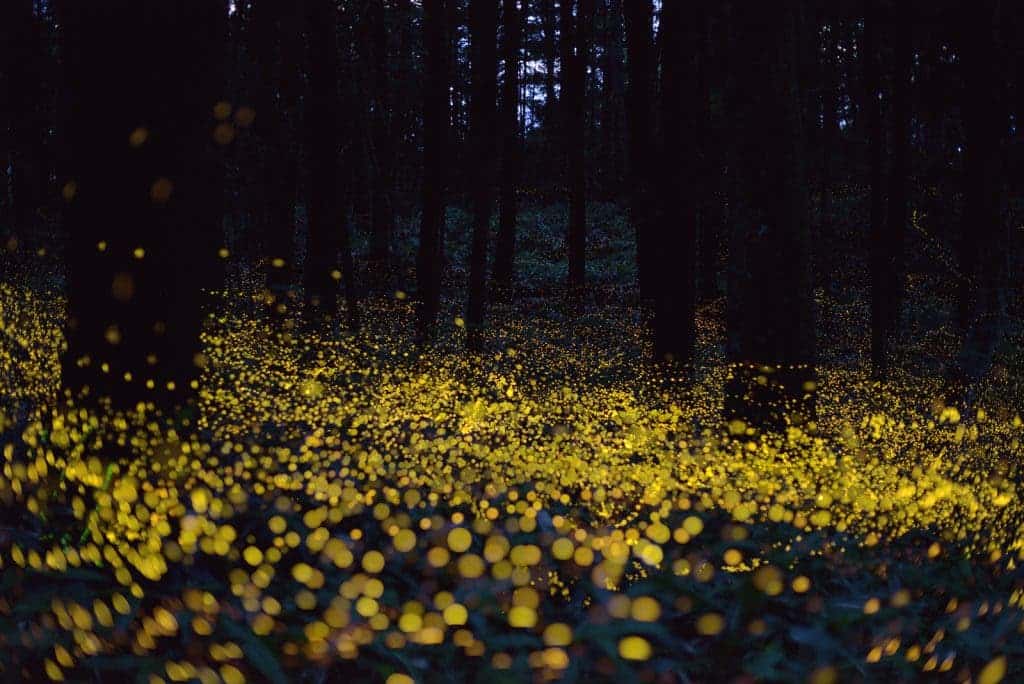
Unlike the humid climates that foster large populations of fireflies in other parts of America, California’s predominantly arid and semi-arid conditions, coupled with its extensive urbanization, make widespread sightings uncommon. However, delve deeper into the state’s hidden corners, and you’ll discover that certain species of bioluminescent beetles do indeed call California home. These aren’t always the classic “lightning bugs” familiar to many, but often comprise “glow-worms” – the larval stage of various beetle species, including some true fireflies, that emit a steady, ethereal glow rather than a flashing light. For the discerning traveler and nature enthusiast, seeking out these elusive creatures offers a unique and unforgettable travel experience, a chance to connect with California’s wild side in a truly enchanting way. This journey into the nocturnal world of California’s glowing insects intertwines natural discovery with careful planning, offering insights into regional ecosystems, responsible tourism, and the joy of witnessing nature’s subtle wonders.
The Elusive Glow: Understanding California’s Fireflies
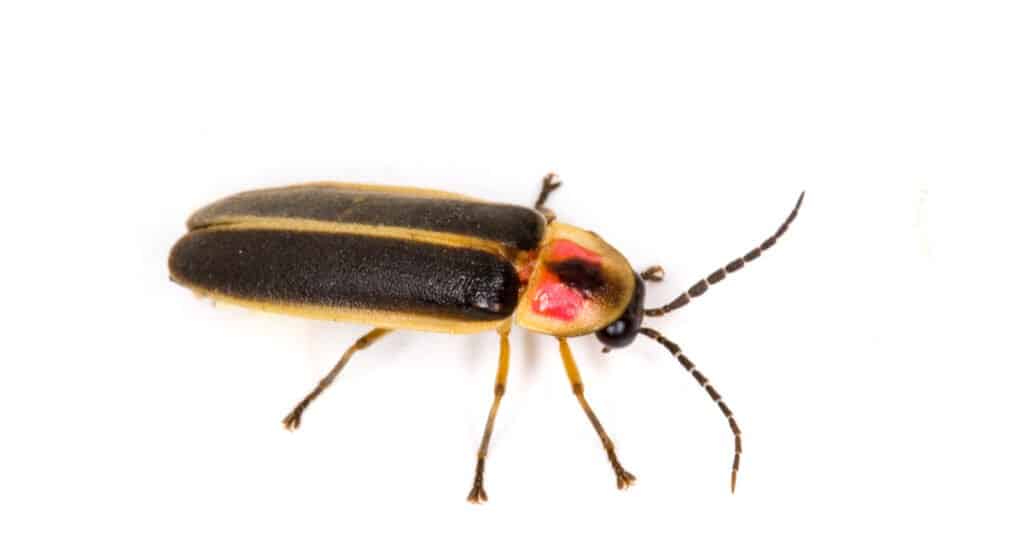
To appreciate the quest for fireflies in California, it’s essential to understand what makes them so unique and why their presence is not as conspicuous as in other regions. The term “firefly” is often used broadly, but in scientific terms, it refers to beetles from the family Lampyridae, many of which produce bioluminescence. In California, the species you might encounter differ from their East Coast counterparts, and their habits are often more reclusive.
Species and Habitats: What to Know
California is home to several species of Lampyridae, though not all are flashing fireflies in the traditional sense. Perhaps the most famous and reliably sighted are the “glow-worms” of Catalina Island. These aren’t adult fireflies but rather larvae or larviform females of certain beetle species that emit a continuous, soft green light. They are often found clinging to mossy banks or underbrush in damp, dark environments. Their glow is a beacon, primarily to attract mates, and observing them is an exercise in quiet patience.
Beyond Catalina Island, several other areas throughout the state host true firefly species, albeit in much smaller, localized populations. These typically prefer moist, forested areas, often near streams, rivers, or marshy grounds – habitats that provide the dampness necessary for their development and survival. Unlike their flashing relatives, many of California’s fireflies are “dark fireflies,” meaning they don’t produce light as adults, or their light is very faint and non-flashing. The species that do flash are rare, specific, and very sensitive to light pollution and habitat disturbance. Therefore, seeking them out often means venturing into truly undisturbed natural preserves.
Why Are They So Rare in the Golden State?
The primary reasons for the rarity of widespread firefly populations in California stem from a combination of climate and anthropogenic factors.
- Arid Climate: Much of California experiences a Mediterranean climate characterized by dry summers and wet winters. Fireflies, in their larval and adult stages, thrive in consistently moist, humid conditions, which are less prevalent across vast swathes of the state compared to the wetter regions of the East Coast, South America, or Asia.
- Habitat Loss and Fragmentation: California’s rapid urbanization and agricultural development have led to significant loss and fragmentation of natural habitats. Wetlands, riparian zones, and dense, undisturbed forests – all crucial for firefly survival – have diminished. This makes it harder for populations to sustain themselves and spread.
- Light Pollution: Even in suitable habitats, light pollution from surrounding cities and towns can severely disrupt firefly communication. Flashing fireflies rely on specific light patterns to find mates, and artificial light can interfere with these signals, reducing breeding success.
- Pesticide Use: Extensive use of pesticides in both agriculture and residential areas can harm firefly populations, as their larvae prey on slugs and snails, which can be affected by these chemicals.
Understanding these factors is crucial not only for finding fireflies but also for appreciating the fragility of their existence in California and recognizing the importance of conservation efforts.
Top Spots for a Firefly Encounter in California
While finding fireflies in California might be challenging, it is certainly not impossible. With strategic planning and an adventurous spirit, you can uncover these glowing gems in specific, protected environments. These locations are often cooler, wetter, and less developed than much of the state, offering sanctuary to these light-emitting beetles.
The Santa Monica Mountains: A Prime Viewing Location
One of the most consistently reported areas for firefly sightings, particularly the “pink glow-worm” (Phausis reticulata), is within the Santa Monica Mountains range. Spanning from Los Angeles into Ventura County, this natural haven offers pockets of dense, humid canyon ecosystems, especially along perennial streams. Parks like Malibu Creek State Park or areas within the Angeles National Forest (the eastern extension of the Santa Monica Mountains) are often cited. Here, under the canopy of oak and sycamore trees, away from the harsh lights of nearby cities like Santa Monica, conditions can be just right. The glow-worms here are known for their steady, greenish-pink light, often seen low to the ground amongst damp foliage. Visitors hoping to spot them should focus on areas with consistent moisture, undisturbed leaf litter, and minimal light pollution. A nighttime hike in these serene environments not only offers the chance of a rare sighting but also a profound escape from urban life, immersing travelers in the quiet beauty of Southern California’s wilderness.
Sierra Nevada Foothills: Glimpses of Nature’s Light Show
Further inland, the western foothills of the Sierra Nevada mountain range provide another promising landscape. The transition zone between the dry Central Valley and the higher elevations of the Sierra receives more rainfall and supports diverse ecosystems with lush riparian corridors. Areas around Yosemite National Park, Sequoia National Park, and Kings Canyon National Park, particularly at lower to mid-elevations (typically below 5,000 feet), can host firefly populations. These are often true flashing fireflies, though their displays are generally less dense than those seen on the East Coast. Look for them near slow-moving water sources, meadows, and forest edges, especially during the early summer months. The remote nature of many of these locations ensures minimal light pollution, increasing the chances of witnessing their delicate bioluminescence. Towns like Oakhurst, which serve as gateways to Yosemite, can be excellent bases for exploring these foothills.
Other Potential Sightings: Northern California and Beyond
While less frequently reported, Northern California also holds potential for firefly encounters. Humid coastal redwood forests, particularly in areas like Big Sur or parts of Humboldt County that retain significant moisture, could support populations. However, reports here are even more scattered. The key across all these regions is seeking out specific microclimates: areas that are consistently damp, protected from strong winds, and far from human-made lights. Even Catalina Island, off the coast of Los Angeles, is renowned for its specific type of glowing beetle larva, making it a unique destination for bioluminescence tourism, albeit not for flashing fireflies. Traveling to these lesser-known, biodiverse pockets offers not just a chance at a firefly sighting but an immersive experience in California’s rich and varied natural heritage, a true gem for ecotourism enthusiasts.
Planning Your Firefly-Seeking Adventure: Travel Tips and Accommodations
Embarking on a firefly quest in California is more than just a nocturnal outing; it’s an opportunity to embrace sustainable travel, enjoy unique outdoor experiences, and explore some of the state’s most pristine natural areas. Careful planning will significantly enhance your chances of a successful and memorable trip.
Best Time to Visit and Viewing Etiquette
The prime time for firefly viewing in California is typically late spring through early summer, generally from May to July. This period aligns with warmer temperatures and sufficient moisture after the winter rains, which are crucial for the fireflies’ life cycle. The exact window can vary based on elevation and local climate conditions, so checking with local ranger stations or nature centers is advisable.
When you venture out, especially into national parks or forests, timing is everything:
- Optimal Hours: Fireflies are most active shortly after dusk, typically between 8:00 PM and 10:00 PM, though glow-worms can be visible earlier if it’s sufficiently dark.
- Darkness is Key: Choose a night with minimal moonlight; a new moon phase is ideal. Overcast nights can also enhance visibility by blocking starlight and ambient light.
- Patience and Quiet: Firefly watching requires patience. Find a spot and remain still and quiet for at least 15-20 minutes to allow your eyes to adjust and for the insects to emerge.
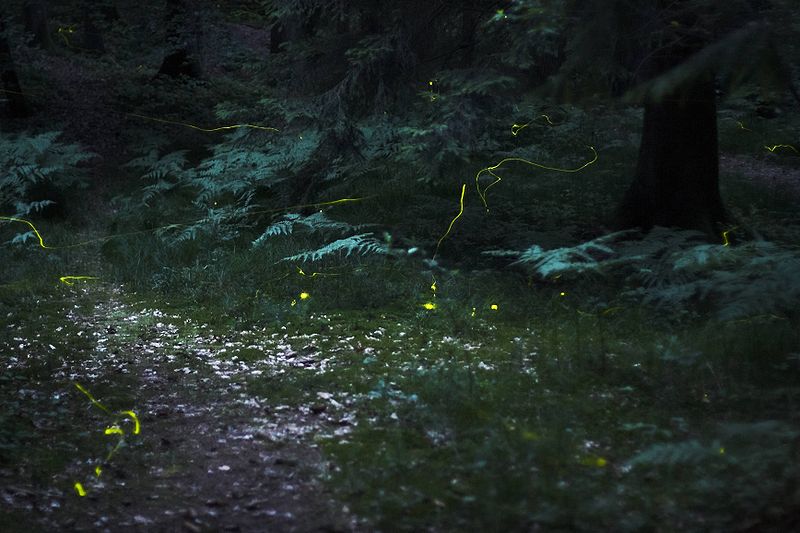
- Minimize Light Disturbance: Use a red-filtered flashlight if you need light, as red light has the least impact on fireflies and your night vision. Avoid using white flashlights, phone screens, or camera flashes.
- Leave No Trace: Stay on marked trails, do not disturb vegetation, and absolutely do not attempt to capture fireflies. This is crucial for their survival and for maintaining the integrity of these sensitive ecosystems. Pack out everything you pack in.
Enhancing Your Trip: Nearby Attractions and Activities
A firefly expedition seamlessly blends with other popular California travel themes. Many of the areas conducive to fireflies are also prime destinations for general outdoor recreation and nature tourism:
- Hiking and Nature Walks: During the day, explore the same trails you plan to visit at night. Areas like Malibu Creek State Park offer stunning daytime vistas and diverse ecosystems. In the Sierra Nevada foothills, you can hike among ancient giant sequoias in Sequoia National Park or explore the dramatic landscapes of Yosemite National Park.
- Stargazing: Since firefly viewing requires dark skies, these locations are often excellent for stargazing. Bring a telescope or binoculars and combine your firefly hunt with an appreciation for the cosmos.
- Photography: For those interested in capturing nature’s beauty, the dark skies and unique bioluminescence offer exceptional photographic opportunities, though it requires specialized low-light equipment and techniques to avoid disturbing the environment.
- Local Culture and Food: Many of these regions, particularly around the Sierra Nevada foothills or coastal towns near the Santa Monica Mountains, have charming small towns offering local cuisine, craft breweries, and unique artisan shops. This allows you to experience the local culture as part of your nature-focused trip.
Where to Stay: Accommodation Options for Every Traveler
Matching your accommodation to your travel style is essential for a comfortable and convenient firefly-seeking journey. The range of options in California is vast, catering to every budget and preference:
- Rustic Cabins and Campgrounds: For the most immersive experience, staying in a cabin or campground directly within or very near a national park or forest is ideal. Places like Yosemite National Park offer various campgrounds and rustic cabin rentals, putting you directly in prime viewing territory. This option is perfect for budget travel and for those who enjoy a more rugged, nature-centric lifestyle.
- Boutique Inns and Hotels: In gateway towns such as Oakhurst (near Yosemite), Three Rivers (near Sequoia and Kings Canyon), or charming coastal towns near the Santa Monica Mountains, you’ll find cozy boutique inns and hotels. These options provide more amenities while still offering easy access to viewing spots. They often blend local charm with comfortable suites, making them excellent for family trips or romantic getaways.
- Luxury Resorts: For those seeking a luxury travel experience, there are upscale resorts within driving distance of some firefly locations. While perhaps not directly adjacent to viewing spots, they offer lavish amenities, fine dining, and guided excursions that can be arranged. Imagine returning to a spa or gourmet meal after a night under the stars.
- Vacation Rentals and Airbnbs: For longer stays or family trips, consider booking an Airbnb or other vacation rental in towns like Mariposa, Midpines, or even areas closer to Malibu. These often provide more space, a kitchen, and a ‘home away from home’ feel, allowing for a more relaxed and self-sufficient adventure.
- Catalina Island Specifics: If your focus is on the glow-worms of Catalina Island, the town of Avalon offers a range of hotels, from historic inns to modern resorts. Exploring the island’s interior, often via guided tours, is key to finding the glow-worms.
Booking your accommodation well in advance, especially during peak season, is always recommended to secure the best rates and locations. Utilizing reviews and comparison sites can help you find the perfect match for your firefly-seeking itinerary.
Beyond the Glow: Preserving California’s Natural Wonders
The pursuit of fireflies in California is more than just a search for a fleeting light; it’s an immersive dive into the delicate balance of nature and an urgent call for conservation. These tiny insects serve as bio-indicators, their presence or absence signaling the health of their ecosystems. By seeking them out responsibly, travelers become advocates for the preservation of these unique environments.
The Importance of Conservation
Fireflies globally are facing significant threats, with many species in decline. In California, where populations are already sparse, these threats are amplified.
- Habitat Protection: The most critical aspect of firefly conservation is protecting their natural habitats. This means preserving wetlands, riparian zones, and forested areas from development, pollution, and degradation. Supporting national parks, state parks, and local land trusts through visitation fees and donations directly contributes to these efforts.
- Reducing Light Pollution: Advocating for “dark sky” initiatives in communities near natural areas can have a profound impact. Switching to shielded, downward-pointing lights, using amber or red-spectrum lighting, and turning off unnecessary outdoor lights can help minimize interference with firefly communication and other nocturnal wildlife.
- Sustainable Practices: Supporting organic farming and gardening practices reduces pesticide runoff, which is harmful to fireflies and their prey. Even small individual actions, like choosing eco-friendly products, contribute to a healthier environment.
- Education and Awareness: Sharing knowledge about fireflies and their ecological importance helps raise awareness. Understanding that the “glow-worms” of Catalina Island are as vital as the flashing fireflies of the Sierra Nevada foothills encourages broader appreciation and protection.
The National Park Service and other environmental organizations continually work to monitor and protect these precious species, and respectful tourism plays a role in supporting their missions.
Creating a Sustainable Travel Experience
For the modern traveler, a firefly quest in California perfectly aligns with the principles of sustainable tourism. It encourages going off the beaten path, supporting local economies, and minimizing environmental impact.
- Choose Eco-Friendly Accommodation: Opt for hotels, resorts, or campgrounds that demonstrate a commitment to sustainability through energy efficiency, waste reduction, and water conservation. Look for certifications or explicit environmental policies.
- Support Local Businesses: When dining or shopping, prioritize local businesses over large chains. This ensures your tourism dollars directly benefit the communities you visit, helping them to thrive and invest in their natural resources.
- Mindful Transportation: Consider carpooling, using public transportation where available (though limited in many firefly viewing areas), or even renting electric vehicles to reduce your carbon footprint.
- Respect Wildlife and Ecosystems: Beyond fireflies, remember that you are a guest in a vibrant ecosystem. Maintain a safe distance from all wildlife, never feed animals, and always adhere to park rules and regulations. Your actions contribute to the overall health and longevity of these natural attractions for future generations.
- Engage with Guides and Experts: Hiring local guides or participating in ranger-led programs can provide invaluable insights into the specific species, their habitats, and the best viewing practices. These experts often have a deep understanding of the local ecology and can enhance your experience while ensuring responsible interactions.
In conclusion, while the firefly experience in California might differ from the abundant displays found elsewhere, it offers a uniquely Californian adventure. It’s a journey into quiet, often overlooked corners of the state, revealing a subtle magic that rewards patience, respect, and a genuine love for nature. Whether you’re planning a romantic getaway, a family trip focused on natural wonders, or an adventurous solo expedition, seeking out California’s glowing insects provides an unforgettable experience, reminding us of the profound beauty and fragility of the natural world. So pack your bags, dim your lights, and prepare to be enchanted by the elusive glow of California’s very own fireflies.
LifeOutOfTheBox is a participant in the Amazon Services LLC Associates Program, an affiliate advertising program designed to provide a means for sites to earn advertising fees by advertising and linking to Amazon.com. Amazon, the Amazon logo, AmazonSupply, and the AmazonSupply logo are trademarks of Amazon.com, Inc. or its affiliates. As an Amazon Associate we earn affiliate commissions from qualifying purchases.